




Signs Your Child Is Serious About Football and How to Support Them Properly
Recognizing signs your child is serious about football can feel challenging for parents who want to respond with the right kind of support. Many parents notice their child’s growing passion for football but aren’t sure how to balance encouragement with practical guidance. This article highlights key indicators that show genuine dedication and offers clear, development-focused advice on how parents can support their young players effectively through structured environments and positive routines.
What Does It Mean When a Child Is Serious About Football?
Being serious about football means consistent interest, effort, and willingness to learn beyond casual play. For young players, this often includes a desire to improve skills, participate in training regularly, and understand the game better. Seriousness reflects a player’s motivation and commitment both during practice and off the pitch.
From a parent’s perspective, identifying this seriousness helps in focusing on the right kind of support without pushing prematurely. A serious young player shows a balance between passion and discipline, which forms a solid foundation for long-term development.
Key Signs Your Child Is Serious About Football
Look for behavioral and attitude indicators that show football is more than just a hobby. Serious players often display:
- Consistent enthusiasm for training sessions and games, even on tough days
- A willingness to practice skills independently at home or with peers
- Asking questions about tactics, techniques, and fitness to improve understanding
- Goal-setting around skills or game performance rather than just playing for fun
- Accepting and using constructive feedback from coaches positively
- Balancing schoolwork and football commitments responsibly
Recognizing these signs early allows parents to tailor their support to nurture passion and create a realistic pathway that values structured training and development progress over immediate success.

Why Players Struggle Without Proper Support
Even serious young players can face challenges if parental support isn’t aligned with realistic development needs. Pressure to perform, lack of encouragement for skill development, or insufficient balance between football and school can cause burnout or frustration.
Understanding that passion needs structure helps avoid common pitfalls. Players benefit most when support focuses on consistent training habits, healthy recovery, and mental readiness, rather than just results or competition.
How to Support a Young Football Player Effectively
Parents can play a critical role by encouraging discipline, routine, and reflection in their child's football journey. This includes:
- Creating a regular training schedule supportive of club sessions and home practice
- Promoting a balanced approach that respects school responsibilities and rest periods
- Facilitating feedback discussions after games or training to help the player understand areas for improvement
- Encouraging engagement with coaches and peers to build a supportive learning environment
- Using resources like player development tracking or performance analysis when available to monitor progress
By focusing on these principles, parents ensure their child’s football passion can mature sustainably within structured youth football programs.
Consistent effort and supportive routines shape a young footballer’s long-term success more than short-term results.
Practical Implementation for Grassroots Clubs
Grassroots clubs and academies can support both players and parents through transparent communication and education. Establishing clear expectations about training commitment helps families align with club workflows and long-term player development goals.
Providing workshops or materials that explain youth football passion indicators and how to encourage commitment fosters a positive football culture. Clubs can also introduce structured training systems and player development tracking to give clear feedback and reinforce progress.
Common Development Mistakes to Avoid
Parents and coaches sometimes unintentionally hinder development by expecting too much too soon or overlooking balance. Pitfalls include:
- Focusing on match results instead of skill-building and decision-making growth
- Neglecting restful recovery and mental well-being amid heavy football schedules
- Overemphasizing competition rather than consistent structured practice
- Failing to communicate with the player to understand their motivations and challenges
Avoiding these mistakes helps preserve the player’s passion and supports long-term visibility into their progression through streamlined academy workflows.
Developing Football Skills at Home: A Parent’s Guide
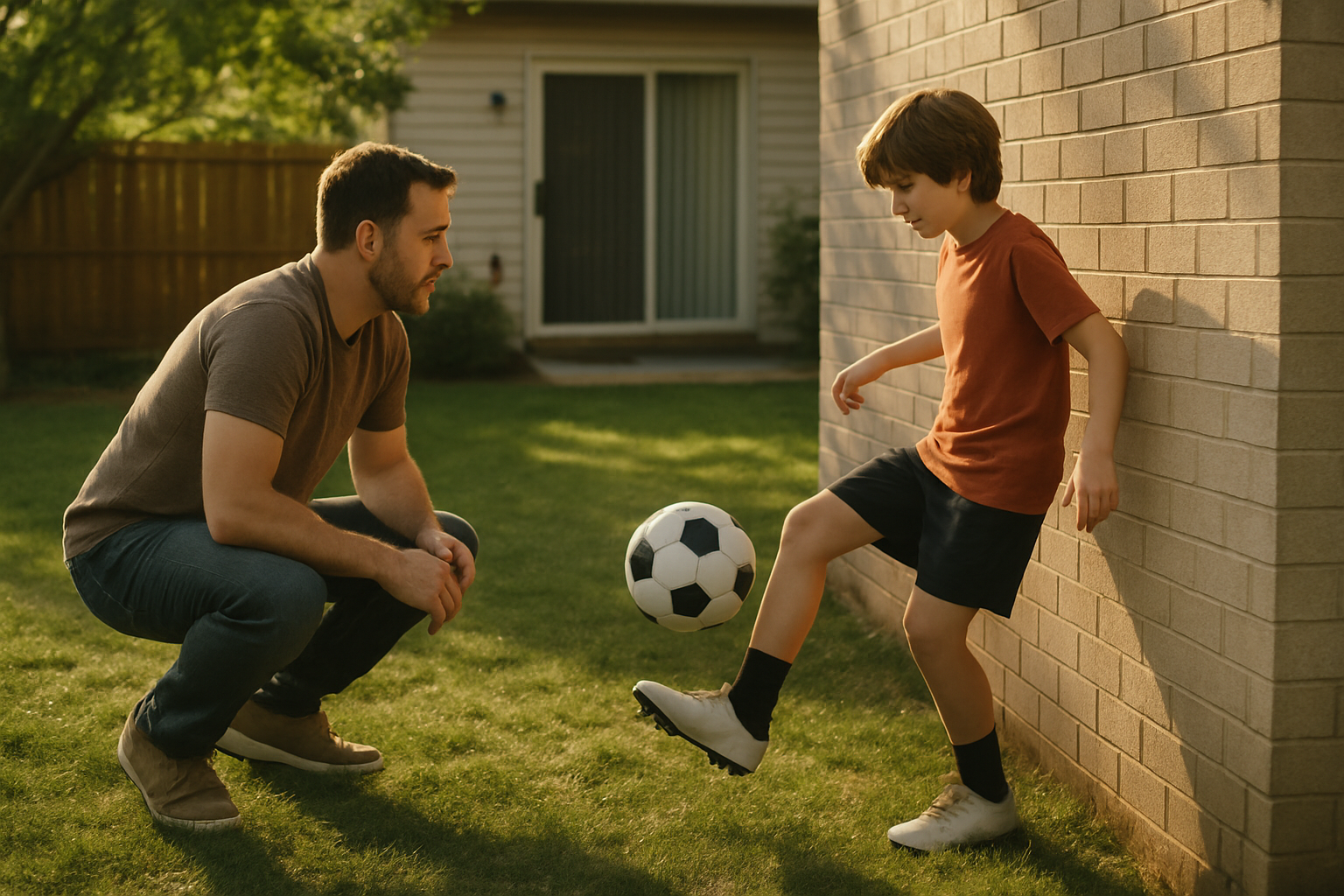
Home practice complements club training by reinforcing key technical skills and encouraging self-motivation. Simple activities such as ball control drills, passing against a wall, and small-sided games with family can boost confidence and football IQ.
Parents should encourage short, focused sessions rather than long hours to maintain quality and player enjoyment. Supporting reflection after practice helps young players internalize learning and set future goals.
Helping Children Balance Football and School
Balancing football with education ensures players develop holistically without burnout. Parents can help by establishing clear routines that allocate time for homework, rest, and football activities.
Encouraging communication between the player, coaches, and teachers helps create realistic schedules and expectations supporting both academic and athletic growth.
Conclusion
Identifying signs your child is serious about football is a critical step for parents committed to supporting meaningful development. By recognizing passion through consistent effort, goal-setting, and openness to learning, parents can provide encouragement rooted in long-term growth. Effective support includes fostering structured training habits, ensuring balance with education and rest, and maintaining constructive communication with clubs and coaches. Together, these elements create an environment where young players thrive sustainably, making football a rewarding part of their broader development journey. Parents and coaches who emphasize structured progression over short-term results contribute to building confident, skilled players who enjoy football for years to come. For additional guidance, parents may explore support resources for young football players and their parents to deepen their understanding and aid their child’s football pathway.
What are signs your child is serious about football?
Signs include consistent enthusiasm for training, practicing skills independently, asking questions about the game, setting goals, and positively receiving feedback.
How to improve football skills at home for young players?
Use short, focused sessions with drills like ball control, passing against a wall, and small-sided games to reinforce technical skills and build confidence.
Why am I not seeing improvement in my child’s football skills?
Improvement may stall if training is inconsistent, lacks focus on key skills, or if balance with rest and schoolwork is missing. Structured practice helps progress.
How to support a young football player without causing pressure?
Encourage routine and discipline, celebrate effort over results, communicate openly, and help balance football with school and rest to avoid burnout.
Why do players struggle to stay committed to football?
Players may lose commitment due to high pressure, unrealistic expectations, lack of proper feedback, or failure to balance football with other life activities.
What is the best age to start structured football training?
Structured training often begins around age 6–8, focusing on enjoyment and basic skills; serious commitment usually appears between 9 and 12, when clubs provide more structured programs.
How long does it take for a young player to show progress in football?
Progress varies but typically becomes noticeable after consistent training over 6 to 12 months, especially when supported by structured development and feedback.
.jpg)
Related Articles
 Read More about How to Communicate Effectively with Parents in Football Academies
How to Communicate Effectively with Parents in Football Academies
.jpg) Read More about How to Choose a Football Academy: What Parents Need to Know
Read More about How to Choose a Football Academy: What Parents Need to KnowHow to Choose a Football Academy: What Parents Need to Know
Latest Articles
 Read More about How Sports Academies Can Reduce Admin Work for Coaches
How Sports Academies Can Reduce Admin Work for Coaches
 Read More about How to Build Age-Wise Player Development Pathways in Football and Cricket
How to Build Age-Wise Player Development Pathways in Football and Cricket
 Read More about Tournament Management Software for Football and Cricket Organizers: A Practical Guide
Tournament Management Software for Football and Cricket Organizers: A Practical Guide
Ready to Bring Structure to Your Academy?
Let’s walk through your current setup and show you how 8lete can improve it.


