



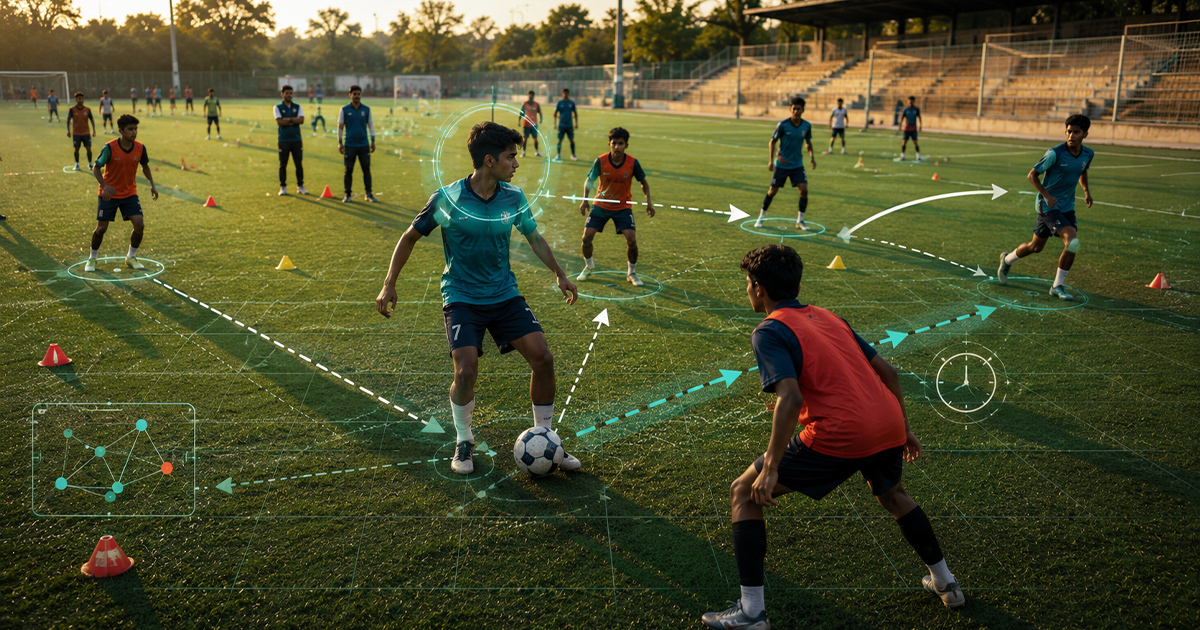
How to Improve Decision-Making in Youth Football: Practical Steps for Players and Parents
Improving decision-making in youth football is essential for players aiming to progress and enjoy the game beyond just physical skills. Many young players and their parents notice that despite technical ability, making quick and correct choices during a match is a consistent challenge. This article explores practical ways to nurture smarter decisions on the pitch through structured training and cognitive development tailored for grassroots environments.
What Is Decision-Making in Youth Football?
Decision-making in youth football refers to a player’s ability to choose the best course of action quickly during a game. This involves reading the game environment, anticipating teammates' and opponents' movements, and selecting skills or tactics that increase chances of success. It is a blend of mental skills and practical football understanding developed over time.
Developing decision-making early supports a player’s game intelligence, helping them become more composed and effective. This skill grows through experience, structured training, and reflecting on game situations, not merely from physical practice alone.
Why Players Struggle with Decision-Making at Youth Level
Many young footballers struggle because they focus heavily on technical execution without enough emphasis on game context. When players don’t experience real match-like scenarios in training or lack guided feedback, their choices during games tend to be slower or less effective. Anxiety and pressure from parents or coaches can further cloud judgment, creating hesitation.
In grassroots settings, inconsistent training structures and limited repetition of decision-focused drills can cause gaps in developing this crucial skill. It’s important for coaches and parents to recognize the difference between physical ability and football intelligence when supporting growth.

How to Improve Decision-Making in Youth Football
Improving decision-making requires targeted practice that mimics match conditions and challenges players to think quickly. This can be developed through: decision-making drills for young footballers designed to simulate game pressures and choices.
Examples include small-sided games focusing on quick passing options, restricted touch drills to accelerate thinking, and cognitive training exercises that enhance awareness and anticipation. These methods train the brain alongside physical skills—building mental sharpness, tactical understanding, and confidence in choices.
Integrating Cognitive Training in Youth Soccer
Cognitive training in youth soccer supports players in processing information faster and improving memory related to game situations. Techniques such as video analysis, pattern recognition activities, and simple decision-making quizzes help embed knowledge that can be retrieved during games.
Coaches can use football training techniques for kids that include these elements to encourage deeper understanding. For players and parents, knowing that mental skills form part of development emphasizes patience with progress and encourages holistic training beyond running or ball control.
Effective decision-making develops with practice, reflection, and realistic game challenges—not shortcuts.
Practical Implementation for Grassroots Clubs
Grassroots clubs can build decision-making development into weekly sessions by structuring training around game intelligence alongside physical drills. Designing sessions where players face varied scenarios encourages adaptability and sharper judgment.
Incorporating small-sided games, mixed age group activities, and progression-based challenges supports long-term growth. Clubs should track player development, giving feedback focused on decision quality, not just outcomes, and integrate sports performance analysis tools gently for feedback that players and parents can understand.
Common Development Mistakes
A common mistake is overemphasizing physical replication of elite drills without considering cognitive readiness. Pushing young players into complex tactical concepts too early can overwhelm them instead of fostering confidence and decision-making. Repetition without reflection or feedback also limits learning.
Parents and coaches sometimes expect quick results, which can lead to pressure rather than positive learning environments. Focusing on structured training systems that include cognitive growth alongside technical skills is a more effective pathway for sustainable development.

Developing a Simple Training Framework for Decision-Making
A practical framework to improve decision-making includes four steps: Training → Feedback → Reflection → Application. Each training session offers players real-time challenges, coaches provide constructive feedback, players then reflect on choices made, and finally practice applying these insights in matches or varied drills.
This cycle nurtures active learning, improving mental skills steadily. Encouraging players and parents to be patient with this process is essential, as decision-making grows through experience over time rather than overnight.
Conclusion
Improving decision-making in youth football is a long-term commitment requiring structured training, cognitive growth, and supportive environments for players to learn from both success and mistakes. For players, it means more than just ball control—it is about understanding the game, anticipating play, and confidently making the best choices under pressure. Coaches must create training sessions emphasizing real match scenarios and feedback, while parents play a vital role by encouraging patience and understanding in the development journey. By focusing on structured learning cycles that integrate technical, tactical, and mental skills, grassroots football programs can build smarter, more effective players who are ready for sustained progression and match challenges. For those seeking further guidance on building long-term football skills, exploring comprehensive player development resources can provide additional structured pathways aligned with this philosophy.
What is decision-making in youth football?
Decision-making in youth football is choosing the best action quickly during matches by reading the game and anticipating movements.
How to improve decision-making in football at a young age?
Practice targeted drills that simulate game situations, use small-sided games, and integrate cognitive training exercises to develop faster thinking.
Why am I not improving my decision-making during matches?
Lack of real match-like training, pressure, and insufficient feedback can slow decision-making development in young players.
How can parents help improve their child's football decision-making?
Parents can support by encouraging patience, understanding long-term growth, and fostering a positive learning environment.
What are effective drills for developing decision-making in young footballers?
Small-sided games, limited touch drills, and cognitive challenges like pattern recognition help sharpen decision skills.
Best age to start focused decision-making training in football?
Introducing game intelligence and decision-making practices during early adolescence (10–14 years) helps build a strong foundation.


Related Articles
 Read More about How Football Academies Can Build Better Player Development Reports
How Football Academies Can Build Better Player Development Reports
 Read More about How to Balance School and Football Training Without Burnout for Youth Players
How to Balance School and Football Training Without Burnout for Youth Players
 Read More about Best Football Apps for Players and Coaches in India: Enhancing Grassroots Development
Best Football Apps for Players and Coaches in India: Enhancing Grassroots Development
Latest Articles
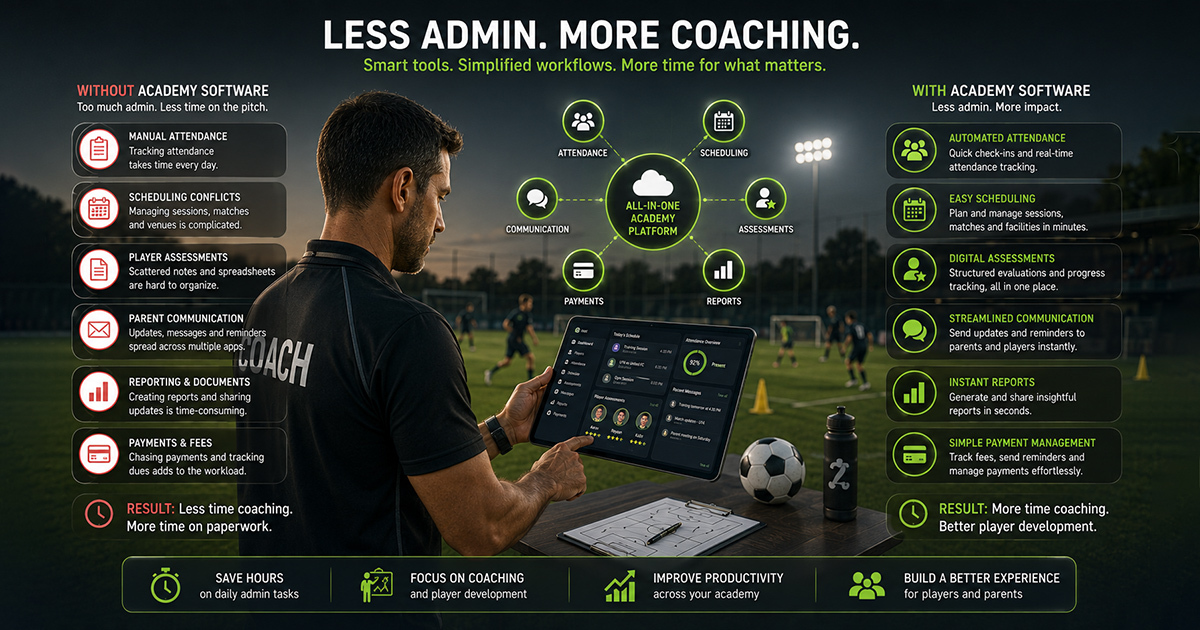 Read More about How Sports Academies Can Reduce Admin Work for Coaches
How Sports Academies Can Reduce Admin Work for Coaches
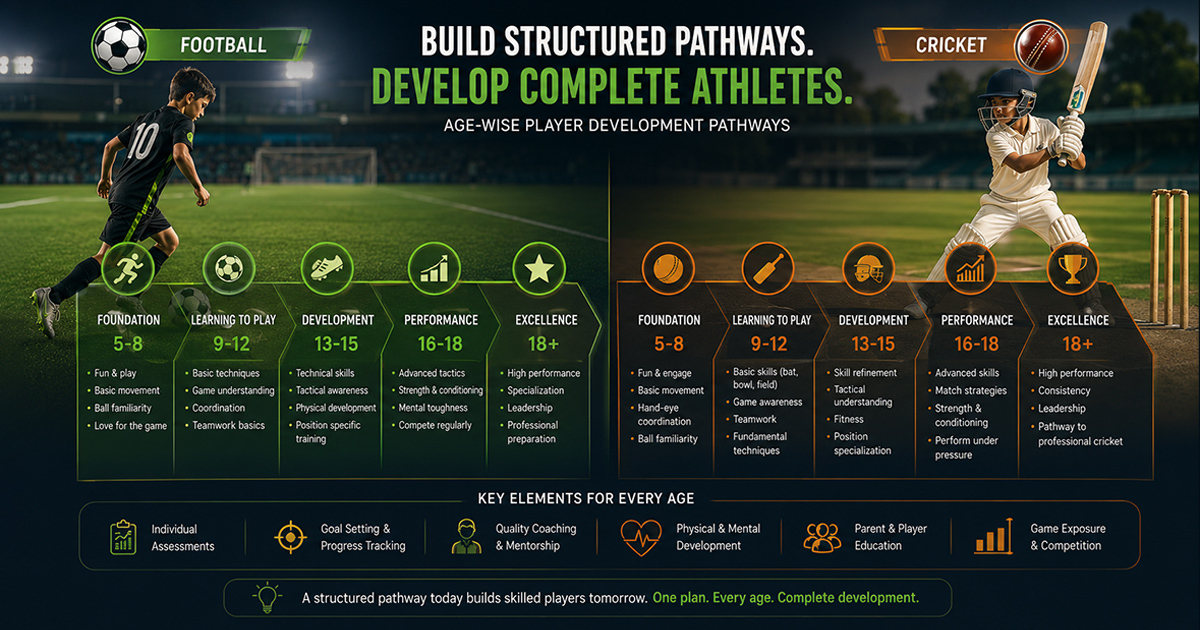 Read More about How to Build Age-Wise Player Development Pathways in Football and Cricket
How to Build Age-Wise Player Development Pathways in Football and Cricket
 Read More about Tournament Management Software for Football and Cricket Organizers: A Practical Guide
Tournament Management Software for Football and Cricket Organizers: A Practical Guide
Ready to Bring Structure to Your Academy?
Let’s walk through your current setup and show you how 8lete can improve it.


