



How Academies Can Use Monthly Player Reports to Improve Retention
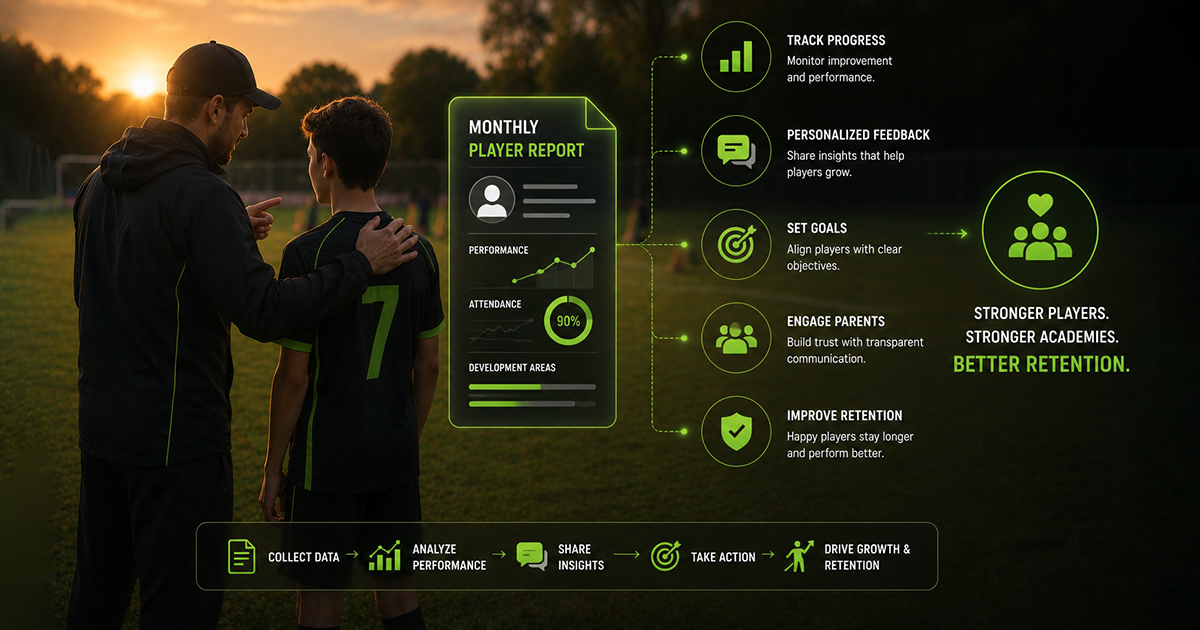
Monthly player reports for retention are structured summaries of a player's training attendance, progress, strengths, areas for improvement, and development goals shared regularly by academies to players and their parents. These reports address a key challenge in grassroots sports: keeping players engaged and committed long-term despite fluctuations in motivation, performance, or competing priorities. By providing clear, consistent feedback and progress tracking through monthly reports, academies can foster trust, maintain motivation, and enhance communication—critical factors for reducing dropouts and building sustainable development pathways.
Key Benefits of Monthly Player Reports for Retention
Monthly player reports serve as a tool to maintain player focus, engage parents, and support coaches in structured development. They help translate training efforts into visible progress and goals, encouraging continued participation.
These reports enable academies to monitor attendance discipline, deliver personalized coach feedback, and track player assessments regularly. This structured visibility helps players stay motivated, while parents remain informed and involved in their child’s journey, which research and experience consistently show improves player retention.
A Framework for Using Monthly Player Reports Effectively
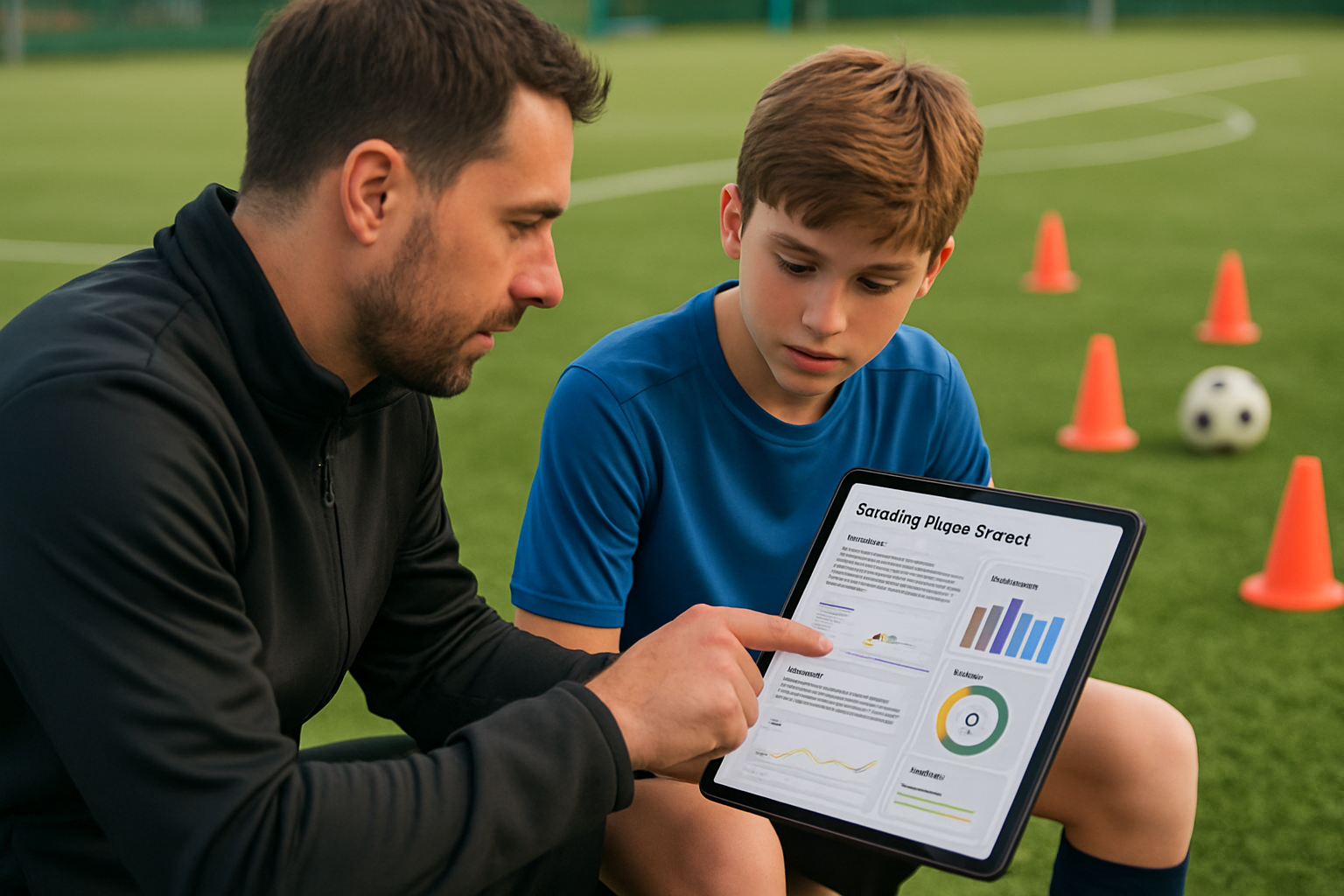
Implementing monthly player reports successfully requires a comprehensive approach that addresses both data collection and communication. Here is a practical framework for academies:
1. Attendance Tracking – Accurate recording of player attendance in training and matches to understand commitment and identify dips early.
2. Performance Assessment – Regular measurement of key skills and fitness parameters tailored to age and development stage.
3. Coach Feedback – Qualitative notes from coaches highlighting improvements, technical corrections, and attitude.
4. Goal Setting – Specific, measurable development goals set monthly to guide focused training.
5. Parent Communication – Summarizing information clearly for parents with actionable insights and ways to support at home.
6. Player Reflection – Including player self-assessment to build awareness, ownership, and growth mindset.
7. Data Analysis – Using collected data to spot trends, inform batch planning, and personalize coaching interventions.
Role-Wise Responsibilities in Monthly Player Reports
Players need to engage actively with feedback, set personal goals monthly, and communicate challenges openly. For example, a young football player might focus on improving first touch and review progress each month.
Coaches should maintain detailed session notes, update assessments consistently, and provide constructive, specific feedback. A coach noticing a player struggling with positioning can highlight this in the report with tips and drills.
Parents must understand the report’s content, avoid pressuring short-term results, and support consistent training habits at home. For instance, a parent informed about their child’s attendance pattern can encourage better discipline.
Academy Owners are responsible for building systems to automate report generation, ensure data accuracy, and train staff on timely communication. This might include integrating attendance management, assessment tools, and coach workflows into a unified platform.
Age-Wise Implementation of Monthly Player Reports
Tailoring monthly reports by age group helps keep content relevant and understandable. For example:
U8–U10: Focus on attendance, basic skill checklists, and simple coach comments to build habits and confidence.
U11–U14: Include technical and tactical skill progress, fitness tracking, and clear monthly goals with parent guidance.
U15–U18: Add detailed data on physical conditioning, mental aspects such as confidence, video feedback links, and player self-reflection sections to promote ownership.
This progression allows reports to remain meaningful, motivating, and actionable at each development stage.
“Structured monthly feedback transforms effort into clear progress, keeping players engaged month after month.
Structured monthly feedback transforms effort into clear progress, keeping players engaged month after month.
"Structured monthly feedback transforms effort into clear progress, keeping players engaged month after month."
Practical Checklist
Use this checklist to ensure your monthly player reports effectively contribute to retention:
- ✔ Are attendance records complete and reviewed before report generation?
- ✔ Does the report include both quantitative data and qualitative coach feedback?
- ✔ Are monthly development goals individualized and time-bound?
- ✔ Is there a clear section for player self-assessment or reflection?
- ✔ Are parents given practical advice on how to support player progress?
- ✔ Is the language clear and free from technical jargon for non-coach readers?
- ✔ Are reports delivered consistently on schedule to build expectation and trust?
- ✔ Do reports highlight progress and not just weaknesses to maintain player motivation?
- ✔ Is there a system to follow up on reports with face-to-face or virtual coach-parent-player discussions?
- ✔ Are data and insights from reports used for planning upcoming sessions and batches?
Common Mistakes
Mistake 1: Reports are too generic or copy-pasted – this reduces player and parent engagement because feedback feels impersonal.
Fix: Customize reports using specific data and coach notes for each player, encouraging ownership and trust.
Mistake 2: Delayed or inconsistent report delivery – causes loss of momentum and parental confidence.
Fix: Establish automated reminders and workflows to ensure reports go out on a fixed monthly date.
Mistake 3: Overloading reports with data without clear explanations – overwhelms non-technical readers.
Fix: Use simple summaries, highlight key points, and explain what numbers or ratings mean in practical terms.
Mistake 4: Neglecting parent and player communication – sending reports but no follow-up conversations.
Fix: Schedule monthly or quarterly meetings to discuss reports, answer questions, and set mutual expectations.
Mistake 5: Relying solely on match performance data – misses broader training and attitude aspects critical for retention.
Fix: Include attendance, attitude, training effort, and fitness alongside match stats for a holistic view.

An 8lete-Aligned Workflow for Monthly Player Reports
Leveraging a structured workflow improves report accuracy and retention impact. Consider this monthly cycle:
Session Planning → Attendance Marking → Skill & Fitness Assessment → Coach Notes → Generate Player Report → Parent & Player Communication → Set Next Month’s Goals
Each step feeds directly into the next, creating an efficient loop. For example, accurate attendance marking informs coach observations and helps identify engagement issues. Coach notes drawn from assessments feed personalized player reports, which in turn set clear, actionable goals discussed with parents and players. This cyclical approach ensures transparency and continuous monitoring, reducing dropout risks.
Grassroots Examples of Monthly Player Reports Improving Retention
Example 1: A football academy noticed frequent no-shows in the U12 group. After introducing monthly reports highlighting attendance trends and personalized messages to parents, attendance improved by 20% within three months, and player commitment visibly increased.
Example 2: Coaches at a multisport academy added player self-assessment sections in reports for U14 athletes. Players reported feeling more ownership of their progress, leading to increased motivation and fewer dropouts during school exam periods.
Example 3: An academy used monthly reports to flag and discuss passing technique weaknesses of a U16 football player with both player and parents. Targeted extra training and clear communication helped the player improve focus and enthusiasm to continue training.
FAQ
What is included in a monthly player report for retention?
Monthly player reports typically include attendance records, skill and fitness assessment results, coach feedback, player self-reflection, development goals, and practical advice for improvement. They summarize progress to motivate players and keep parents informed.
How can academies improve player retention using monthly reports?
Academies can improve retention by delivering consistent, personalized feedback, setting clear monthly goals, engaging parents with understandable summaries, and creating follow-ups. This consistent communication builds trust and commitment.
Why do players struggle to maintain motivation without structured reports?
Without visibility on their progress, players often feel uncertain about improvement and goals. Structured reports clarify where they stand, what is expected, and provide encouragement, which fuels motivation and consistency.
How often should the reports be reviewed with parents and players?
While monthly reports are regular touchpoints, quarterly meetings or conversations deepen understanding, address concerns, and reset goals. This balanced approach avoids overload while maintaining engagement.
What is the best age to start monthly player reporting?
Basic progress summaries can start as early as U8–U10 with simple attendance and skill tracking. More detailed, goal-oriented reports become beneficial from U11 onwards as players can understand and act on feedback better.
Conclusion
Integrating monthly player reports for retention is a practical, development-focused strategy that empowers all stakeholders—players, coaches, parents, and academy owners—to align on progress and expectations. Clear attendance tracking combined with personalized coach feedback fosters discipline and motivation in players. When parents receive transparent and actionable insights, their support deepens, reducing dropout risks. For academies, formalizing this communication workflow through reliable systems ensures consistency and builds trust, which is crucial for long-term success. Structured monthly reporting is not just an operational task but a vital connection point that links training efforts to visible growth, nurturing sustained engagement with sports. By applying this approach with patience and purpose, academies create an environment where players feel seen, supported, and inspired to continue their development journey through every stage of grassroots sport.
What is included in a monthly player report for retention?
Monthly player reports typically include attendance records, skill and fitness assessment results, coach feedback, player self-reflection, development goals, and practical advice for improvement. They summarize progress to motivate players and keep parents informed.
How can academies improve player retention using monthly reports?
Academies can improve retention by delivering consistent, personalized feedback, setting clear monthly goals, engaging parents with understandable summaries, and creating follow-ups. This consistent communication builds trust and commitment.
Why do players struggle to maintain motivation without structured reports?
Without visibility on their progress, players often feel uncertain about improvement and goals. Structured reports clarify where they stand, what is expected, and provide encouragement, which fuels motivation and consistency.
How often should the reports be reviewed with parents and players?
While monthly reports are regular touchpoints, quarterly meetings or conversations deepen understanding, address concerns, and reset goals. This balanced approach avoids overload while maintaining engagement.
What is the best age to start monthly player reporting?
Basic progress summaries can start as early as U8–U10 with simple attendance and skill tracking. More detailed, goal-oriented reports become beneficial from U11 onwards as players can understand and act on feedback better.

Related Articles
 Read More about Digital Player Record Management for Academies: How Football and Cricket Clubs Can Modernize
Digital Player Record Management for Academies: How Football and Cricket Clubs Can Modernize
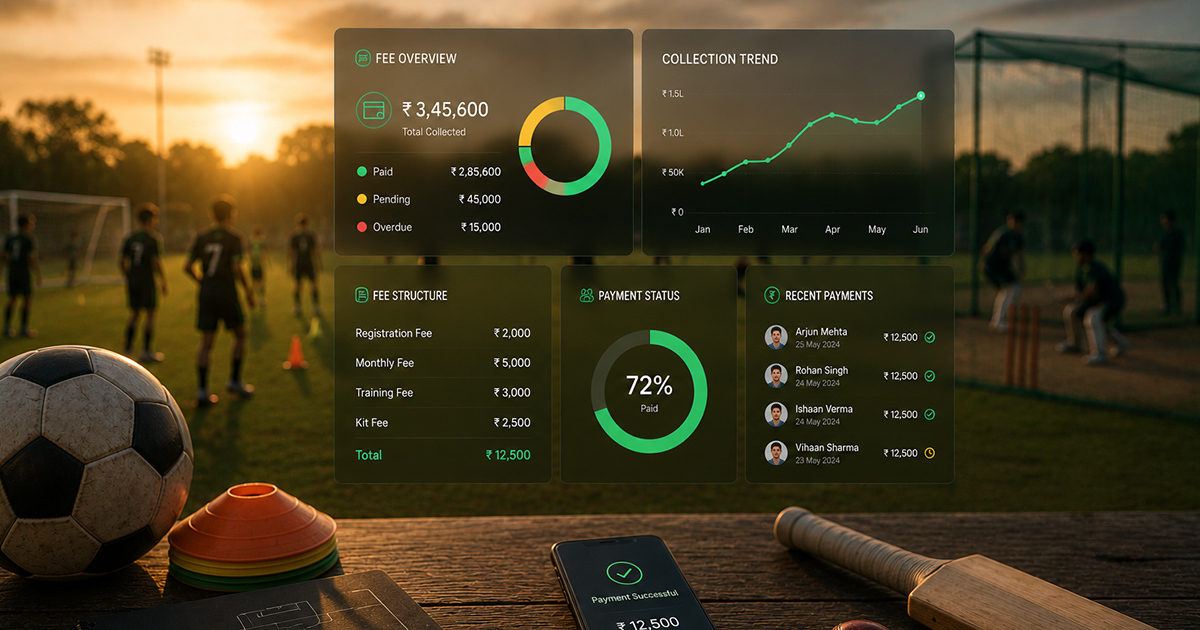 Read More about Academy Fee Management Software for Football and Cricket Clubs: A Practical Guide
Academy Fee Management Software for Football and Cricket Clubs: A Practical Guide
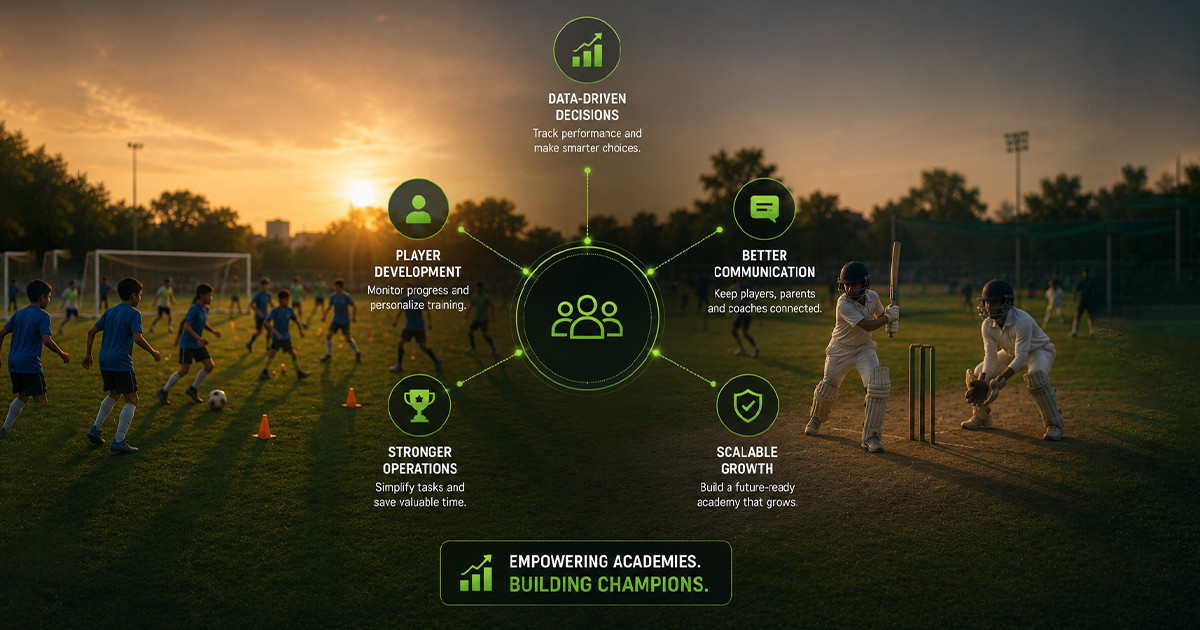 Read More about Digital Transformation in Football and Cricket Academies: A Guide for Grassroots Growth
Digital Transformation in Football and Cricket Academies: A Guide for Grassroots Growth
Latest Articles
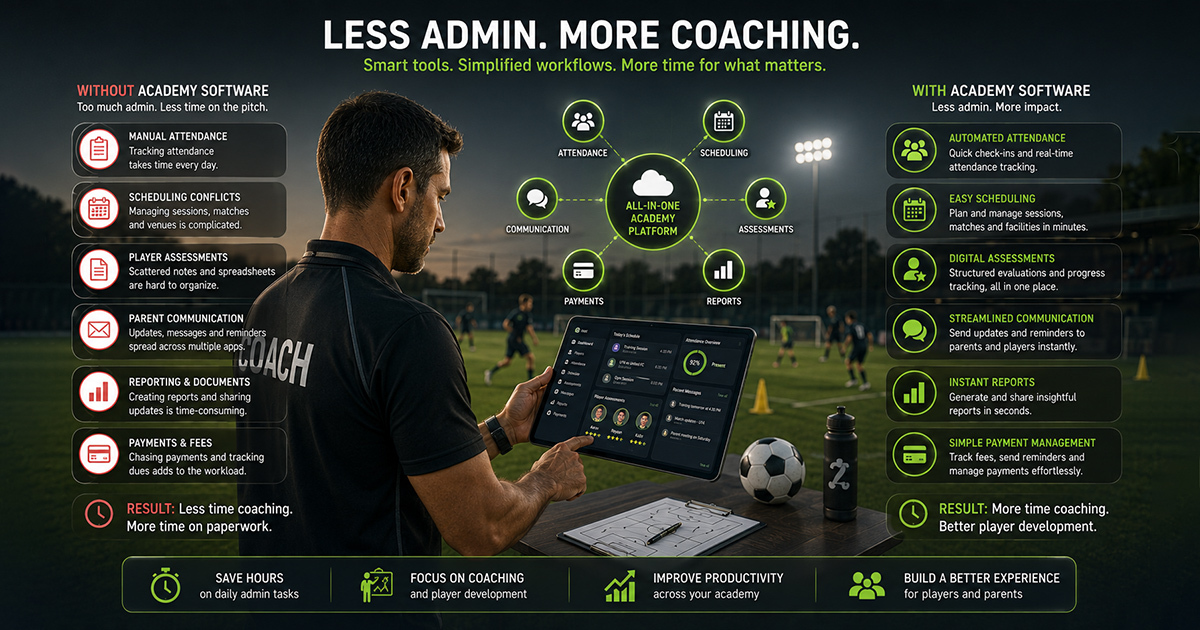 Read More about How Sports Academies Can Reduce Admin Work for Coaches
How Sports Academies Can Reduce Admin Work for Coaches
 Read More about How to Build Age-Wise Player Development Pathways in Football and Cricket
How to Build Age-Wise Player Development Pathways in Football and Cricket
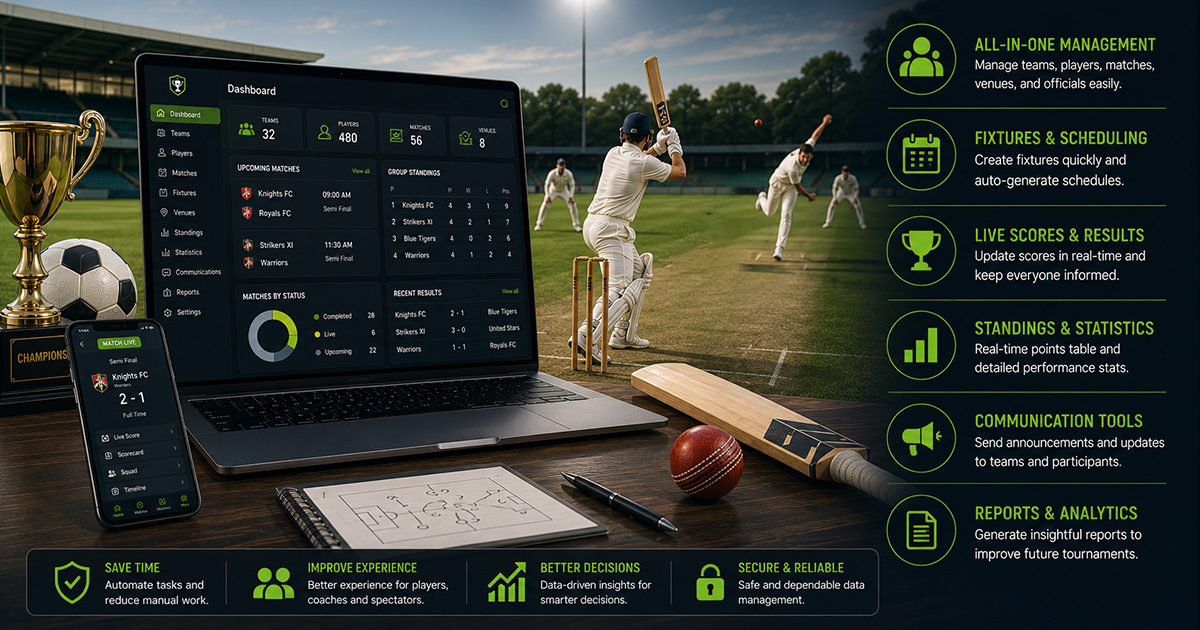 Read More about Tournament Management Software for Football and Cricket Organizers: A Practical Guide
Tournament Management Software for Football and Cricket Organizers: A Practical Guide
Ready to Bring Structure to Your Academy?
Let’s walk through your current setup and show you how 8lete can improve it.


