




Digital Player Record Management for Academies: How Football and Cricket Clubs Can Modernize
Digital player record management for academies is a systemized approach to capturing, storing, and analyzing players’ development data in football and cricket clubs. Many grassroots academies struggle with scattered paper records and manual tracking, which hinders consistent player development, parent communication, and operational efficiency. By digitizing player data, academies can achieve clear, organized, and accessible records that support long-term player progress and streamline overall operations. This article offers a practical guide on how football and cricket academies can transition from manual methods to digital ecosystems, maximizing benefits for players, coaches, parents, and academy managers.
What is Digital Player Record Management for Academies?
Digital player record management involves using software tools to collect and maintain detailed player profiles, training attendance, skills assessments, match performance, and related feedback in a centralized digital platform. It replaces traditional paper registers and fragmented spreadsheets with reliable, real-time access for coaches, academy staff, and parents.
This approach enhances transparency, accountability, and consistency in player development while reducing administrative errors and time spent on paperwork. For grassroots football and cricket academies, digital record management becomes a foundational element to track progress and adapt training plans effectively.
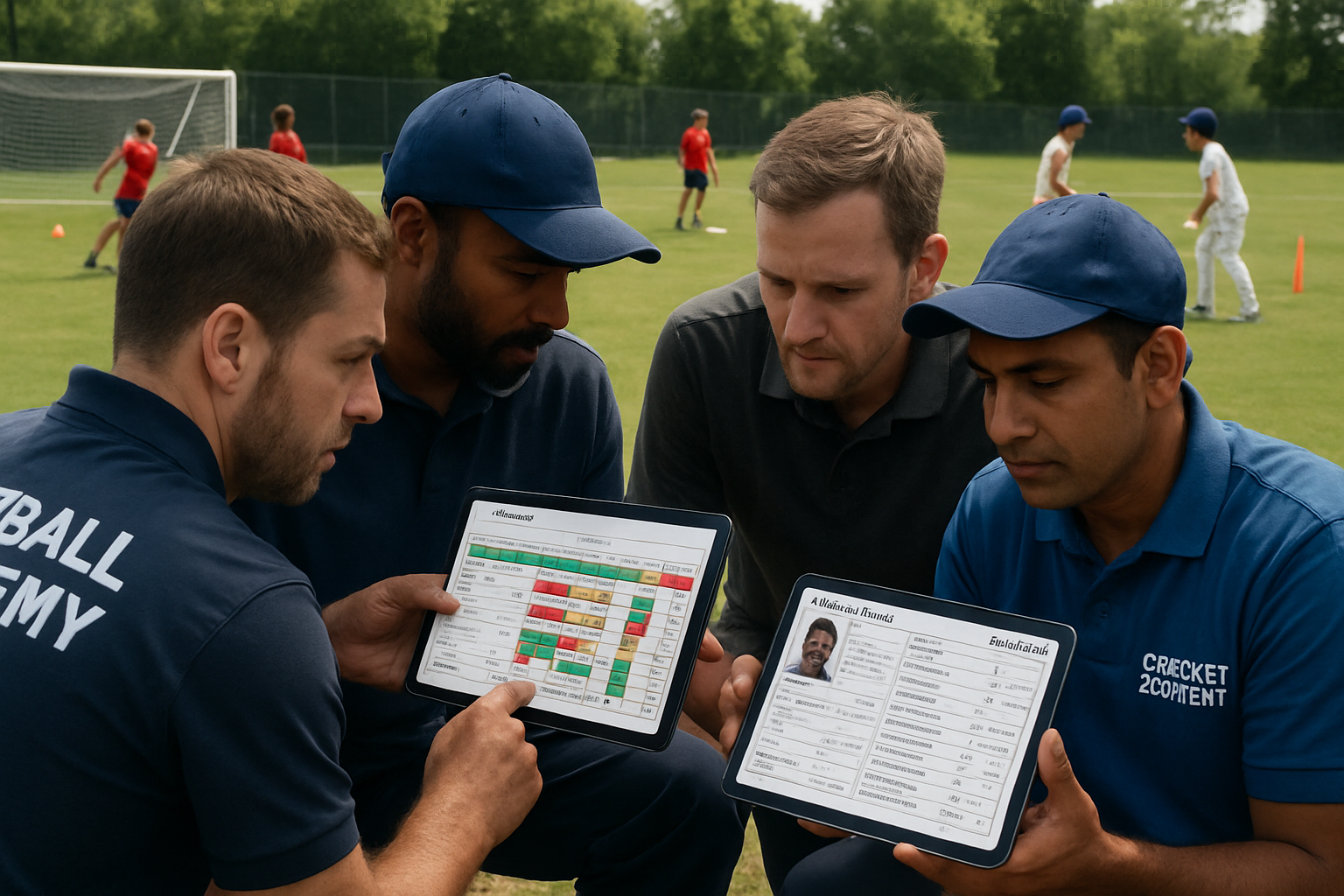
A Practical Framework for Digitizing Player Records
Successfully digitizing player data requires following a clear, stepwise framework that integrates with an academy’s existing workflows while emphasizing development goals. Here’s a six-point framework designed for football and cricket academies:
1. Digitize Basic Player Profiles: Start by creating complete digital records with personal details, contact info, medical history, and training groups. This ensures all key data is centrally accessible.
2. Implement Attendance and Batch Management: Track player attendance during training and matches automatically to understand discipline and availability trends. Group players into age- or skill-appropriate batches.
3. Conduct Structured Skill Assessments: Use digital assessment tools customized for football or cricket skills to record technical and physical performance metrics regularly.
4. Maintain Coach Notes and Feedback: Integrate session-by-session coach observations and feedback linked directly to player records to support targeted improvement.
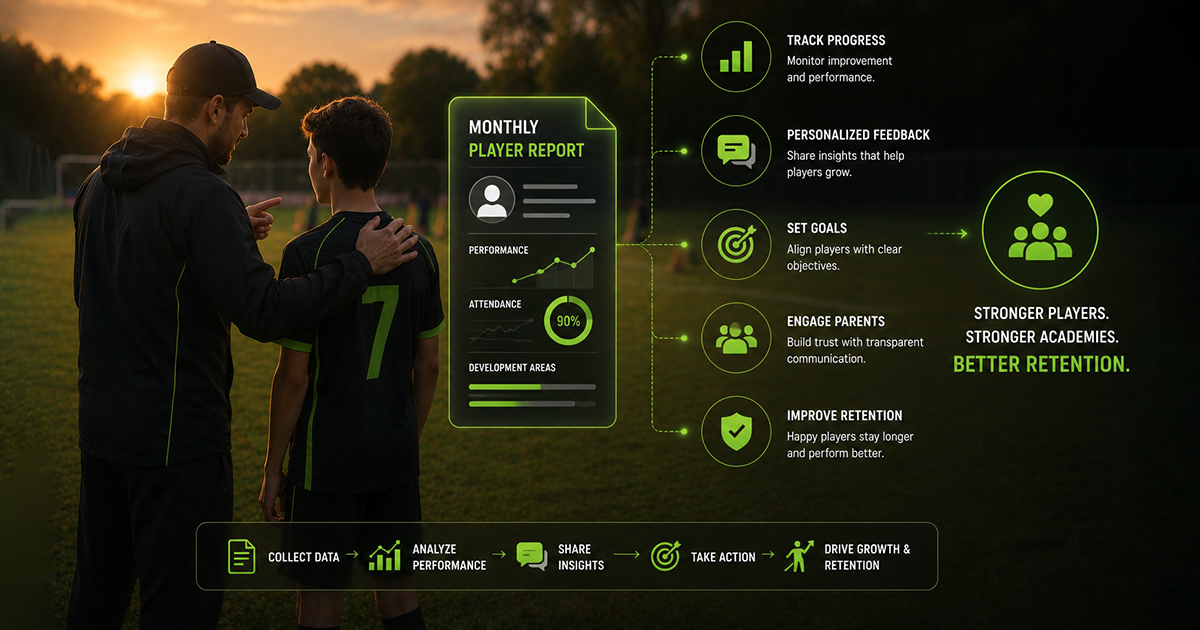
5. Share Progress Reports and Parent Communication: Digitally generate player progress summaries and share them with parents to enhance transparency and involvement.
6. Use Data Analytics for Long-Term Development: Analyze aggregated player data trends to identify strengths, weaknesses, and growth patterns, informing coaching decisions and academy planning.
Role-Wise Digital Record Management Benefits and Actions
Players: Gain clarity on their own progress through personal dashboards, helping them take ownership of development by focusing on specific skills or physical targets.
Coaches: Access up-to-date player data to tailor sessions, track attendance, and give consistent, documented feedback, enabling better session planning and individual support.
Parents: Receive timely, easy-to-understand updates on attendance, assessments, and overall progress, fostering trust and support for the development process rather than guessing or reacting to informal reports.
Academy Owners: Improve administrative efficiency with centralized data management that reduces paperwork errors and facilitates batch and fee management. Digital records support transparent accountability and future planning.
Age-Wise Implementation: Adapting Digital Records for Development Stages
U10–U12 (Foundations): Focus on basic profile digitization, attendance capture, and initial skill assessments that prioritize coordination and ball mastery for football or basic batting and bowling drills for cricket.
U13–U15 (Skill Consistency): Include regular technical assessments, coach notes, and early progress reports. Track player attendance patterns for discipline insights and begin parent communication routines.
U16–U18 (Advanced Skills and Performance): Use detailed digital records for tactical learning, match performances, physical conditioning, and mental skills. Generate detailed progress reports shared with parents and scouts.
U19–U21 (Specialization and Transition): Leverage data analytics for long-term development plans, individual performance trends, injury history, and fitness monitoring to guide progression or career decisions.
The 8lete-Aligned Workflow for Digital Player Records
A practical workflow to implement digital player record management involves:
Session Planning & Attendance → Skill & Performance Assessments → Coach Feedback Notes → Parent Progress Reports → Player Next Goals and Training Adjustments. This cyclical process ensures no data is lost, all insights lead to actionable steps, and communication flows continuously among all stakeholders.
For example, a cricket coach identifies a batter’s footwork issue in a net session (coach note) that is linked to recent skill assessment scores. A targeted progress report goes to the parent explaining the plan. The player then focuses on drills addressing that aspect in the next sessions, with attendance tracked and progress updated digitally.
“Consistent, digital tracking transforms scattered data into clear player development paths that benefit everyone involved.
Consistent, digital tracking transforms scattered data into clear player development paths that benefit everyone involved.
"Consistent, digital tracking transforms scattered data into clear player development paths that benefit everyone involved."
Common Mistakes in Digitizing Player Records and How to Fix Them
1. Relying on Partial Digitization: Some academies digitize only attendance but keep assessments on paper, causing disconnected data. Fix: Commit to full player record digitization from profiles to feedback and reports.
2. Ignoring Parent Communication: Digital records help only if parents see progress updates. Missing this step causes trust gaps. Fix: Use communication modules to share regular, clear reports automatically.
3. Lack of Coach Training on Tools: Coaches may resist or misuse digital systems without proper training. Fix: Provide hands-on sessions, explain benefits, and simplify workflows.
4. Overcomplex Systems Without Grassroots Focus: Adopting overly technical solutions makes staff overwhelmed. Fix: Select tools designed for grassroots academies, focusing on usability and essentials first.
5. Not Linking Data to Development Goals: Collecting data without connection to training plans leads to wasted effort. Fix: Integrate digital records into coaching cycles and player goal setting.

Practical checklist
Here is a practical checklist for football and cricket academies starting or improving digital player record management:
- 1. Has the academy created complete digital player profiles including contact and medical info?
- 2. Is player attendance tracked digitally for all sessions and matches?
- 3. Are structured skill assessments recorded digitally with predefined criteria for football or cricket?
- 4. Is coach feedback documented and linked to individual player records after each session?
- 5. Are progress reports generated automatically and shared regularly with parents?
- 6. Does the academy use batch grouping to manage players by age or skill digitally?
- 7. Are all digital records backed up and accessible on multiple devices for coaches and admins?
- 8. Is there training provided to coaches and staff on how to use digital management tools?
- 9. Does the digital system integrate fees and enquiry management where applicable?
- 10. Are insights from data analytics used to adjust coaching plans and player goals?
Three Grassroots Examples of Digitizing Player Records
In a cricket academy, coaches started using a digital assessment app to record bowling line and length data during nets, enabling focused drills for each bowler, replacing their prior handwritten notes prone to error and loss.
A football academy implemented digital attendance linked with batch management to identify players missing sessions consistently. This data allowed coaches to address attendance discipline early rather than discovering performance gaps late.
One grassroots academy struggled with parent trust due to unclear progress updates. Introducing automated digital reports from coach notes and assessments created transparency and improved parent-coach communication, reducing dropouts.
What is digital player record management for academies?
Digital player record management means using software tools to store and organize players’ personal details, attendance, skills assessments, and performance feedback in a centralized system, replacing manual registers and scattered notes.
How can academies start digitizing player data effectively?
Start with creating digital player profiles and tracking attendance via simple software, gradually adding skill assessments, coach feedback, and parent reports while training staff to use tools effectively.
How do digital player records improve coaching in football and cricket academies?
Digital records provide coaches with instant access to player progress, attendance, and assessments, enabling more targeted training plans, consistent feedback, and better monitoring of development over time.
Why do some academies struggle with digital transformation?
Challenges include lack of coach training, overcomplex tools, skipped parent communication, and disconnected data. Fixing these with user-friendly systems and integrated workflows helps smooth adoption.
How can parents benefit from academies using digital player records?
Parents receive timely, clear progress reports, enhancing trust and allowing them to support their child's development more effectively without relying on informal updates.
What age groups should be prioritized for digital record implementation?
Start with foundational age groups (U10–U12) for basic profiles and attendance, then expand assessments and reporting through older groups (U13–U21) aligned with increasing development complexity.
How long does it take to see benefits of digital player record management in grassroots academies?
Most academies observe improved organization and communication within a few months of implementation, but sustained benefits grow as data accumulates and informs coaching decisions.
Related Articles
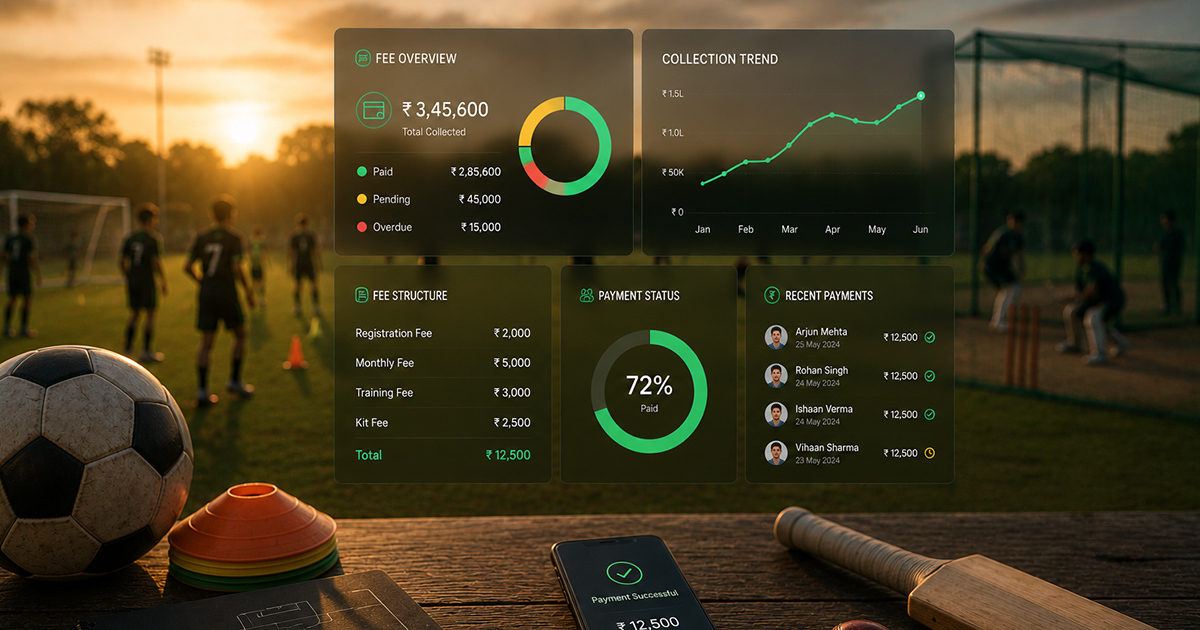 Read More about Academy Fee Management Software for Football and Cricket Clubs: A Practical Guide
Academy Fee Management Software for Football and Cricket Clubs: A Practical Guide
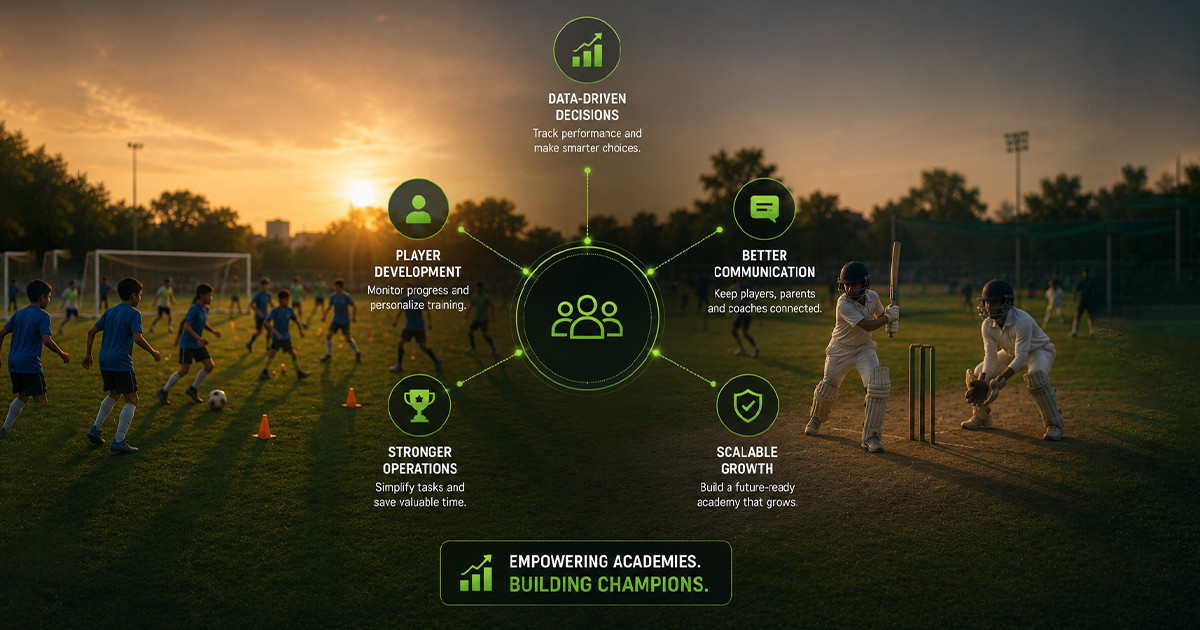 Read More about Digital Transformation in Football and Cricket Academies: A Guide for Grassroots Growth
Digital Transformation in Football and Cricket Academies: A Guide for Grassroots Growth
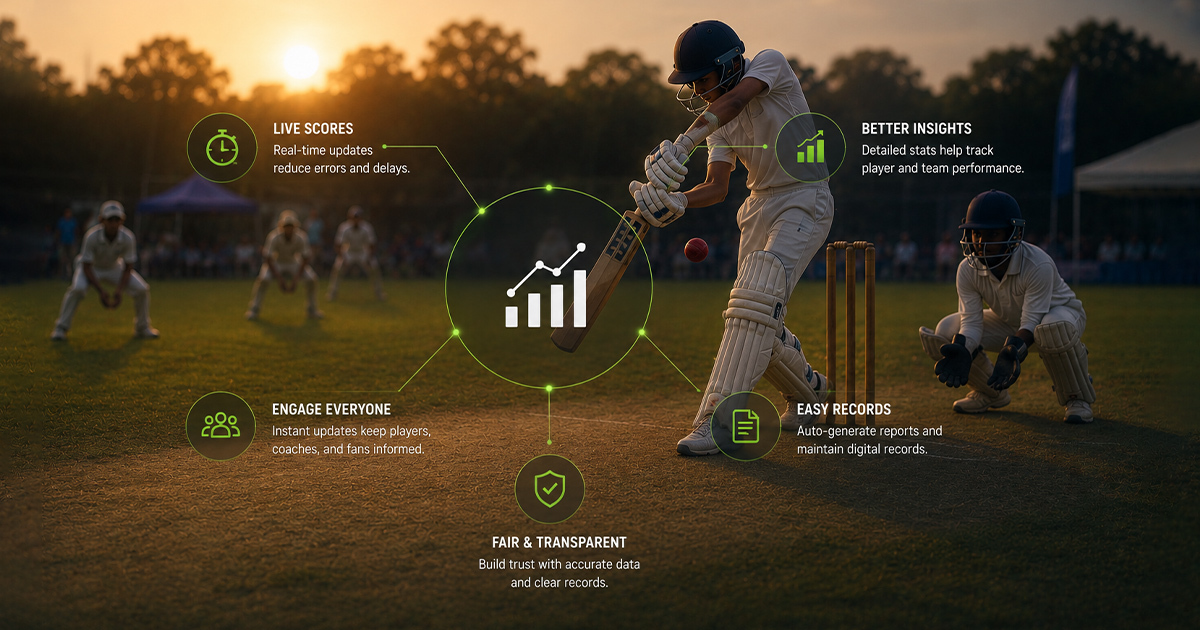 Read More about How Digital Scorekeeping Can Improve Grassroots Cricket Tournaments
How Digital Scorekeeping Can Improve Grassroots Cricket Tournaments
Latest Articles
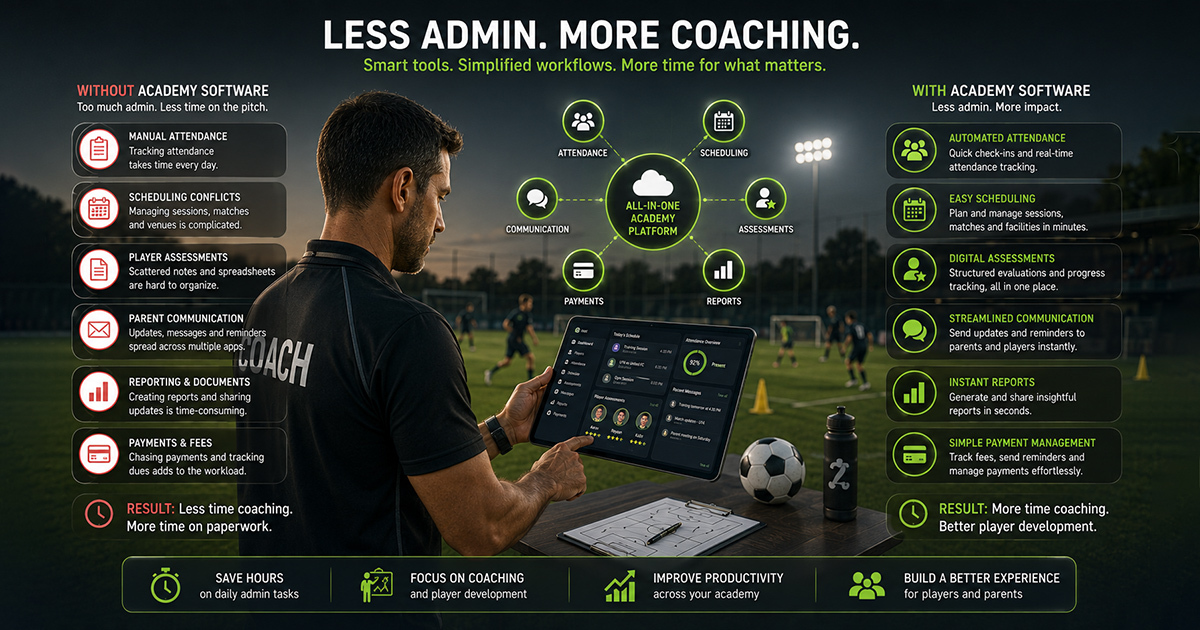 Read More about How Sports Academies Can Reduce Admin Work for Coaches
How Sports Academies Can Reduce Admin Work for Coaches
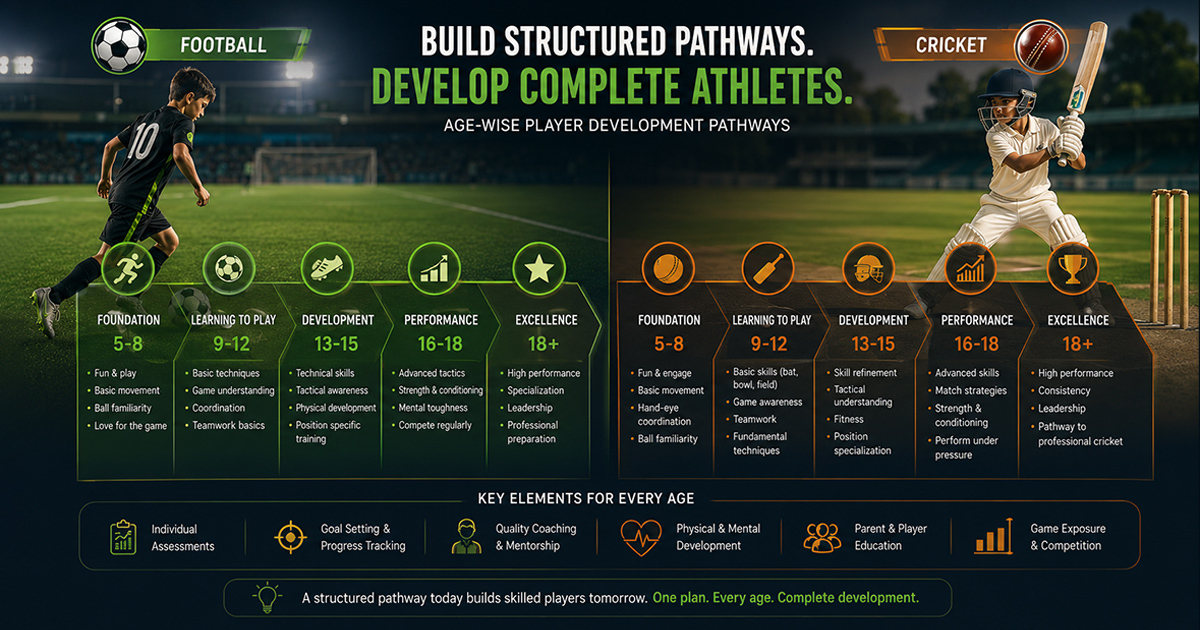 Read More about How to Build Age-Wise Player Development Pathways in Football and Cricket
How to Build Age-Wise Player Development Pathways in Football and Cricket
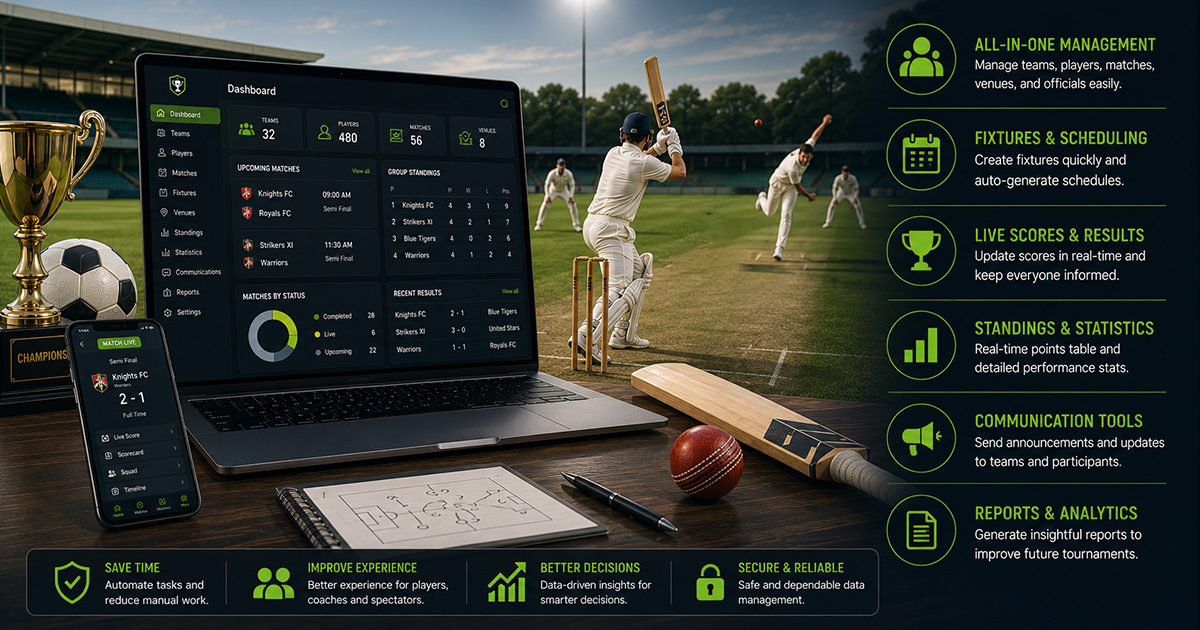 Read More about Tournament Management Software for Football and Cricket Organizers: A Practical Guide
Tournament Management Software for Football and Cricket Organizers: A Practical Guide
Ready to Bring Structure to Your Academy?
Let’s walk through your current setup and show you how 8lete can improve it.


