



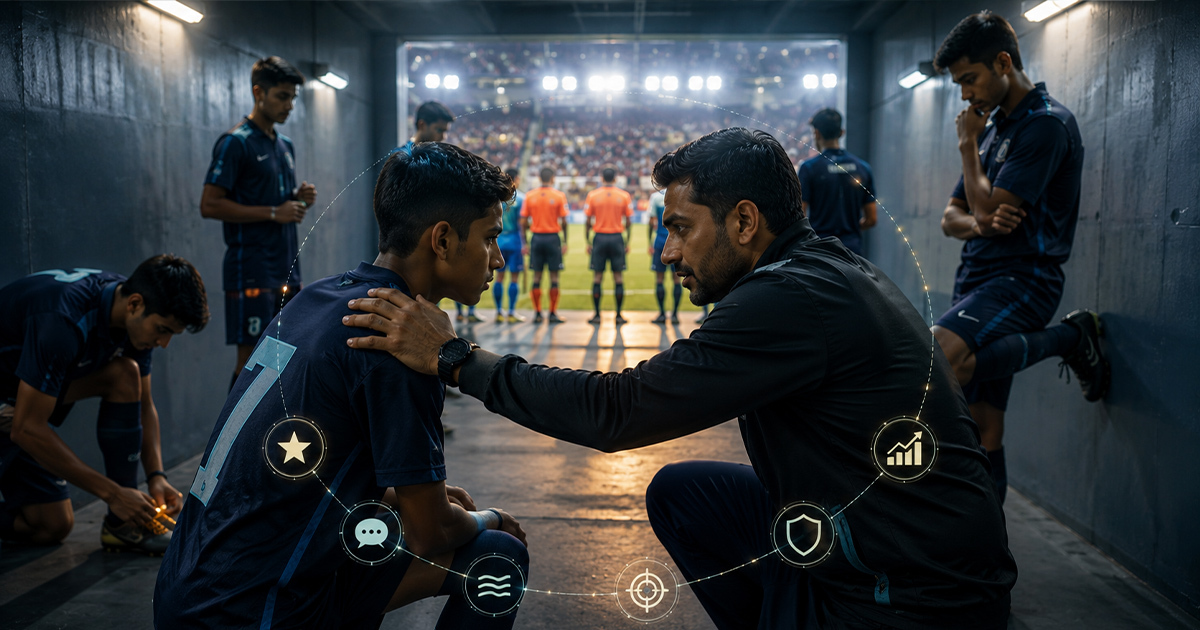
How Coaches Can Help Football Players Handle Match Pressure
Handling match pressure in football is a common challenge for young players, coaches, and parents alike. Many players struggle with nerves and anxiety during key moments, which can affect their performance and development. For coaches, understanding how to guide players through these experiences is essential to cultivating resilience and consistency on the pitch. This article explores practical strategies coaches can use to help youth footballers manage pressure effectively, reinforcing long-term mental toughness and confidence.
What Is Handling Match Pressure in Football?
Handling match pressure in football refers to a player’s ability to manage the emotional and mental stress that arises during competitive games. It involves staying calm, focused, and making good decisions despite the high-stakes environment. This skill is crucial for performance but also for a player’s ongoing development and enjoyment of the sport.
Coaches play a key role in fostering this ability by integrating mental toughness training and stress management techniques suited for youth players. The process begins well before matchday, rooting in preparation and a positive learning environment.
Key Factors Contributing to Match Pressure Challenges
Young players often feel pressure from multiple sources: expectations from parents and coaches, fear of failure, and the desire to perform well in front of teammates and supporters. This can lead to anxiety, loss of confidence, and disrupted decision-making during matches.
Understanding these underlying contributors helps coaches and parents create supportive environments focused on growth. Emphasizing effort over outcome, normalizing nervous feelings, and encouraging open communication are foundational approaches.
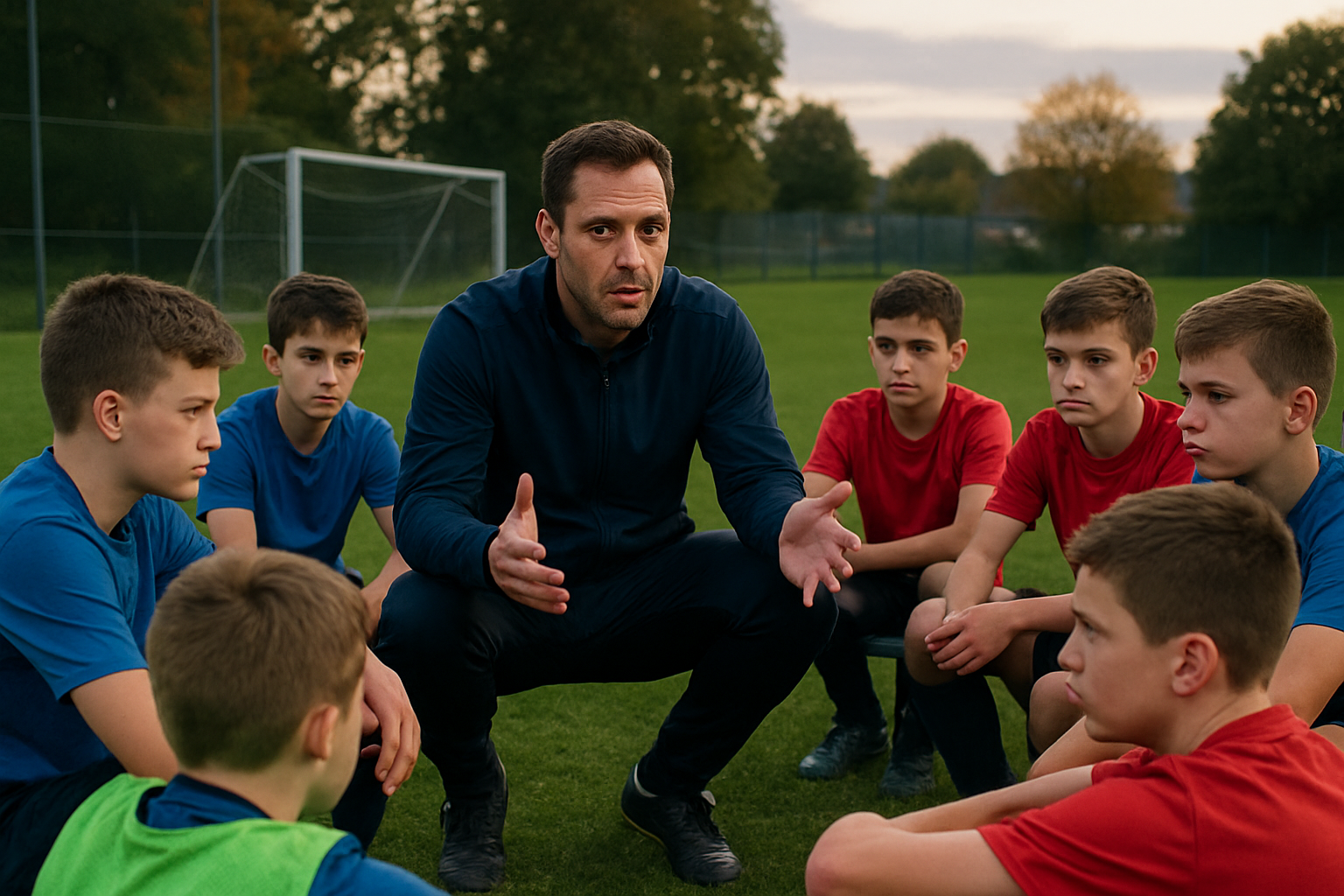
How to Improve Handling Match Pressure in Football
Coaches can implement several practical methods to help players develop resilience under pressure. Building mental toughness is a gradual process that complements physical and technical training. Here are essential steps for coaches:
- 1. Pre-match Preparation Techniques: Teach players effective routines such as visualization, controlled breathing, and positive self-talk to calm nerves before games.
- 2. Pressure Handling Drills for Football: Incorporate scenarios in training that recreate match pressure, like timed decision-making games or small-sided competitions with consequences.
- 3. Building Confidence in Young Footballers: Use consistent, specific feedback highlighting progress and effort to develop self-belief.
- 4. Coach Strategies for Match Anxiety: Encourage players to focus on controllable actions rather than uncontrollable outcomes during matches.
- 5. Psychological Support for Players: Create a trusted environment where players can share feelings and challenges openly.
By applying this framework, coaches help players internalize mental skills that improve performance consistency and enjoyment.
Practical Implementation for Grassroots Clubs
Implementing mental toughness training within grassroots clubs requires intentional planning. Coaches should integrate stress management in youth football into weekly sessions alongside technical and tactical drills. Simple additions like reflection moments after training or matches, where players discuss what caused pressure and how they responded, can be very effective.
Clubs can also establish structured environments where progress is tracked through player development tracking systems. This visibility allows coaches to identify players who may need extra psychological support. Including parents in education about match pressure helps reinforce consistent messages at home.
Consistent coaching and clear routines help players turn pressure into manageable challenges.
Common Development Mistakes
A frequent mistake is neglecting the mental side of development or focusing too heavily on immediate match results. This can increase pressure rather than reduce it. Expecting young players to “just handle it” without guidance often leads to burnout or avoidance behaviors.
Another error is overlooking individualized approaches. Not all players respond the same way to pressure, so blanket solutions rarely work. Coaches should assess player needs carefully and adapt their strategies accordingly, supported by clear communication with parents and players.
Step-by-Step Framework to Develop Pressure Handling Skills
To simplify application, coaches can use this practical framework, combining physical and mental elements for holistic development:
- Training: Include drills simulating match pressure and decision-making scenarios.
- Feedback: Provide constructive, effort-focused feedback regularly.
- Reflection: Facilitate player self-assessment discussions post-training and matches.
- Support: Encourage an open environment for discussing anxiety and challenges.
- Progression: Gradually increase pressure intensity with player development tracking informing readiness.
This model helps coaches ensure that handling match pressure in football becomes a built-in capability rather than an afterthought.

Why Players Struggle with Handling Match Pressure in Football
Players struggle with match pressure when they lack confidence, preparation, or coping strategies. High anxiety can interfere with focus and reaction time. Younger players particularly may have limited experience managing stress, making supportive coaching crucial.
External factors like overemphasis on winning, criticism from adults, or unclear expectations increase pressure unnecessarily. Educating parents and coaches helps reduce these risks, creating a healthier development pathway.
Conclusion
Handling match pressure in football is not an innate talent but a skill that develops through consistent effort and guidance. Coaches have a fundamental role in structuring this development by integrating psychological support, stress management, and confidence-building practices into training programs. Parents also contribute by understanding and reinforcing these approaches at home. Using clear frameworks and ensuring individualized support helps players face competitive challenges with resilience. This focus nurtures healthier, more confident footballers capable of growing sustainably over time, aligned with good player development principles and modern coaching workflows.
What is handling match pressure in football?
Handling match pressure means managing stress and staying focused during games, allowing players to perform calmly and make good decisions.
How to improve handling match pressure in football?
Improvement comes from regular practice of stress management techniques, pressure simulation drills, and building confidence through positive feedback.
How to help young players build confidence for matches?
Coaches should use specific praise focused on effort and progress, create supportive environments, and prepare players with pre-match routines.
Why am I not improving my match pressure handling?
Lack of consistent mental skills training or expectation pressure without support can hinder progress in managing match stress.
Best age to start mental toughness training for football players?
Mental toughness training can begin early, around U10 age groups, with age-appropriate exercises focused on fun and gradual learning.
How to train players to manage match anxiety?
Incorporate relaxation exercises, visualization, and controlled breathing in training, alongside match scenario practice.
Why do players struggle with match pressure despite good training?
Pressure struggles can stem from external expectations, inconsistent coaching messages, or insufficient psychological support at home or club.

Related Articles
 Read More about How to Improve Batting Technique in Young Cricketers: A Coach’s Guide
How to Improve Batting Technique in Young Cricketers: A Coach’s Guide
 Read More about AI Cricket Coaching for Grassroots Academies: What You Need to Know
AI Cricket Coaching for Grassroots Academies: What You Need to Know
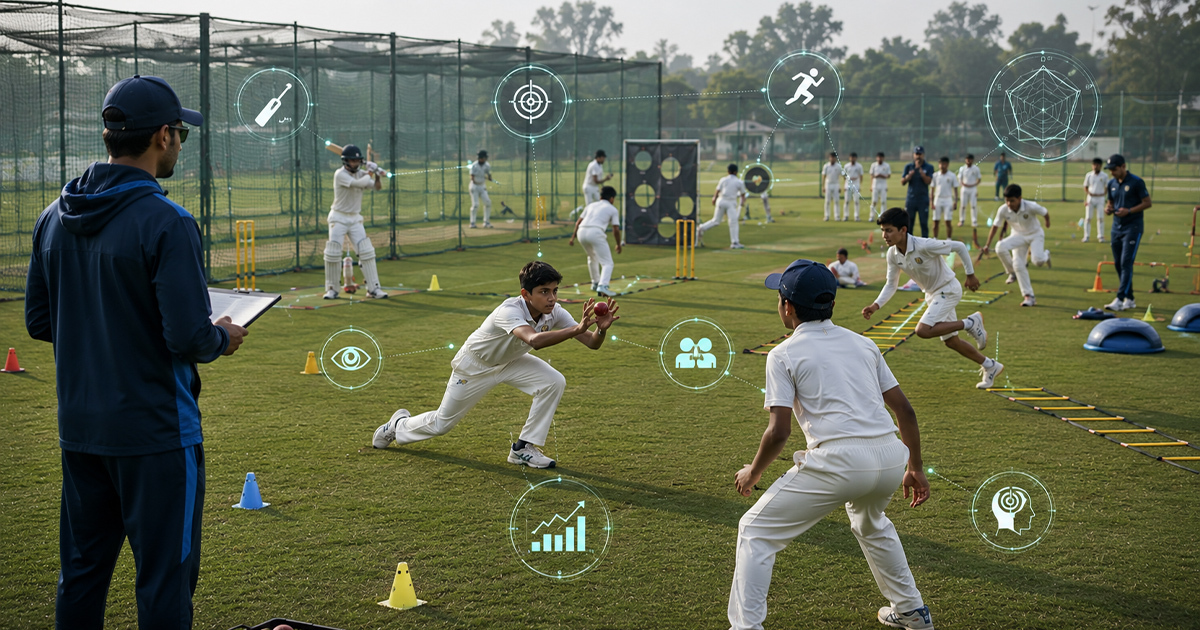 Read More about Tracking Skills and Fitness in Young Cricket Players: Key Areas for Coaches
Tracking Skills and Fitness in Young Cricket Players: Key Areas for Coaches
Latest Articles
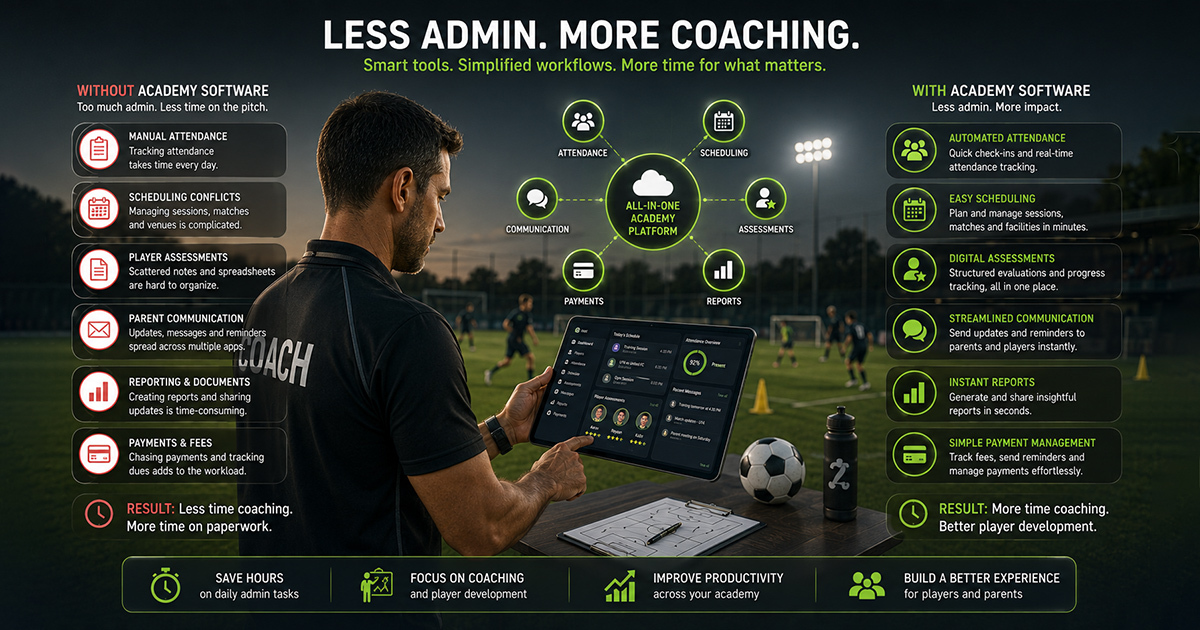 Read More about How Sports Academies Can Reduce Admin Work for Coaches
How Sports Academies Can Reduce Admin Work for Coaches
 Read More about How to Build Age-Wise Player Development Pathways in Football and Cricket
How to Build Age-Wise Player Development Pathways in Football and Cricket
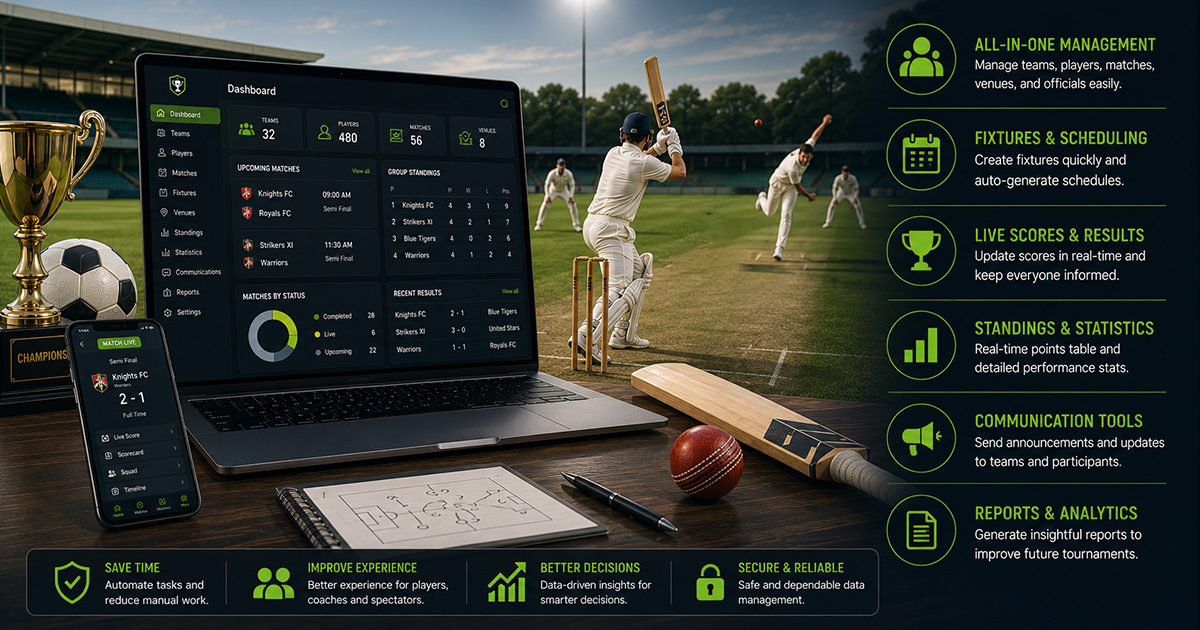 Read More about Tournament Management Software for Football and Cricket Organizers: A Practical Guide
Tournament Management Software for Football and Cricket Organizers: A Practical Guide
Ready to Bring Structure to Your Academy?
Let’s walk through your current setup and show you how 8lete can improve it.


