




How to Improve Bowling Consistency in Young Cricketers: Line, Length and Control
Bowling consistency in young cricketers is a common challenge that coaches, parents, and players encounter. Many young bowlers struggle to maintain a steady line and length, which undermines their control and effectiveness during matches. Understanding how to develop consistent bowling habits early can significantly influence a player's long-term growth and confidence. This article explores practical coaching techniques and key development principles for improving line, length, and control in youth cricket bowling.
What is Bowling Consistency in Young Cricketers?
Bowling consistency refers to a bowler's ability to regularly deliver the ball in the desired areas of the pitch with reliable line (horizontal accuracy) and length (distance from the batsman). For young cricketers, this means repeatedly hitting target zones to build pressure and limit scoring opportunities.
It involves mastering control techniques that balance pace and accuracy, developing mental focus during spells, and gradually improving skills through structured, age-appropriate training methods.
Why Young Bowlers Struggle with Consistency
Many young players find it difficult to maintain a reliable line and length due to physical, technical, and mental factors. Physically, inconsistent release action and strength limitations can cause variations. Technically, incorrect grip or run-up affects control. Mentally, fluctuating focus and pressure to perform can disrupt rhythm.
Coaches and parents need to recognize these challenges are normal and focus on creating supportive training environments that emphasize repetition, feedback, and gradual adaptation rather than quick fixes.
Effective Youth Cricket Bowling Drills for Line and Length
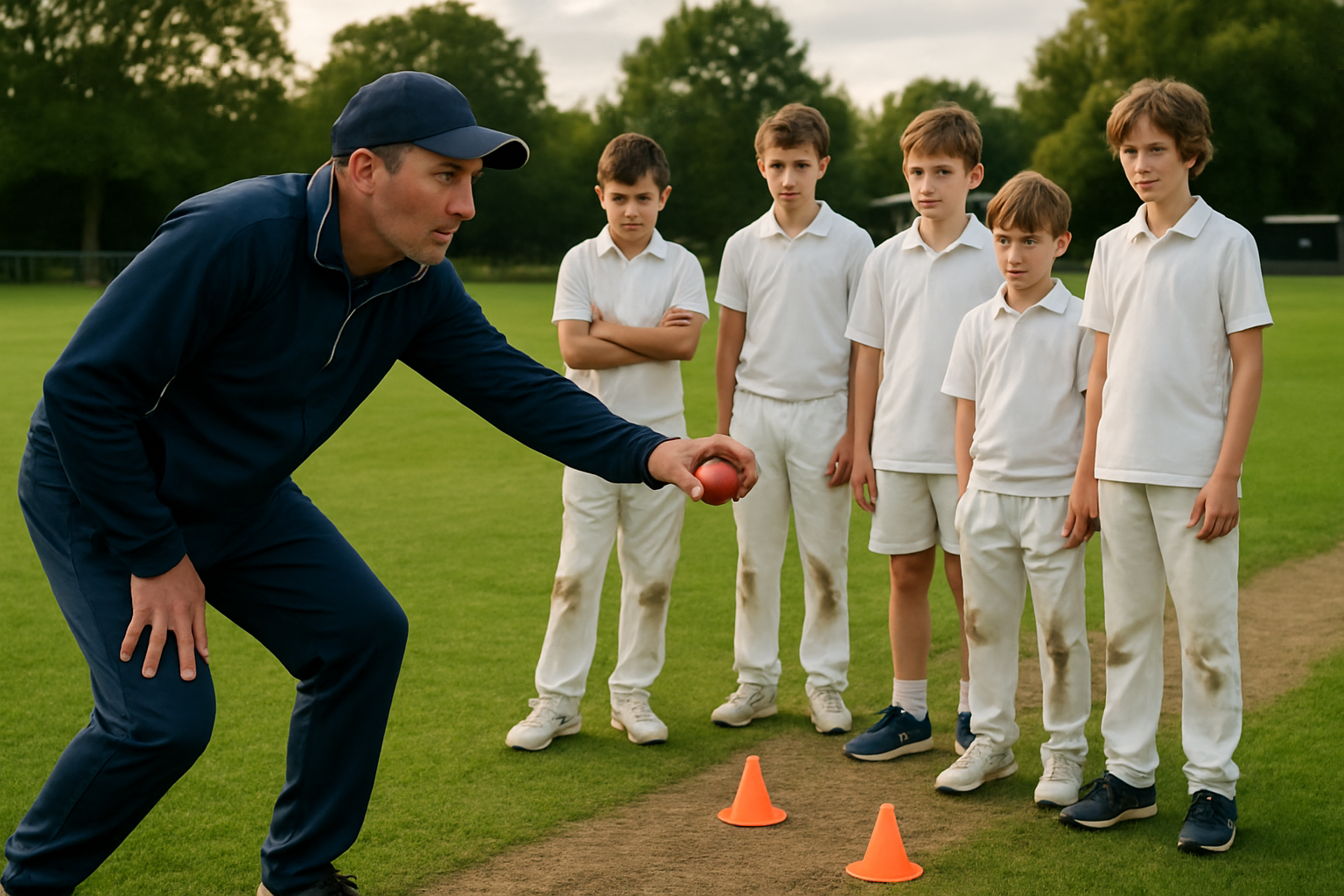
Structured bowling drills are essential for improving line and length. Simple drills like target bowling using cones or markers help young players visually understand the areas they need to hit. Coaches can design progressive drills starting with shorter sessions focusing on accuracy before integrating pace.
Incorporate repetition but vary drill complexity to keep players engaged. For example, alternating between bowling to a stump line target and a quarter pitch length target trains both line and length control simultaneously.
Drill checklist for coaches and parents:
- Use visual targets to develop aiming skills
- Include short run-up deliveries for focus on accuracy
- Combine pace and control gradually
- Encourage consistent release points
- Provide immediate, specific feedback
Practical Implementation for Grassroots Clubs
Grassroots clubs can embed bowling consistency development within regular training by scheduling drills that prioritize control before pace and by assigning coaches who understand the growth stages of youth athletes. Use tools like video analysis or simple performance logs to help players track progress and self-correct.
Parents should support structured development by encouraging patience, proper rest, and mental focus habits between sessions. Emphasizing practice → feedback → tracking → progression creates a reliable framework that aligns with long-term player development ideals.
Consistent bowling starts with disciplined practice and focused feedback, not just raw pace.
Common Development Mistakes to Avoid
One frequent mistake is rushing young bowlers to increase pace before mastering basic control. This often reduces line and length consistency and can lead to poor technique. Another error is neglecting mental focus training, which is crucial for maintaining rhythm and confidence under match conditions.
Coaches should avoid overloading sessions with too many drills or overly complex instructions. Instead, keep coaching cues simple and focused on one or two key improvements per session.
How to Improve Bowling Consistency in Young Cricketers
Improving bowling consistency requires a balance of technical practice and mental conditioning. Encourage young players to develop a repeatable bowling action with balanced run-up, controlled release, and follow-through. Structured drills that focus on line and length create muscle memory and build confidence.
Mental focus exercises, such as visualization and breathing techniques, help young bowlers stay calm and maintain concentration during pressure moments. Coaches can integrate these methods within training to nurture a composed mindset essential for consistency.
Coaching Bowling Basics with a Long-Term View
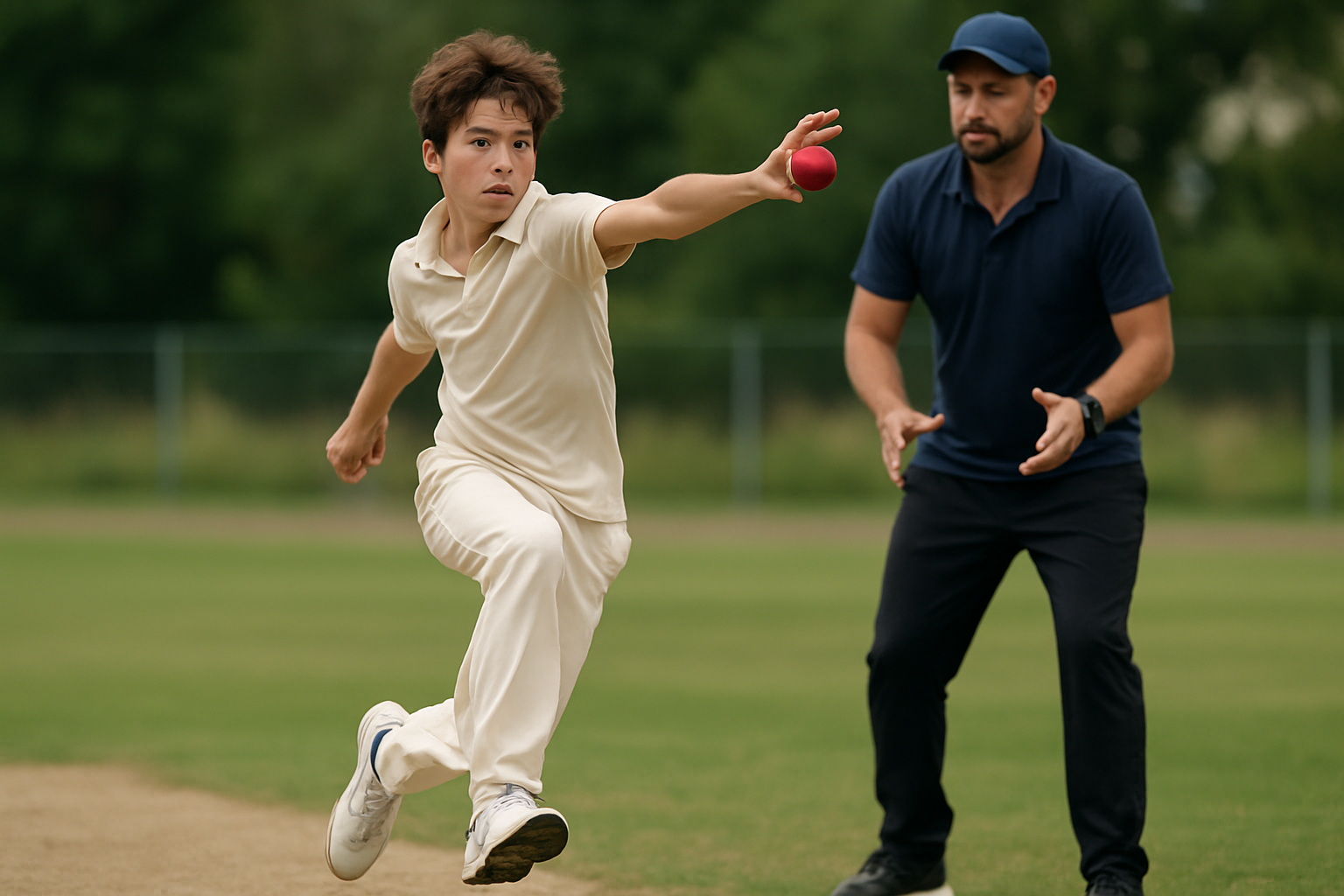
Coaching young bowlers successfully means focusing on fundamentals first—grip, stance, run-up, and delivery stride—before reinforcing tactics or pace. Encourage steady progress by celebrating small improvements and continuously adapting drills to individual needs.
Integrating player development tracking tools supports coaches in monitoring performance trends and tailoring coaching interventions. This structured approach helps identify when to introduce more advanced skills like swing or seam movement.
Conclusion
Improving bowling consistency in young cricketers is a foundational skill that requires patience, well-structured drills, and supportive coaching environments focused on long-term development. By concentrating on line, length, and control through progressive training and mental focus techniques, coaches, parents, and players can foster disciplined habits that grow with the athlete. Establishing a practice → feedback → tracking → progression cycle within grassroots clubs guides young bowlers toward meaningful improvement without rushing pace or complexity. As each player advances, the emphasis remains on reliable performance over appearance, building the confidence and skillset necessary for higher levels of the game. This practical, consistent approach offers the best pathway to developing talented and well-rounded cricket bowlers.
What is bowling consistency in young cricketers?
Bowling consistency means delivering the ball regularly on target in line and length to limit scoring and build pressure.
How to improve bowling line and length?
Use target drills, focus on a repeatable action, and practice with visual markers for precise aiming and controlled length.
Why do young players struggle with bowling control?
Common issues include technical flaws like grip and run-up inconsistencies, physical development limits, and mental focus challenges.
How to train bowling control techniques for kids?
Introduce simple drills with cones or markers, encourage short run-ups, and give clear, focused feedback during practice sessions.
Why am I not improving my bowling consistency?
Improvement requires patience and structured practice; inconsistent training, lack of focus, or trying to bowl too fast too early hinder progress.
Best age to start coaching bowling basics?
Coaching can start as early as 8–10 years old focusing on fundamentals, allowing gradual skill development suited to the child's physical growth.


Related Articles
 Read More about How to Structure Football Assessments for Grassroots Players
How to Structure Football Assessments for Grassroots Players
 Read More about What Cricket Selectors Look For in Young Players Beyond Performance
What Cricket Selectors Look For in Young Players Beyond Performance
 Read More about How to Improve Fielding Skills in Cricket: Drills for Young Players
How to Improve Fielding Skills in Cricket: Drills for Young Players
Latest Articles
 Read More about How Sports Academies Can Reduce Admin Work for Coaches
How Sports Academies Can Reduce Admin Work for Coaches
 Read More about How to Build Age-Wise Player Development Pathways in Football and Cricket
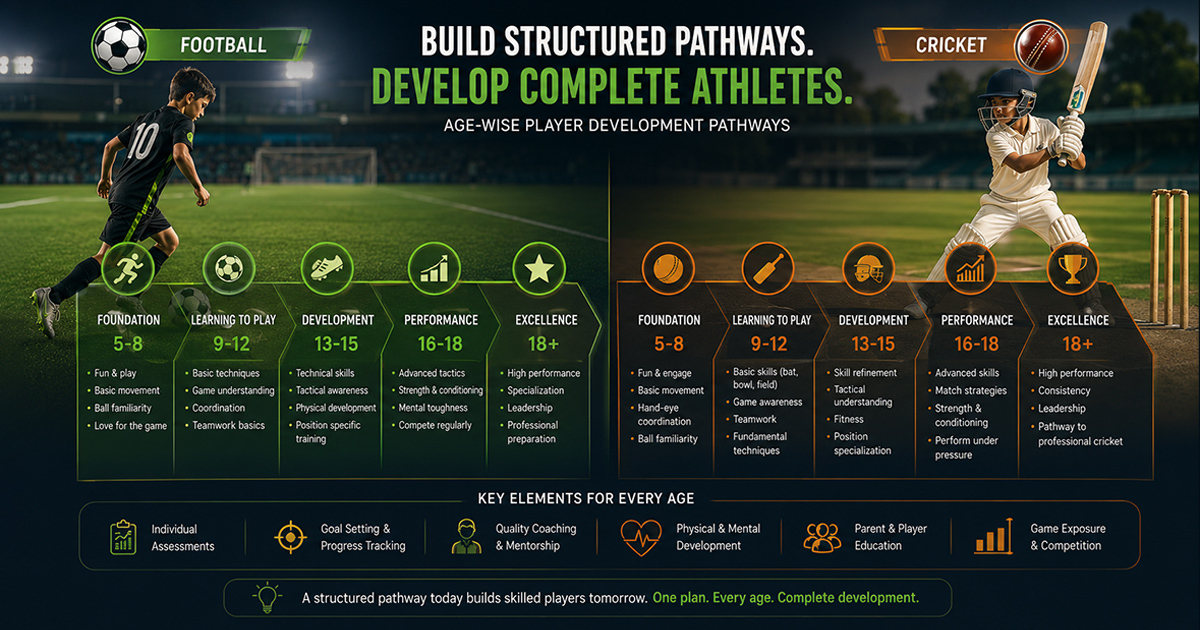
How to Build Age-Wise Player Development Pathways in Football and Cricket
 Read More about Tournament Management Software for Football and Cricket Organizers: A Practical Guide
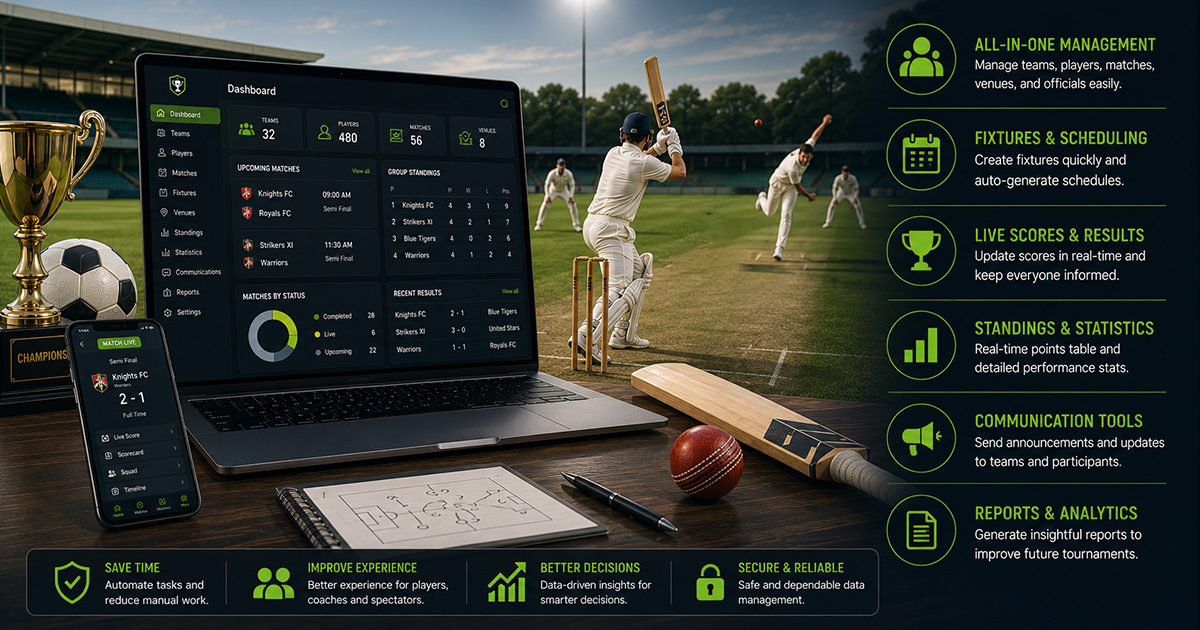
Tournament Management Software for Football and Cricket Organizers: A Practical Guide
Ready to Bring Structure to Your Academy?
Let’s walk through your current setup and show you how 8lete can improve it.


