



Sports Sponsorship for Academies: How to Become Sponsor-Friendly and Secure Funding
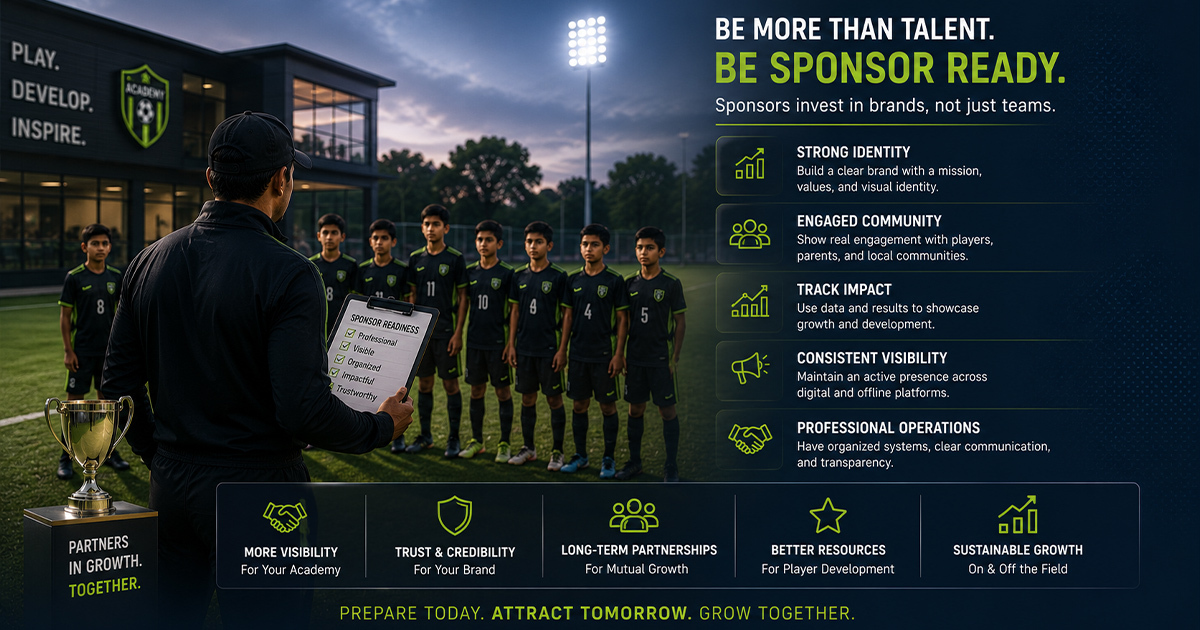
Sports sponsorship for academies is the process of preparing and positioning sports academies to attract, secure, and manage sponsorship deals that support their development activities financially and operationally. Many academies struggle to become sponsor-friendly due to lack of structure, unclear goals, and poor communication with potential sponsors. Achieving sports sponsorship readiness matters because it allows academies to access resources that improve training quality, facilities, and player development over the long term. This article offers a practical guide explaining how academies can systematically prepare themselves to attract sponsors, manage partnerships, and build lasting value for sponsors and stakeholders alike.
What Is Sports Sponsorship Readiness for Academies?
Sports sponsorship readiness is the state of having clear goals, professional operations, consistent documentation, and transparent communication systems that make an academy attractive to sponsors who seek visibility, return on investment, and alignment with grassroots sports development.
Ready academies demonstrate structured training programs, strong player tracking, active parent and community engagement, and reliable reporting mechanisms. This readiness builds sponsor confidence that their investment will be well-utilized and measurable.

A Practical Framework to Become a Sponsor-Friendly Sports Academy
To prepare your academy for sponsorship, follow this 6-step framework aimed at building trust, visibility, and professional partnerships:
- 1. Define Clear Sponsorship Goals: Identify what funding is needed for, such as equipment, coaching, or tournaments, and set measurable objectives sponsors can relate to.
- 2. Organize Structured Operations: Maintain consistent attendance records, fees management, and session planning to demonstrate operational stability.
- 3. Develop Transparent Reporting: Use player progress reports, attendance data, and coaching feedback to show impact and engagement to sponsors.
- 4. Establish Sponsor Communication Channels: Designate contacts and provide regular updates including visibility opportunities and impact summaries.
- 5. Showcase Community and Player Engagement: Highlight parent involvement, match learning, and academy events that sponsors can engage with for branding.
- 6. Build Long-Term Relationships: Plan sponsorship cycles with renewal options, gather feedback from sponsors, and adjust your approach to retain support.
Each step requires consistent effort and documentation to highlight the academy’s professionalism and potential for growth, which sponsors value highly.
Why Many Academies Struggle with Sports Sponsorship Readiness
A common challenge for grassroots academies is lack of systematic operations. For example, one grassroots academy tried to secure local sponsorship but failed because they could not provide attendance data or player development reports. Sponsors questioned the academy’s transparency and impact.
Academies that manage enrolments and fees manually often struggle to track consistent progress or parent engagement, which weakens their sponsorship proposals. Without a history of structured communication, sponsors hesitate to commit resources.
Role-Wise Sports Sponsorship Readiness Insights
Players should maintain discipline in attendance and training, demonstrating commitment that makes the academy attractive to sponsors who value talent development.
Coaches play a vital role by providing regular player assessments and structured feedback, which become essential reporting content for sponsors.
Parents serve as ambassadors; their engagement and communication build community support visible in sponsorship pitches.
Academy owners must develop or adopt systems for attendance management, fees collection, player progress tracking, and automated reporting to create a reliable sponsorship-ready environment.
“Consistent structure and transparent communication are foundations of sustainable sports sponsorship relationships.
Consistent structure and transparent communication are foundations of sustainable sports sponsorship relationships.
"Consistent structure and transparent communication are foundations of sustainable sports sponsorship relationships."
An Age-Wise Sponsorship Preparation Breakdown for Academies
U10–U13: Focus on attendance discipline, basic reporting, and building parent communication channels. This lays groundwork for sponsor-friendly proof of engagement.
U14–U16: Strengthen player assessment routines, create structured coach feedback reports, and begin showcasing academy events or tournaments for sponsor visibility.
U17+: Develop detailed player progress reports, track match performances, enhance community and parent engagement visibility, and prepare formal sponsorship proposals with measurable impact.
Common Mistakes in Preparing Academies for Sports Sponsorship
1. No Clear Sponsorship Goals: Approaching sponsors without specific objectives confuses them and reduces interest. Fix by defining targeted needs like equipment or tournament funding.
2. Manual and Disorganized Operations: Using paper attendance and fee records complicates reporting. Adopt digital tools or software to streamline operations and provide verifiable data.
3. Poor Communication with Sponsors: Not assigning liaisons or failing to update sponsors leads to loss of trust. Create regular update schedules and clear contact points.
4. Ignoring Parent and Community Engagement: Sponsors want to support visible community activities. Encourage parent involvement and public academy events that strengthen your sponsorship appeal.
5. Lack of Player Development Tracking: Without performance data or progress reports, proving impact to sponsors is difficult. Use structured assessments and reports driven by coaching feedback.

Practical Checklist for Becoming Sponsor-Friendly
- Does the academy have clear, documented sponsorship goals linked to specific needs?
- Are attendance and fees managed with consistent, reliable systems?
- Is player progress tracked regularly through coach assessments and reports?
- Are parents kept informed with structured communications and opportunities for input?
- Are community events and tournaments documented and promoted for sponsor visibility?
- Is there a designated contact person for sponsors providing regular updates?
- Are sponsorship proposals professional, with measurable impact and ROI details?
- Is sponsorship renewal and feedback systematically managed for long-term relationships?
- Does the academy use technology tools to support attendance, assessment, and communication workflows?
- Is there transparency in how sponsorship funds are utilized and reported?
A Practical 8lete-Aligned Workflow for Managing Sponsorship Readiness
The following workflow integrates structured academy operations suitable for sponsorship engagement:
Session Planning → Attendance Management → Player Assessment → Coach Notes → Parent Communication → Sponsorship Reporting → Next Goal Setting
This workflow ensures every training session and player milestone is attended to systematically, data is collected consistently, coaches document progress, parents receive regular updates, and sponsors get credible reports on impact and exposure, aligning all stakeholders efficiently.
Concrete Grassroots Examples of Sponsorship Readiness
1. A football academy used digital attendance and coach assessment reports to present monthly progress summaries to a local sportswear brand. The consistent data and parent engagement events helped secure a two-year sponsorship deal.
2. A cricket academy struggled initially to attract sponsors because they lacked structured fees and player reporting. After adopting a management system that tracked attendance, fees, and player development, they successfully attracted a local business sponsorship.
3. A multi-sport grassroots academy organized an open tournament with clear branding opportunities and shared post-event reports showing attendance and media coverage, which convinced a potential sponsor to commit support for the next season.
FAQs
What is sports sponsorship for academies and why is it important?
Sports sponsorship for academies involves securing financial or material support from businesses or organizations to enhance training quality, facilities, or player development. It is important because it provides sustainable resources beyond fees, enabling better coaching, equipment, and growth opportunities.
How can academies improve their chances of attracting sponsors?
Academies should maintain structured operations with consistent attendance tracking, player progress reports, transparent communication, and active parent involvement. Creating professional sponsorship proposals that outline clear goals and visibility opportunities also helps.
What are practical ways to manage sports sponsorship relationships?
Assign a dedicated liaison to maintain regular communication, provide updates on sponsored activities, share player and community engagement reports, gather sponsor feedback, and plan renewal discussions early to build long-term partnerships.
Why do some grassroots academies struggle to secure sponsorships?
Lack of structured operations, absence of clear goals, manual management of attendance and fees, poor reporting, and weak communication with potential sponsors cause sponsors to doubt an academy's professionalism and impact.
What is the best age group to begin structured sponsorship readiness in academies?
Starting with U10–U13 age groups is effective by focusing on attendance discipline and parent engagement. Preparing progressively through older age groups strengthens reporting and visibility, making sponsorship pitches more credible.
How long does it typically take for an academy to become sponsor-ready?
The process varies but generally takes 6–12 months to organize systems, start tracking, engage parents, and document player development consistently. Patience and structured workflows accelerate readiness.
How do sponsorship benefits impact grassroots academies?
Sponsorship provides additional resources that improve training methods, access to better facilities, equipment upgrades, and funding for tournaments, which in turn enhance player development and academy reputation.
Common mistakes
1. Missing Clear Sponsorship Objectives: Without specific goals, sponsorship proposals lack direction and clarity, confusing potential sponsors. The fix is to define what the academy needs and how sponsorships will be utilized to meet those goals.
2. Poor Data Management: Manual and inconsistent tracking of attendance, fees, and player progress can cause discrepancies and reduce credibility. Implementing digital management systems helps present reliable data to sponsors.
3. Lack of Parent and Community Engagement: Sponsors want visible impact beyond training sessions. Ignoring community events and parent communication reduces sponsor interest. The solution includes organizing community activities and keeping parents informed actively.
4. Limited Sponsor Communication: One-time proposals without regular updates damage sponsorship relationships. Establishing structured communication—regular updates, reports, and meetings—builds sponsor trust and loyalty.
5. Ignoring Long-Term Relationship Building: Treating sponsorship as a one-off transaction misses opportunities for renewal and growth. Planning renewal cycles and seeking continuous feedback sustains funding over multiple seasons.
Conclusion
Becoming sponsor-friendly requires academies to adopt structured operations, transparent communication, and clear development goals. Sponsors back academies that prove reliability through consistent attendance management, regular player assessments, and active community engagement involving parents and local stakeholders. Long-term tracking systems and well-planned reporting create the trust sponsors need to commit resources. Academies that grow sponsorships sustainably are those that treat partnerships as ongoing relationships, not one-off deals. For academy owners, coaches, players, and parents, understanding and participating in this structure builds enduring value beyond short-term funding, setting the stage for gradual but consistent growth in grassroots sports. Emphasizing structured tracking, transparent reporting, and stakeholder communication is the practical way forward for academies aiming to secure and maintain sponsorship opportunities.
What is sports sponsorship for academies and why is it important?
Sports sponsorship for academies involves securing financial or material support from businesses or organizations to enhance training quality, facilities, or player development. It is important because it provides sustainable resources beyond fees, enabling better coaching, equipment, and growth opportunities.
How can academies improve their chances of attracting sponsors?
Academies should maintain structured operations with consistent attendance tracking, player progress reports, transparent communication, and active parent involvement. Creating professional sponsorship proposals that outline clear goals and visibility opportunities also helps.
What are practical ways to manage sports sponsorship relationships?
Assign a dedicated liaison to maintain regular communication, provide updates on sponsored activities, share player and community engagement reports, gather sponsor feedback, and plan renewal discussions early to build long-term partnerships.
Why do some grassroots academies struggle to secure sponsorships?
Lack of structured operations, absence of clear goals, manual management of attendance and fees, poor reporting, and weak communication with potential sponsors cause sponsors to doubt an academy's professionalism and impact.
What is the best age group to begin structured sponsorship readiness in academies?
Starting with U10–U13 age groups is effective by focusing on attendance discipline and parent engagement. Preparing progressively through older age groups strengthens reporting and visibility, making sponsorship pitches more credible.
How long does it typically take for an academy to become sponsor-ready?
The process varies but generally takes 6–12 months to organize systems, start tracking, engage parents, and document player development consistently. Patience and structured workflows accelerate readiness.
How do sponsorship benefits impact grassroots academies?
Sponsorship provides additional resources that improve training methods, access to better facilities, equipment upgrades, and funding for tournaments, which in turn enhance player development and academy reputation.
Related Articles
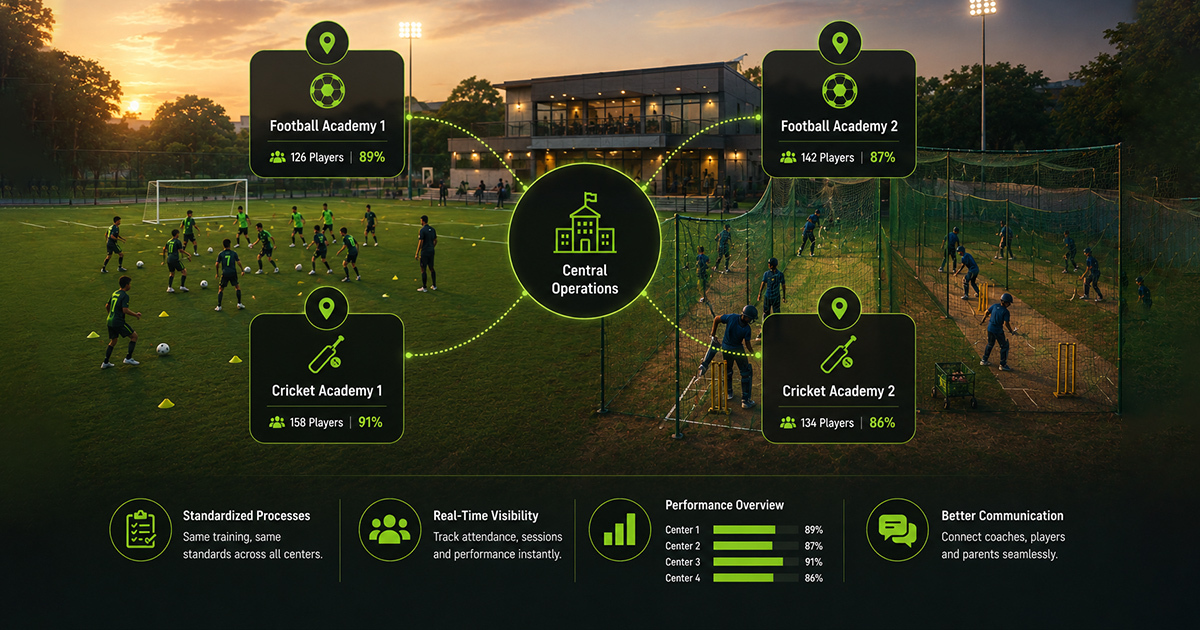 Read More about How to Manage Multi-Center Sports Academies Without Operational Chaos
How to Manage Multi-Center Sports Academies Without Operational Chaos
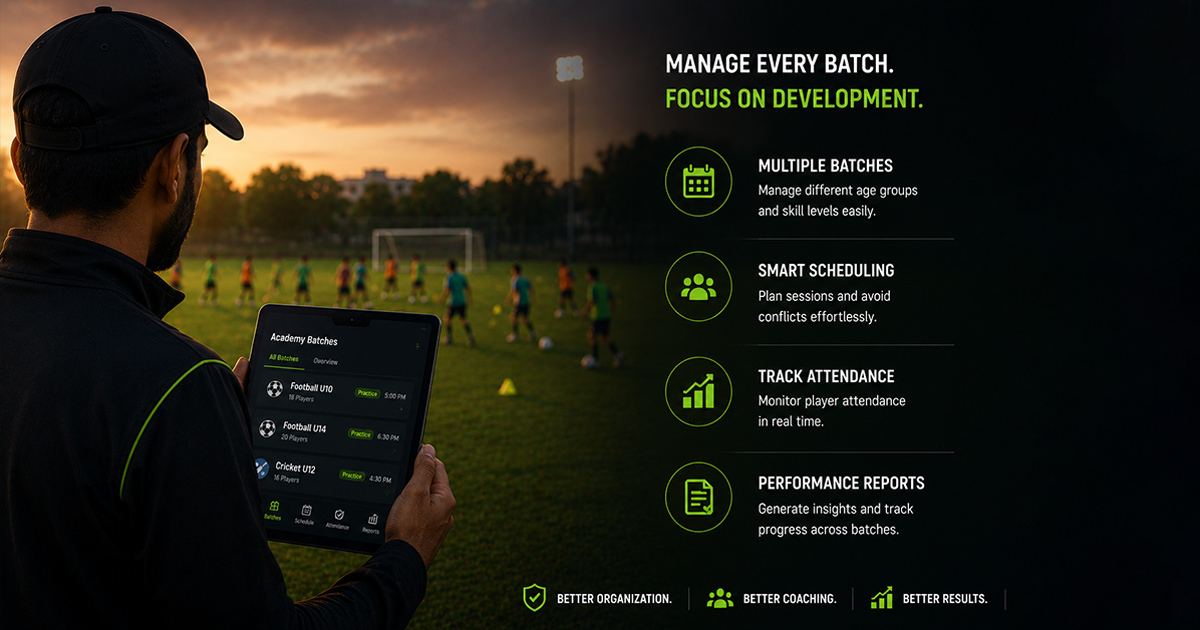 Read More about Managing Multiple Batches in a Sports Academy: A Practical Guide for Coaches and Owners
Managing Multiple Batches in a Sports Academy: A Practical Guide for Coaches and Owners
 Read More about Cricket Coaching App vs Academy Management Software: What Is the Difference?
Cricket Coaching App vs Academy Management Software: What Is the Difference?
Latest Articles
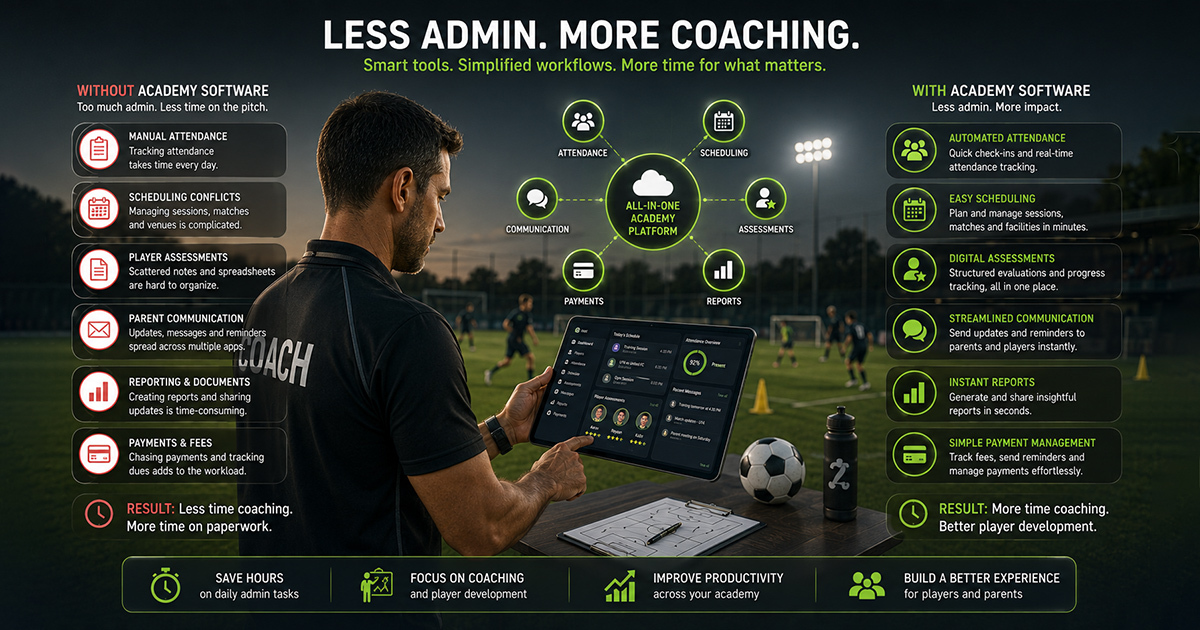 Read More about How Sports Academies Can Reduce Admin Work for Coaches
How Sports Academies Can Reduce Admin Work for Coaches
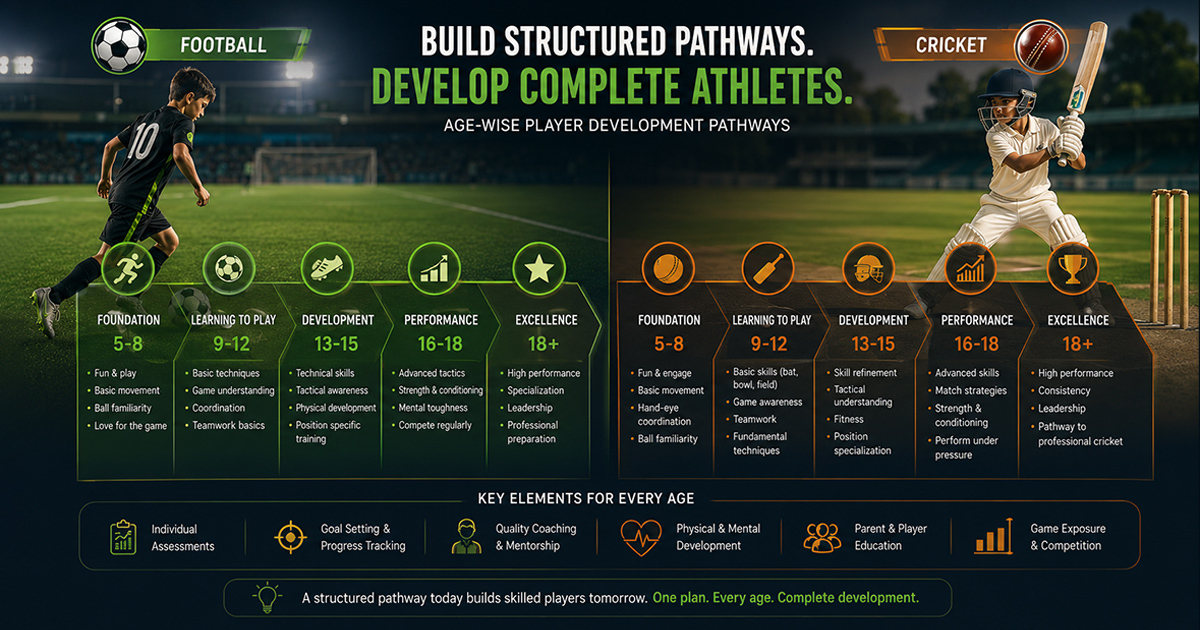 Read More about How to Build Age-Wise Player Development Pathways in Football and Cricket
How to Build Age-Wise Player Development Pathways in Football and Cricket
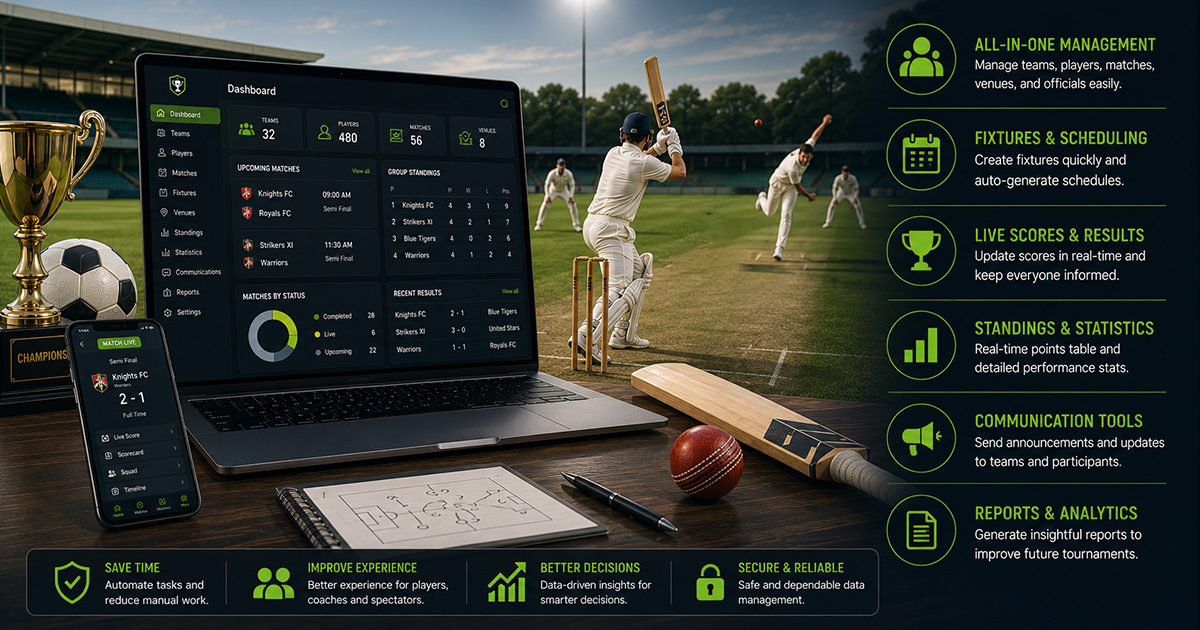 Read More about Tournament Management Software for Football and Cricket Organizers: A Practical Guide
Tournament Management Software for Football and Cricket Organizers: A Practical Guide
Ready to Bring Structure to Your Academy?
Let’s walk through your current setup and show you how 8lete can improve it.


