



Managing Multiple Batches in a Sports Academy: A Practical Guide for Coaches and Owners
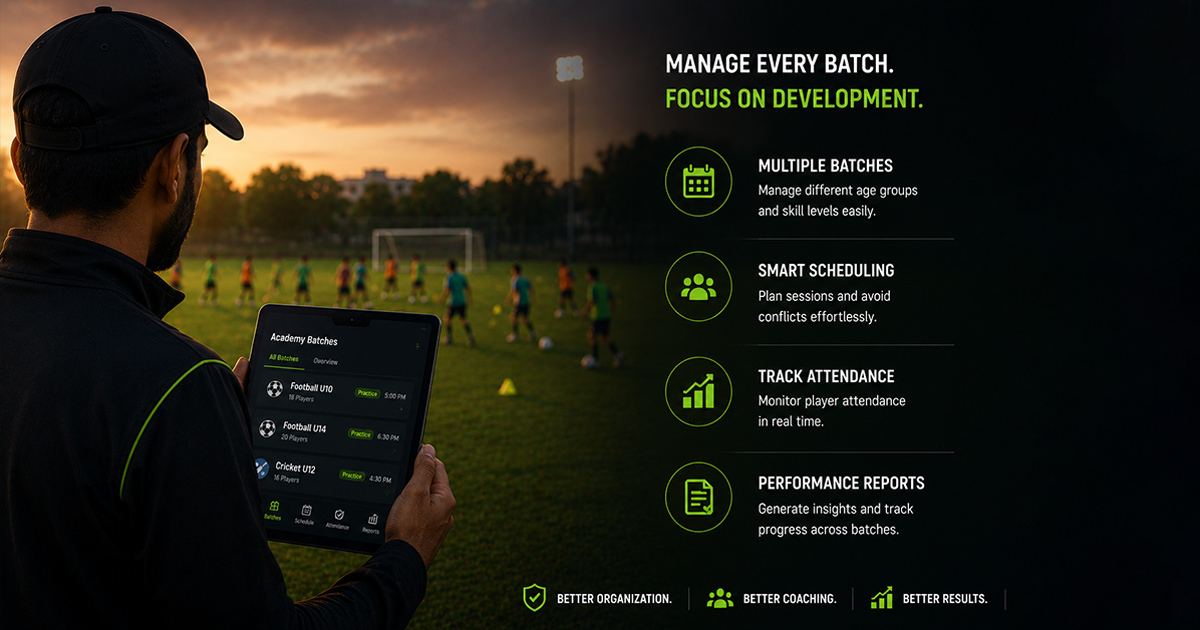
Managing multiple batches in a sports academy involves coordinating training schedules, coach assignments, resources, and player development activities efficiently to ensure consistent quality and growth. Academy owners and coaches often struggle with overlapping sessions, resource constraints, and communication gaps, which can hinder long-term player progress. This article offers a practical framework and actionable steps to streamline batch management, optimize scheduling, and enhance operational workflows for football and cricket academies.
What Is Managing Multiple Batches in a Sports Academy?
Managing multiple batches means organizing distinct groups of players by age, skill, or stage, then coordinating their training sessions, coaching resources, and administrative processes systematically. This ensures no batch or player group is neglected, while allowing coaches to deliver focused, structured training.
Without clear batch management, academies face double bookings, uneven coach workloads, and communication breakdowns that impact player development and parent trust. Efficient batch handling underpins sustainable academy growth.
A Practical Framework for Managing Multiple Batches
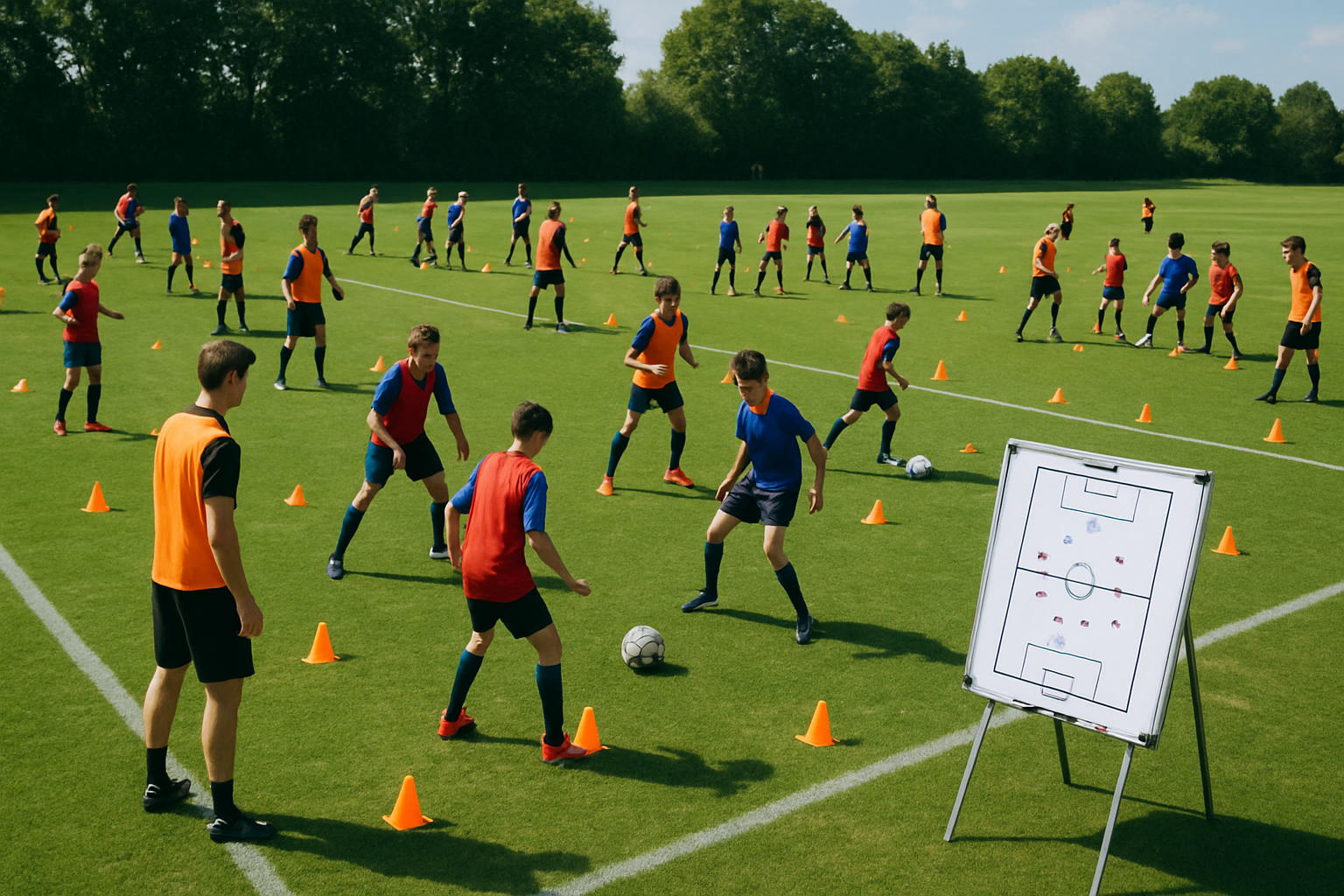
Implementing a structured approach helps academies avoid operational chaos. This framework has 6 key points:
- Batch Segmentation: Define clear groups by age, skill level, or development stage for focused training content.
- Scheduling Coordination: Use a master calendar that prevents time conflicts and allows for buffer time between sessions.
- Resource Allocation: Assign coaches, equipment, and facilities to batches based on size and training intensity.
- Communication Workflow: Establish regular updates to coaches, players, and parents about sessions, attendance, and feedback.
- Tracking and Assessment: Integrate batch-level player assessments to monitor progress consistently.
- Continuous Review: Weekly and monthly reflections on batch performance, coach workload, and operational issues for timely adjustments.
Each step plays a critical role in balancing multiple batches effectively, ensuring players receive consistent training and attention.
Role-Wise Responsibilities in Multi-Batch Management
Successful batch management depends on clear roles:
- Players: Commit to attendance, respect session timings, and provide timely feedback on training.
- Coaches: Prepare batch-specific plans, track attendance and performance, and communicate updates or concerns.
- Parents: Stay informed on batch schedules, player progress, and coach feedback; support punctuality and discipline.
- Academy Owners: Implement robust scheduling tools, oversee coach assignments, manage facilities efficiently, and monitor overall batch operations.
Age-Wise Batch Breakdown for Effective Management
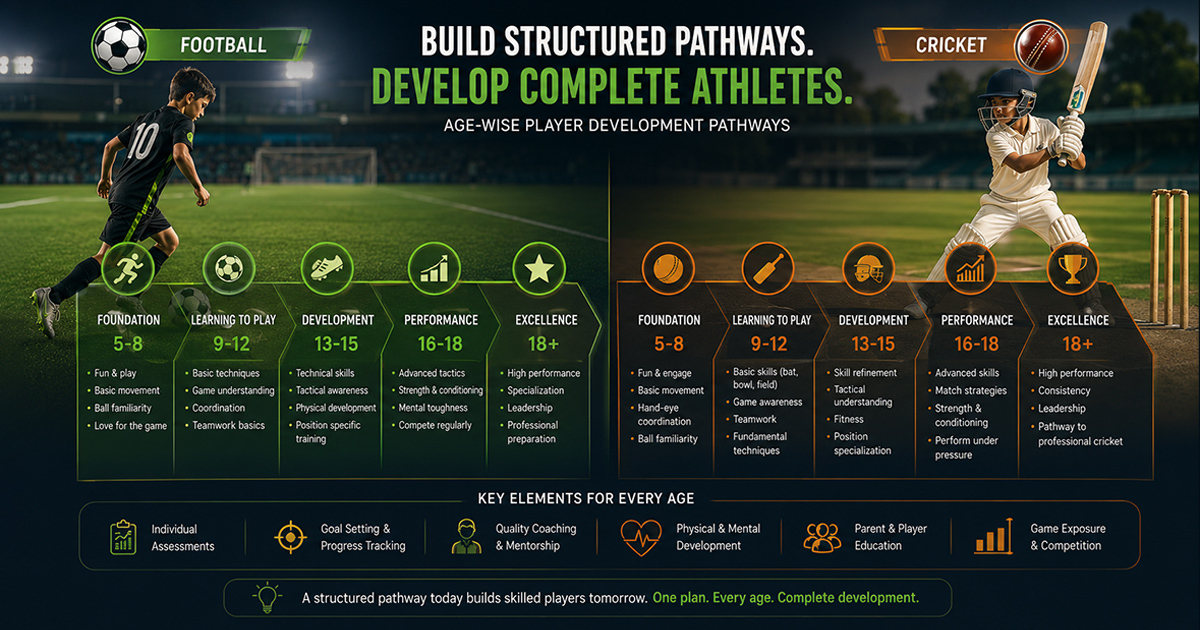
Dividing batches by age and stage streamlines training content and scheduling. A typical structure may look like this:
- U8–U10: Focus on basic coordination, ball familiarity, and fun skill-building with shorter sessions.
- U11–U13: Introduce structured techniques, positioning, and small-sided games with moderate session frequency.
- U14–U16: Emphasize tactical understanding, physical conditioning, and consistent match practice.
- U17+ (Advanced): Focused personalized development, mental preparation, and competitive match exposure with higher training intensity.
This segmentation helps schedule batches separately but with aligned developmental goals, avoiding overlap and duplication.
Integrating an 8lete-Aligned Operational Workflow
A practical workflow for managing multiple batches includes:
- Session Planning: Coaches prepare batch-specific drills and match schedules.
- Attendance Management: Real-time tracking prevents gaps and identifies absenteeism patterns.
- Player Assessments: Regular skill and fitness evaluations for each batch.
- Coach Notes and Feedback: Structured notes capture session observations.
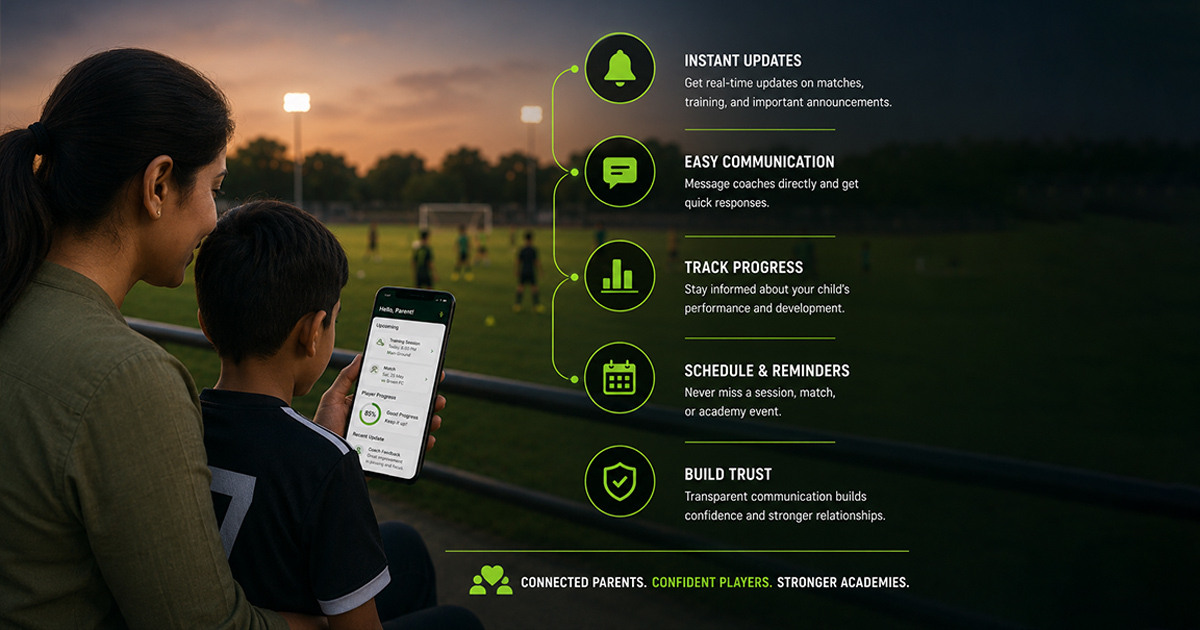
- Parent Communication: Progress reports and attendance summaries keep parents engaged.
- Next Steps Goal Setting: Clear target-setting based on batch progress for continuous improvement.
This workflow aligns operational discipline with player development needs, ensuring batches move forward cohesively.
Consistent batch management connects training, coaching, and communication for real player development.
Practical Checklist for Managing Multiple Batches
Use this checklist to audit and improve your batch management:
- Have you clearly segmented your batches by age and skill?
- Is there a master calendar preventing overlapping batch sessions?
- Are coach assignments balanced to avoid overload?
- Is attendance tracked digitally for quick reporting?
- Are training resources (fields, equipment) allocated per batch need?
- Do coaches prepare batch-specific training plans and match strategies?
- Are players and parents communicated with regularly about schedules and progress?
- Is there a system for recording and reviewing player assessments by batch?
- Is coach feedback organized and accessible for each batch?
- Are weekly reviews held to adjust batches or resources based on operational data?
Common Mistakes in Multi-Batch Management and How to Fix Them
Avoid these pitfalls with practical fixes:
- Poor Scheduling Leading to Overlaps: Causes confusion and resource clashes. Fix with a centralized digital master schedule visible to all stakeholders.
- Uneven Coach Workloads: Overburdened coaches reduce session quality. Balance coach assignments; consider assistant coaches or rotating roles.
- Lack of Consistent Attendance Tracking: Misses absenteeism trends affecting development. Implement attendance management software with real-time reports.
- Insufficient Communication with Parents: Leads to missed sessions or unclear expectations. Use scheduled updates and automated reminders for batches.
- Resource Bottlenecks: Limited fields or equipment delay sessions. Plan resource allocation ahead and stagger batches if needed.
- No Batch-Level Progress Tracking: Development becomes unclear. Establish assessment milestones and reports specific to each batch.
Real-World Examples of Multi-Batch Challenges and Solutions
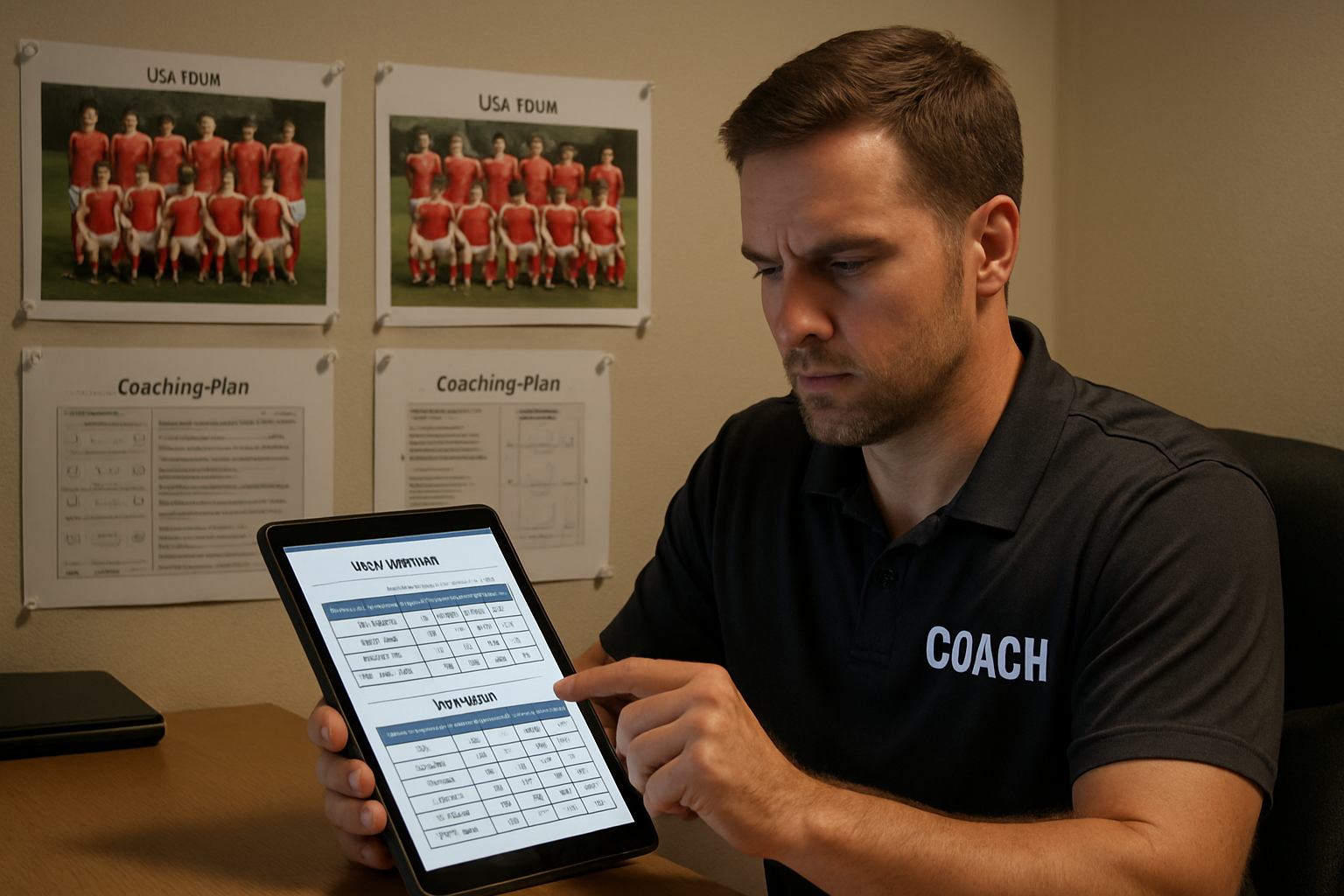
Example 1: A football academy had overlapping U12 and U14 sessions on the same field, causing players to wait idle. They adopted a digital batch calendar and shifted timings to create clear, non-conflicting slots.
Example 2: A cricket academy faced coach burnout as one coach led three large batches. They hired assistant coaches and delegated specific skill sessions, improving focus and reducing fatigue.
Example 3: An academy used manual attendance registers across four batches, leading to frequent errors. Moving to a central attendance app enabled quick absentee alerts and better parent communication.
How Resource Allocation Impacts Batch Efficiency
Allocating coaches, fields, and equipment according to batch needs prevents over-utilization and burnout. For example, younger batches require more individual attention and smaller groups, while advanced groups may use full-sized fields and intense drills.
Scheduling drills, rest periods, and match-play sessions within available resources ensures smooth flow. Digital tools can visualize resource use, helping owners avoid double bookings and ensuring each batch gets adequate quality training.
Comparing Manual Batch Management vs Digital Systems
Manual methods relying on spreadsheets, paper attendance, and informal coach coordination lead to frequent errors, duplication of effort, and lack of visibility.
Digital batch management systems offer centralized scheduling, automated attendance tracking, coach feedback capture, and instant parent communication. This enhances operational clarity and allows better player progress tracking across batches. Coaches can focus more on training rather than administrative chores.
How Coaches Can Improve Time Management Across Batches
Coaches should plan session content in advance, with clear objectives for each batch. Grouping similar skill levels together helps streamline drills and maximizes session effectiveness.
Allow buffer times for transition between batches and resist overbooking to reduce burnout. Using coaching workflows integrated with performance tracking tools helps coaches focus on impactful feedback rather than logistics.
Conclusion
Managing multiple batches in a sports academy requires a well-structured system that connects scheduling, resource allocation, coach workloads, and communication. Without such structure, player development and operational efficiency suffer. Employing batch segmentation by age and stage, balancing coach assignments, tracking attendance digitally, and maintaining clear parent communication are foundational steps. Integrating regular assessments and feedback loops ensures batches stay on course with their long-term growth targets. For academy owners and coaches alike, the shift from memory-based to system-powered management unlocks consistent, scalable training that benefits players, staff, and families. Prioritizing these structured approaches is essential for sustained academy success in today's competitive grassroots sports environment.
What is batch management in a sports academy?
Batch management involves organizing groups of players by age or skill level and coordinating their training, coaching, and resources to ensure focused and consistent player development.
How can academies schedule multiple batches without conflicts?
Using a centralized master calendar that visually maps all sessions, applies buffer times, and prevents overlapping bookings helps academies schedule multiple batches efficiently.
How do coaches manage their time effectively when handling several batches?
Coaches should prepare training plans in advance, group similar skill levels, allow transition time between batches, and use coaching workflows integrated with digital tools to focus more on training delivery.
Why is attendance tracking important for multiple batches?
Accurate attendance tracking detects absenteeism patterns that can affect player progress and ensures parent communication is timely, supporting discipline and sustained development.
How should resources be allocated for different batches in an academy?
Resources like coaches, fields, and equipment should be assigned based on batch size, age, skill requirements, and session intensity to avoid bottlenecks and ensure quality training.
What common challenges do academies face when managing multiple batches?
Challenges include scheduling overlaps, coach overload, poor communication with parents, resource constraints, and lack of consistent player progress tracking. Structured workflows and digital tools effectively address these.
What is the best age-wise batch structure for managing academy players?
Typically, U8–U10 focus on basics and coordination, U11–U13 on structured technique, U14–U16 on tactics and conditioning, and U17+ on advanced, personalized development to align training and scheduling.
Related Articles
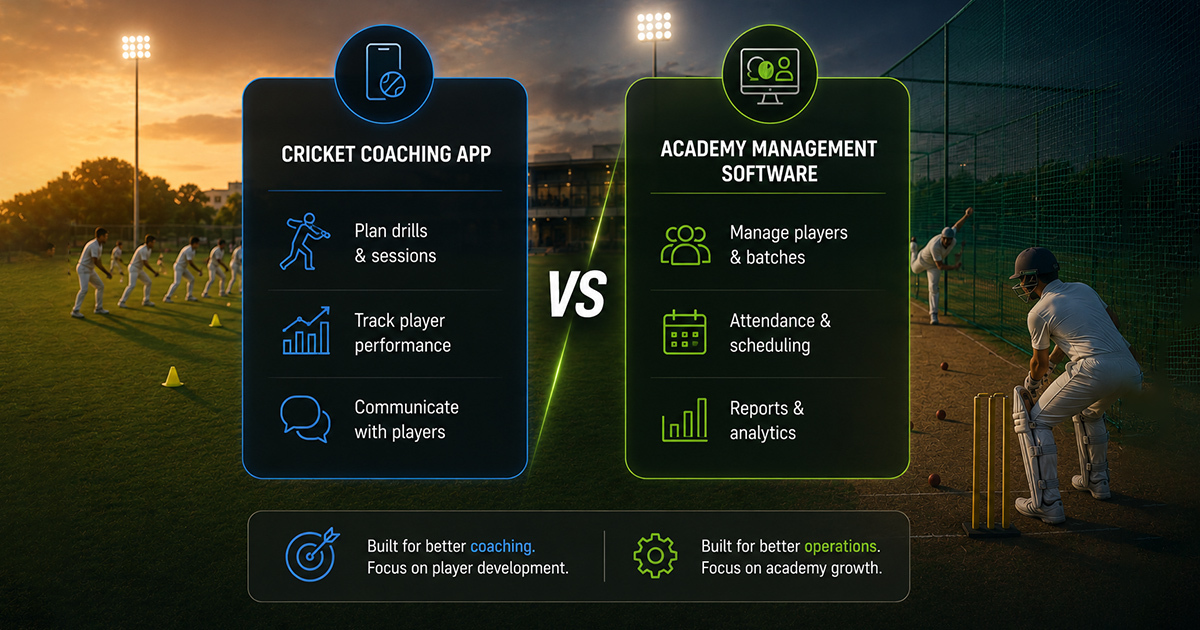 Read More about Cricket Coaching App vs Academy Management Software: What Is the Difference?
Cricket Coaching App vs Academy Management Software: What Is the Difference?
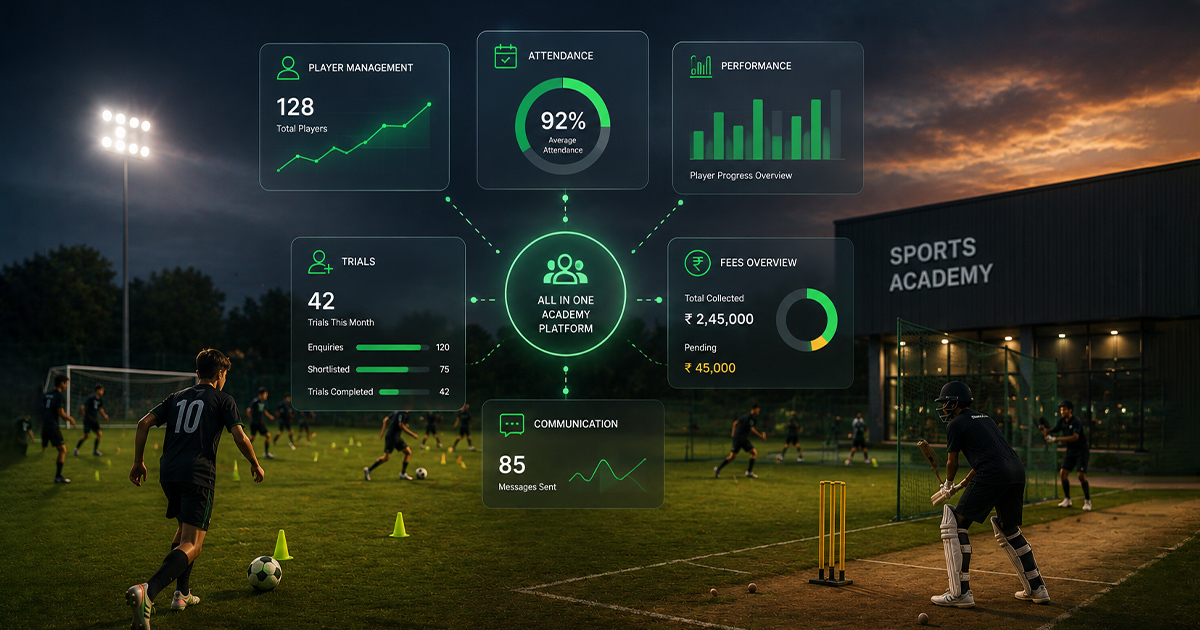 Read More about Best App for Managing Sports Academies: A Practical Guide for Football and Cricket Academy Operations
Best App for Managing Sports Academies: A Practical Guide for Football and Cricket Academy Operations
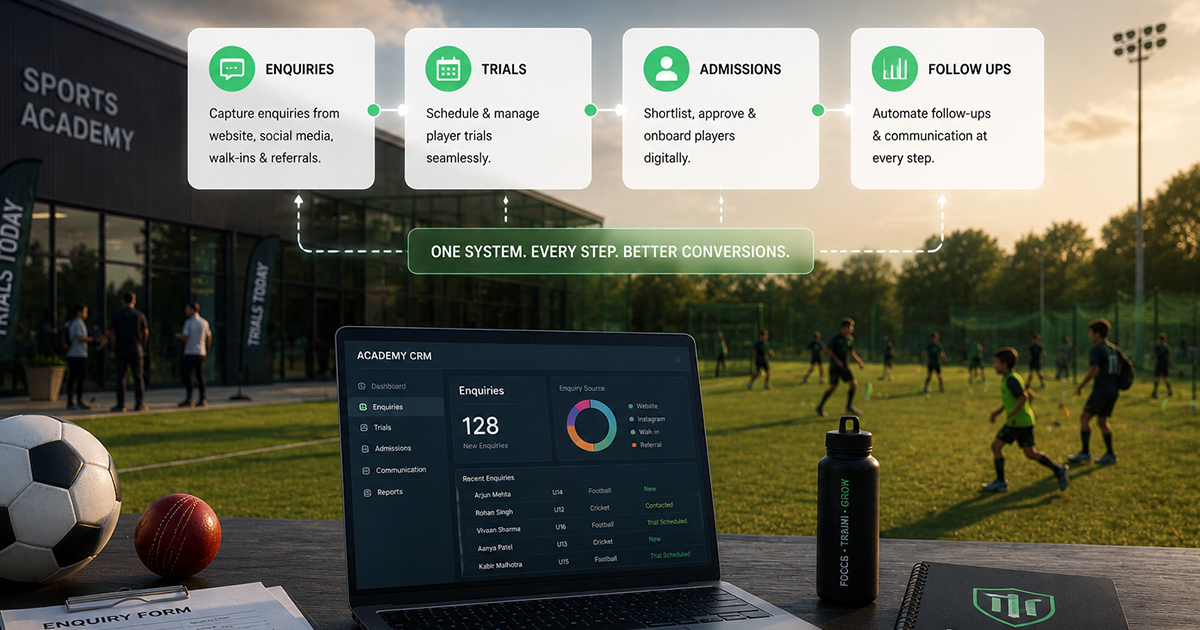 Read More about Sports Academy CRM System: How to Manage Enquiries, Trials and Admissions Efficiently
Sports Academy CRM System: How to Manage Enquiries, Trials and Admissions Efficiently
Latest Articles
 Read More about How Sports Academies Can Reduce Admin Work for Coaches
How Sports Academies Can Reduce Admin Work for Coaches
 Read More about How to Build Age-Wise Player Development Pathways in Football and Cricket
How to Build Age-Wise Player Development Pathways in Football and Cricket
 Read More about Tournament Management Software for Football and Cricket Organizers: A Practical Guide
Tournament Management Software for Football and Cricket Organizers: A Practical Guide
Ready to Bring Structure to Your Academy?
Let’s walk through your current setup and show you how 8lete can improve it.


