



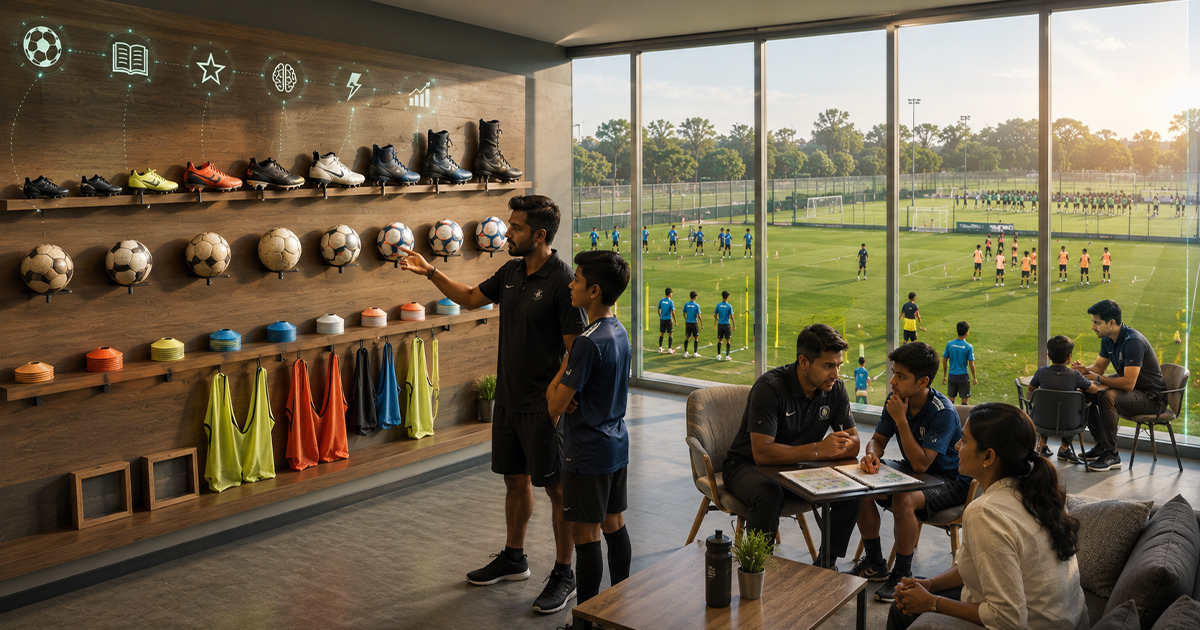
How to Build a Football Development Plan for Youth Players Aged U10 to U18
Creating a clear and effective football development plan for youth players aged U10 to U18 addresses a common challenge faced by coaches and parents: how to structure training and growth over multiple age groups while maintaining a focus on long-term progression. This plan must balance skill development, physical conditioning, and mental growth suited to each stage. In this article, we explore practical steps and age-specific coaching approaches for building a progressive football development pathway that supports both players and those guiding their journey.
What is a Football Development Plan for Youth Players?
A football development plan for youth players is a structured framework outlining training goals, skill progressions, physical conditioning, and learning milestones tailored to players from U10 to U18. It ensures a gradual build-up of technical abilities, tactical understanding, fitness, and mental resilience aligned with natural growth and maturity.
This plan serves as a roadmap for coaches and parents to support consistent development through focused training activities, age-appropriate coaching techniques, and clear markers for progression.
Key Age Groups and Their Development Focus
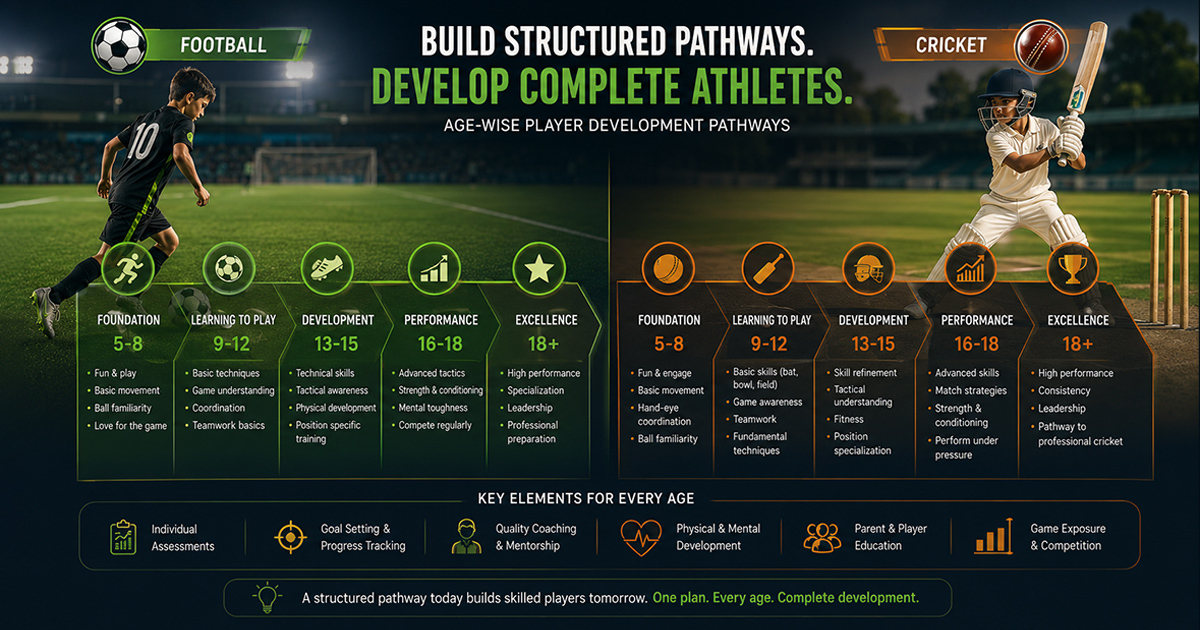
Understanding the distinct needs of each age group helps create relevant training content. For U10 players, development focuses on basic ball skills, coordination, and enjoyment of the game. As players move through U12 and U14, technical precision, spatial awareness, and basic tactical concepts are introduced. Between U15 and U18, the focus shifts towards refining decision-making, physical conditioning, and advanced tactical understanding.
Age-specific football coaching techniques are crucial to match developmental stage demands, ensuring players remain engaged and make steady progress without burnout or frustration.

How to Build a Football Development Plan for Youth Players
Step 1: Define clear, realistic objectives for each age group based on physical, technical, and mental development.
Step 2: Design training sessions that incorporate progressive football practice drills for youth players focusing on core skills such as dribbling, passing, shooting, and defending.
Step 3: Integrate fitness and conditioning components tailored to the age-specific needs, promoting healthy physical growth and injury prevention.
Step 4: Develop a feedback and player development tracking system to monitor progress and adapt training accordingly.
Step 5: Encourage mental and decision-making skill development through game-based scenarios and situational training.
Practical Implementation for Grassroots Clubs
Grassroots clubs can start by structuring weekly sessions that align with the age-based objectives. Using a consistent schedule—warm-up, skill drills, small-sided games, conditioning, and cooldown—helps players and coaches internalize the progression steps. Coaches should focus on repetition of fundamental skills combined with varied scenarios to promote decision-making within a fun environment.
Parents play a key role by fostering routines that support recovery, nutrition, and mindset growth at home. Additionally, clubs can benefit from using player development tracking tools to maintain visibility on individual progress and adjust training loads.
Consistent, age-appropriate training focused on progression is the foundation of effective youth football development.
Common Development Mistakes
One frequent mistake is trying to accelerate players too quickly into tactical or physical demands that exceed their current developmental stage, risking burnout or injury. Another is focusing too heavily on match outcomes rather than skill growth and learning environments. Coaches sometimes neglect individualized adaptation, using a one-size-fits-all approach that can stall progress.
Parents may unintentionally add pressure that affects a player’s motivation or confidence. It’s crucial to prioritize a balance of structured training, rest, and positive reinforcement across all youth levels.
Why Players Struggle Without a Development Plan
Without a structured football development plan, players often face gaps in skill progression, inconsistent physical conditioning, and unclear training goals. This creates confusion and frustration, limiting the player’s ability to build on their strengths or address weaknesses. Random or unplanned training hinders the formation of good habits crucial for long-term success.
A well-designed plan creates a supportive framework that guides players through natural stages of growth, helping coaches and parents stay aligned and focused on meaningful development.
Best Way to Ensure Long-Term Growth from U10 to U18
The best approach to long-term growth is a progressive football training plan that evolves with the player. This means setting milestones for technical skills, physical fitness, and mental resilience that build on each other over time. Combining skill sessions, age-specific fitness and conditioning, and competitive play form the backbone of sustained advancement.
Clubs should adopt a cyclical framework: Training → Feedback → Tracking → Exposure → Progression. This ensures training is purposeful, monitored, and adapted, allowing the player to develop steadily in a balanced and healthy way.
Conclusion
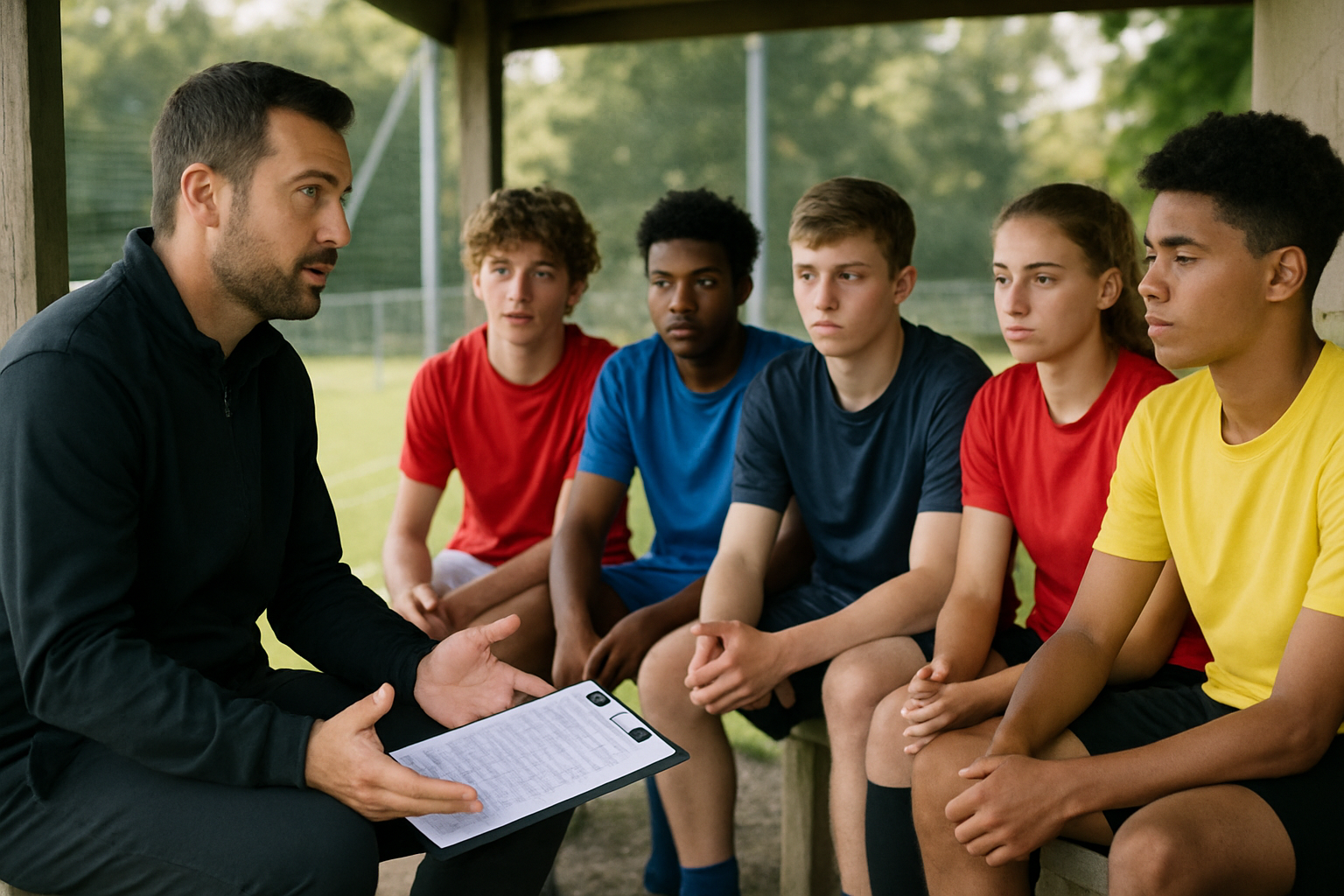
Building an effective football development plan for youth players from U10 to U18 requires intentionality, patience, and structured progression. Coaches and parents must collaborate around age-appropriate training that develops technical skills, physical conditioning, and mental attributes gradually. Avoiding common pitfalls such as rushing growth or ignoring individual needs is essential. Using a clear framework to plan, track, and adjust training fosters a consistent pathway for players to realize their potential. Emphasizing long-term athlete development in football ensures a balanced, sustainable growth environment that respects the player’s journey and passion for the game.
For clubs and academies, adopting systematic structured training systems and player development tracking tools helps maintain clarity across all stages. This not only supports player growth but also strengthens the ecosystem, preparing young athletes for the next levels with greater confidence and competence.
What is a football development plan for youth players?
It is a structured program that outlines skill, fitness, and mental growth goals tailored for players aged U10 to U18.
How to improve youth soccer skills at home?
Focus on basic ball control drills, passing practice, and encouraging regular play to enhance coordination and confidence.
How to get better at football as a youth player?
Consistent practice, receiving feedback, and working on technical drills combined with physical conditioning are key to improvement.
Why am I not improving in football even after training?
Lack of structured training, irregular practice, or training without clear objectives can stall progress in skill development.
How to train youth players effectively in a club setting?
Use age-appropriate drills, focus on progression, maintain variety, and provide clear feedback to support individual development.
Best age to start structured football training?
Basic skill training can start as early as U6 to U8, with more structured programs appropriate from U10 onward.
How long does it take to see progress in youth football training?
With consistent, focused training, noticeable improvement usually appears within several months, but development is a long-term process.

Related Articles
 Read More about How to Improve Bowling Consistency in Young Cricketers: Line, Length and Control
How to Improve Bowling Consistency in Young Cricketers: Line, Length and Control
 Read More about How to Structure Football Assessments for Grassroots Players
How to Structure Football Assessments for Grassroots Players
 Read More about What Cricket Selectors Look For in Young Players Beyond Performance
What Cricket Selectors Look For in Young Players Beyond Performance
Latest Articles
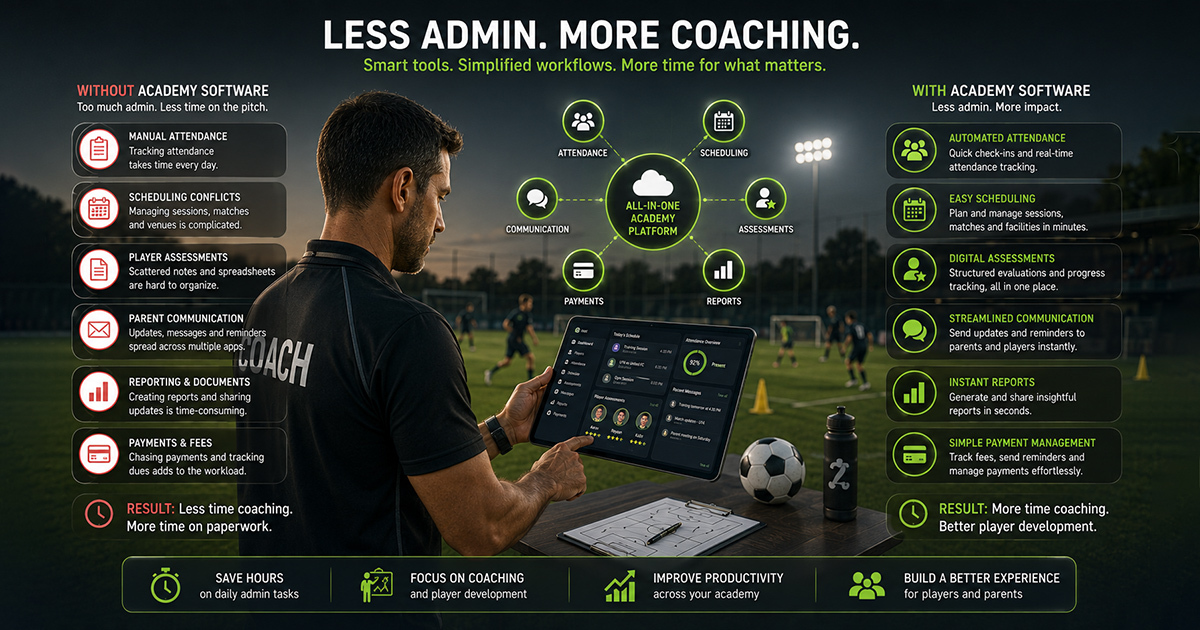 Read More about How Sports Academies Can Reduce Admin Work for Coaches
How Sports Academies Can Reduce Admin Work for Coaches
 Read More about How to Build Age-Wise Player Development Pathways in Football and Cricket
How to Build Age-Wise Player Development Pathways in Football and Cricket
 Read More about Tournament Management Software for Football and Cricket Organizers: A Practical Guide
Tournament Management Software for Football and Cricket Organizers: A Practical Guide
Ready to Bring Structure to Your Academy?
Let’s walk through your current setup and show you how 8lete can improve it.


