




Weekly Cricket Training Session Plan for Grassroots Academies: A Practical Guide
Planning a weekly cricket training session plan is one of the most common challenges facing grassroots academies and coaches who want consistent, structured development for their young players. Many struggle with designing sessions that balance skill drills, fitness, tactical understanding, and mental growth while staying age-appropriate and engaging. This article explains how to structure effective weekly cricket training sessions for academies, focusing on long-term player development, practical coaching flow, and maintaining a positive learning environment.
What Is a Weekly Cricket Training Session Plan?
A weekly cricket training session plan is a purposeful outline that organizes the practice activities, drills, and fitness elements across a given week. It ensures that each session contributes progressively toward skill improvement, physical conditioning, and tactical awareness.
The plan helps coaches balance practice intensity, repetition of essential skills, and player recovery time, all framed within the academy’s broader development goals.
Key Components of an Effective Weekly Cricket Training Session Plan
Skill Development: Fundamental batting, bowling, fielding, and catching drills adapted to age and skill level.
Fitness Training: Cricket-specific fitness such as agility, endurance, and strength building, designed for beginners and youth players.
Tactical Awareness: Basic understanding of game scenarios, field placements, and decision-making under pressure.
Mental and Recovery Aspects: Encouraging focus, discipline, and adequate rest between intense drills to support sustained growth.
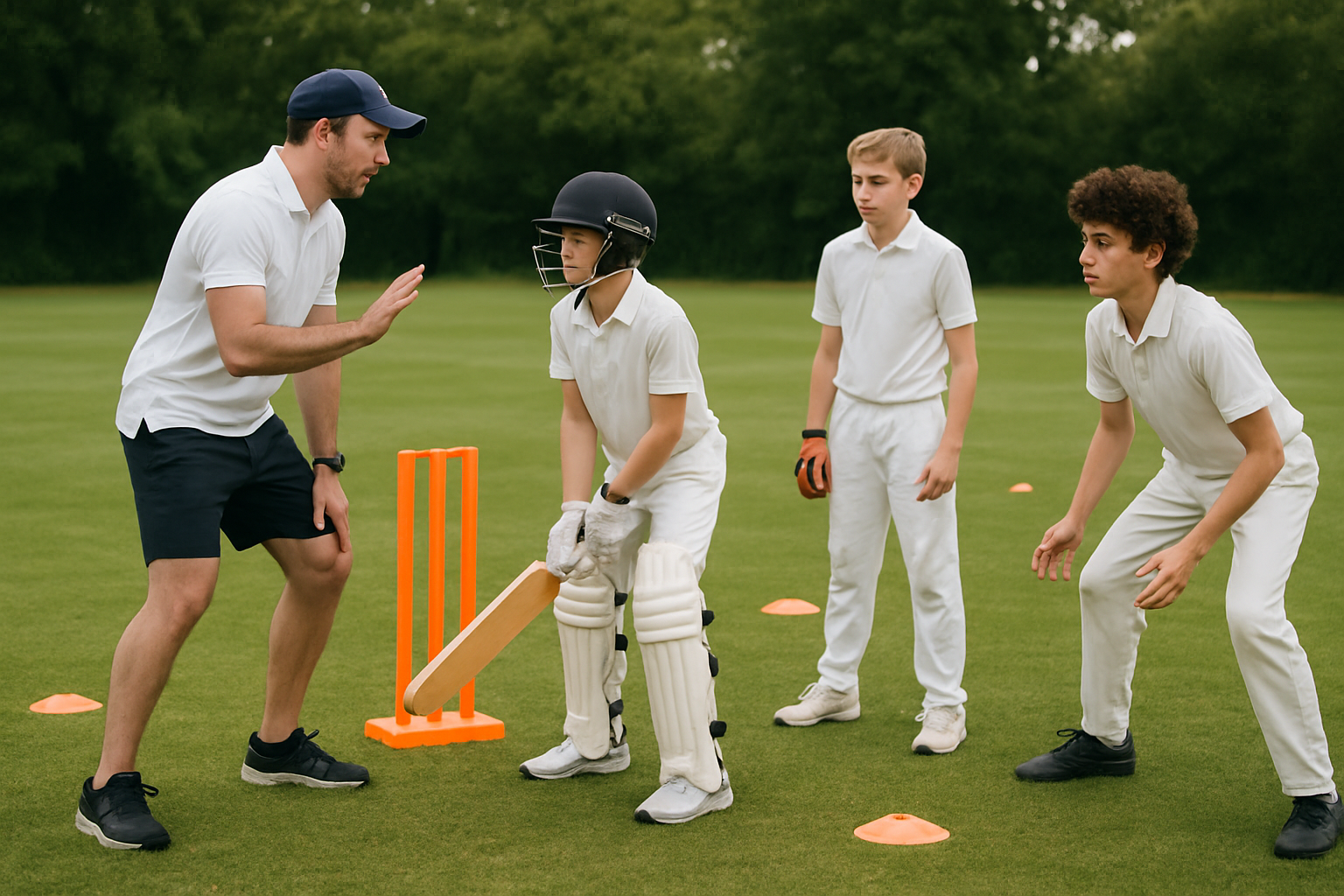
How to Improve Weekly Cricket Training Session Plans for Academies?
Improvement starts with planning that reflects player age groups, skill levels, and individual needs within the squad. Consistency and progress tracking are vital. Coaches should regularly assess players' technical execution and fitness levels to adjust drills accordingly.
Integrating a variety of drills—such as close-catching exercises, bowling line and length accuracy, and situational batting practice—keeps players engaged and developing holistically. Fitness training should be gradual and cricket-specific, pairing skill sessions with agility and basic strength work.
Practical Implementation for Grassroots Clubs
Grassroots academies benefit from structured weekly plans that allocate time for warm-ups, skill work, fitness, and cool-downs in every session. For example, a Monday session could emphasize batting technique and fitness conditioning, while Wednesday focuses on bowling skills and fielding drills, both rounded off with tactical discussions.
Building a clear schedule supports player improvement and helps parents understand the curriculum. It also ties into broader academy operations best practices, ensuring sessions are safe, productive, and aligned with long-term development goals.
Consistent, focused training schedules form the foundation of long-term player development in youth cricket.
Common Development Mistakes in Weekly Cricket Training
One frequent mistake is overloading sessions with too many drills without sufficient repetition. This can overwhelm young players and hinder muscle memory development. Another issue is neglecting rest periods and recovery, which can cause fatigue and limit progress.
Similarly, some coaches focus heavily on physical skills but overlook tactical and mental coaching. Balanced sessions that incorporate decision-making and focus techniques will create more resilient, adaptable players.
Organising Cricket Practice Sessions: A Simple Framework
To keep weekly sessions effective, use this framework:
- Warm-up (10-15 min): Dynamic stretches and light aerobic exercises to prepare the body for training.
- Skill Drills (30-40 min): Focused technical work on batting, bowling, or fielding with clear objectives.
- Fitness Training (15-20 min): Cricket-specific exercises emphasizing agility, coordination, and endurance.
- Tactical or Game Scenario Work (10-15 min): Small-sided games or scenario simulations to practice decision-making.
- Cool-down and Feedback (5-10 min): Stretching followed by coach feedback and player reflection.
This cycle ensures players receive balanced exposure, learn efficiently, and maintain motivation across training weeks.
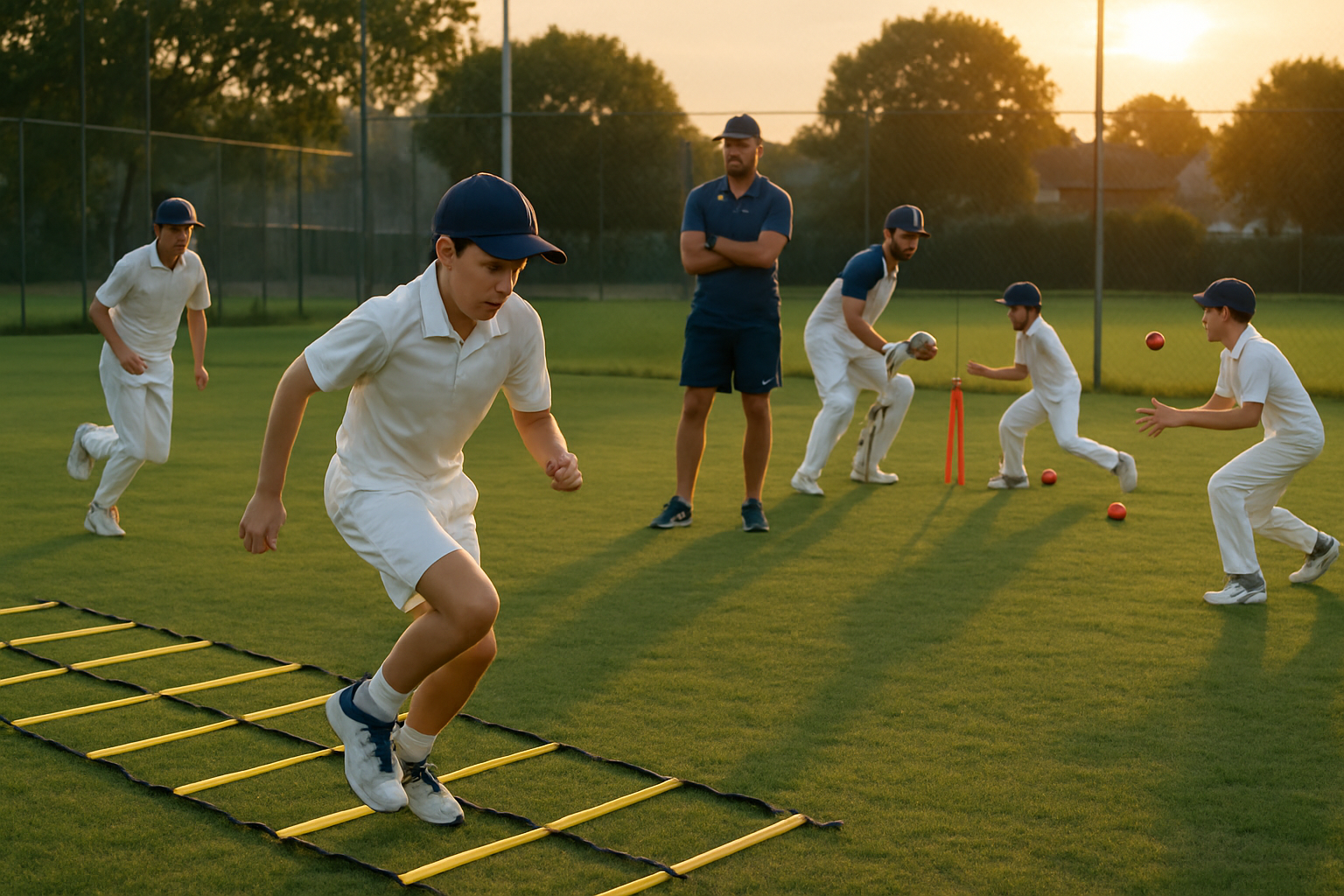
Why Players Struggle with Consistency Without a Plan
Without a structured weekly cricket training session plan, players often face inconsistent progress. Sessions that lack clear focus dilute learning and reduce the opportunities to correct technical flaws through repetition. Players may also experience uneven fitness gains, increasing injury risk.
A structured plan supports steady, intentional development and builds confidence by setting achievable weekly targets—vital for young athletes balancing sport commitments and personal growth.
Conclusion
Creating a well-rounded weekly cricket training session plan is essential for grassroots academies dedicated to player progression. By focusing on age-appropriate skill development, cricket fitness training for beginners, and tactical awareness within a consistent framework, coaches set players up for sustained improvement and enjoyment. Avoiding common pitfalls like overloading sessions or neglecting recovery helps maintain motivation and long-term commitment. Integrating a structured schedule that includes warm-ups, focused drills, fitness, tactical work, and feedback supports development in every session. For coaches and academy owners, aligning this with strong academy operations best practices maximizes training quality and player growth potential, ultimately creating a positive environment where youth cricket coaching programs thrive.
What is a weekly cricket training session plan?
It is a structured outline of practice activities and drills planned across a week to develop skills, fitness, and tactical understanding.
How does planning cricket drills for youth players help development?
Well-planned drills focus on skill repetition and progression, ensuring players steadily improve without getting overwhelmed.
How to improve cricket skills in academies effectively?
By combining consistent technical drills, cricket-specific fitness, game scenario practice, and regular performance tracking.
Why am I not improving consistently in cricket training?
Inconsistent progress often comes from lack of structured sessions, insufficient repetition, or inadequate rest and recovery.
What is the best way to organise cricket practice sessions for youth players?
Use a balanced framework with warm-up, skill drills, fitness training, tactical work, and cool-down with player feedback.
What are grassroots cricket coaching tips for beginners?
Focus on age-appropriate activities, keep sessions engaging but structured, emphasize basics, and allow regular rest periods.
How long does it take to see progress with a weekly cricket training session plan?
With consistent effort and good planning, noticeable skill improvements can appear in as little as 6 to 8 weeks.


Related Articles
 Read More about How Coaches Can Help Football Players Handle Match Pressure
How Coaches Can Help Football Players Handle Match Pressure
 Read More about How to Improve Batting Technique in Young Cricketers: A Coach’s Guide
How to Improve Batting Technique in Young Cricketers: A Coach’s Guide
 Read More about AI Cricket Coaching for Grassroots Academies: What You Need to Know
AI Cricket Coaching for Grassroots Academies: What You Need to Know
Latest Articles
 Read More about How Sports Academies Can Reduce Admin Work for Coaches
How Sports Academies Can Reduce Admin Work for Coaches
 Read More about How to Build Age-Wise Player Development Pathways in Football and Cricket
How to Build Age-Wise Player Development Pathways in Football and Cricket
 Read More about Tournament Management Software for Football and Cricket Organizers: A Practical Guide
Tournament Management Software for Football and Cricket Organizers: A Practical Guide
Ready to Bring Structure to Your Academy?
Let’s walk through your current setup and show you how 8lete can improve it.


