



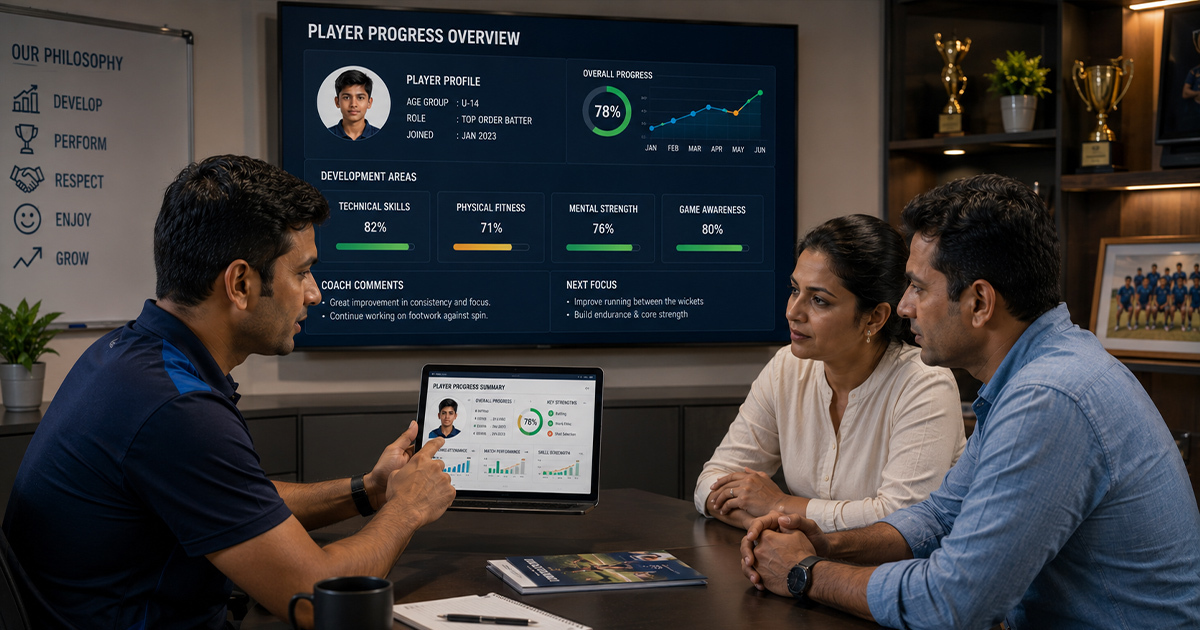
How Academies Can Communicate Player Progress Better to Parents
Player progress communication in academies is the structured sharing of clear, consistent, and meaningful updates on a young athlete's development journey with their parents. Many grassroots academies struggle with keeping parents adequately informed, causing frustration, confusion, or misplaced expectations that can impact trust and player motivation. Enhancing this communication is essential for long-term player growth, parent engagement, and academy credibility. This article offers a practical framework and actionable steps for academies to improve parent communication about player progress effectively, turning updates into a collaborative development tool.
A Practical Framework for Effective Player Progress Communication
1. Define Clear Development Goals: Set specific, measurable objectives for each player aligned with their age and stage. Communicate these goals to parents upfront to establish shared expectations.
2. Track Consistent Training and Attendance: Maintain regular records of sessions attended and training performed. This creates transparency on effort and discipline, which parents must understand.
3. Provide Structured Coach Feedback: Use standardized templates or digital tools for coaches to document observations, corrections, and praise clearly and consistently.
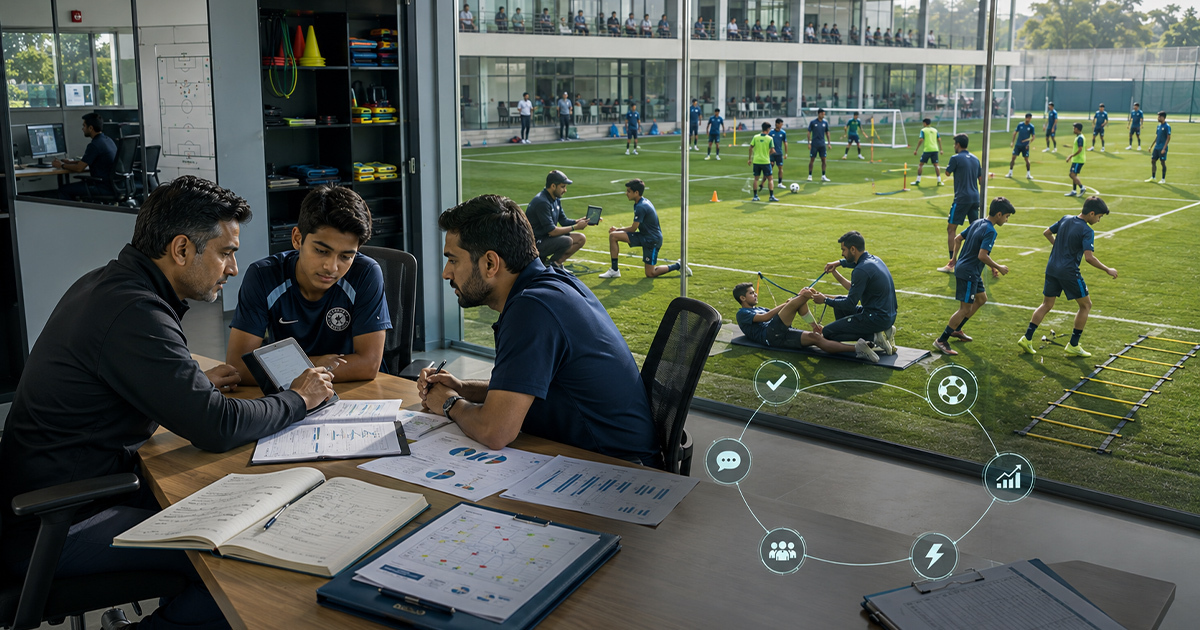
4. Conduct Regular Player Assessments: Schedule periodic reviews covering skills, fitness, decision-making, and mental attributes, and summarize findings for parents.
5. Offer Transparent Progress Reports: Develop easy-to-understand reports with qualitative and quantitative data showing improvements and areas to work on.
6. Maintain Open Parent Communication Channels: Use emails, messaging apps, or parent meetings to answer questions and share updates actively, making parents partners in development.
7. Set Long-term Tracking Mechanisms: Ensure progress tracking is continuous and cumulative, allowing parents to see growth trends beyond short-term performance fluctuations.
Why Player Progress Communication Matters for Academies and Parents
From a parent's perspective, knowing how their child is developing prevents unrealistic expectations and builds trust. One grassroots academy parent shared that before structured reports, they felt ‘in the dark’ about their child's training consistency or learning focus. After receiving detailed progress updates, the parent could better support practice routines at home.
Academies benefit through improved player retention and reputation. A club owner who adopted digital attendance and feedback tracking noticed increased parent satisfaction and fewer fee payment delays, as parents felt connected to their child's journey.

Practical checklist
Use this checklist to audit and improve your player progress communication system:
- Is each player's development goal clearly shared with their parent at admission?
- Are attendance and training sessions consistently recorded and accessible?
- Do coaches provide structured feedback after each training cycle or match?
- Are player assessments scheduled regularly and communicated promptly?
- Do progress reports contain both quantitative data (e.g., skill scores) and qualitative insights (coach comments)?
- Are communication channels open for parents to ask questions and receive timely responses?
- Is historical progress data maintained to show long-term development rather than only recent performance?
- Are updates delivered in clear, jargon-free language understandable to parents with varying sports knowledge?
- Is parent feedback collected periodically to refine communication methods?
- Do academy systems integrate attendance, assessments, and parent reports to avoid fragmented information?
Role-wise Guidance for Player Progress Communication
Players: Focus on consistent attendance and understanding your training goals. Ask your coach for feedback regularly to know your development areas.
Coaches: Document detailed notes on technical, tactical, and mental progress. Use clear examples and link feedback to the player’s goals. Plan assessment cycles and prepare reports for parents in advance.
Parents: Engage actively by reviewing progress reports and asking specific questions. Avoid expecting instant results—look for consistent improvement and discipline. Support your child’s practice based on clear coach feedback.
Academy Owners: Build systems that integrate attendance, assessments, coach workflows, and parent communication. Train coaches on structured reporting and establish regular parent meetings to share progress transparently.
Consistent, clear communication builds trust and turns parents into active partners in player development.
Stage-wise Communication Implementation in Academies
Beginner (U8–U10): Focus on simple goals like coordination and basic skills. Use visually engaging reports with smiley scales or simple ratings. Parents need frequent informal updates.
Intermediate (U11–U14): Introduce more technical and tactical goals. Provide detailed skill assessments and attendance discipline reports. Encourage parents to discuss training consistency.
Advanced (U15+): Communicate specialized performance indicators, decision-making, physical conditioning, and mental attributes. Use data-driven reports and encourage parent involvement in recovery and match preparation.
Common mistakes
Mistake 1: Irregular or generic updates
Academies often send random, non-specific updates that confuse parents. Fix: Schedule regular updates tied to assessments, and personalize reports to each player’s progress.
Mistake 2: Lack of coach accountability for feedback
Coaches sometimes neglect written notes or informal feedback, leading to information gaps. Fix: Implement a standardized feedback template and assign responsibility for timely completion.
Mistake 3: Using technical jargon
Parents without sports background find reports hard to understand, reducing engagement. Fix: Use simple language, explain technical terms, and provide examples or analogies.
Mistake 4: Ignoring long-term trends
Focusing only on recent performances leads to misleading parent perceptions. Fix: Maintain cumulative records and show progress over months or seasons.
Mistake 5: Limited parent interaction channels
Few opportunities for parents to clarify doubts weakens trust. Fix: Establish regular parent meetings, Q&A sessions, and use messaging platforms for quick communication.
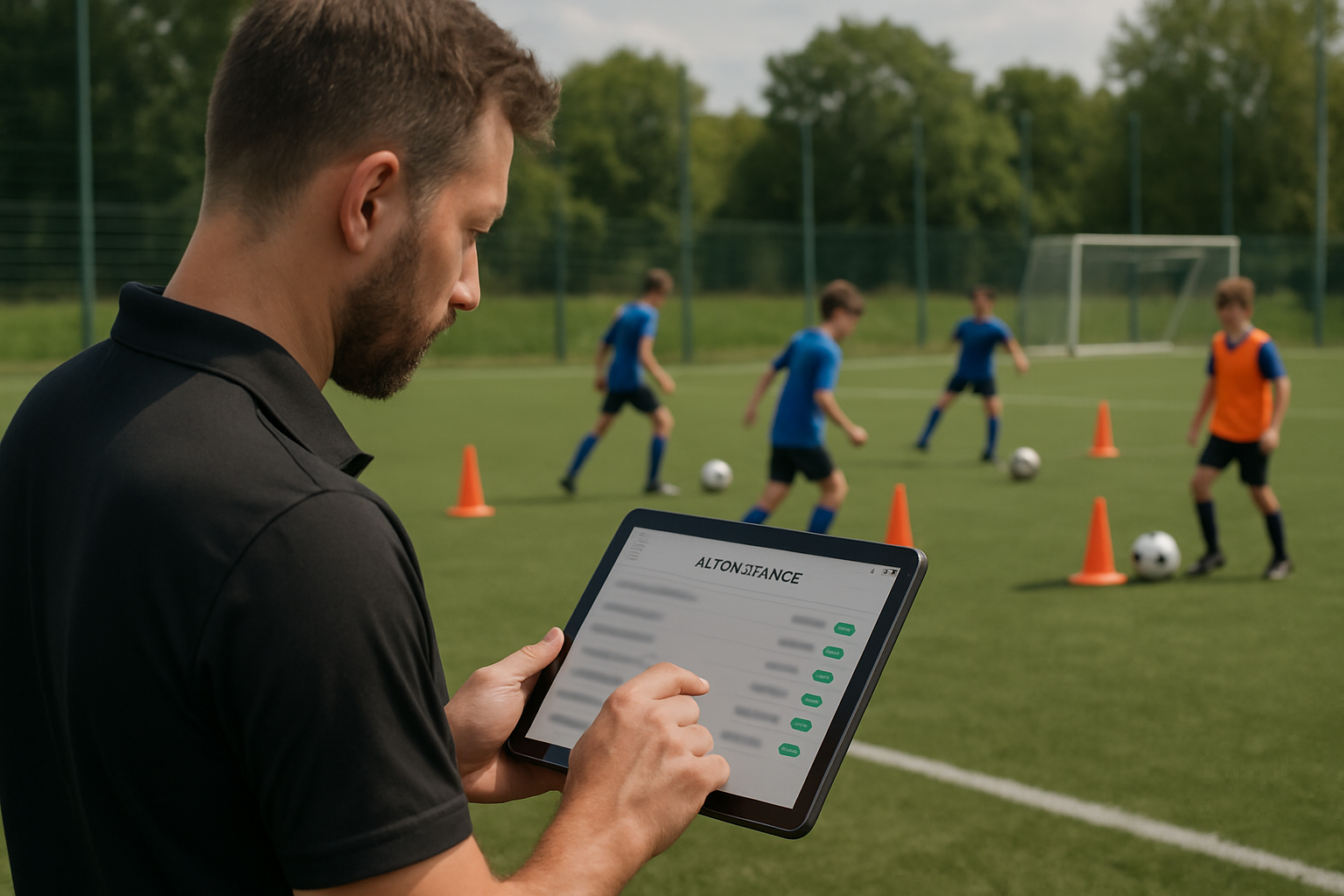
A Practical Communication Workflow for Academies
Implement this workflow to ensure consistent and clear player progress communication:
- Session Planning: Coaches map training objectives for each batch focused on player goals.
- Attendance Management: Record player attendance diligently each session to track discipline.
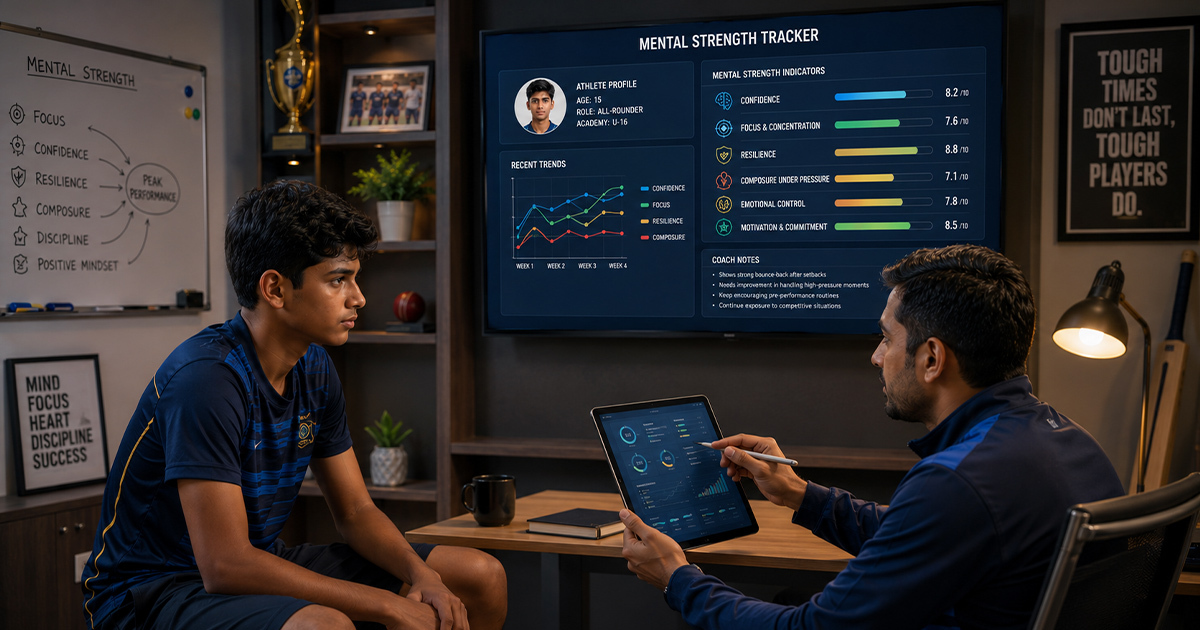
- Player Assessments: Schedule evaluations that cover skills, tactics, fitness, and mindset.
- Coach Notes: After assessments and matches, coaches document detailed feedback for each player.
- Parent Reports: Compile assessments and coach notes into accessible reports and share them regularly.
- Next Goal Setting: Discuss and set objectives for players, closing the communication loop with parents.
This structured cycle builds transparency and ongoing parent engagement, supporting player growth and trust in the academy’s process.
Grassroots Examples of Improved Player Progress Communication
1. A football academy in Bangalore introduced monthly video summaries of player training highlights shared with parents, increasing engagement and follow-up questions that improved home training quality.
2. A multi-sport academy in Pune automated attendance and coach feedback logging using a simple app. Parents received weekly summaries, leading to fewer misunderstandings about attendance issues.
3. A cricket academy in Mumbai implemented quarterly skill assessment reports with numeric scoring and coach comments. This helped parents understand fluctuating performances without panicking over short-term dips.
How Academies Can Overcome Parent Communication Challenges
Challenge: Parents have varying sports knowledge levels, making uniform communication difficult.
Solution: Segment communication by age and expertise, provide glossaries for technical terms, and encourage questions to clarify doubts.
Challenge: Coaches overloaded with operational tasks may delay feedback and updates.
Solution: Use academy management tools that streamline attendance, assessment, and report creation workflows, freeing coaches to focus on training and communication.
What is player progress communication in academies?
Player progress communication involves sharing regular, clear updates about a young athlete’s development with their parents. It includes training attendance, skill improvements, assessments, and coach feedback to keep parents informed and engaged.
How can academies track player development for parents effectively?
Academies should maintain consistent attendance records, schedule periodic skill assessments, and document coach observations. These data points can be compiled into easy-to-understand progress reports shared regularly with parents.
How to improve academy parent communication strategies?
Improvement comes from structured communication plans detailing goals, scheduled assessment updates, and ensuring accessible reporting formats. Engaging parents through meetings and open channels also enhances communication effectiveness.
Why am I not seeing consistent updates on my child's progress from the academy?
This may result from lack of structured tracking systems or coach accountability. Address it by requesting specific feedback, suggesting regular updates, and encouraging the academy to implement standardized reporting workflows.
How long does it take to build an effective player progress communication system in an academy?
Implementing a basic workflow with attendance tracking and periodic assessments can take a few weeks. Full adoption and habit formation of regular parent reporting may take a few months depending on the academy’s scale and readiness.
What tools can help academies communicate player progress better to parents?
Digital attendance trackers, coach feedback apps, assessment management software, and automated report generators are practical tools. These help compile and share consistent, clear player progress information with parents efficiently.

Related Articles
 Read More about Why Football Academy Player Tracking Systems Must Go Beyond Attendance
Why Football Academy Player Tracking Systems Must Go Beyond Attendance
 Read More about How Sports Academies Can Use Technology to Manage Players, Coaches and Parents
How Sports Academies Can Use Technology to Manage Players, Coaches and Parents
 Read More about How Football Academies Can Reduce Dropouts and Retain Players
How Football Academies Can Reduce Dropouts and Retain Players
Latest Articles
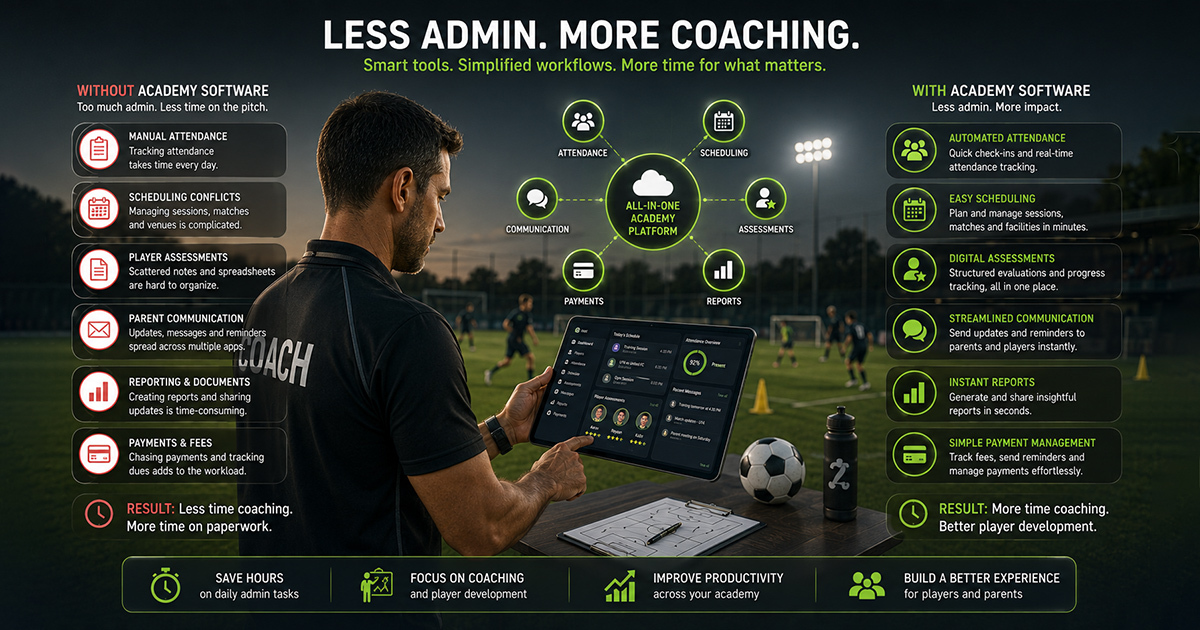 Read More about How Sports Academies Can Reduce Admin Work for Coaches
How Sports Academies Can Reduce Admin Work for Coaches
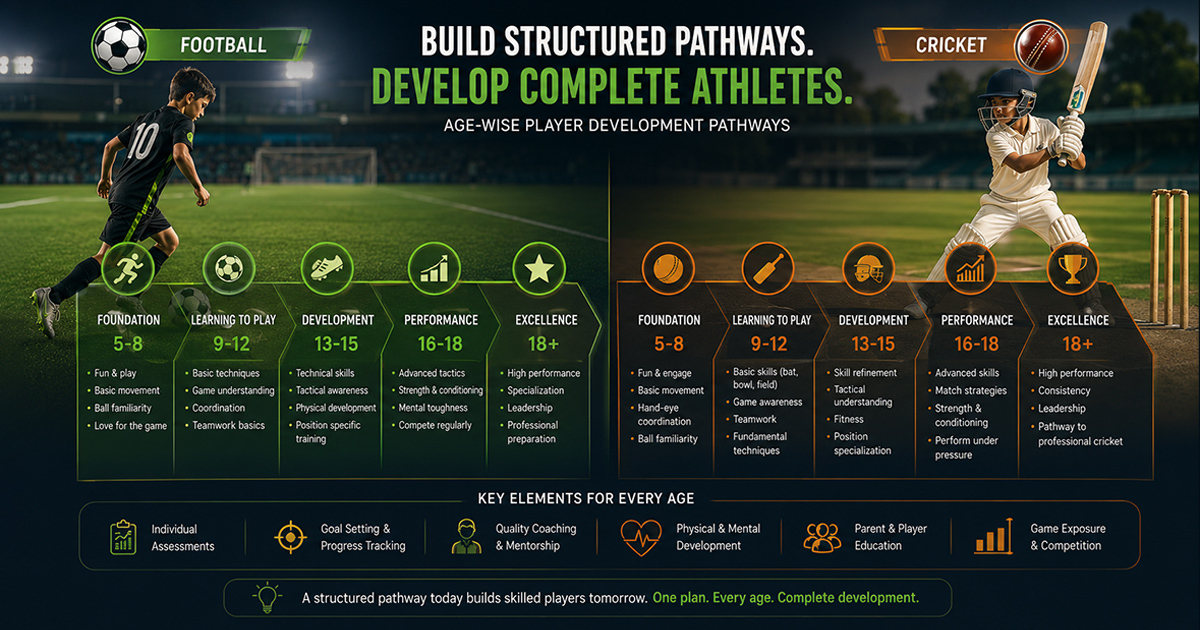 Read More about How to Build Age-Wise Player Development Pathways in Football and Cricket
How to Build Age-Wise Player Development Pathways in Football and Cricket
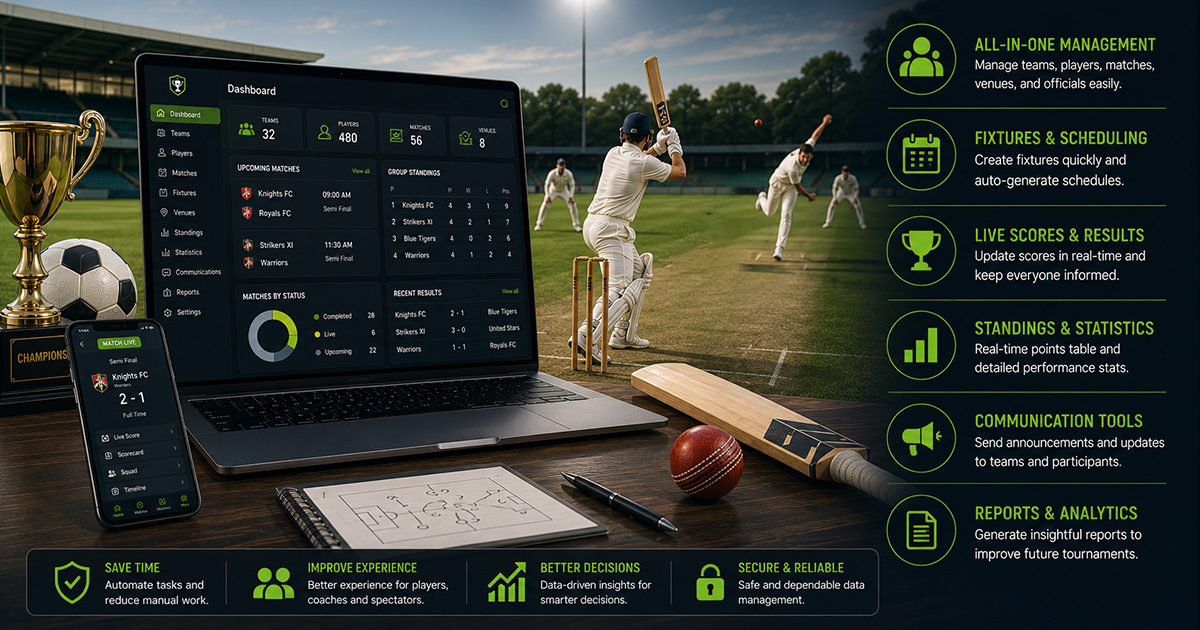 Read More about Tournament Management Software for Football and Cricket Organizers: A Practical Guide
Tournament Management Software for Football and Cricket Organizers: A Practical Guide
Ready to Bring Structure to Your Academy?
Let’s walk through your current setup and show you how 8lete can improve it.


