



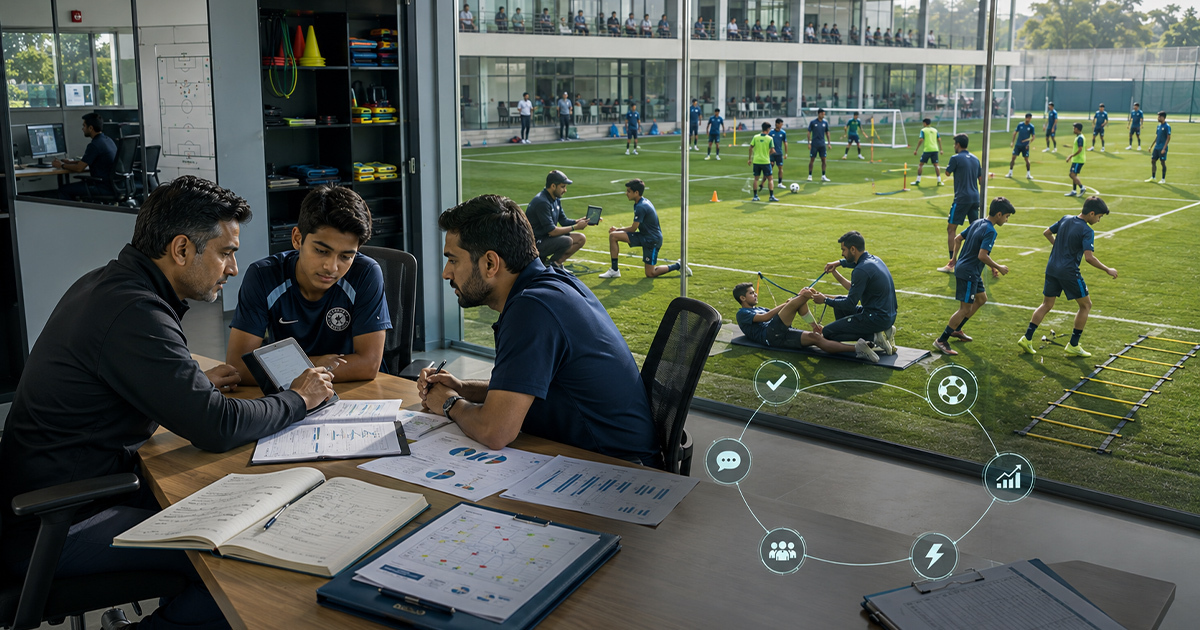
Why Football Academy Player Tracking Systems Must Go Beyond Attendance
Football academy player tracking systems are often equated with simple attendance registers, but this narrow view limits their true potential. Coaches, academy managers, parents, and players frequently face challenges in monitoring development effectively when tracking focuses only on presence at training. This article explores why football academy player tracking systems must integrate broader performance and progress monitoring tools to truly support long-term growth and structured development.
What Is a Football Academy Player Tracking System?
A football academy player tracking system is a digital or manual process used by academies to record and analyze various aspects of a player's journey, from attendance to skill development and physical performance. While attendance tracking is a foundational element, comprehensive systems also include training load, technical skills, physical metrics, and behavioral observations.
By going beyond attendance, these systems provide a multidimensional view, enabling coaches to identify patterns, address developmental gaps, and support tailored progression that meets each player's individual needs across technical, tactical, physical, and mental areas.
Why Players and Coaches Need More Than Attendance Monitoring
A focus solely on player attendance can overlook key factors that influence long-term development, like training intensity, skill acquisition, decision-making under pressure, and recovery management. Players might attend regularly without meaningful engagement or progression, while those who occasionally miss sessions could be excelling through quality training and personal practice.
For coaches, knowing who shows up is important, but understanding how players perform during those sessions allows for better individual feedback, program adjustments, and player motivation. Clubs benefit from detailed data to design more effective training plans and developmental pathways.

How to Improve Football Academy Player Tracking Systems
Incorporating structured training metrics such as technical skill assessments, physical performance data, and behavioral feedback creates a robust tracking framework. Using tools like football training analytics software can enhance accuracy and efficiency, allowing coaches to monitor progress comprehensively.
Furthermore, integrating player wellness and recovery data helps prevent burnout and supports mental growth. Combining attendance with these qualitative and quantitative inputs solidifies a clearer picture of each player's developmental trajectory.
Tracking must capture more than presence to support real player growth and informed coaching decisions.
Practical Implementation for Grassroots Clubs
Grassroots clubs can start enhancing their player tracking by adopting simple performance monitoring checklists alongside attendance records. This includes standardized skill ratings after each session, basic physical tests, and observations about attitude and focus.
Using accessible football academy management software designed for youth sports can unify these data points, supporting coaches and parents with clear reports and progress summaries. This approach nurtures transparency and helps maintain consistent motivation among young players.
Common Development Mistakes
Relying exclusively on attendance data is a common mistake that leads to missed signs of stagnation or fatigue. Another frequent error is not involving players and parents in understanding developmental feedback, which reduces engagement with the process.
Similarly, inconsistent data collection or lack of structured frameworks for performance evaluation can create confusion and unreliable tracking. Clubs missing these crucial elements fail to leverage the benefits of modern football academy player tracking systems.
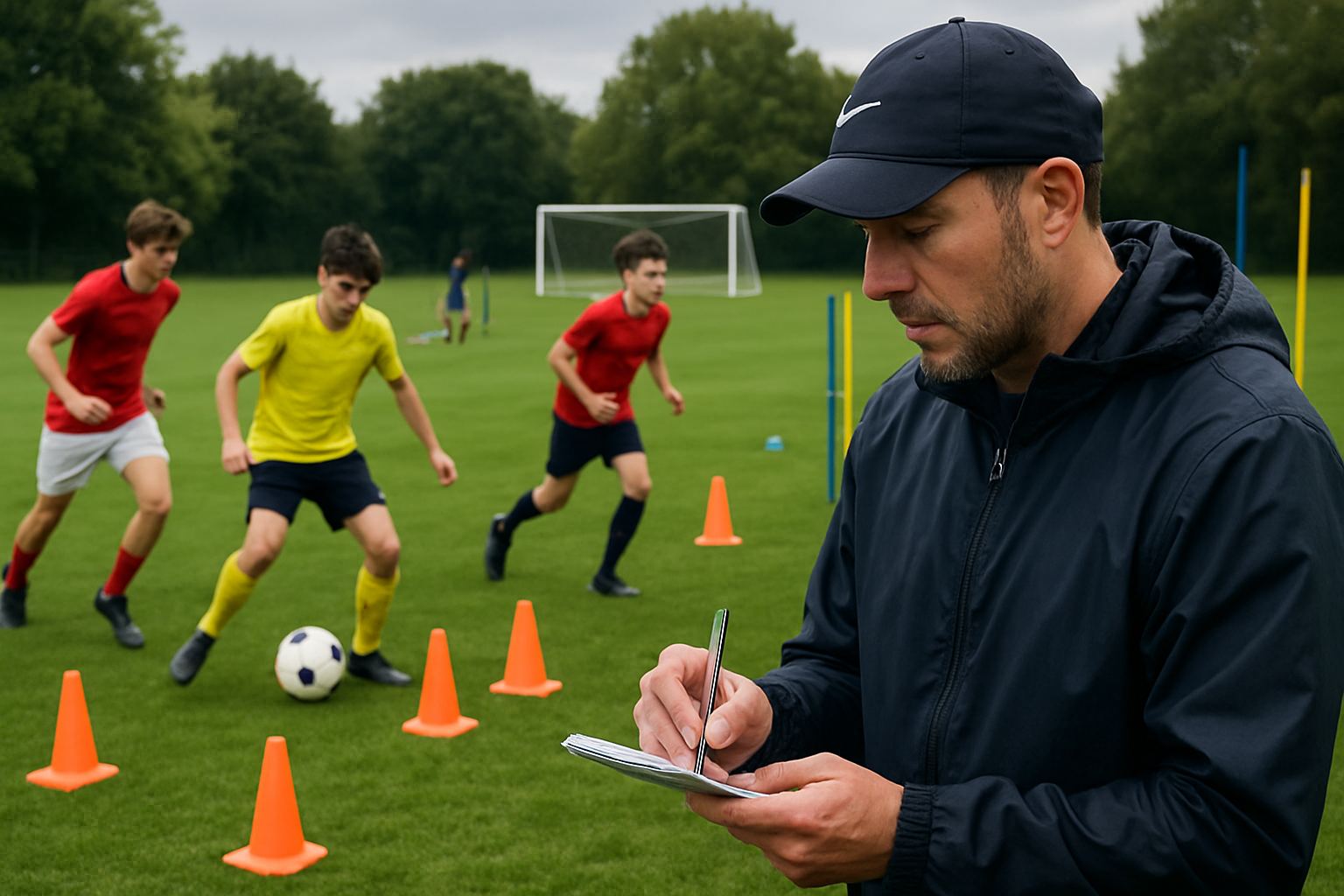
Benefits of Comprehensive Player Tracking in Football Academies
Comprehensive tracking systems foster a culture of continuous improvement and accountability. They help identify strengths and weaknesses early, support customized training plans, and enable data-driven decision-making.
Parents appreciate clear development insights that explain progress beyond attendance, and players benefit from targeted support that nurtures resilience, discipline, and technical refinement. These systems support structured player visibility and reinforce the long-term growth philosophy essential in grassroots football.
Conclusion
In summary, effective football academy player tracking systems extend well beyond simple attendance records. They incorporate multi-dimensional monitoring of performance, training quality, behavioral factors, and recovery, creating a clear pathway for sustainable development. For academies, coaches, parents, and players, investing in these comprehensive systems enhances understanding, engagement, and results while supporting the principles of structured training systems and long-term player development. Embracing broader tracking is essential for nurturing talent and optimizing every young player's journey within grassroots football.
What is a football academy player tracking system?
It is a system used to monitor aspects of a player's development, including attendance, performance, skills, physical metrics, and behavior.
How does player attendance impact development in football academies?
Attendance supports consistency, but alone it does not guarantee progress; meaningful engagement and quality training matter more.
How to improve football academy player tracking beyond attendance?
Integrate skill assessments, physical performance tests, behavioral feedback, and recovery monitoring alongside attendance data.
Why am I not improving despite regular attendance in academy training?
Improvement requires quality training, focus, and feedback, not just attendance. Tracking broader metrics can highlight gaps.
How to get better at football training in a grassroots academy?
Focus on consistent practice, seek detailed coach feedback, track your progress, and work on both physical and mental aspects.
What is the best age to start structured player tracking in football academies?
Starting formal tracking around ages 10 to 12 allows development of habits while monitoring skills and physical growth appropriately.
How long does it take to see progress using comprehensive player tracking?
Progress varies by individual but consistent use of detailed tracking often shows meaningful development within months to a year.

Related Articles
 Read More about How Sports Academies Can Use Technology to Manage Players, Coaches and Parents
How Sports Academies Can Use Technology to Manage Players, Coaches and Parents
 Read More about How Football Academies Can Reduce Dropouts and Retain Players
How Football Academies Can Reduce Dropouts and Retain Players
 Read More about How to Start a Cricket Academy in India: Step-by-Step Guide for Coaches and Club Owners
How to Start a Cricket Academy in India: Step-by-Step Guide for Coaches and Club Owners
Latest Articles
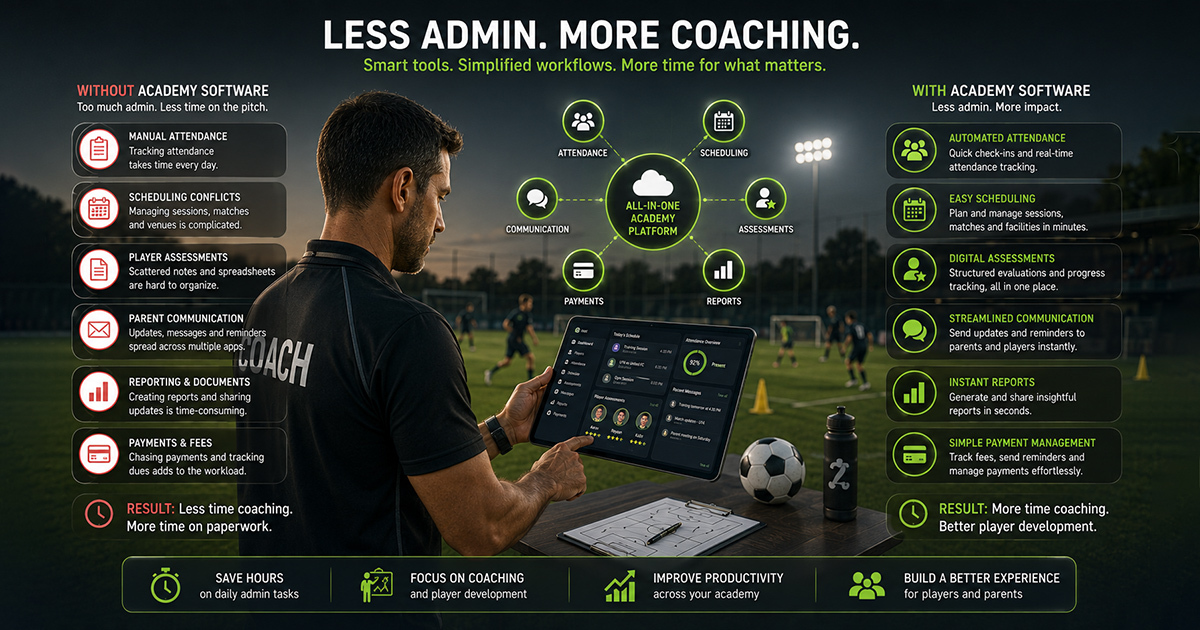 Read More about How Sports Academies Can Reduce Admin Work for Coaches
How Sports Academies Can Reduce Admin Work for Coaches
 Read More about How to Build Age-Wise Player Development Pathways in Football and Cricket
How to Build Age-Wise Player Development Pathways in Football and Cricket
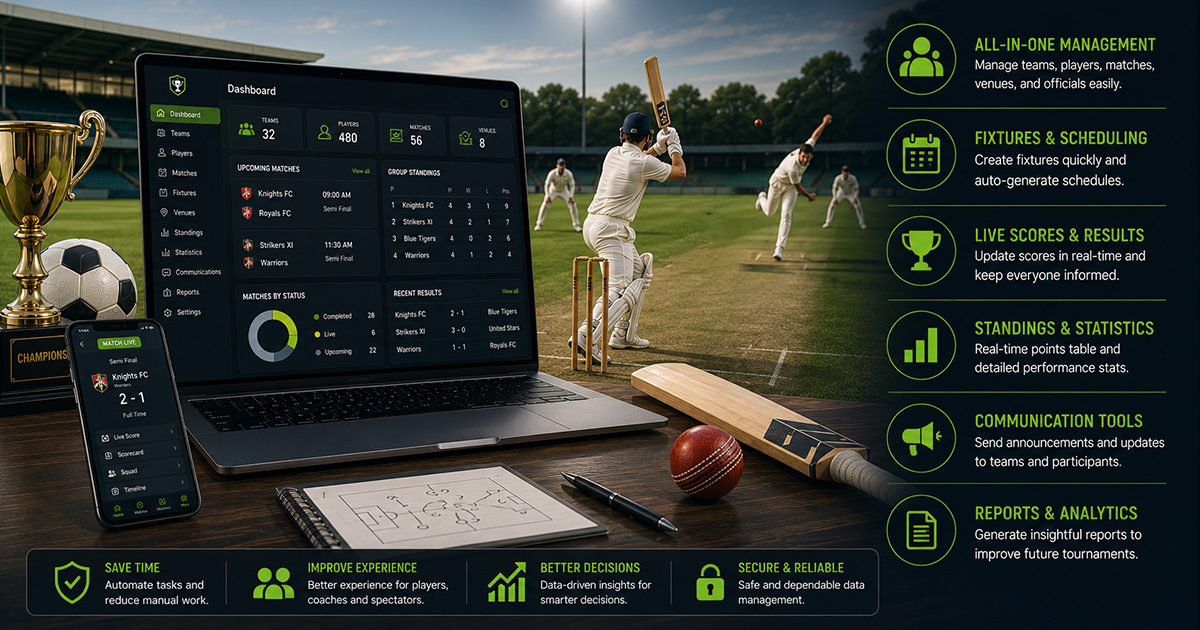 Read More about Tournament Management Software for Football and Cricket Organizers: A Practical Guide
Tournament Management Software for Football and Cricket Organizers: A Practical Guide
Ready to Bring Structure to Your Academy?
Let’s walk through your current setup and show you how 8lete can improve it.


