



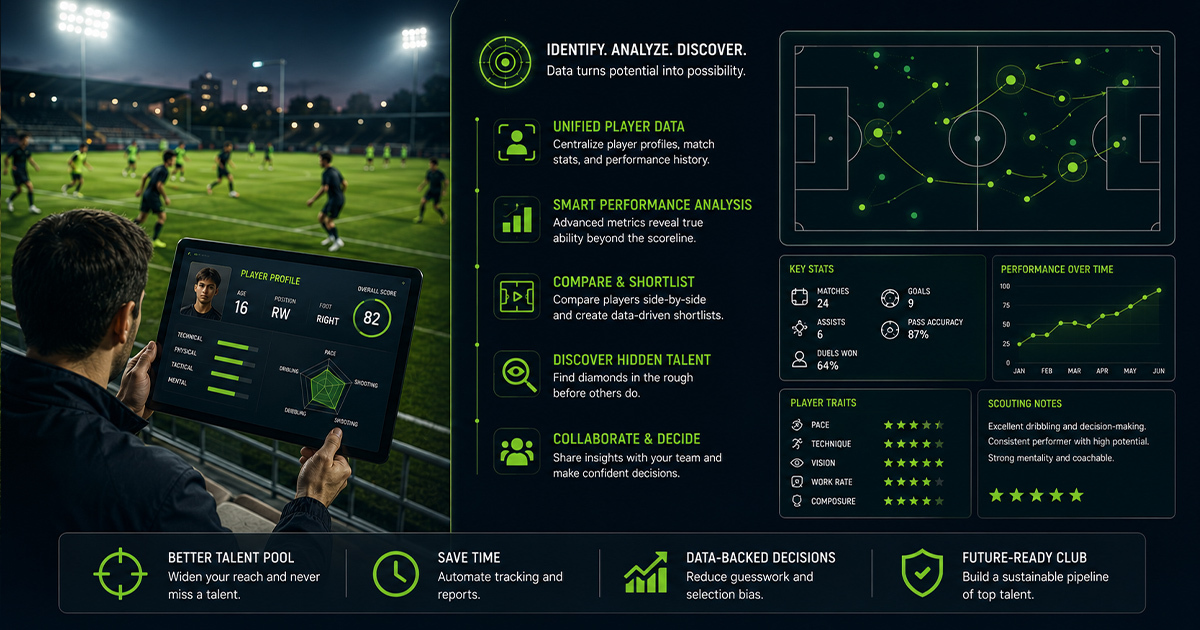
Football Scouting Platform: How Data Can Improve Talent Discovery
A football scouting platform is a digital system that uses data and technology to improve talent identification by collecting, analyzing, and tracking player performance beyond traditional observation methods. For coaches, academy owners, players, and parents, navigating the crowded grassroots football scene to discover genuine talent can be overwhelming and subjective. Leveraging a football scouting platform ensures long-term development by enabling consistent, objective evaluations, informed recruiting decisions, and structured player tracking, which are crucial for nurturing promising footballers effectively. This article explores practical ways data-driven scouting enhances grassroots talent discovery and offers frameworks, checklists, and role-specific insights for an effective system.
What Is a Football Scouting Platform and Why Does It Matter?
A football scouting platform is a software or digital solution that collects player data from matches, training, and assessments to support objective talent identification and development decisions. It centralizes records such as skill assessments, match stats, and coach feedback, enhancing the ability to spot, compare, and follow players over time.
This matters because grassroots football often suffers from scattered, memory-based scouting where subjective opinions dominate selection. A platform brings discipline, consistency, and transparency to scouting workflows, helping academies and coaches focus on genuine potential and progress rather than one-off impressions.
A Practical Framework for Data-Driven Football Scouting
Implementing an effective football scouting platform requires several key components working together to produce actionable insights. Here is a practical 6-point framework for grassroots academies:
1. Clear Talent Parameters: Define specific attributes to scout, such as first touch, positioning, decision-making, passing accuracy, stamina, and game intelligence. These should be measurable and fit your academy’s playing philosophy.
2. Continuous Data Collection: Use digital tools during training and matches to capture quantitative and qualitative data on player actions, physical metrics, and behavioral insights instead of relying only on memory or paper notes.
3. Regular Player Assessments: Integrate scheduled evaluations using the same parameters, combining coach ratings, video review, and AI-assisted analysis where possible to track growth and consistency.
4. Centralized Player Profiles: Maintain all data, video clips, and reports on a digital platform accessible by coaches and management to avoid fragmented information and bias in selection.
5. Transparent Communication: Share development reports and progress summaries regularly with players and parents to align expectations and encourage a growth mindset.
6. Data-Driven Recruitment Decisions: Use cumulative insights to identify talent ready for progression, selection, or focused training interventions rather than one-off performance or reputations.

How a Football Scouting Platform Transforms Your Academy Workflow
An 8lete-aligned workflow for scouting integrates structured sessions, attendance management, assessments, coach notes, and parent reports seamlessly:
Session planning identifies skill focus areas → player attendance is logged → real-time or post-session player assessments inputted → detailed coach notes added → automated player development reports generated → parents receive transparent updates → next goals set based on data insights.
This workflow reduces manual errors, ensures accountability, and builds trust through clarity, making scouting a continuous, evidence-based process rather than a one-off guesswork.
Role-Wise Insights: What Players, Coaches, Parents, and Academies Must Do
Players: Focus on consistent effort in skill areas tracked by the platform. Understand your progress reports, act on coach feedback, and maintain training discipline to improve measurable attributes like passing accuracy, off-ball movement, and fitness.
Coaches: Use the platform to record objective observations during sessions and matches. Provide clear, metric-linked feedback and schedule regular assessments aligned with talent parameters. Review historical data to identify development trends and inform selection.
Parents: Seek platforms that provide transparent, accessible updates on your child’s development to avoid misconceptions. Understand that data reflects long-term progress over single-match performances and ask academies about their scouting and reporting systems.
Academy Owners: Invest in scalable scouting software that includes attendance, session planning, and player assessments. Train coaches on consistent data input and reporting standards. Use data analytics for tournament selections, recruitment, and sponsorship readiness.
Consistent data tracking transforms football scouting from guesswork into a clear path for player growth.
Age-Wise Implementation: Using Scouting Platforms from U10 to U21
U10–U13: Focus on basic skill tracking such as ball control, passing accuracy, and spatial awareness. Use simple rating scales and video snippets to build initial player profiles and habits of review.
U14–U17: Introduce detailed tactical and physical metrics like decision-making speed, pressing intensity, and endurance. Use AI or software features to compare players within batches and across tournaments for recruitment insights.
U18–U21: Use comprehensive analytics including psychological resilience, match impact, injury history, and advanced technical stats. Prepare players for scouting by clubs or higher academies through detailed development reports and targeted skill work.
Practical Checklist for Effective Football Scouting Platforms
Use this checklist when selecting or evaluating your scouting platform:
- Does the platform allow clear definition and customization of talent parameters?
- Can coaches input data live during training or matches with ease?
- Are player profiles centralized with historical performance accessible anytime?
- Is coach feedback structured and linked to specific skill areas?
- Does the system generate automated progress reports for parents and players?
- Is attendance and session planning integrated for consistent training oversight?
- Is there support for video review and AI-powered skill or decision analysis?
- Can data be used for fair, transparent selection and recruitment decisions?
- Are privacy and data security measures in place, especially for minors?
- Does the tool scale with academy growth and multi-batch management?
Common Mistakes in Using Football Scouting Platforms and How to Fix Them
Mistake 1: Overreliance on Quantitative Data Alone – Ignoring context such as player attitude or match situations can skew scouting decisions. Fix: Combine data with in-person coach insights and behavioral assessments.
Mistake 2: Irregular or Inconsistent Data Entry – Sporadic input creates gaps making evaluations unreliable. Fix: Implement mandatory routine assessments linked with attendance to ensure data continuity.
Mistake 3: Lack of Parent Communication Around Data – Parents may misinterpret raw stats without explanation, causing confusion. Fix: Share clear, jargon-free progress reports with contextual narratives regularly.
Mistake 4: Using Platforms Without Staff Training – Coaches may underuse or misuse software features, losing effectiveness. Fix: Provide comprehensive onboarding and periodic refreshers for coaches on platform use.
Mistake 5: Ignoring Long-Term Tracking – Focusing only on short-term results can overlook late bloomers. Fix: Use platforms to track yearly progress, celebrate steady improvements, and support every development stage.

Real Examples of Data Improving Grassroots Scouting
In a grassroots academy, a coach used a scouting platform to identify a U15 midfielder with exceptional off-ball movement and decision-making despite modest match stats. Scheduled video review and detailed feedback harnessed this insight, helping the player earn selection for district trials.
An academy owner tracked attendance, session-by-session 1v1 duel success, and stamina metrics of various players. Data spotlighted a U12 forward with inconsistent session attendance but outstanding skill progress, prompting tailored communication with parents to improve discipline and unlock the player’s potential.
During tournaments, a coach used a scouting tool to log passing success rates and pressure handling, identifying a U17 defender who performed above average in these metrics but was previously overlooked in traditional scouting. This player was fast-tracked into higher training batches.
What is a football scouting platform and how does it work?
A football scouting platform is a digital tool that collects and analyzes player data from matches and training. It helps coaches and academies assess skills systematically, track development over time, and make informed recruitment or training decisions based on objective performance metrics.
How can data-driven talent discovery improve player recruitment?
Data-driven talent discovery reduces subjective bias by using consistent, measurable parameters such as passing accuracy, positioning, and fitness. This leads to fairer player selection and ensures that recruitment focuses on potential and growth trajectories rather than one-off performances.
How should coaches use football scouting software effectively?
Coaches should regularly input standardized assessments during sessions and matches, use video reviews to add context, provide structured feedback linked to data points, and follow up on player progress. Training on platform features ensures data quality and actionable insights for development.
Why do some academies struggle with talent identification despite scouting tools?
Common challenges include irregular data entry, lack of clear evaluation criteria, insufficient coach training on tools, and poor parent communication. Fixing these by establishing routines, defining parameters, and integrating transparent reporting enhances scouting accuracy and trust.
What is the best age to start using data and digital scouting for player development?
Basic digital scouting with simple skill tracking can start around U10, focusing on fundamental skills and habits. More detailed analytics and AI tools become valuable from U14 onwards when tactical and physical metrics are crucial to differentiate talent and guide progression.
How long does it take to see benefits from implementing a football scouting platform?
With consistent use, improvements in talent identification and player tracking can appear within a few months. Long-term benefits like better recruitment decisions and enhanced player trust build over multiple seasons as data accumulates and informs development cycles.
Related Articles
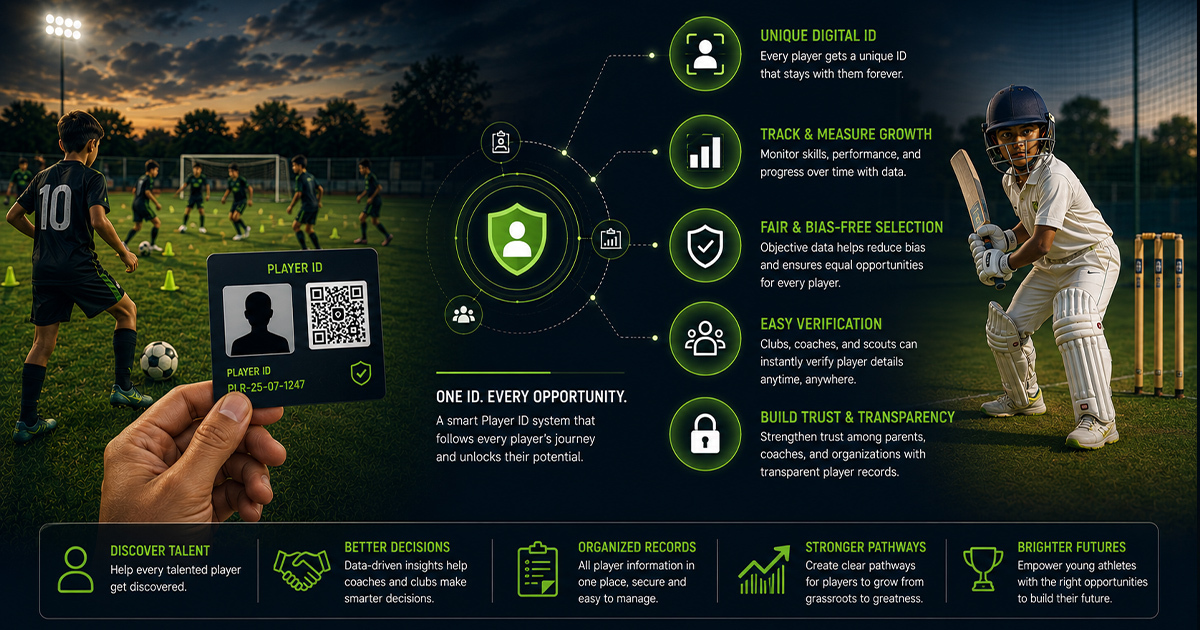 Read More about Player ID System in Grassroots Football and Cricket: Why It Matters for Long-Term Development
Player ID System in Grassroots Football and Cricket: Why It Matters for Long-Term Development
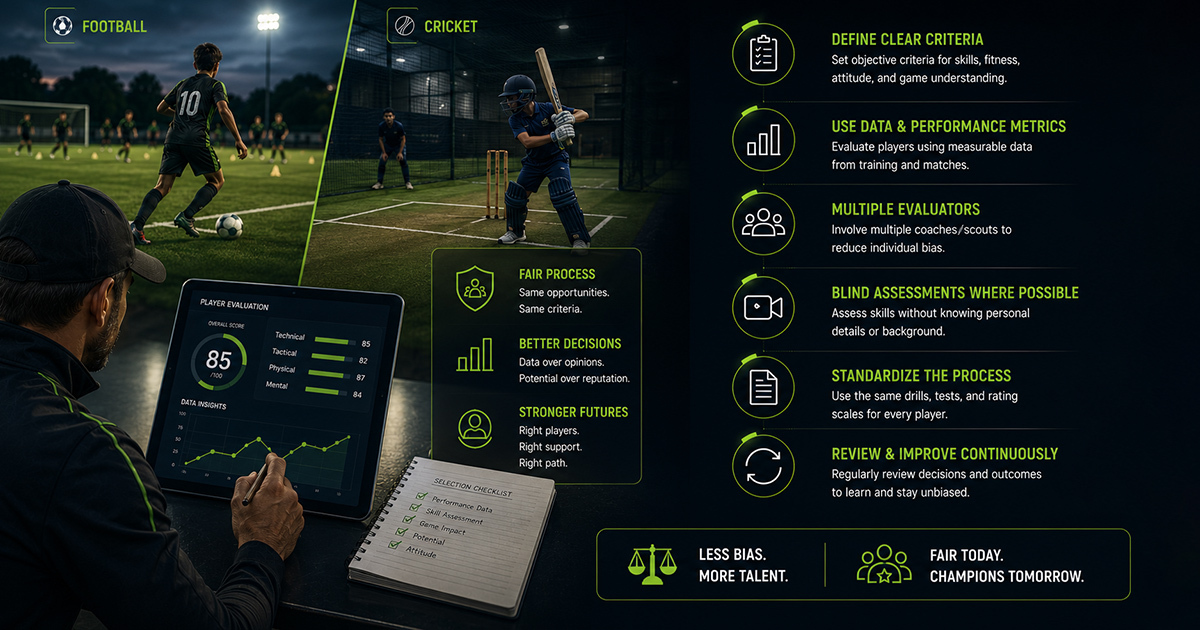 Read More about How to Reduce Bias in Player Selection: A Practical Guide for Grassroots Football and Cricket
How to Reduce Bias in Player Selection: A Practical Guide for Grassroots Football and Cricket
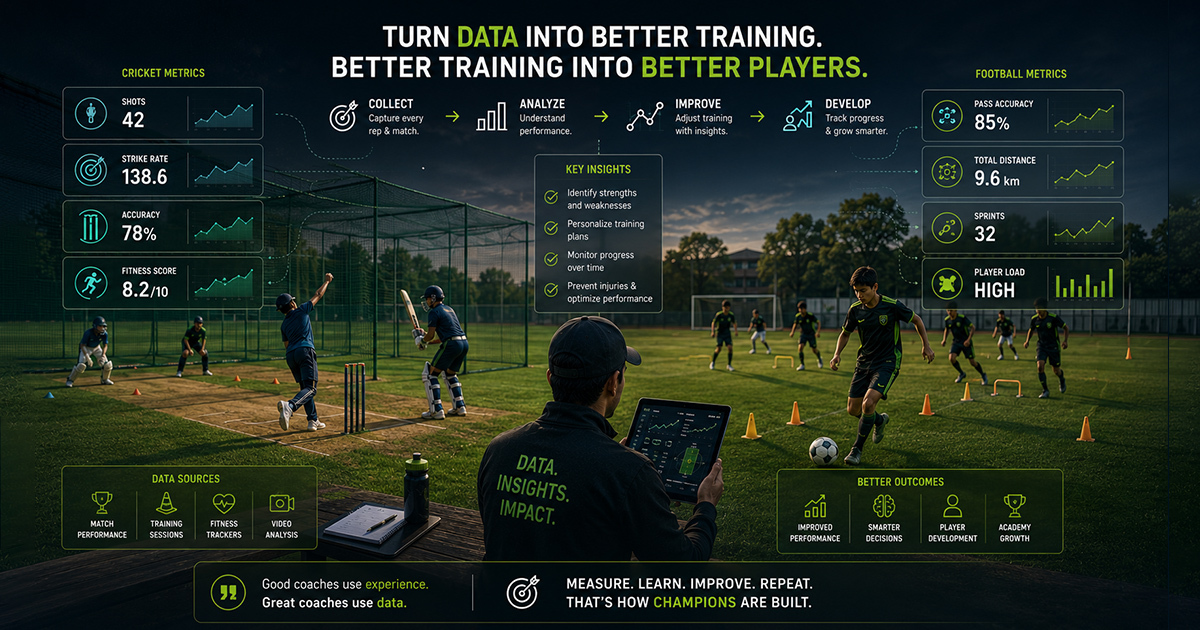 Read More about Data-Driven Training in Football and Cricket Academies: A Practical Guide to Improving Training Quality
Data-Driven Training in Football and Cricket Academies: A Practical Guide to Improving Training Quality
Latest Articles
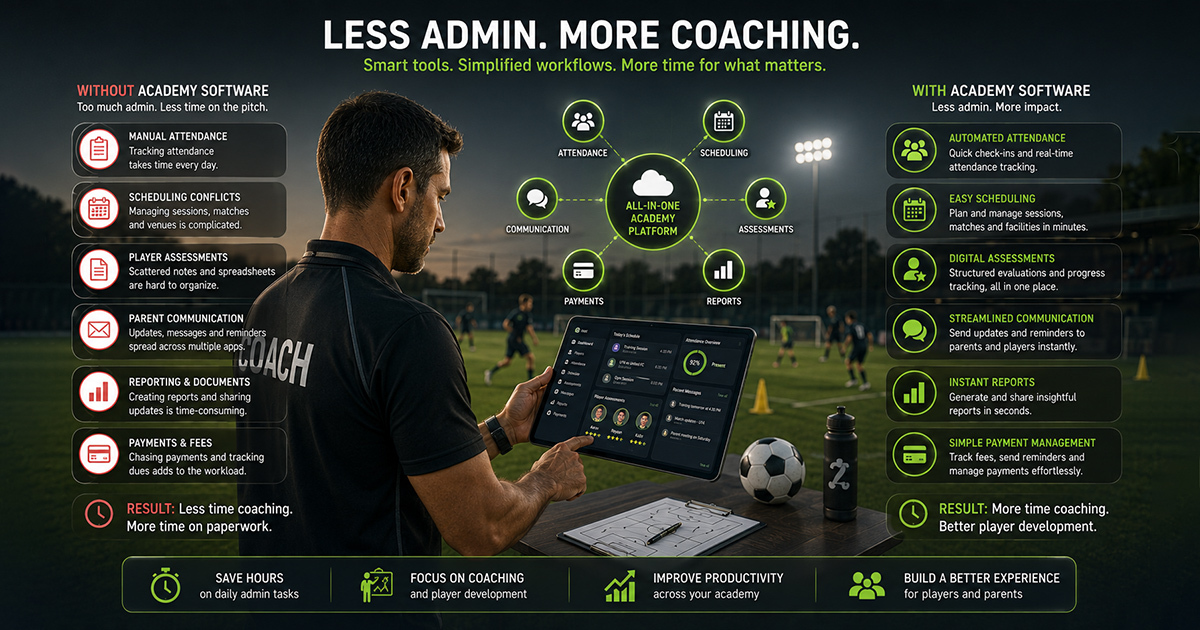 Read More about How Sports Academies Can Reduce Admin Work for Coaches
How Sports Academies Can Reduce Admin Work for Coaches
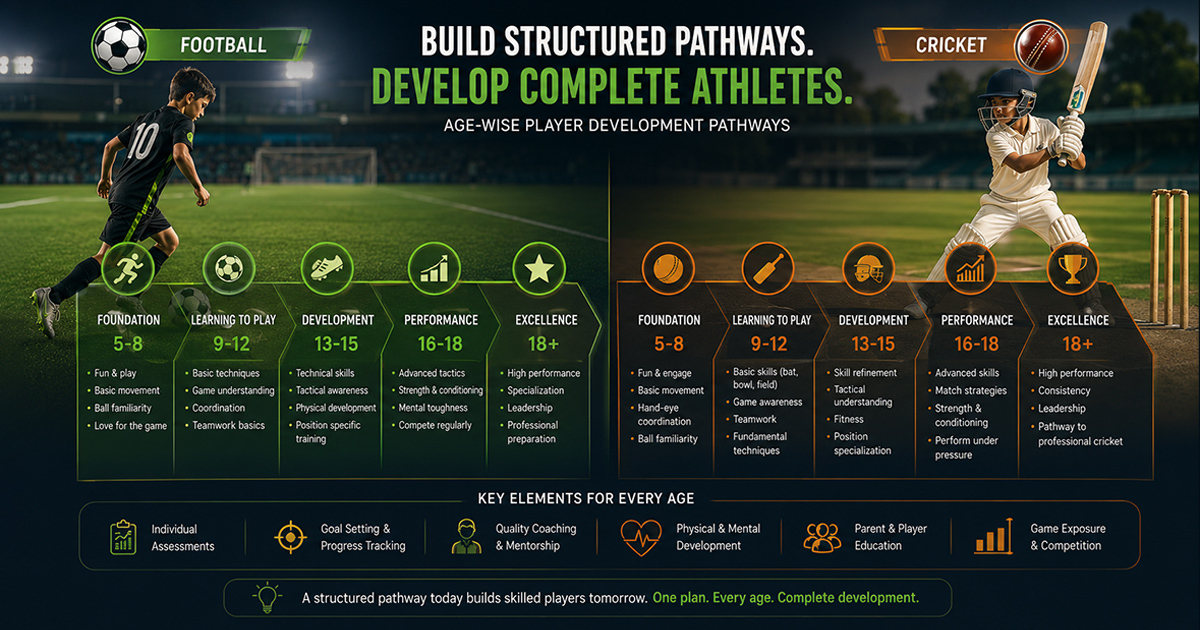 Read More about How to Build Age-Wise Player Development Pathways in Football and Cricket
How to Build Age-Wise Player Development Pathways in Football and Cricket
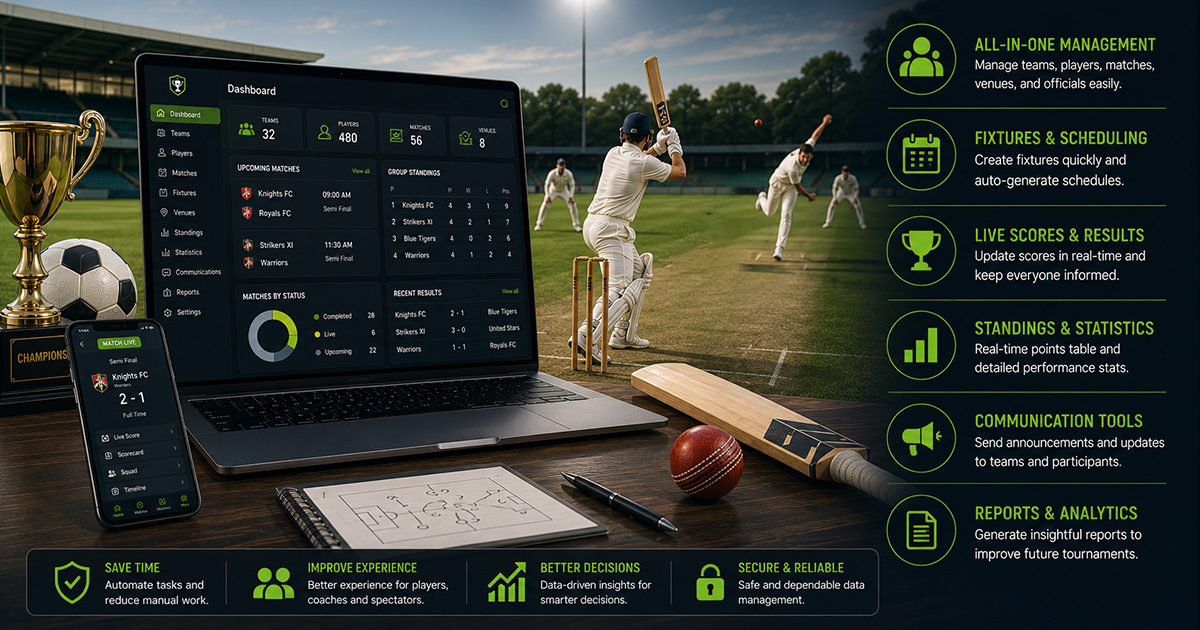 Read More about Tournament Management Software for Football and Cricket Organizers: A Practical Guide
Tournament Management Software for Football and Cricket Organizers: A Practical Guide
Ready to Bring Structure to Your Academy?
Let’s walk through your current setup and show you how 8lete can improve it.


