



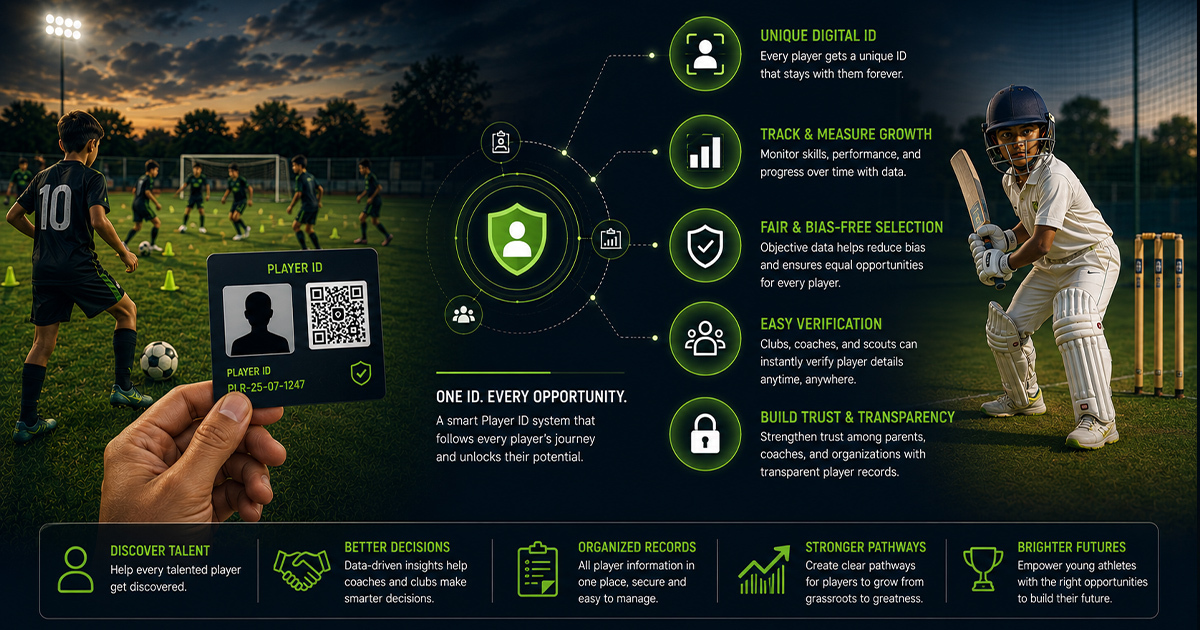
Player ID System in Grassroots Football and Cricket: Why It Matters for Long-Term Development
A player ID system in grassroots football and cricket is a structured method to uniquely identify, track, and manage young athletes in clubs and academies. Many grassroots programs struggle with fragmented player records, inconsistent attendance tracking, and delayed feedback, leading to lost development opportunities. Implementing a robust player ID system matters because it connects player profiles, attendance, performance data, and communication, creating a foundation for consistent growth and safety. This article presents practical insights, real examples, and frameworks to help academies, coaches, players, and parents understand and implement effective player ID systems for meaningful long-term player development.
What Is a Player ID System in Grassroots Football and Cricket?
A player ID system is a digital or physical method to assign a unique identifier to each athlete, linking their training data, attendance, assessments, and communications into one accessible profile across the grassroots ecosystem.
It allows academies to track players consistently from their first trial through to advanced stages, ensuring every session, match, and evaluation contributes to a clear development picture, improving decisions on training plans, selections, and player welfare.
Key Benefits of a Player ID System for Grassroots Academies
Implementing a player ID system delivers clear advantages that extend across coaching, administration, and player growth. These include accurate attendance records, personalized training plans, injury and safety tracking, and better parent engagement.
For example, a cricket academy used digital IDs to reduce confusion during nets, ensuring bowlers and batters received tailored feedback based on tracked sessions. Similarly, a football club leveraged ID-linked data to identify players needing extra work on decision-making under pressure.
A Practical Framework for Building and Using Player ID Systems
To create an effective player ID system, academies and clubs can follow this framework:
- Unique Identifier Assignment: Each player receives a unique ID that remains consistent throughout their grassroots journey.
- Data Integration: Link attendance, skill assessments, injury reports, fees, and parent communication records to the ID.
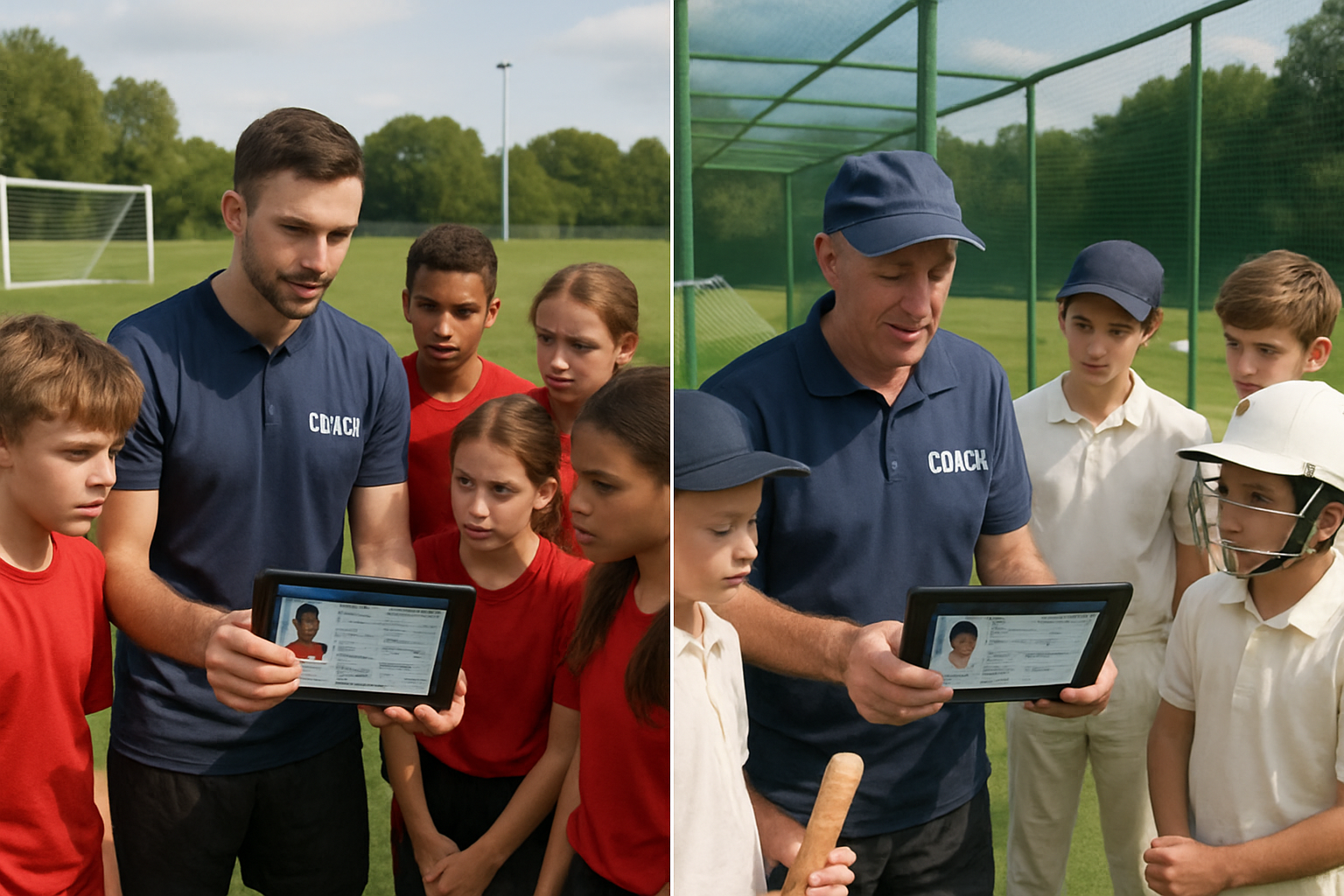
- Accessible Profiles: The system provides coaches and parents secure access to view and update player details, ensuring transparency.
- Regular Updates: Player data should be updated after every session, match, or assessment to maintain accuracy.
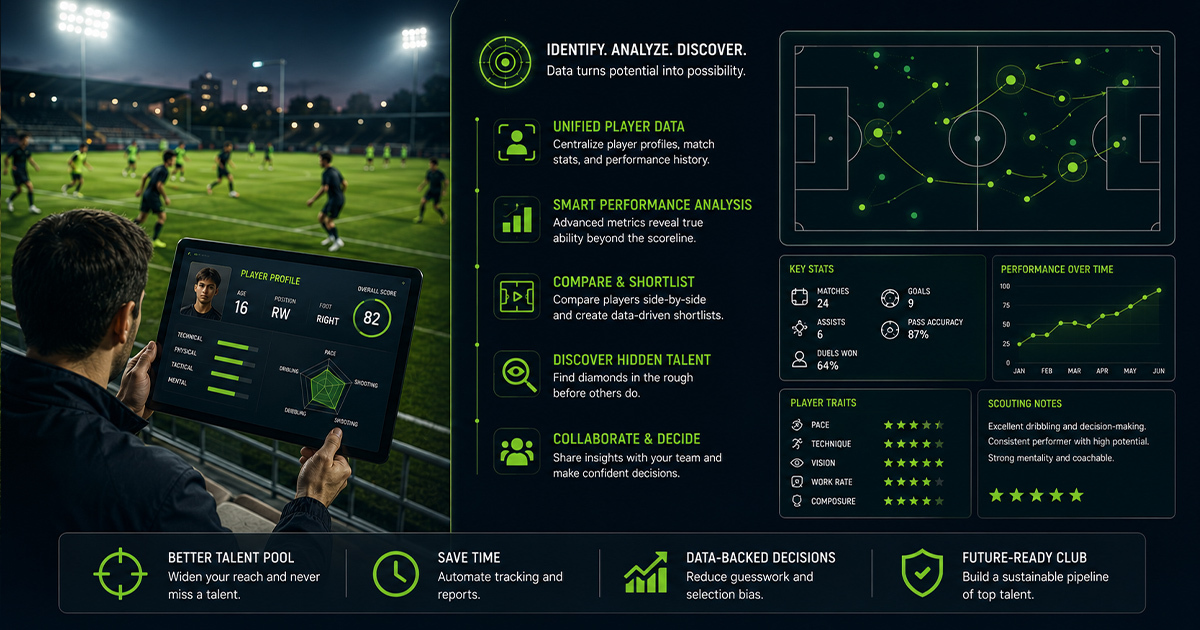
- Feedback and Progress Mapping: Coaching notes and AI-powered skill assessments connect to the player ID for real-time progress tracking.
- Safety and Compliance: Use the system to log medical data, emergency contacts, and attendance for player safety management.
- Long-Term Tracking and Reporting: Generate reports over extended periods to evaluate growth, highlight trends, and decide next steps.
This framework ensures that the player ID system is not just a database, but an active tool for development and administration.
Role-Wise Responsibilities in a Player ID System
Players should consistently check their progress reports and understand feedback linked to their ID to take ownership of development.
Coaches must accurately update training data, attendance, and skill assessments connected to the IDs to ensure continuous monitoring and personalized support.
Parents benefit from transparency through access to player reports linked to the ID, helping set realistic expectations and support players effectively.
Academy Owners and Managers are responsible for adopting systems that facilitate smooth data flow, enforcing attendance discipline, and using ID data for operational decisions like batch management and fee oversight.
Stage-Wise Player ID System Implementation: From Rookie to Advanced Levels
For younger or beginner players (U10–U13), the player ID focuses on basic attendance and skill tracking, establishing training habits and safety logs.
Intermediate players (U14–U16) see increased use of the ID system for detailed skill assessments and tailored feedback integrated after matches and net sessions.
Advanced players (U17–U21) benefit from comprehensive, data-driven reports from their IDs for scouting readiness, specialized training adjustments, and parent-coach-reviewed progress sessions.
Consistent tracking through player IDs turns data into development, not just records.
Common Mistakes in Player ID System Adoption and How to Fix Them
1. Inconsistent Data Entry: When coaches or staff delay or skip updating the player ID records after sessions, progress tracking becomes inaccurate. Fix: Implement routine workflows where attendance and assessments are updated immediately post-session.
2. Lack of Parent Access: Parents feel left out without visibility on player progress, hindering support and trust. Fix: Set up secure parent portals linked to the player ID, offering regular updates and reports.
3. Manual and Disconnected Systems: Using paper-based registers or separate spreadsheets increases errors and data loss. Fix: Adopt digital, integrated platforms that automate data management connected to player IDs.
4. Neglecting Safety and Medical Data: Player ID systems focusing only on performance miss critical safety information. Fix: Include medical details, injury updates, and emergency contacts as part of the player's profile.
5. Overlooking Long-Term Data Analysis: Without reviewing data trends over months or seasons, academies cannot plan effective development pathways. Fix: Schedule regular data reviews and use ID-linked performance reports to guide training adjustments.
Practical Checklist for Establishing an Effective Player ID System
- Has a unique ID been created for every player upon academy entry?
- Are all attendance records linked to these unique IDs, updated consistently each session?
- Is player performance data, including match statistics and skill assessments, stored under the same ID?
- Does the system include a medical and safety section for each player ID?
- Are coaches trained and tasked with entering data promptly after trainings and matches?
- Do parents have controlled access to view their child’s development reports via the ID system?
- Is there a workflow connecting session planning, attendance, assessments, and parent reports for each player?
- Is the system used for operational tasks like batch allocation and fee management accurately linked to player IDs?
- Are data audits conducted periodically to identify and correct errors or omissions in player records?
- Is long-term data being utilized to adjust training goals and monitor overall player trajectory?
8lete-Aligned Workflow Example for Player ID Management
A structured workflow in a grassroots academy for player ID management could be:
Session → Attendance Marking linked to Player ID → Skill and Fitness Assessment → Coach Feedback Entry → Parent Communication with Progress Report → Player Goal Setting for Next Phase.
This ensures data is collected systematically, feedback flows to players and parents, and development goals remain clear and measurable.
Real-World Examples of Player ID System Benefits
A youth football club struggled with multiple players having similar names. After assigning digital IDs, the coaching staff reduced errors in attendance and training load management, which improved injury prevention.
In cricket, one academy used player IDs to track bowling rhythm and fitness, allowing coaches to identify early fatigue signs. This timely insight improved player availability for matches and reduced injury risks.
A grassroots football academy implemented an ID-linked reporting system enabling parents to receive monthly updates, which helped them align home support with coaching goals and improved retention rates in the academy.
Practical Strategies to Overcome Technology Adoption Challenges
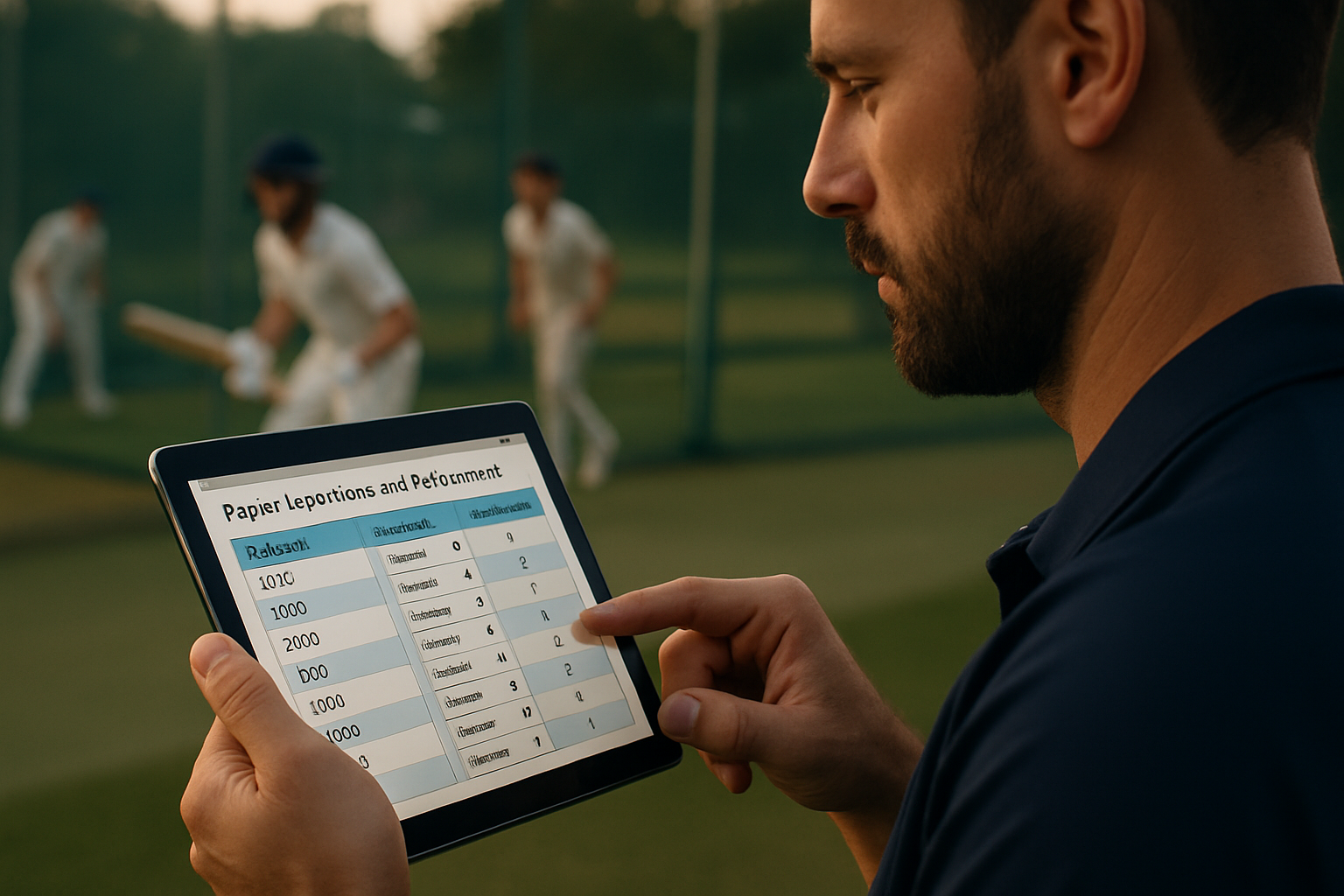
Many grassroots academies hesitate to adopt technology for player ID systems due to cost or skill gaps in staff. Pilot small-scale trials with select batches, training a few coaches on digital tools first, then scaling gradually to build confidence.
Select user-friendly software solutions with mobile accessibility for ease of live data entry during sessions, eliminating the need for additional hardware.
Highlight successes from early adopters within the academy to build peer motivation, ensuring technology adoption supports—not replaces—the coaching process.
How Player ID Systems Improve Safety and Compliance
Player safety is paramount. A reliable ID system stores critical medical information, allergy warnings, and emergency contacts. For example, during a football training session, prompt access to a player's medical record via their ID enabled immediate and appropriate response to a minor injury.
Compliance with local sports authority guidelines is simplified by providing accurate attendance logs and injury reports automatically linked to player profiles, improving trust and academy reputation.
Conclusion
Adopting a player ID system in grassroots football and cricket is a critical step towards structured player development, improved safety, and operational efficiency. It goes beyond simple record-keeping by connecting attendance, assessments, communication, and safety data into a unified player profile. For players, it provides clear feedback channels; for coaches, it enables focused training and progress tracking; for parents, it offers transparency and trust; and for academy owners, it supports smooth management and long-term growth. The practical implementation of such systems requires commitment to consistent data entry, embracing technology gradually, and fostering collaboration among all stakeholders. By prioritizing structured tracking and long-term visibility, grassroots programs can ensure that each player’s journey is mapped with clarity, accountability, and purpose, laying a strong foundation for meaningful development without relying on short-term fixes or guesswork.
What is a player ID system in grassroots football and cricket?
A player ID system assigns a unique identifier to each young athlete, linking all their attendance, training, assessments, medical, and communication data. This creates a consistent record to support development and safety throughout their grassroots journey.
How does a player ID system improve player tracking in youth football and cricket?
It consolidates session attendance, skill assessments, and fitness data under one profile, enabling coaches to monitor progress accurately. It also helps identify training gaps, injury risks, and tailor feedback to each player effectively.
How can coaches use player ID systems to enhance training quality?
Coaches can update performance and attendance records linked to each player’s ID immediately after training or matches. This real-time data allows for personalized feedback, targeted drills, and better planning for individual development.
Why is parent access important in a player ID system?
Parents gain transparency about their child's progress, attendance, and coaching feedback. This helps them support training goals at home, maintain realistic expectations, and build trust in the academy’s development process.
What are common challenges faced by academies adopting player ID systems?
Challenges include resistance to technology, inconsistent data entry, and cost concerns. Gradual adoption, training staff, selecting user-friendly platforms, and demonstrating early successes can overcome these hurdles.
How long does it take to see benefits after implementing a player ID system?
Initial improvements in attendance accuracy and communication transparency can be seen within weeks. Meaningful progress tracking and development insights grow over months as data accumulates, enabling smarter decisions and player growth.
When should a grassroots academy start implementing a player ID system?
It's best to start early, ideally when players first join the academy. Early implementation builds habits of consistent tracking, ensures safety data is captured from the start, and sets the stage for long-term development management.
Related Articles
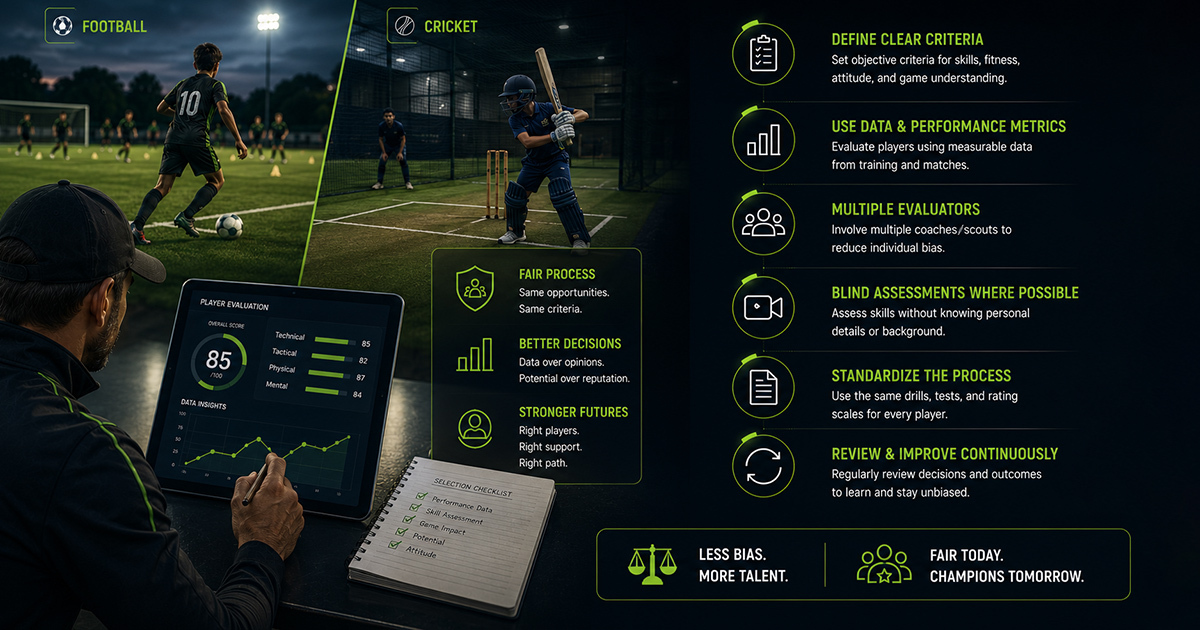 Read More about How to Reduce Bias in Player Selection: A Practical Guide for Grassroots Football and Cricket
How to Reduce Bias in Player Selection: A Practical Guide for Grassroots Football and Cricket
 Read More about Data-Driven Training in Football and Cricket Academies: A Practical Guide to Improving Training Quality
Data-Driven Training in Football and Cricket Academies: A Practical Guide to Improving Training Quality
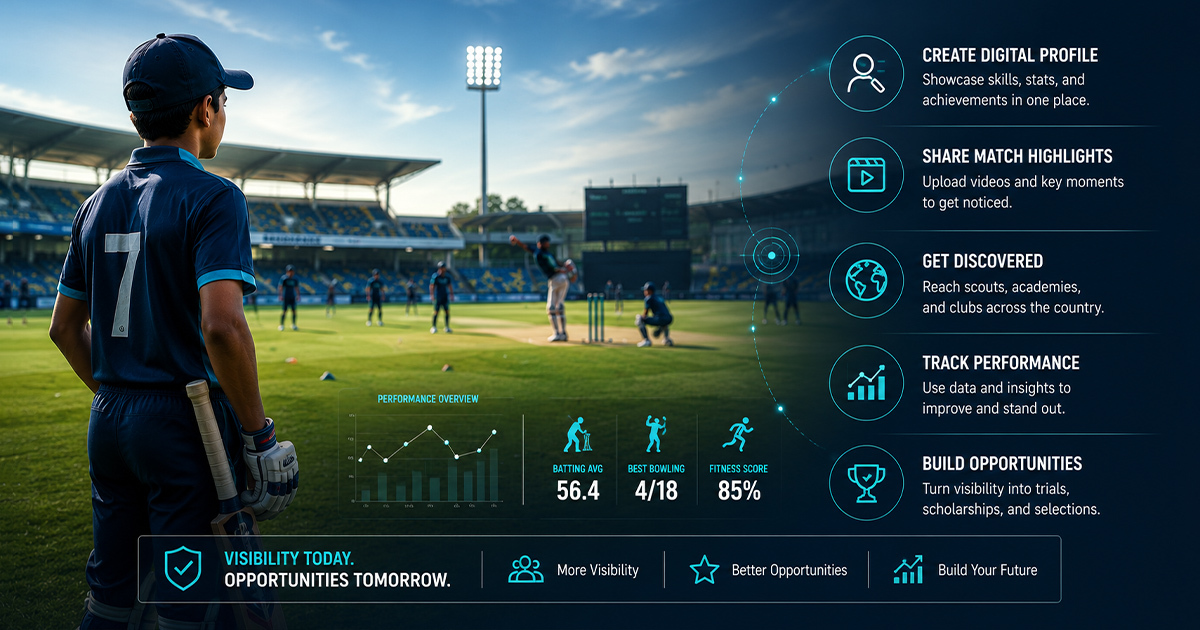 Read More about Cricket Scouting Platform: How Young Players Can Build Visibility
Cricket Scouting Platform: How Young Players Can Build Visibility
Latest Articles
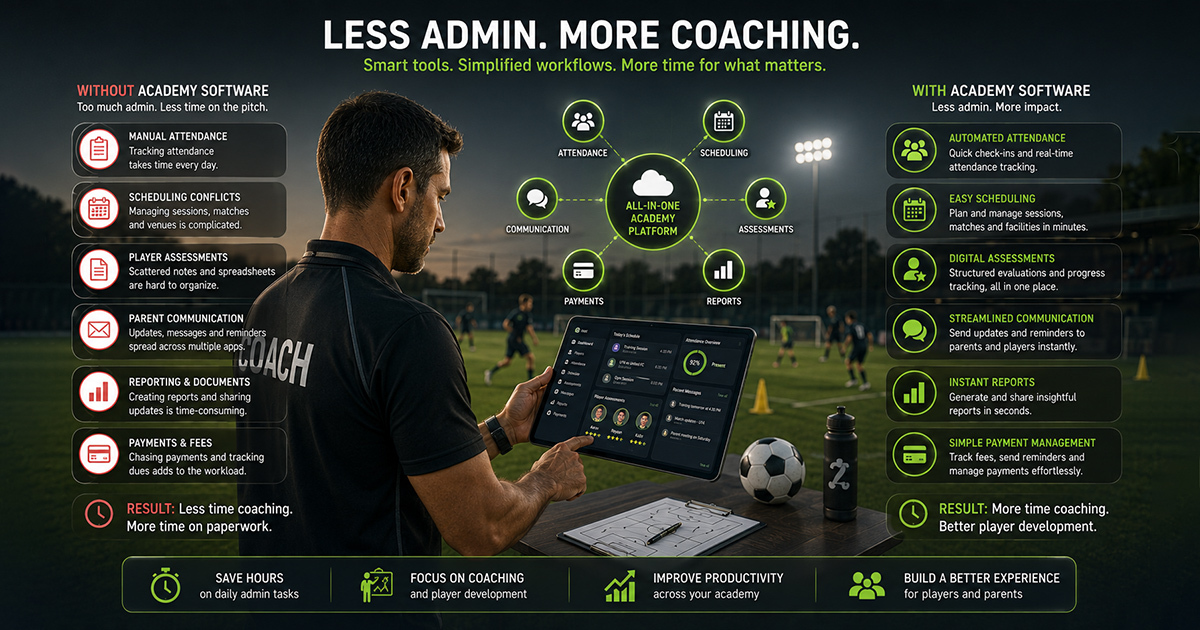 Read More about How Sports Academies Can Reduce Admin Work for Coaches
How Sports Academies Can Reduce Admin Work for Coaches
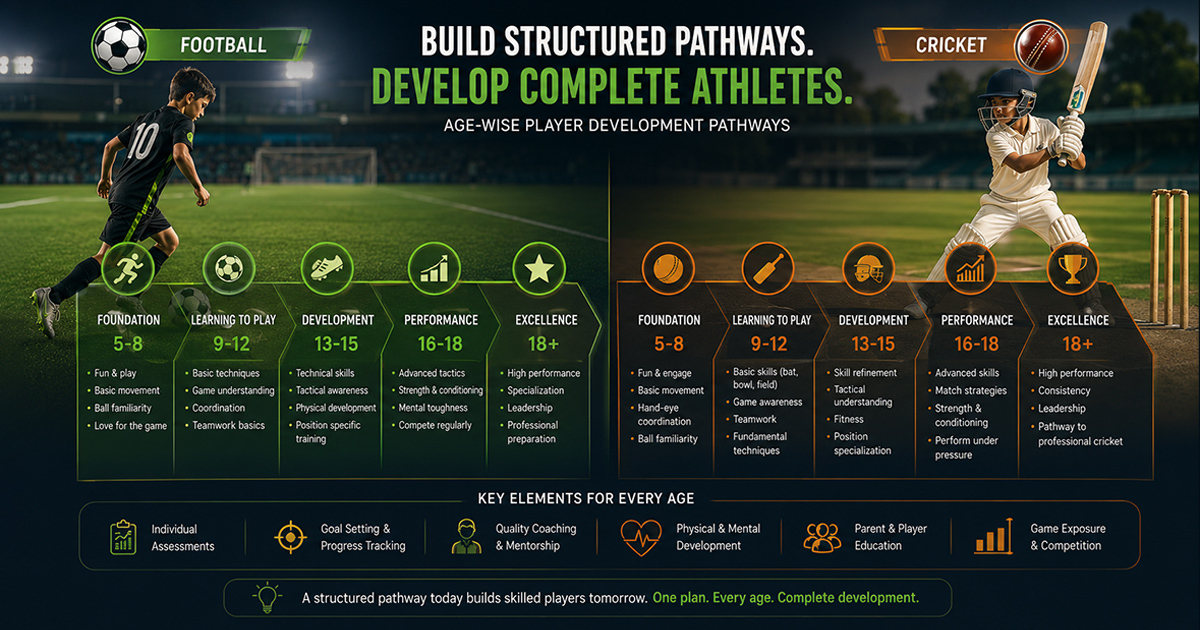 Read More about How to Build Age-Wise Player Development Pathways in Football and Cricket
How to Build Age-Wise Player Development Pathways in Football and Cricket
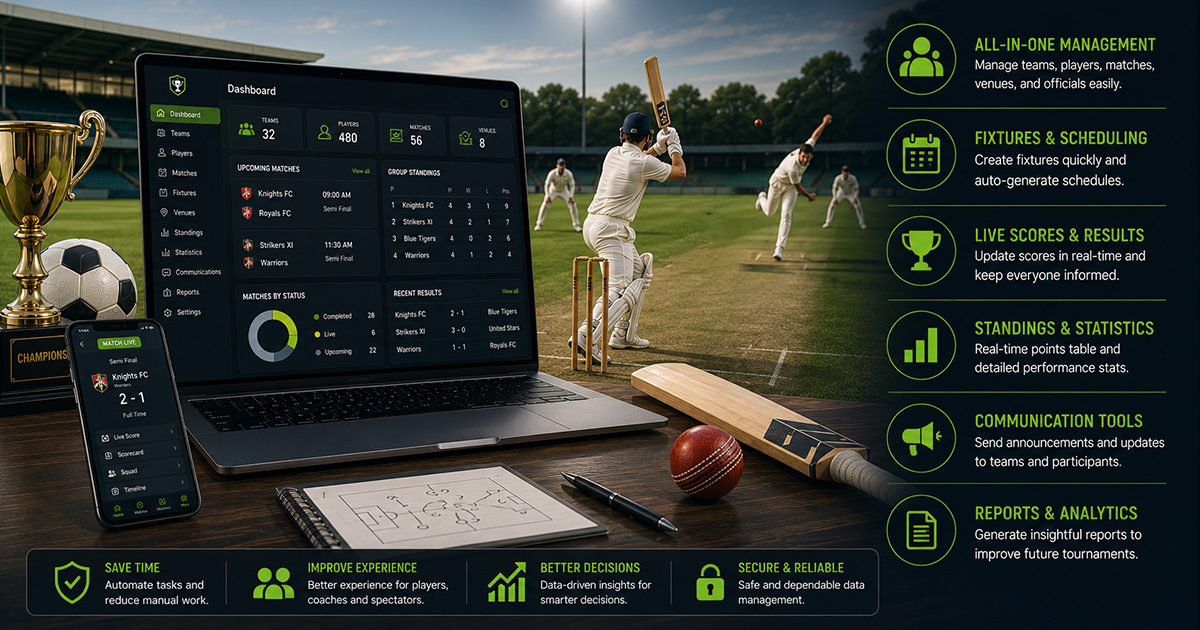 Read More about Tournament Management Software for Football and Cricket Organizers: A Practical Guide
Tournament Management Software for Football and Cricket Organizers: A Practical Guide
Ready to Bring Structure to Your Academy?
Let’s walk through your current setup and show you how 8lete can improve it.


