



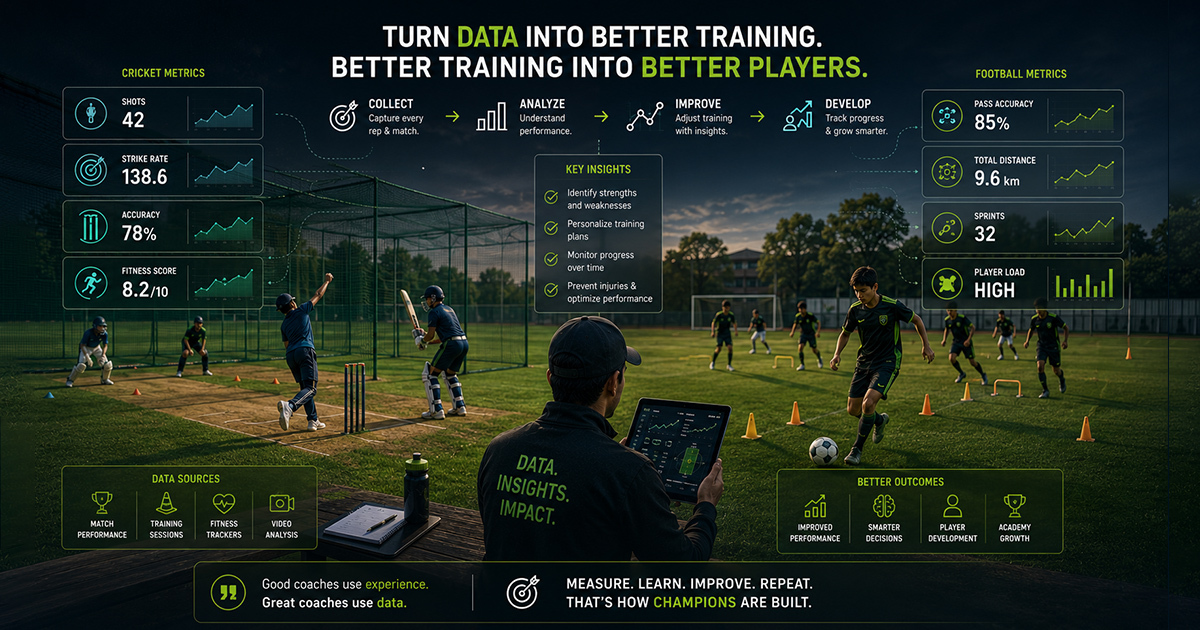
Data-Driven Training in Football and Cricket Academies: A Practical Guide to Improving Training Quality
Data-driven training in football and cricket academies means using real, measurable player and session data to improve every aspect of training quality. Grassroots academies and coaches often face the challenge of relying on subjective observations rather than concrete metrics, leading to missed opportunities for precise player development. By integrating data with training sessions, academies can set clear goals, track progress over time, and make informed adjustments to coaching and player routines. This article explores practical frameworks, role-specific insights, and real grassroots examples to help academies optimize training quality using data effectively.
What is Data-Driven Training in Football and Cricket Academies?
Data-driven training involves systematically collecting, analyzing, and applying performance and attendance data to plan, monitor, and improve player development and training sessions. It moves beyond gut feeling and visuals, using metrics like passing accuracy, shot selection, bowling rhythm, or match workload to guide decisions.
This approach ensures objective feedback, consistent monitoring, and smarter training modifications, all essential for structured grassroots sports growth in both football and cricket academies.

A Practical Framework for Data-Driven Training
Implementing data-driven training can be streamlined through a seven-step framework tailored for football and cricket academies:
1. Define Clear Performance Metrics: Identify key areas such as passing accuracy for footballers or bowling consistency for cricketers. Metrics must be relevant to player roles and academy goals.
2. Collect Consistent Data: Use technology like video analysis and wearable trackers or manual data sheets to capture stats during sessions and matches.
3. Analyze Data to Identify Patterns: Review trends such as frequent ball loss under pressure or inconsistent shot timing to highlight focus areas.
4. Share Insights With Players and Coaches: Use visual reports or coach feedback to clearly communicate strengths and weaknesses, engaging players in their own development.
5. Tailor Training Sessions Based on Data: Design drills that focus on problem areas detected from data, such as first-touch drills in football or fielding reaction exercises in cricket.
6. Track Attendance and Effort: Attendance discipline and training intensity are vital contextual data; poor attendance can skew performance readings.
7. Review Progress Regularly: Implement weekly or monthly reviews using collected data to adjust goals and maintain motivation.
Why Data Matters for Football and Cricket Training Quality
Data offers clarity and precision in understanding what works and what doesn’t during training. For example, a football coach using passing accuracy stats can identify which player needs extra work on short passes. Similarly, a cricket coach reviewing bowling line and length consistency reveals bowlers struggling to maintain rhythm under pressure.
This allows academies to avoid guesswork and create focused, efficient sessions with measurable improvement targets, instead of vague training plans or over-reliance on single-session impressions.
Role-Wise Data Utilization in Academies
Players can use data feedback to understand specific skill gaps and track their own development, e.g., improving dribbling success rate or strike rate.
Coaches should observe data trends to tailor correction cues and plan sessions aligned with measurable goals, such as fielding drills based on dropped catches statistics.
Parents benefit from transparent progress reports that explain development in concrete terms, helping manage expectations and support at home.
Academy owners need robust systems to manage attendance, assessments, and reporting workflows efficiently, ensuring data integrity and coaching accountability.
Age-Wise Implementation: Building a Data Culture
U10–U12: Focus on basic coordination and collecting simple participation data. Create habit of attendance discipline and basic feedback from coaches.
U13–U15: Introduce skill-specific metrics like passing accuracy in football or shot selection quality in cricket. Data should start influencing training focus.
U16–U18: Use deeper analysis including physical conditioning stats and match performance data for tactical and mental skill development.
U19–U21: Integrate advanced AI-driven assessments where possible to prepare players for transition to senior levels with clear data-backed reports.
Consistent tracking and feedback turn training efforts into measurable player progress.
Practical Checklist for Data-Driven Training Quality
Here’s a practical checklist coaches and academy owners can use to ensure data is effectively improving training quality:
- 1. Are key performance metrics clearly defined for each age group and player role?
- 2. Is data collection consistent and done for every training session and match where possible?
- 3. Are players and parents receiving regular, understandable progress reports?
- 4. Does the coaching staff use data insights to modify session plans weekly?
- 5. Is attendance tracked precisely and linked to performance trends?
- 6. Are coaching corrections documented alongside data to maintain accountability?
- 7. Is there a system to track and compare historical data to monitor progression?
- 8. Are AI or digital tools being adopted judiciously, focusing on meaningful metrics rather than volume?
- 9. Are parent communication channels structured around sharing data insights without jargon?
- 10. Does the academy review data workflows periodically to improve efficiency and accuracy?
Common Mistakes in Data-Driven Training and How to Fix Them
Mistake 1: Collecting data without clear metrics. This leads to noise rather than insight. Fix: Start by defining relevant performance markers specific to your sport and player levels.
Mistake 2: Overloading coaches and players with too much data. Excess data can confuse and demotivate. Fix: Focus on a few actionable metrics and explain them well to stakeholders.
Mistake 3: Ignoring attendance and discipline data. Attendance patterns largely impact development insights. Fix: Integrate attendance tracking as part of performance analysis to contextualize stats.
Mistake 4: Poor communication of data results to parents and players. Without clear communication, data loses motivational impact. Fix: Use simple reports and coach-led meetings to explain findings and next steps.
Mistake 5: Lack of regular review leading to outdated training plans. Without timely reviews, data insights become irrelevant. Fix: Schedule weekly or monthly data reviews to align training goals.

Grassroots Examples of Data Improving Training Quality
Example 1: A cricket academy started tracking bowling line and length consistency during nets. Coaches used the data to create focused drills, improving bowler performance by addressing specific rhythm breakdowns.
Example 2: A football coach used passing accuracy stats during small-sided games to identify midfielders with low first-touch control and organized extra sessions around ball mastery, resulting in quicker ball circulation during matches.
Example 3: One grassroots cricket club integrated attendance tracking with skill assessment reports shared with parents, fostering better commitment and clearer understanding of player progress from all stakeholders.
An 8lete-Aligned Workflow for Data-Driven Training
A practical workflow tailored for academies adopting data-driven training involves:
Session Planning → Attendance Marking → Real-Time Data Collection → Player Assessment → Coach Notes → Parent Progress Reports → Setting Next Training Goals.
This ensures the training loop is closed with consistent data capture, transparent communication, and a focused path forward for players and coaches alike.
FAQs
What is data-driven training in football and cricket academies?
Data-driven training means collecting and using measurable performance and attendance data to tailor coaching, track progress, and improve training sessions in football and cricket academies.
How can coaches improve training quality using data?
Coaches can analyze key metrics like passing accuracy or bowling consistency to target specific weaknesses, adjust drills, and monitor progress, enabling focused and effective training.
Why is attendance tracking important for training analysis?
Attendance impacts data validity since inconsistent presence affects development. Tracking attendance helps contextualize performance trends and enforces discipline necessary for progress.
How can parents support data-driven development?
Parents should understand progress reports, encourage consistent attendance, and support training recommendations based on data rather than short-term results or emotions.
What metrics are most useful for cricket player development?
Key metrics include batting strike rate, bowling line and length consistency, fielding errors, and fitness indicators, all tracked over time to guide focused training.
How long does it take to see improvements using data-driven training?
Improvements vary but typically emerge over weeks to months, especially after targeted training adjustments guided by data and consistent player effort.
How do grassroots academies adopt AI for training optimization?
By using AI-powered assessment tools, academies can better analyze player skills, identify hidden patterns, and automate report generation, enhancing decision-making and training personalization.
Conclusion
Data-driven training in football and cricket academies is not about chasing technology but creating a systematic, disciplined approach to development. Structured metrics, consistent attendance tracking, coach feedback, and clear parent communication together create an ecosystem where every training session is purposeful and progress is measurable. This clarity reduces guesswork, builds trust among stakeholders, and ensures players develop steadily through tailored, evidence-based coaching. Grassroots academies embracing these principles position themselves for sustainable growth and, most importantly, support players in reaching their true potential with long-term visibility and confidence. Structured data use is an indispensable part of modern training quality improvement that every serious academy should implement thoughtfully and patiently.
What is data-driven training in football and cricket academies?
Data-driven training means collecting and using measurable performance and attendance data to tailor coaching, track progress, and improve training sessions in football and cricket academies.
How can coaches improve training quality using data?
Coaches can analyze key metrics like passing accuracy or bowling consistency to target specific weaknesses, adjust drills, and monitor progress, enabling focused and effective training.
Why is attendance tracking important for training analysis?
Attendance impacts data validity since inconsistent presence affects development. Tracking attendance helps contextualize performance trends and enforces discipline necessary for progress.
How can parents support data-driven development?
Parents should understand progress reports, encourage consistent attendance, and support training recommendations based on data rather than short-term results or emotions.
What metrics are most useful for cricket player development?
Key metrics include batting strike rate, bowling line and length consistency, fielding errors, and fitness indicators, all tracked over time to guide focused training.
How long does it take to see improvements using data-driven training?
Improvements vary but typically emerge over weeks to months, especially after targeted training adjustments guided by data and consistent player effort.
How do grassroots academies adopt AI for training optimization?
By using AI-powered assessment tools, academies can better analyze player skills, identify hidden patterns, and automate report generation, enhancing decision-making and training personalization.
Related Articles
 Read More about Cricket Scouting Platform: How Young Players Can Build Visibility
Cricket Scouting Platform: How Young Players Can Build Visibility
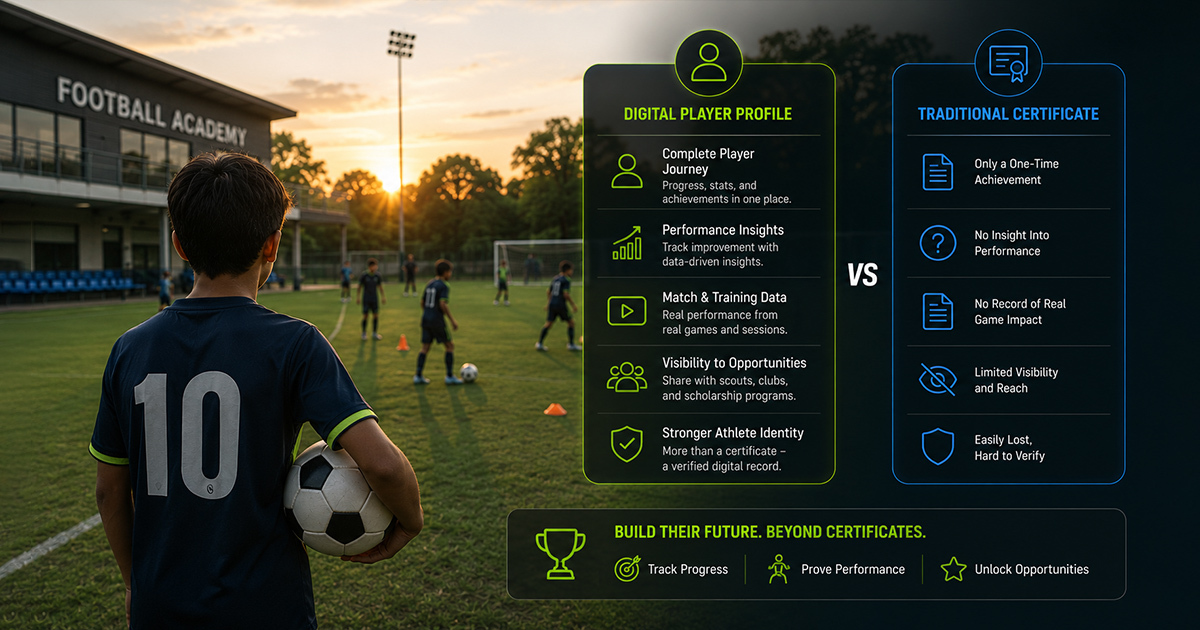 Read More about Digital Player Profiles: Why Young Athletes Need More Than Certificates
Digital Player Profiles: Why Young Athletes Need More Than Certificates
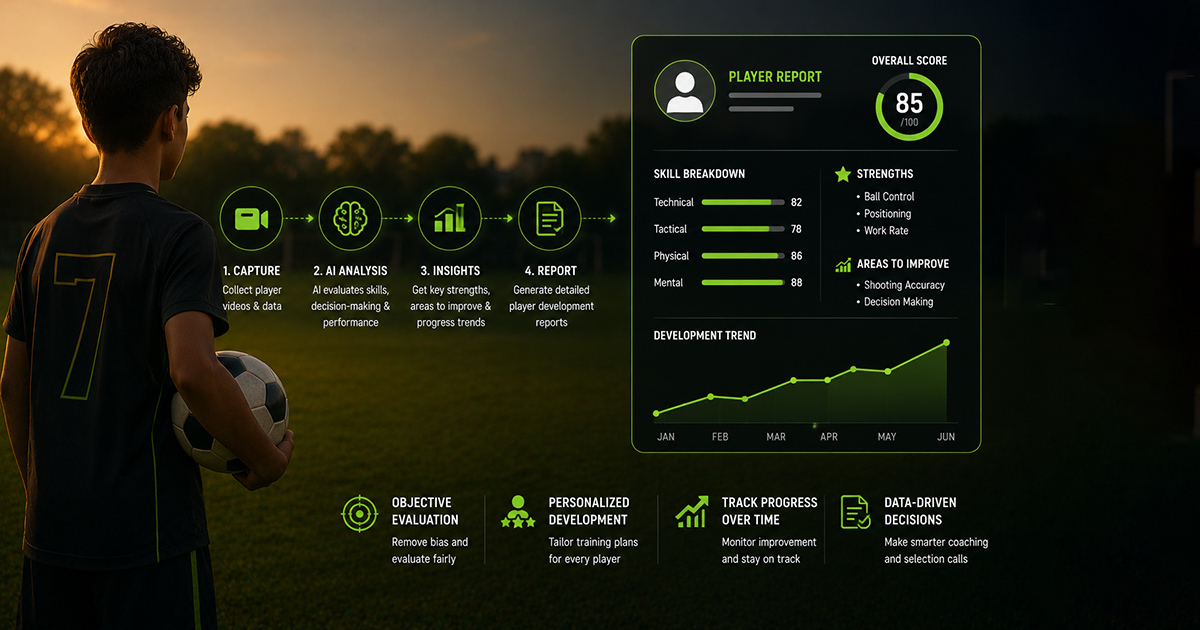 Read More about How to Create Player Development Reports Using AI Assessments
How to Create Player Development Reports Using AI Assessments
Latest Articles
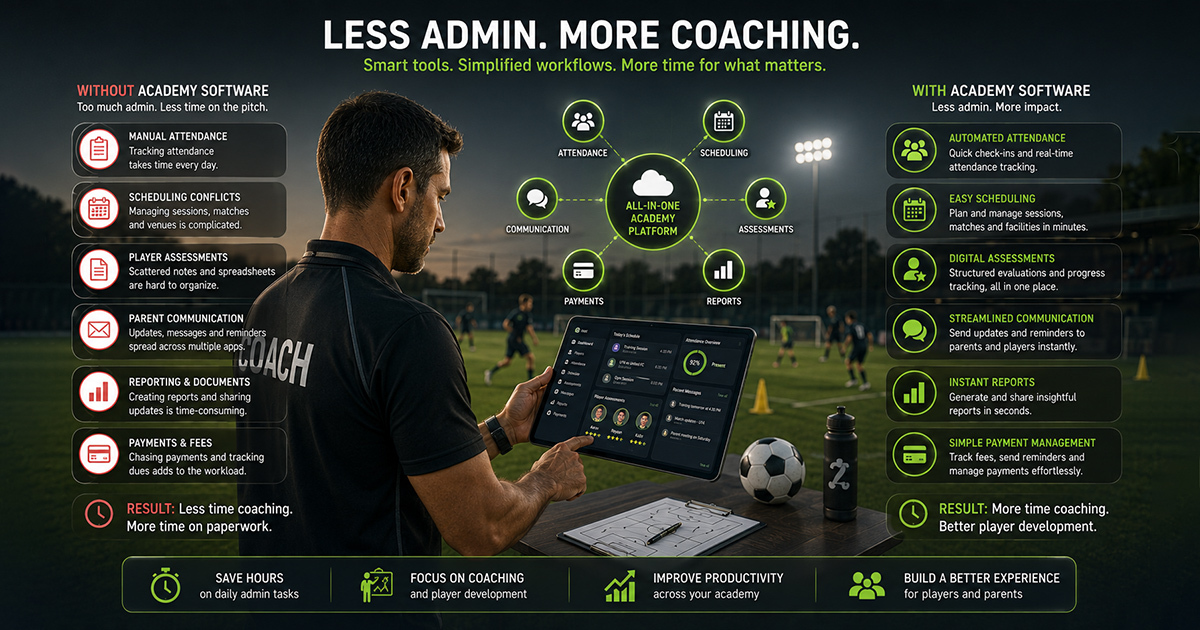 Read More about How Sports Academies Can Reduce Admin Work for Coaches
How Sports Academies Can Reduce Admin Work for Coaches
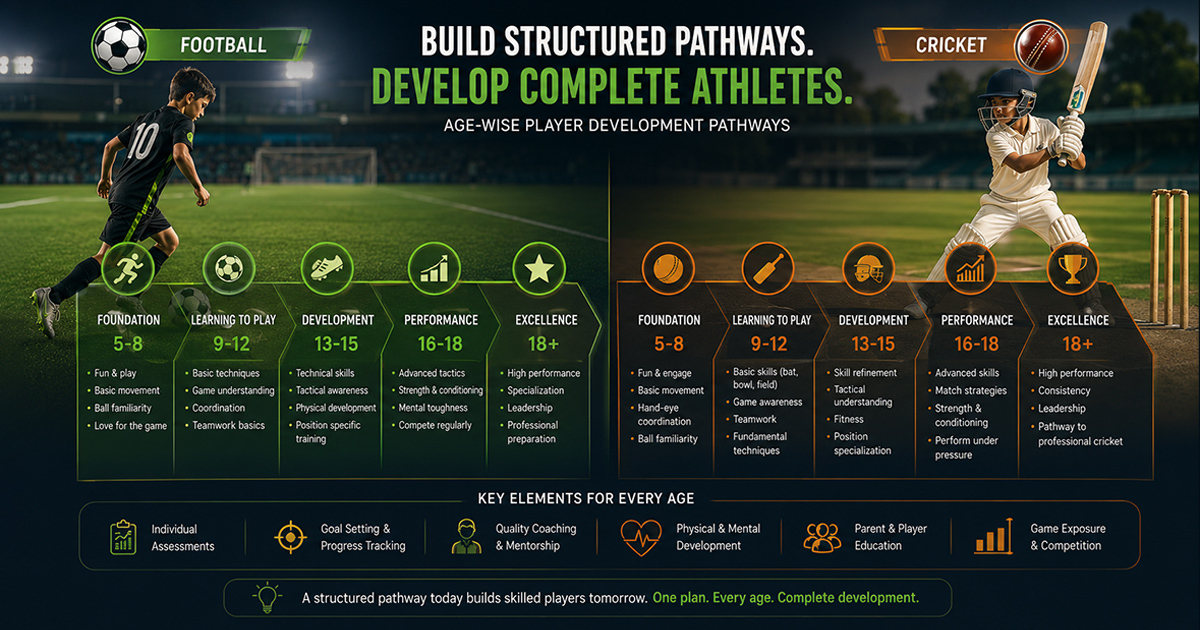 Read More about How to Build Age-Wise Player Development Pathways in Football and Cricket
How to Build Age-Wise Player Development Pathways in Football and Cricket
 Read More about Tournament Management Software for Football and Cricket Organizers: A Practical Guide
Tournament Management Software for Football and Cricket Organizers: A Practical Guide
Ready to Bring Structure to Your Academy?
Let’s walk through your current setup and show you how 8lete can improve it.


