



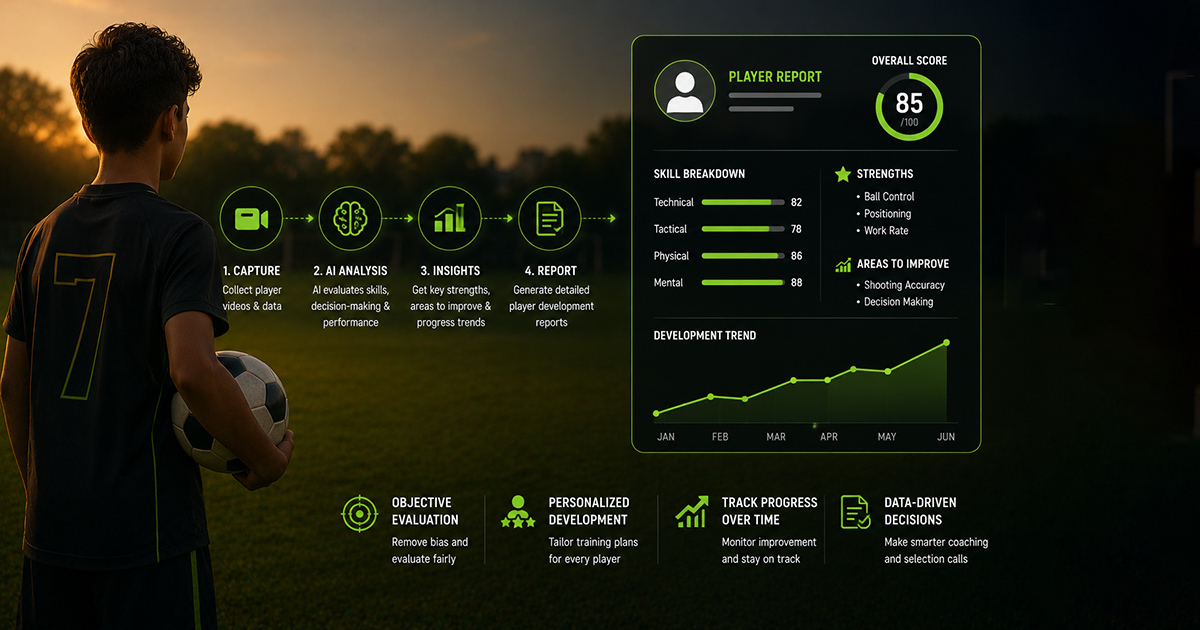
How to Create Player Development Reports Using AI Assessments
AI player development reports combine structured data from player assessments with technology-driven analysis to provide clear, actionable insights into a player's progress. For coaches, academies, parents, and players, understanding how to create and use these reports is essential for long-term growth. In grassroots sports, subjective observations often miss key details that AI can capture, improving feedback quality and tracking consistency. This article explains practical steps to create AI-enhanced development reports that help everyone involved make informed decisions based on real metrics.
Defining AI Player Development Reports
AI player development reports are structured documents generated by analyzing player performance data collected through AI-powered assessments, offering objective insights into skill progress, strengths, weaknesses, and training needs.
They combine data from coaching observations, biometric metrics, skill drills, and match analysis processed through algorithms to present clear development trajectories, which help academies standardize evaluation and parents understand progress beyond subjective impressions.
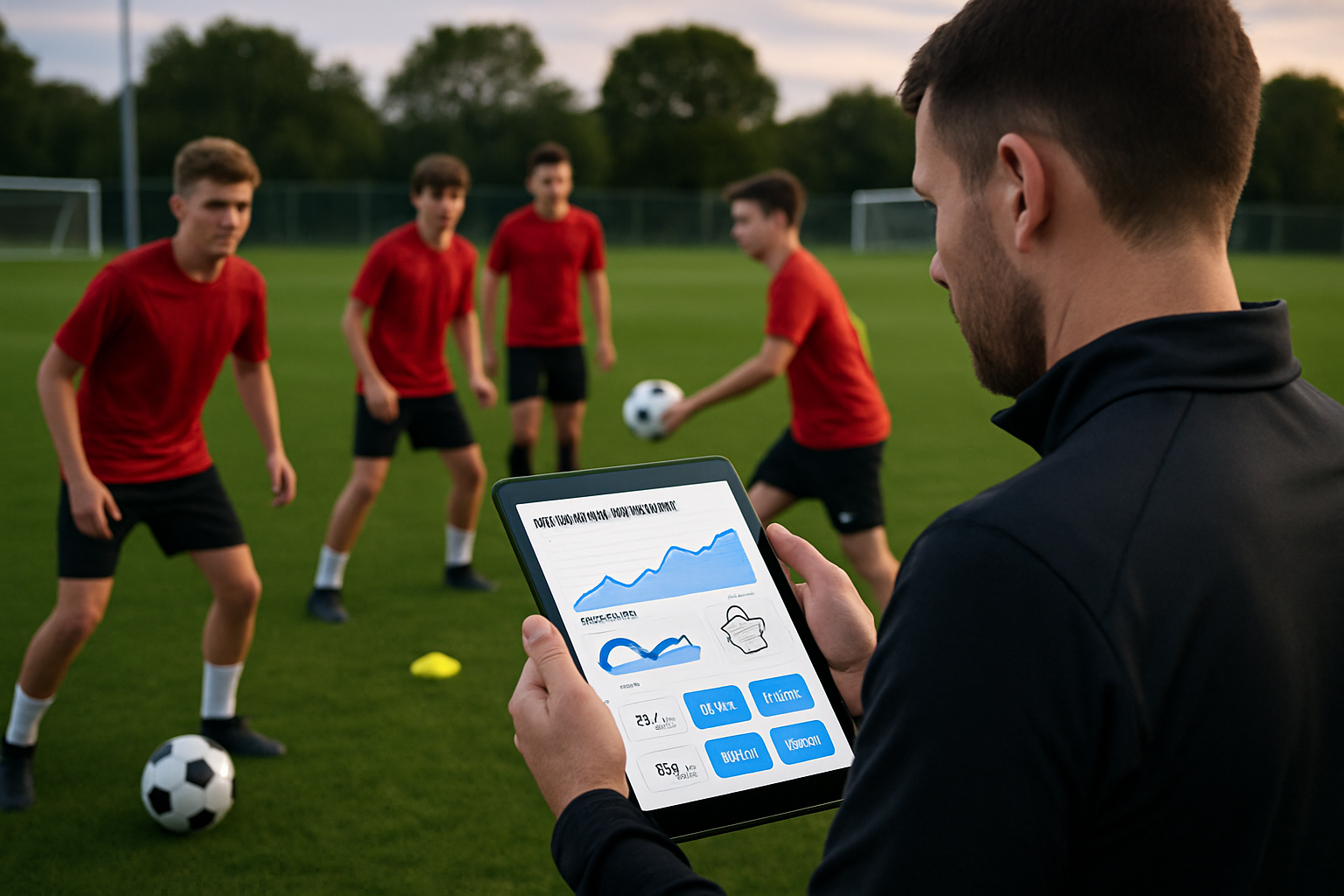
A Practical Framework for Creating AI Player Development Reports
Building effective AI player development reports involves these key steps:
1. Data Collection: Use AI assessments, video analysis, fitness trackers, and coach input consistently during training and matches to gather comprehensive player data.
2. Data Integration: Consolidate all inputs into a centralized system that cleans and aligns metrics with skill categories relevant to your sport and development philosophy.
3. Performance Analysis: Apply AI models to identify skill trends, gaps, and improvement areas by comparing current performance against past data and peer benchmarks.
4. Report Generation: Translate findings into clear, user-friendly reports with visual graphs, coach remarks, and actionable recommendations tailored for each player.
5. Feedback and Communication: Share reports regularly with players and parents, enabling goal-setting discussions and transparent progress tracking.
6. Follow-up and Adjustment: Use report insights to refine training plans and update assessments, fostering an adaptive development cycle.
7. Long-Term Tracking: Maintain historical data to monitor growth patterns over seasons, supporting decisions on specialization, scouting readiness, and academy transition.
Why AI Player Development Reports Matter for Grassroots Sports
In grassroots sports, feedback often relies on memory and subjective observation. AI player development reports remove guesswork by quantifying player progress objectively. For example, a coach spotting inconsistent dribbling in soccer can confirm this trend through AI metrics, ensuring training targets real weaknesses.
Moreover, parents receive clear updates instead of vague impressions, which helps maintain trust in the development process. Academies can also track multiple players simultaneously, making talent identification and retention more efficient and less prone to bias.
Role-Wise Guidance: Players, Coaches, Parents, and Academy Owners
Players: Engage with reports by understanding your strengths and areas needing work. Use the action points as a personalized training checklist and track your progress with consistent attendance and effort.
Coaches: Integrate AI-driven assessments into your session plans and use reports to provide precise, data-backed feedback during training and after matches. Ensure notes highlight qualitative observations complementing AI data.
Parents: Pay attention to the report metrics and coach comments to understand your child's developmental stage. Ask about specific goals and how you can support consistent training and recovery at home.
Academy Owners: Implement systems that centralize AI assessments, attendance tracking, and parent communication. Build workflows that ensure timely report generation and formal review meetings to align coaches, players, and families.
An Age-Wise Implementation Plan for AI Player Development Reports
U10–U13: Foundation Stage — Collect basic technical and physical data focused on coordination and skill acquisition. Keep reports simple with visual progress indicators.
U14–U16: Development Stage — Introduce tactical and mental metrics like decision-making and game awareness. Use reports to set quarterly goals aligned with position-specific demands.
U17–U21: Performance Stage — Incorporate advanced data such as workload, recovery metrics, and match impact. Reports become comprehensive tools for scouting readiness and specialization decisions.
Structured feedback and consistent tracking transform potential into measurable progress.
Practical Checklist for Creating Effective AI Player Development Reports
1. Is all player activity data consistently recorded during training and matches?
2. Are AI assessments aligned with the key skills and metrics your academy prioritizes?
3. Is data consolidated into one accessible platform for easy analysis?
4. Does the report feature clear visualizations like graphs and heatmaps for intuitive understanding?
5. Are coach observations and notes integrated alongside AI data?
6. Are reports generated on a regular schedule, such as monthly or post-season?
7. Are reports shared with players and parents in an understandable format?
8. Does the report include actionable development goals and next steps?
9. Is there a feedback loop to adjust training based on report insights?
10. Are historical reports archived for long-term growth tracking?
Common Mistakes When Creating AI Player Development Reports
1. Relying solely on AI data without coach context: This limits understanding. Fix: Always combine AI metrics with qualitative coach feedback to capture nuances.
2. Inconsistent data collection: Skipping sessions leads to gaps. Fix: Use automated attendance management and schedule reminders to ensure completeness.
3. Overwhelming reports with too much data: Parents and players may feel lost. Fix: Simplify visuals, focus on key metrics, and provide summary insights.
4. Neglecting parent communication: Without explanation, reports cause confusion. Fix: Provide regular updates with context and invite questions.
5. Absence of goal-setting in reports: Reports become stagnant summaries. Fix: Include clear, measurable targets linked to training plans.
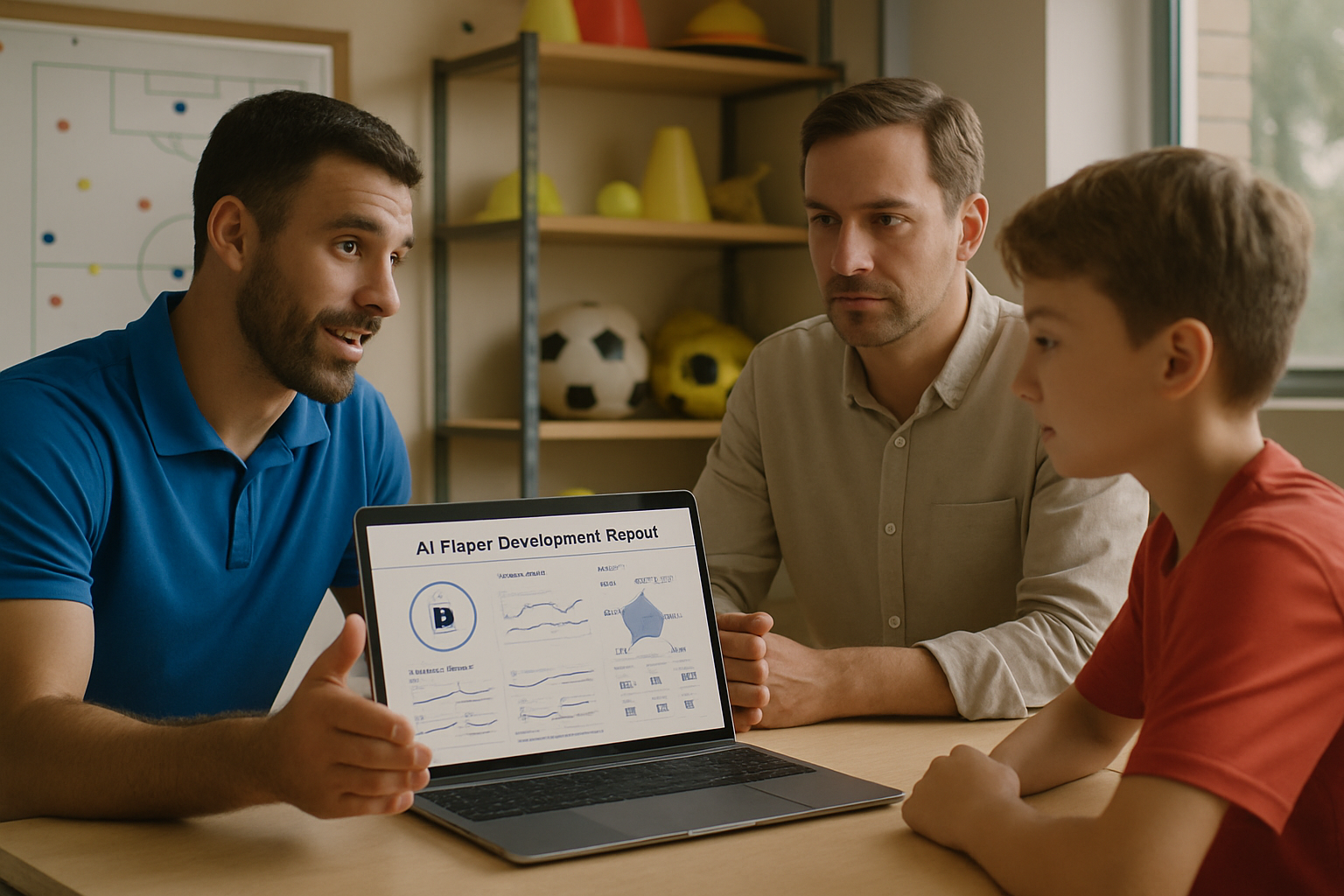
A Practical 8lete-Aligned Workflow for AI Player Development Reporting
An effective workflow integrates session input, attendance, AI skill assessments, coach notes, parent reports, and ongoing goal tracking:
Session → Attendance → Assessment → Coach Note → Parent Report → Next Goal → Repeat
For example, a soccer academy uses AI to evaluate passing accuracy during sessions, marks attendance digitally, coaches add personalized tips, and then a monthly report is sent to parents with development goals to focus on. This cycle nurtures consistency, objective tracking, and transparent communication.
Concrete Grassroots Examples of Using AI Player Development Reports
Example 1: A coach notices a player’s first touch inconsistency during small-sided games. AI data confirms lower control stats under pressure, enabling targeted drills in the next session.
Example 2: Parents receive monthly reports showing improvements in their child’s stamina and decision-making metrics, reassuring them of steady progress beyond match scores.
Example 3: An academy owner uses combined attendance and AI skill reports to identify players who need more focused support, ensuring retention efforts prioritize those with development gaps.
Conclusion
Creating AI player development reports is a critical step towards structured, transparent, and effective player growth. These reports bridge the gap between raw data and actionable insights by combining AI assessments with coach feedback and clear communication flows. For players, consistent training informed by their metrics builds self-awareness and focus, while parents gain meaningful visibility into progress and development goals. Coaches and academy owners benefit from streamlined workflows that integrate attendance, assessments, and reporting, enabling informed decisions and long-term planning. Without such systems, development relies too heavily on memory and intuition, risking missed opportunities and frustrated stakeholders. Moving forward, embracing AI-driven reports as part of an interconnected development process creates a foundation for sustained improvement, trust, and commitment across all grassroots sports environments. The practical takeaway is to prioritize regular, objective tracking paired with personalized coaching to ensure every development report leads to clear goals and meaningful growth.
What is an AI player development report and how does it help players?
An AI player development report uses data from AI assessments to track player skills, progress, and areas for improvement, helping players understand their strengths and weaknesses clearly.
How often should coaches generate AI player development reports?
Reports should be generated regularly, such as monthly or at the end of training cycles, to accurately track progress, adjust training plans, and maintain effective communication with players and parents.
How can academies ensure the data used for AI assessments is accurate?
Accurate data comes from consistent attendance tracking, reliable AI assessment tools, clear coach observations, and standardized protocols for recording sessions and matches.
Why am I not seeing improvement despite using AI player development reports?
Improvement requires acting on the report's recommendations through focused training, proper recovery, and feedback integration. Simply viewing reports without consistent effort will limit progress.
How can parents support their child using AI player development reports?
Parents should review the reports with their child, discuss improvement areas, encourage regular training attendance, and communicate concerns or questions with coaches to support development holistically.
What technology is best for small academies to create AI player development reports?
Small academies should opt for scalable AI assessment platforms that integrate attendance and coaching workflows, allowing easy data collection, assessment, and report generation without heavy technical requirements.
What is the best age to start using AI assessments for player development?
Basic AI assessments can start around U10, focusing on simple technical and physical metrics, with complexity increasing in later stages as players mature and development goals become more advanced.
Related Articles
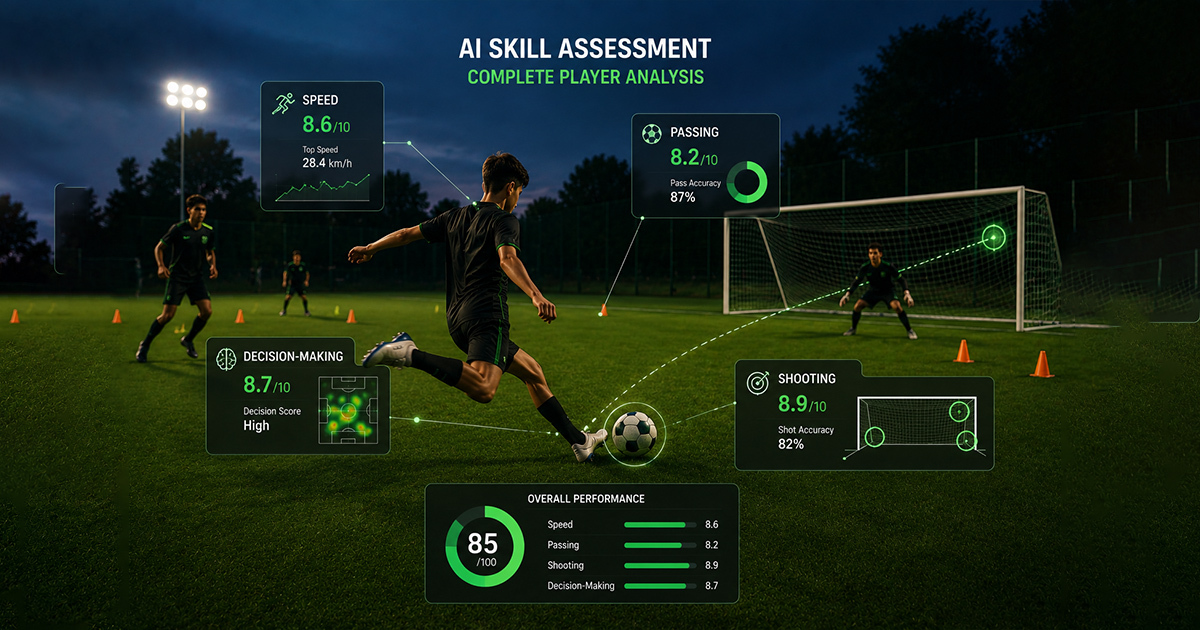 Read More about AI Skill Assessment in Football: Speed, Passing, Shooting and Decision-Making for Player Development
AI Skill Assessment in Football: Speed, Passing, Shooting and Decision-Making for Player Development
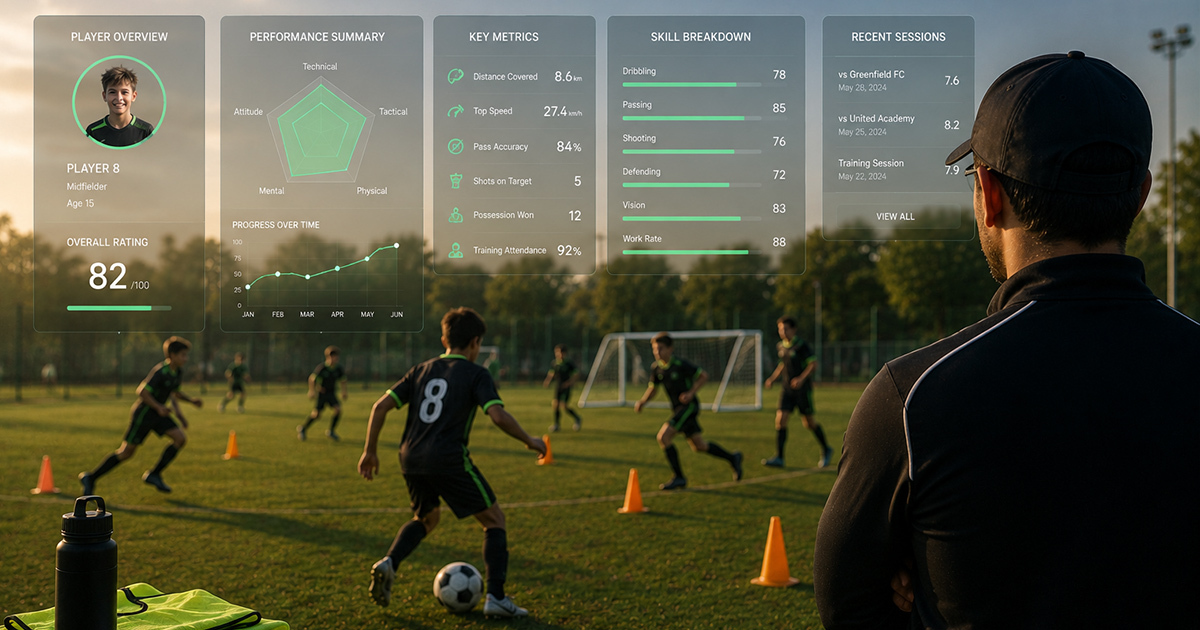 Read More about Player Performance Tracking Software for Grassroots Sports Academies: A Practical Guide
Player Performance Tracking Software for Grassroots Sports Academies: A Practical Guide
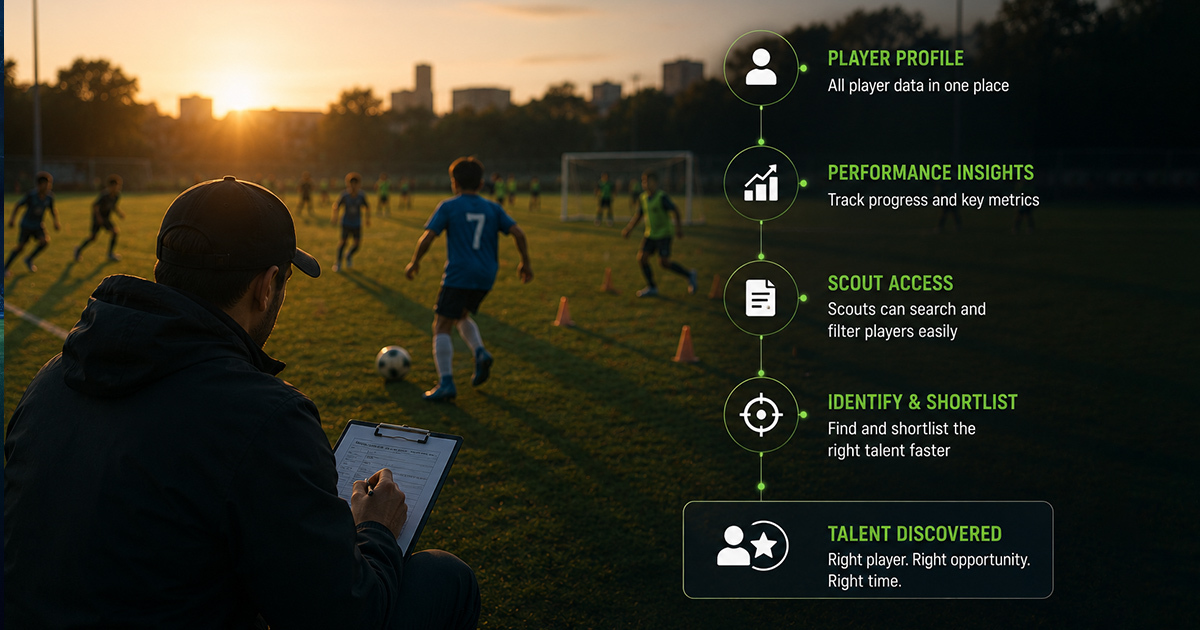 Read More about How Digital Player Records for Talent Scouting Transform Grassroots Football
How Digital Player Records for Talent Scouting Transform Grassroots Football
Latest Articles
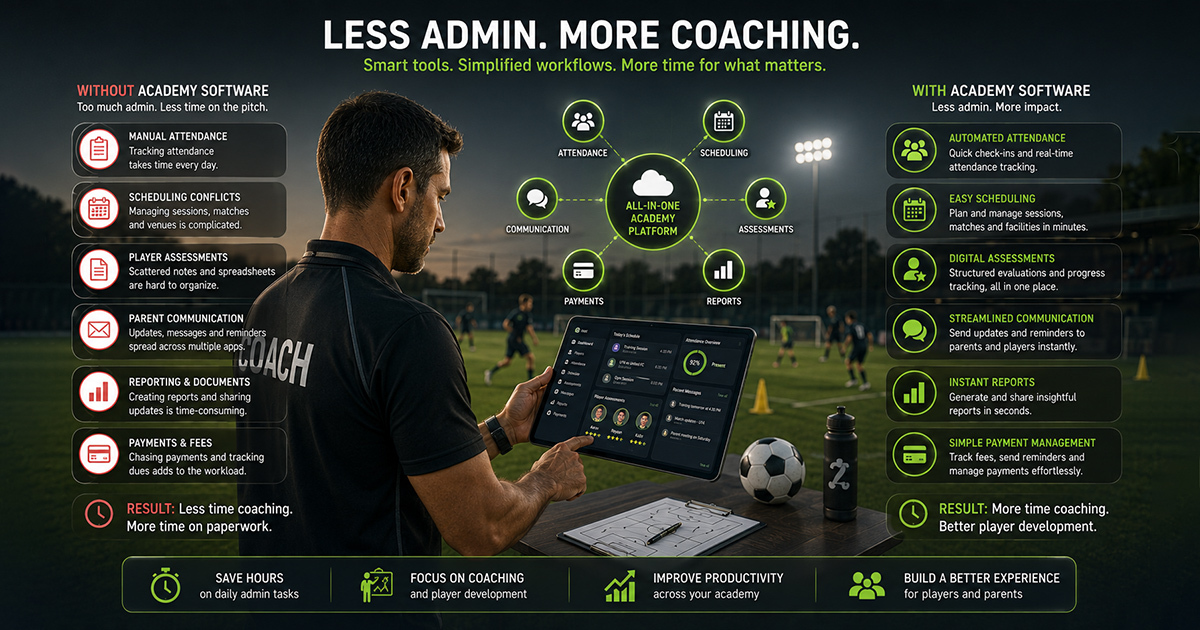 Read More about How Sports Academies Can Reduce Admin Work for Coaches
How Sports Academies Can Reduce Admin Work for Coaches
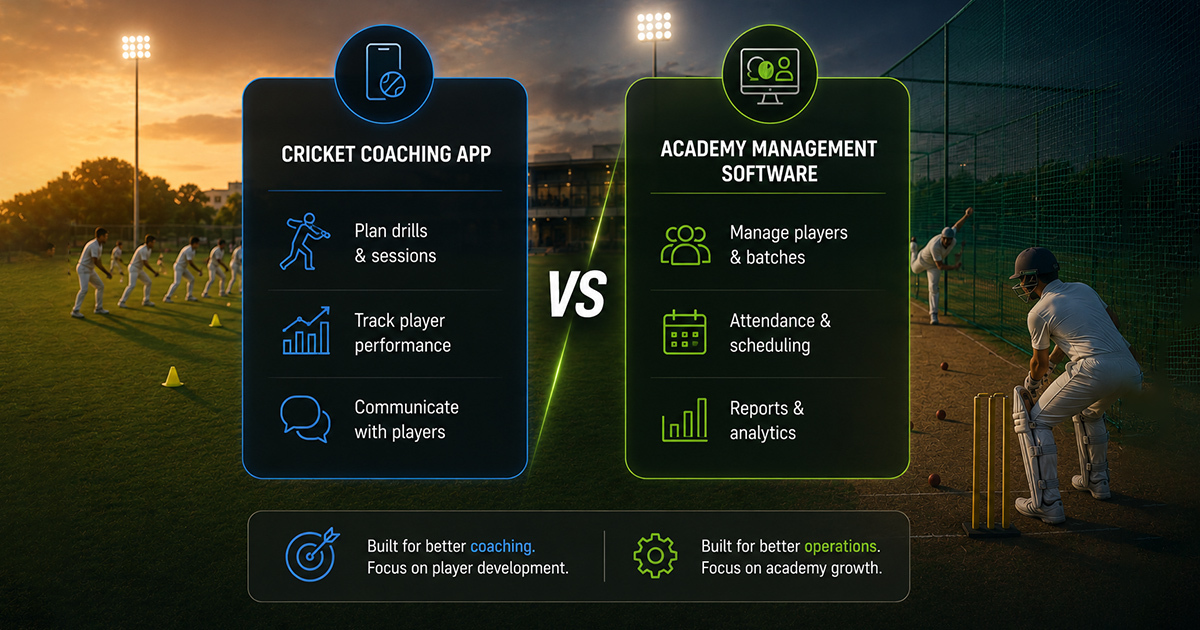
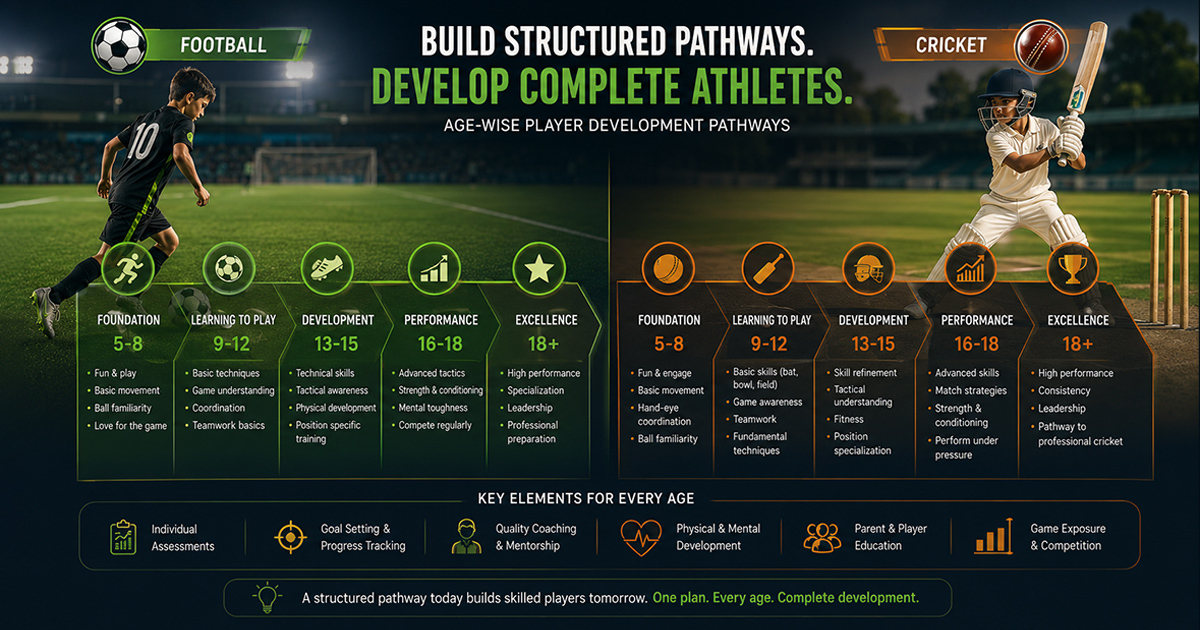 Read More about How to Build Age-Wise Player Development Pathways in Football and Cricket
How to Build Age-Wise Player Development Pathways in Football and Cricket
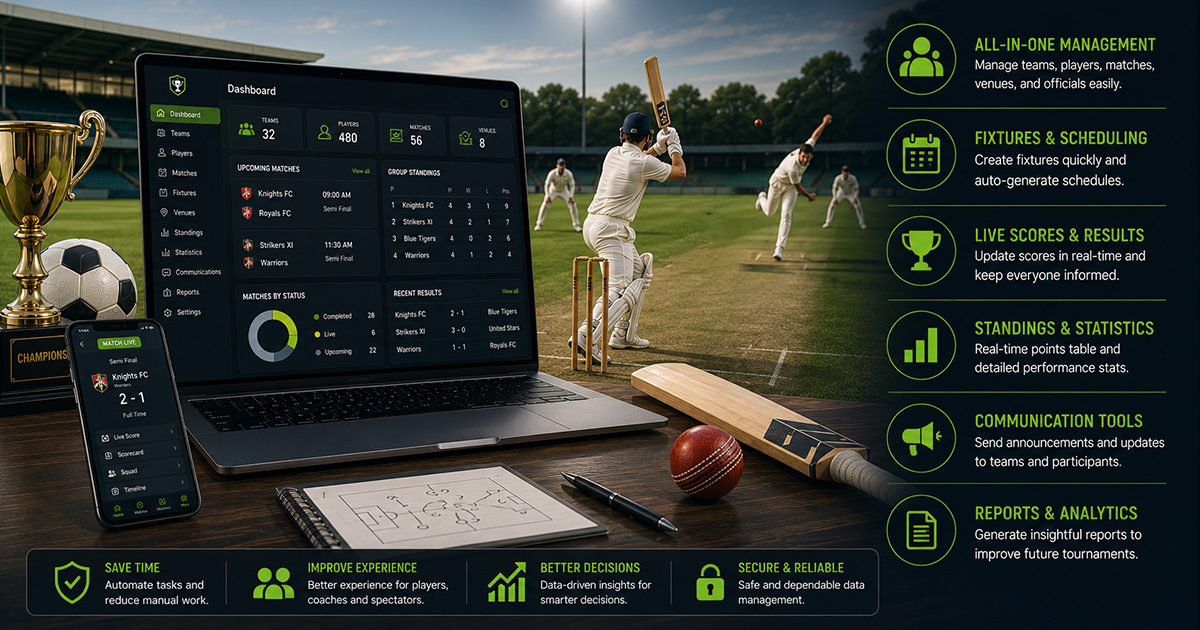 Read More about Tournament Management Software for Football and Cricket Organizers: A Practical Guide
Tournament Management Software for Football and Cricket Organizers: A Practical Guide
Ready to Bring Structure to Your Academy?
Let’s walk through your current setup and show you how 8lete can improve it.


