



How AI in Grassroots Sports Assessments Enhances Transparency and Trust
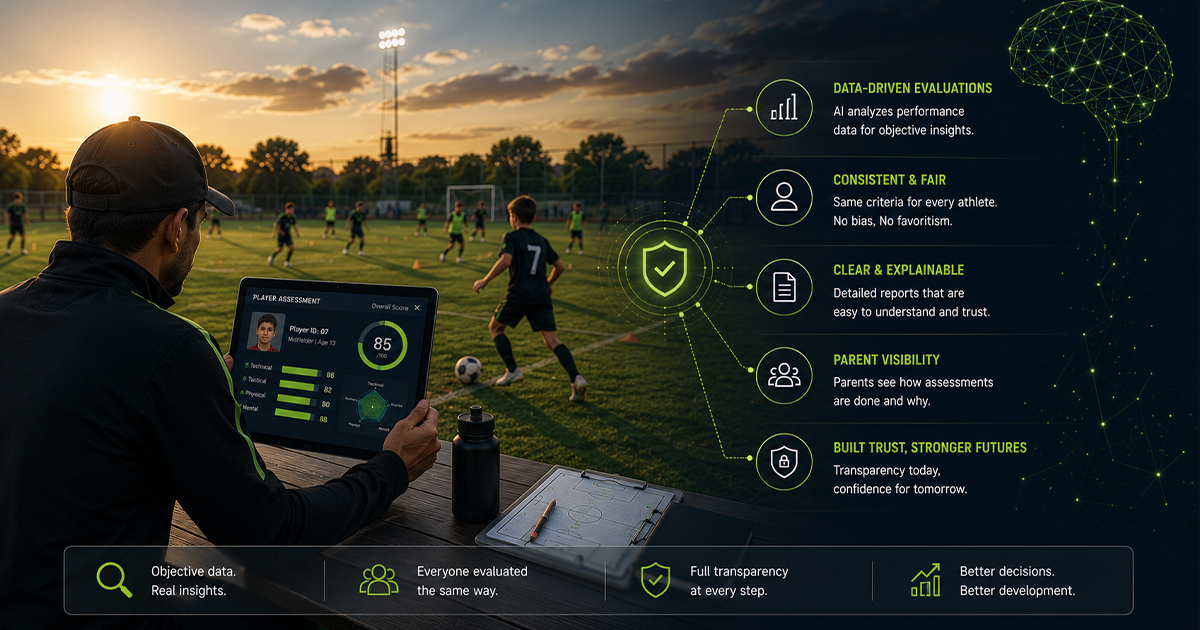
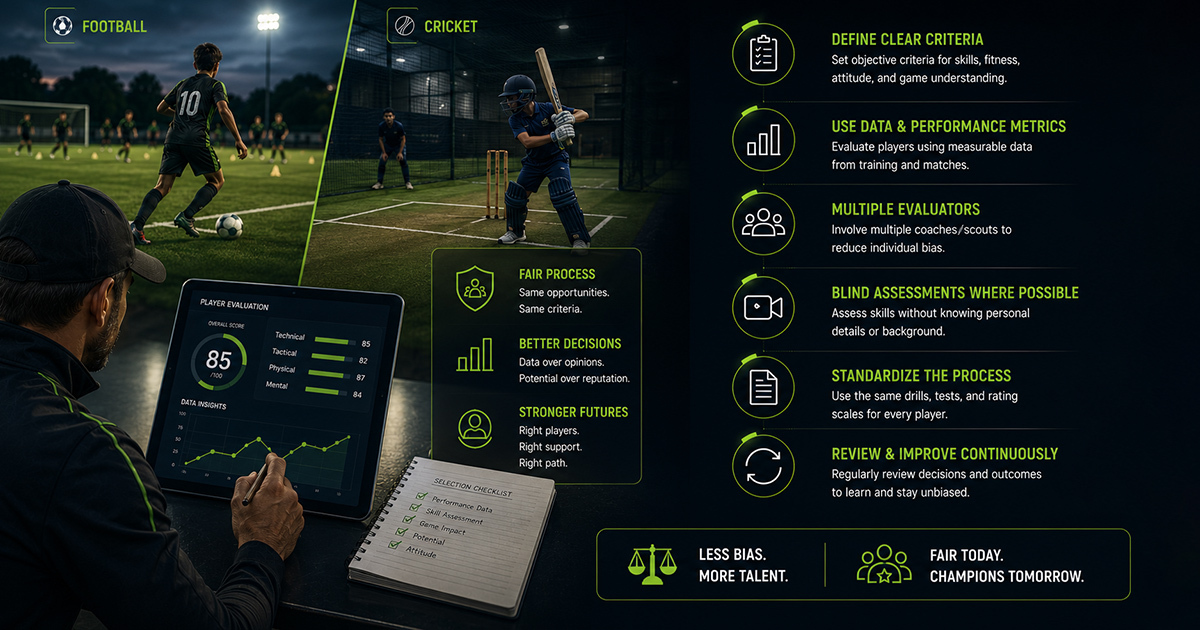
AI in grassroots sports assessments refers to the use of artificial intelligence technologies to analyze and evaluate young athletes' performances with data-driven precision and fairness. A common challenge faced by academies, coaches, parents, and players is the lack of clarity and objectivity in how player assessments are conducted. This opacity can lead to confusion, mistrust, and missed opportunities for meaningful development. Integrating AI can make these assessments more transparent by offering consistent, measurable insights and minimizing subjective bias. This article provides a practical exploration of how AI transforms grassroots sports evaluations, fostering trust among all stakeholders and supporting long-term player growth.
Understanding AI in Grassroots Sports Assessments
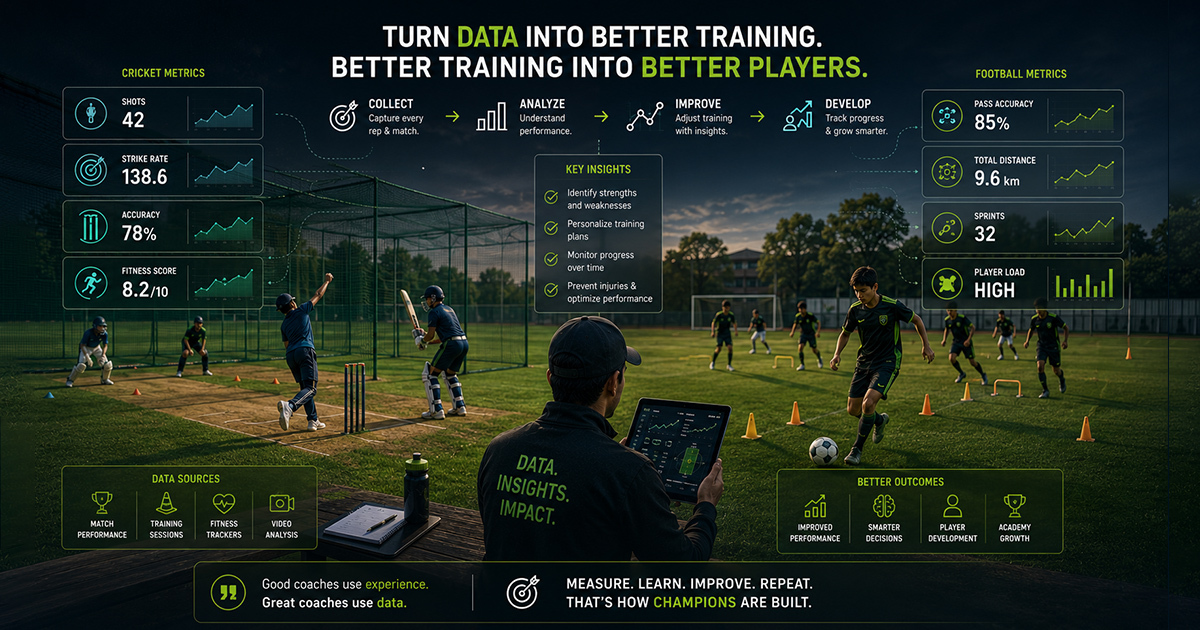
AI in grassroots sports assessments involves leveraging machine learning algorithms, video analysis, and performance metrics to objectively analyze player skills, physical attributes, and game behaviors. This technology complements traditional coaching by offering consistent data across training and matches, helping identify strengths and areas for improvement.
Unlike subjective evaluations, AI reduces human error and personal bias, leading to a transparent evaluation process. For example, an AI system can track a player’s passing accuracy or stamina metrics over weeks and present a clear progress report visible to coaches and parents alike.
A Practical Framework for Transparent AI-Based Assessments
A structured approach ensures AI effectively supports assessment transparency:
- Goal Definition: Clearly define measurable goals such as skill accuracy, decision-making speed, or endurance for targeted assessments.
- Data Collection: Use video capture, wearable sensors, and session tracking to gather comprehensive player data.
- Algorithm Calibration: Customize AI tools to reflect sport-specific skills and age-appropriate standards to avoid irrelevant data interpretation.
- Regular Assessments: Schedule consistent evaluations (e.g., weekly or monthly) to track progress over time rather than one-off judgments.
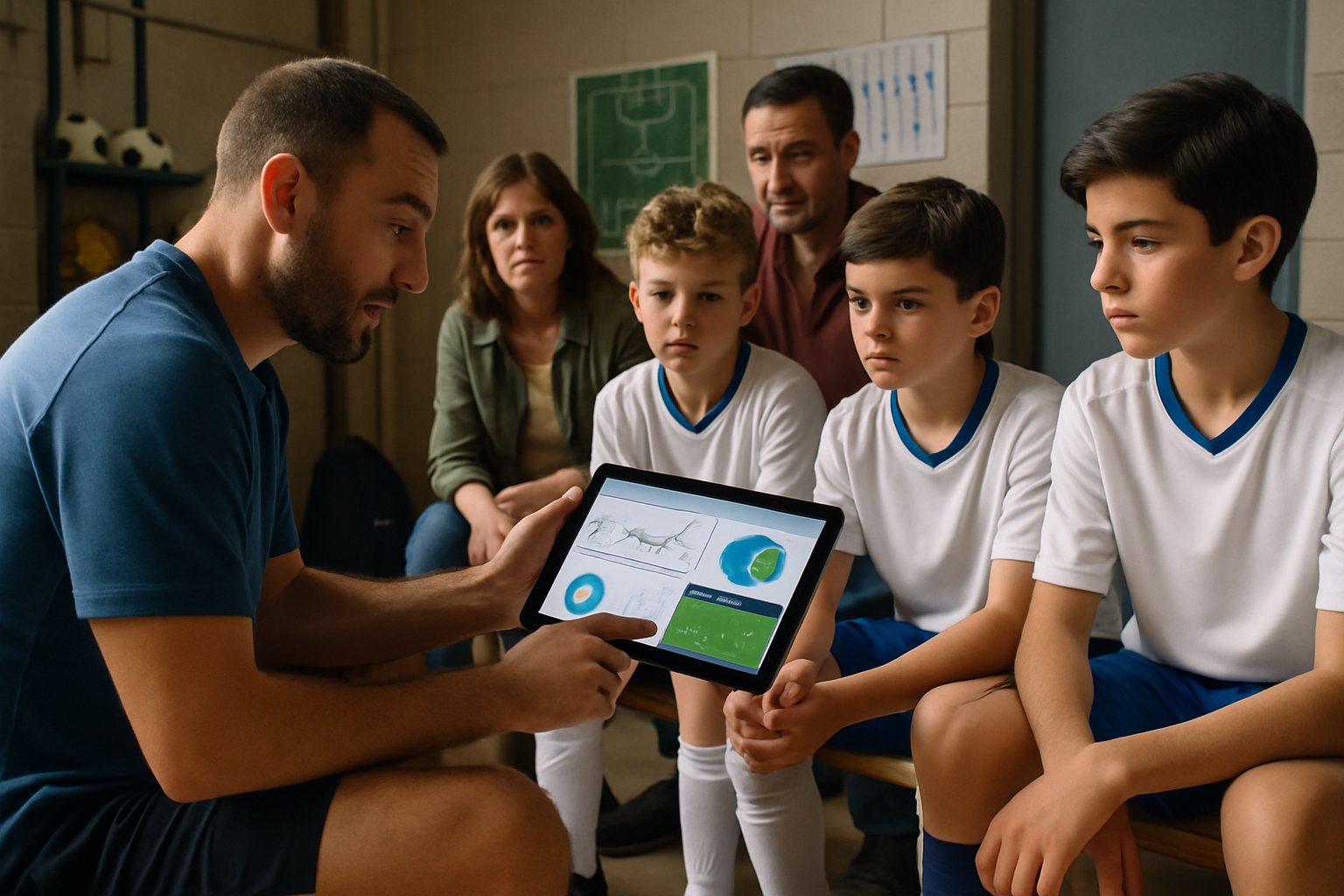
- Transparent Reporting: Provide clear, jargon-free reports to coaches, players, and parents highlighting key metrics and development points.
- Coach Feedback Integration: Combine AI data with qualitative coach observations for a holistic perspective.
- Ethical Oversight: Monitor data use and privacy, ensuring players’ information is managed responsibly and fairly.
Why AI Transparency Matters in Sports Assessments
Transparency in AI ensures every participant understands how assessments are made, addressing concerns around hidden bias or unfair selections. For example, an academy using AI to measure player stamina during matches can openly share how scores are calculated, so parents know their child's evaluation is data-backed rather than guessing or favoritism.
This transparency builds trust, encouraging players to engage earnestly with training, knowing their progress is objectively tracked. It also enables academies to provide evidence-based development plans, improving communication with parents who otherwise may misinterpret raw results or informal feedback.
Role-Wise Insights for AI-Driven Assessment Transparency
Players: Understand what is measured and focus on controllable factors like skill technique, fitness, and decision-making during sessions.
Coaches: Use AI reports to supplement on-field observations, identify hidden weaknesses, and tailor personalized development plans. Coaches should explain metrics clearly to players and parents to build comprehension and trust.
Parents: Request detailed reports that demystify evaluations, prioritizing progress over short-term results. Understanding AI assessment details helps manage expectations and support player motivation positively.
Academy Owners: Implement systems that combine AI data with manual coach notes and integrate regular parent communications. Establish workflows ensuring data security and fairness to uphold academy reputation and long-term player development.
Age-Wise Implementation of AI Assessments in Grassroots Sports
Implementing AI assessments requires adjusting methods based on players’ developmental stages. Here's a straightforward breakdown:
- U8–U10: Focus on basic skill tracking like coordination, balance, and enthusiasm. Use simple AI tools for movement and attendance tracking.
- U11–U13: Introduce technical and tactical metrics such as passing accuracy and decision timing. Combine AI feedback with coach-led drills emphasizing consistency.
- U14–U16: Focus on comprehensive performance data including physical endurance, positioning, and mental resilience. Use AI to generate detailed reports and trend analysis to guide training.
- U17+: Employ advanced AI tools for scouting readiness, nuanced skill analytics, and injury prevention. Support transition to competitive environments with transparent AI and human-coach collaborations.
Transparent AI assessments connect clear data with coach feedback, building trust and real player growth over time.
Practical Checklist for Implementing Transparent AI Assessments
Use this checklist to ensure transparent and effective AI assessment in your grassroots sports program:
- Define clear assessment goals that align with player development stages.
- Ensure AI tools are calibrated to your specific sport and age group.
- Collect consistent, high-quality data from training and matches.
- Combine AI data with coach qualitative feedback.
- Enable easy access to reports for coaches, parents, and players.
- Train all users to understand the AI metrics and their implications.
- Develop a regular schedule for AI assessments and reviews.
- Maintain data privacy and ethical governance over player information.
- Use AI insights to set realistic, measurable player goals.
- Monitor AI system biases and update tools as needed for fairness.
Common Mistakes in AI-Based Grassroots Sports Assessment
1. Overreliance on AI Without Coach Input: Solely trusting AI reports can overlook context like player effort or emotional state. Fix: Always pair AI data with coach observations for a complete picture.
2. Using Inappropriate AI Tools for Age or Sport: Applying adult-level algorithms to young players or irrelevant sports data causes inaccurate assessment. Fix: Customize or select AI tools designed for your sport and age group.
3. Poor Communication of AI Results: Sharing reports with jargon or limited explanation confuses players and parents. Fix: Provide clear, simple summaries and discuss results personally.
4. Ignoring Data Privacy and Consent: Failing to secure data can breach trust and legal standards. Fix: Establish clear privacy policies and obtain consent before collecting AI-driven data.
5. Not Updating AI Models: Using outdated AI systems can perpetuate biases or produce irrelevant insights. Fix: Regularly assess and update AI algorithms with current data and expert input.
Integrating AI with an 8lete-Aligned Assessment Workflow
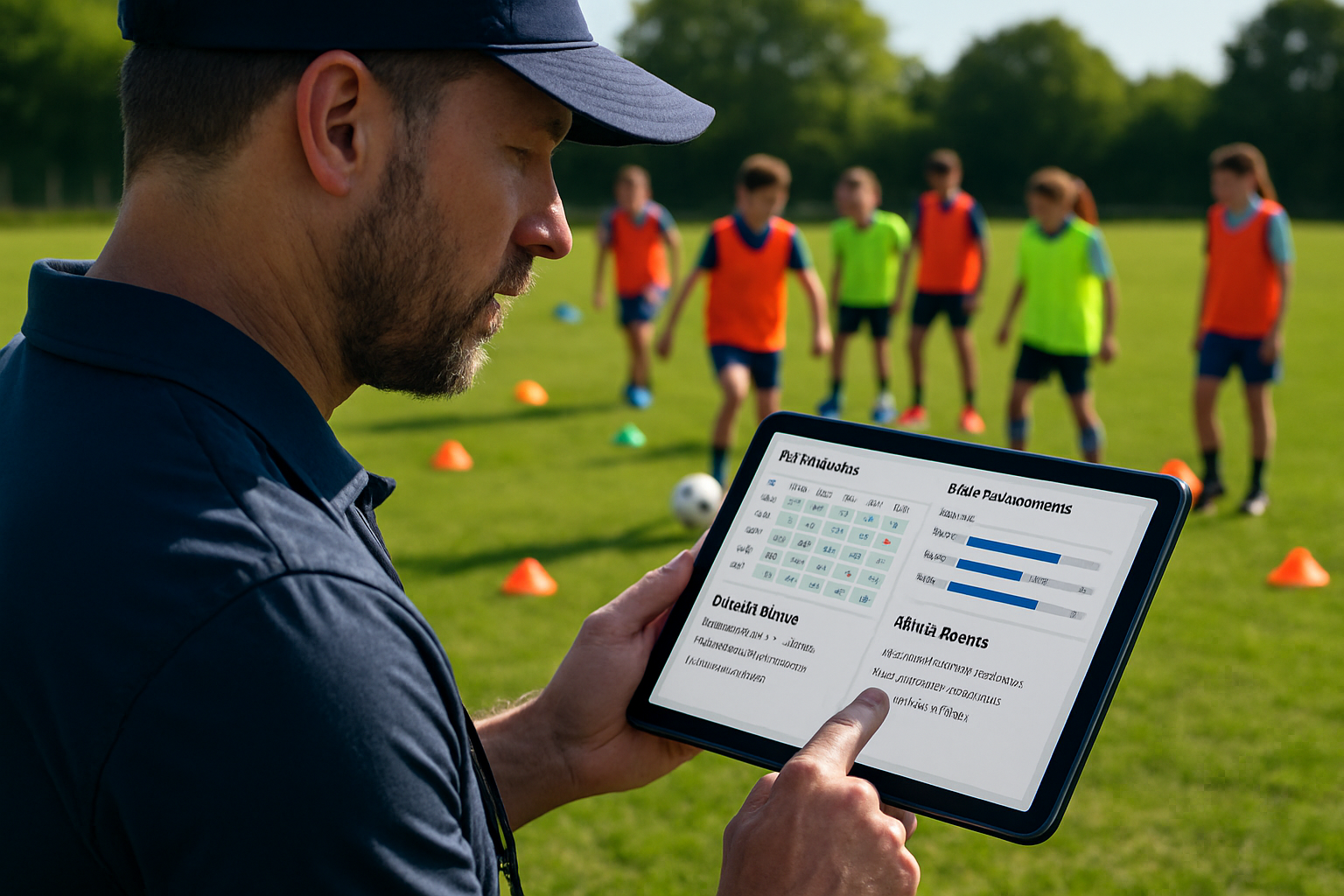
A practical workflow to harness AI for transparent assessments includes: Session Planning & Execution — collect performance data during training or matches; Attendance Marking — maintain discipline records; AI-Powered Assessment — process data for objective skill and fitness insights; Coach Notes — contextualize AI reports with qualitative feedback; Parent & Player Reports — share clear progress summaries; Goal Setting — co-create improvement targets for next sessions. This integrated approach ensures data transparency, actionable feedback, and sustained player development.
For instance, a grassroots soccer coach observed that AI highlighted a player's lagging passing accuracy despite high training attendance. With transparent data, the coach discussed this with the player and parents, collaboratively setting specific passing drills in the next sessions. The parent appreciated the clarity, reducing misunderstandings about selection decisions.
Concrete Grassroots Examples of AI Transparency in Action
1. A youth football academy implemented AI to analyze match footage, providing players and parents with video clips highlighting specific decisions. This transparency helped players understand mistakes and improve tactical awareness.
2. A coach noticed fluctuating player attendance. Integrating AI attendance tracking with performance metrics exposed a correlation between absences and stamina dips, leading to better scheduling and communication with parents.
3. Parents at a multi-sport academy received digital, AI-generated progress reports every month showing quantified growth in skills and fitness, replacing vague verbal feedback, which increased trust in the academy’s development process.
FAQs
What is AI in grassroots sports assessments? AI in grassroots sports assessments uses technology like machine learning and video analysis to gather and evaluate player performance data objectively. It helps coaches and academies make informed, transparent decisions about development.
How can coaches improve player development using AI? Coaches can use AI insights to identify specific skill gaps, monitor fitness trends, and tailor training sessions to individual needs. Combining AI data with their expertise ensures well-rounded player progress.
Why do some players struggle despite AI assessments? AI assesses measurable data but cannot fully capture mental readiness or external factors. Players struggling might need personalized coaching, mental skills training, or support beyond what AI data suggests.
How do academies ensure transparency with AI assessments? By sharing clear, understandable reports regularly with players and parents, explaining the metrics used, and integrating coach feedback, academies build trust and transparent communication.
What is the best age to start using AI assessments? Basic AI tools can support players as young as U8 for tracking attendance and movement, but more detailed AI assessments are best suited for U11 and above when skills and tactics become measurable and meaningful.
How long does it take for AI assessments to show meaningful progress? Typically, consistent use over weeks or months provides reliable trends. Short-term data snapshots can be misleading, so academies should focus on regular assessment cycles and long-term tracking.
Conclusion
AI in grassroots sports assessments offers a transformative way to enhance transparency, fairness, and clarity in evaluating young athletes. By establishing clear goals, using consistent data collection, and sharing transparent reports combined with coach insights, academies create a trustworthy environment for players and parents. This approach reduces misunderstandings and supports evidence-based development rather than subjective judgment. However, success depends on balancing technology with human expertise and maintaining ethical data practices. Grassroots programs adopting AI must embed it within structured workflows to track attendance, performance, coach feedback, and communication systematically. This integration ensures that development is visible, measurable, and actionable—qualities essential for nurturing young talent over time. Ultimately, transparency through AI assessments builds lasting trust and supports steady, disciplined player growth.
What is AI in grassroots sports assessments?
AI in grassroots sports assessments uses technology like machine learning and video analysis to objectively gather and evaluate player performance data. It supports coaches in making informed, transparent decisions about player development and progress.
How can coaches improve player development using AI?
Coaches can leverage AI data to identify skill gaps, monitor physical performance trends, and customize training plans. Combining AI insights with coach observations enables targeted improvements and clearer communication with players and parents.
Why do some players struggle despite AI assessments?
AI focuses on measurable factors and might miss mental, emotional, or external circumstances affecting players. Those struggling may benefit from personalized coaching, mental skills support, and contextual feedback beyond AI data alone.
How do academies ensure transparency with AI assessments?
Transparency is ensured by sharing clear, accessible AI-generated reports regularly with players and parents, explaining assessment metrics comprehensively, and integrating qualitative coach feedback to provide a full development picture.
What is the best age to start using AI assessments in grassroots sports?
Basic AI tools can be introduced around U8 for simple tracking, but detailed and meaningful assessments are most effective for players aged U11 and above when their skills and tactics become measurable and developmentally relevant.
How long does it take for AI assessments to show meaningful player progress?
Meaningful trends usually emerge over consistent assessment periods spanning weeks to months. Short-term data can be misleading, so regular, scheduled evaluations are crucial to understanding true player development.
Related Articles
 Read More about How Live Match Stats Improve Grassroots Football and Cricket Tournaments
How Live Match Stats Improve Grassroots Football and Cricket Tournaments
 Read More about Future of Football Development in India: What the Next 5 Years Will Look Like
Future of Football Development in India: What the Next 5 Years Will Look Like
 Read More about AI and Data Analytics in Grassroots Football: What Academies Need to Know
AI and Data Analytics in Grassroots Football: What Academies Need to Know
Latest Articles
 Read More about How Sports Academies Can Reduce Admin Work for Coaches
How Sports Academies Can Reduce Admin Work for Coaches
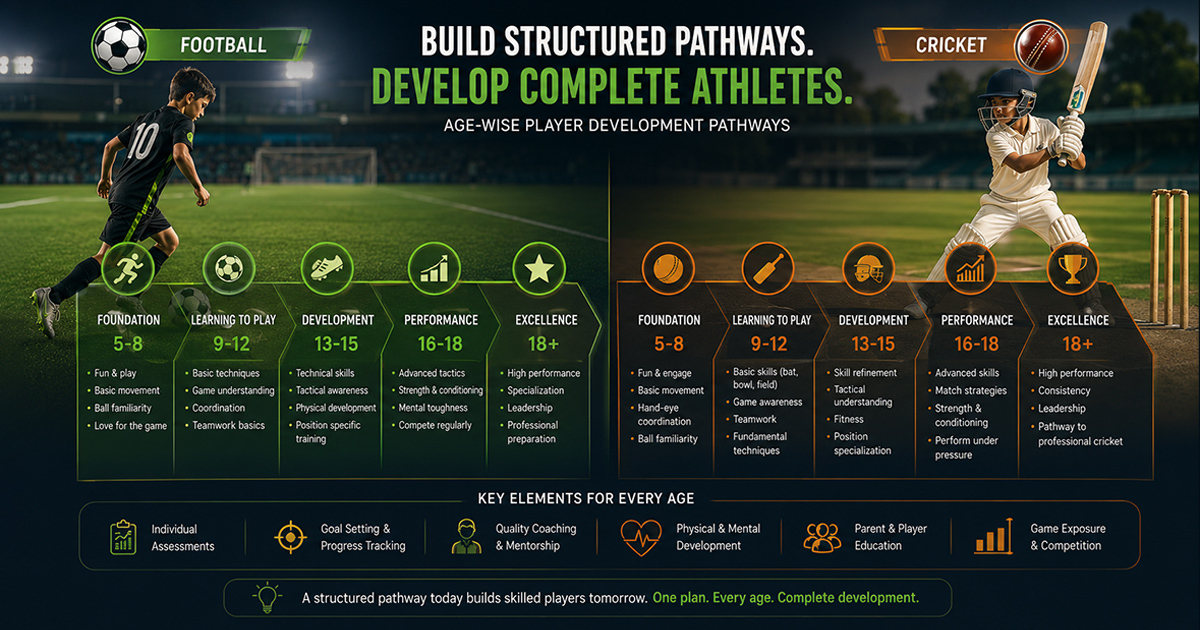 Read More about How to Build Age-Wise Player Development Pathways in Football and Cricket
How to Build Age-Wise Player Development Pathways in Football and Cricket
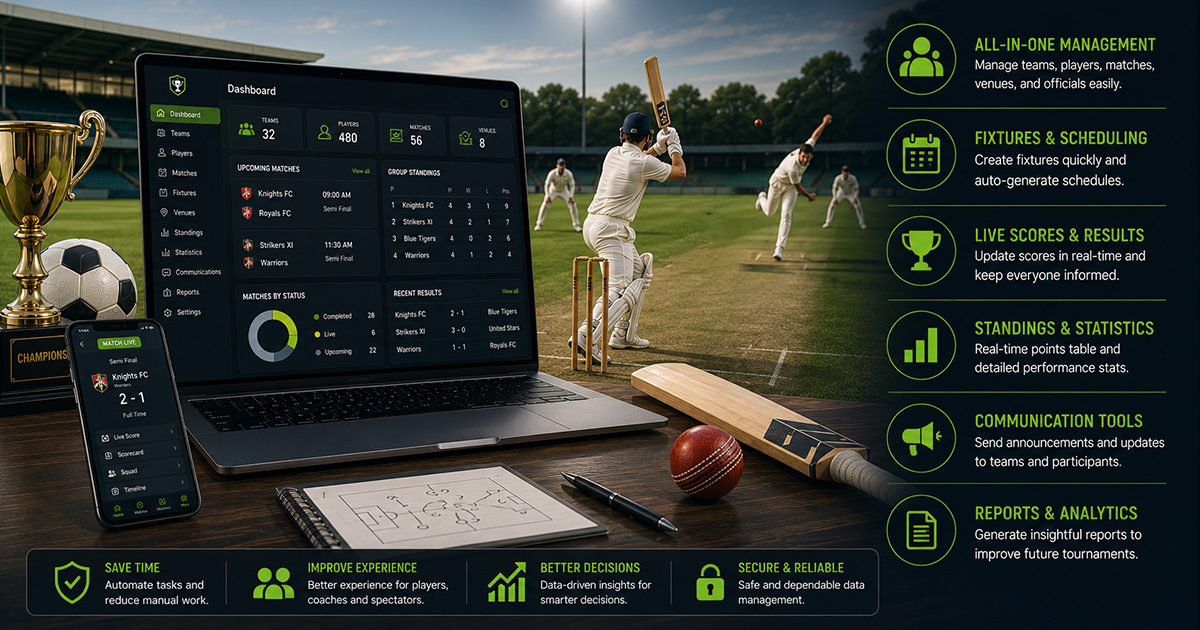 Read More about Tournament Management Software for Football and Cricket Organizers: A Practical Guide
Tournament Management Software for Football and Cricket Organizers: A Practical Guide
Ready to Bring Structure to Your Academy?
Let’s walk through your current setup and show you how 8lete can improve it.


