




How to Run Fair and Transparent Sports Trials for Young Athletes: A Guide for Grassroots Academies
Running fair sports trials for youth athletes means creating an open, consistent, and bias-free environment where every young player gets an equal opportunity to showcase talent. Academies and coaches often struggle with maintaining transparency and fairness during trials, leading to dissatisfaction among players, parents, and staff. Ensuring fairness in trials is critical for long-term player trust, academy reputation, and structured development. This article provides practical guidelines and frameworks tailored for grassroots academies to organize transparent athlete selection processes that support sustained growth and confidence.
What Does Running Fair Sports Trials for Youth Athletes Mean?
Fair sports trials involve setting up clear, objective criteria and processes that identify potential based on merit, minimizing subjective bias. It requires transparent communication, consistent evaluation standards, and structured documentation so every athlete understands how selections are made. This process builds credibility and supports player development beyond just trial day performance.
Without fairness and transparency, trials become a source of frustration, with parents and players doubting the legitimacy of results. Grassroots academies must focus on systematic steps that protect fairness and ensure players’ efforts are evaluated comprehensively.
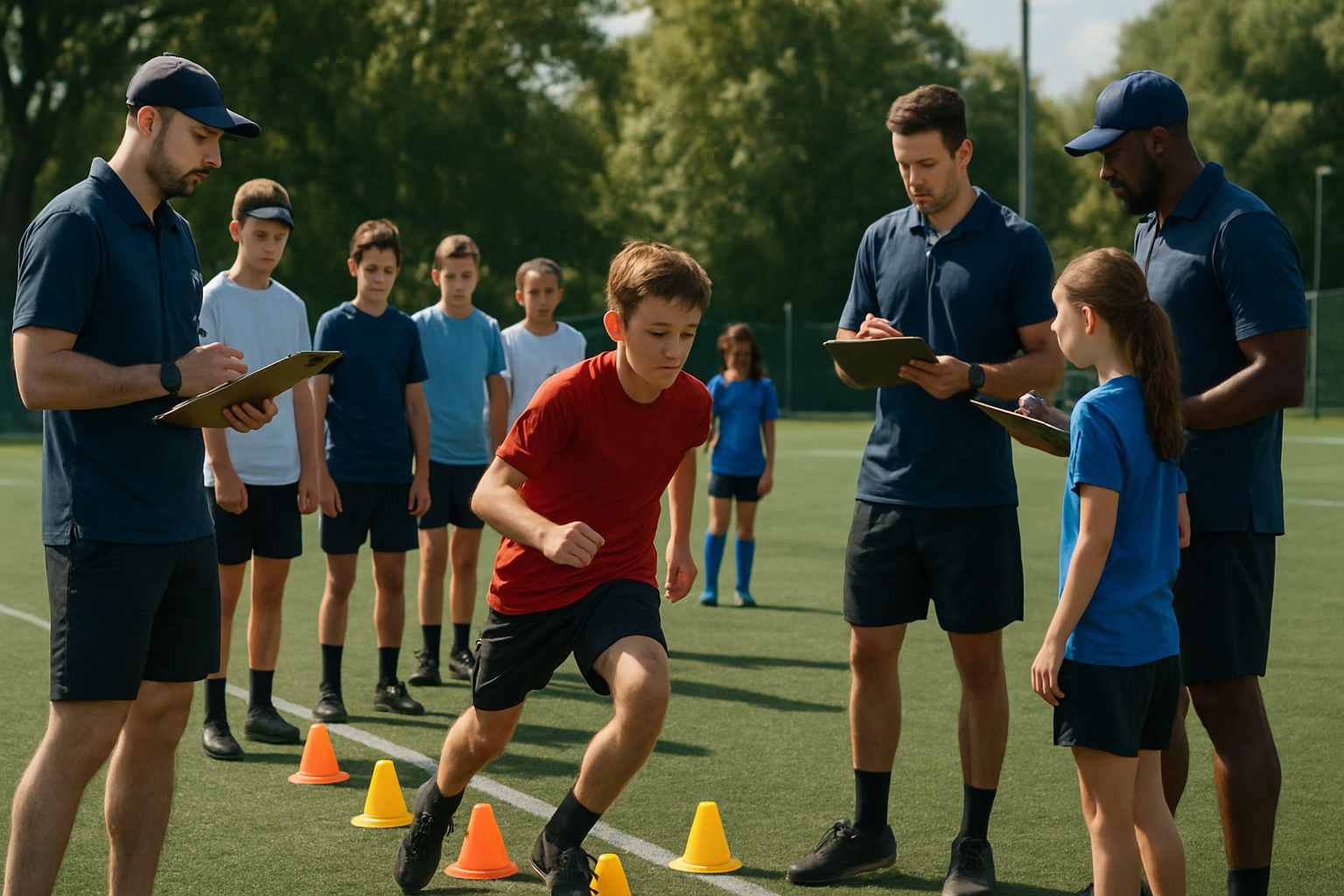
A Practical Framework for Running Fair and Transparent Youth Sports Trials
To organize trials with fairness and openness, academies should follow these critical steps:
- Define Clear Evaluation Criteria – Establish measurable performance indicators such as skill execution, decision-making, fitness, and attitude tailored to age and development stage.
- Communicate Trial Details in Advance – Share dates, evaluation metrics, session format, and player expectations openly with parents, players, and staff.
- Use Standardized Assessment Tools – Employ checklists, rating scales, and video or AI assessments to minimize bias.
- Involve Multiple Observers – Multiple coaches and selectors observing independently reduces subjective judgments.
- Document Every Observation – Maintain structured notes for every player on skills, attitude, and potential for long-term progress.
- Provide Feedback Opportunities – Offer parents and players clear, specific feedback to build trust and future development plans.
- Review and Validate Selections – Conduct a post-trial review meeting with coaches and management to confirm decisions align with fair criteria.
Following this structured approach ensures transparency and fairness while linking selections to long-term player growth.
Why Transparency Matters in Athlete Selection
Transparent athlete selection processes help prevent perceptions of favoritism and bias, which can undermine player confidence and academy reputation. By setting clear expectations and sharing the selection framework, academies encourage players and parents to focus on development rather than contesting outcomes.
A grassroots academy owner once faced backlash from parents because trial results seemed inconsistent. By introducing standardized criteria, multiple coach assessments, and sharing post-trial feedback, trust was rebuilt and trials became a valued developmental milestone rather than a purely competitive test.
Role-Wise Responsibilities for Fair Sports Trials
Players: Arrive prepared, understand trial criteria, give consistent effort, and be open to feedback.
Coaches: Observe objectively, use standardized rating tools, minimize bias, document evaluations, and communicate respectfully.
Parents: Understand trial purpose, support child's preparation without undue pressure, and appreciate that selection is based on structured assessment.
Academy Owners: Build and enforce fair trial policies, train staff on evaluation methods, manage transparent communication flow, and maintain clear documentation for accountability.
Age-Wise Trial Implementation Guide
U8–U10: Focus trials on basic skills, coordination, and attitude towards learning. Criteria should be simple and encouragement-focused.
U11–U14: Assess technical skills consistency, understanding of game concepts, and coachability. This stage needs more detailed observation sheets and multi-coach inputs.
U15 and above: Include tactical awareness, physical fitness tests, mental resilience, and leadership potential. Feedback sessions become critical to guide players toward long-term development.
“Fairness and clarity in trials build the foundation for trust and sustained player development.
Fairness and clarity in trials build the foundation for trust and sustained player development.
"Fairness and clarity in trials build the foundation for trust and sustained player development."
Common Mistakes in Managing Youth Sports Trials and How to Fix Them
1. Vague or Changing Criteria: Confuses players and parents, reduces trust. Fix: Finalize and share clear criteria before trials.
2. Single Coach Decision-Making: Subjective bias dominates. Fix: Include multiple observers and consensus meetings.
3. No Documentation: Leads to disputes over decisions. Fix: Record structured notes for all players, linked to evaluation points.
4. Poor Communication Post-Trial: Parents and players feel ignored or lost. Fix: Provide clear feedback, even if brief, outlining strengths and areas to improve.
5. Overemphasis on Physicality Alone: Ignores skill and mental attributes. Fix: Balance fitness with technical and psychological assessments.
6. Allowing Trial Day Anxiety to Skew Judgments: Players under pressure may underperform. Fix: Use multiple sessions or match simulations to get holistic evaluation.
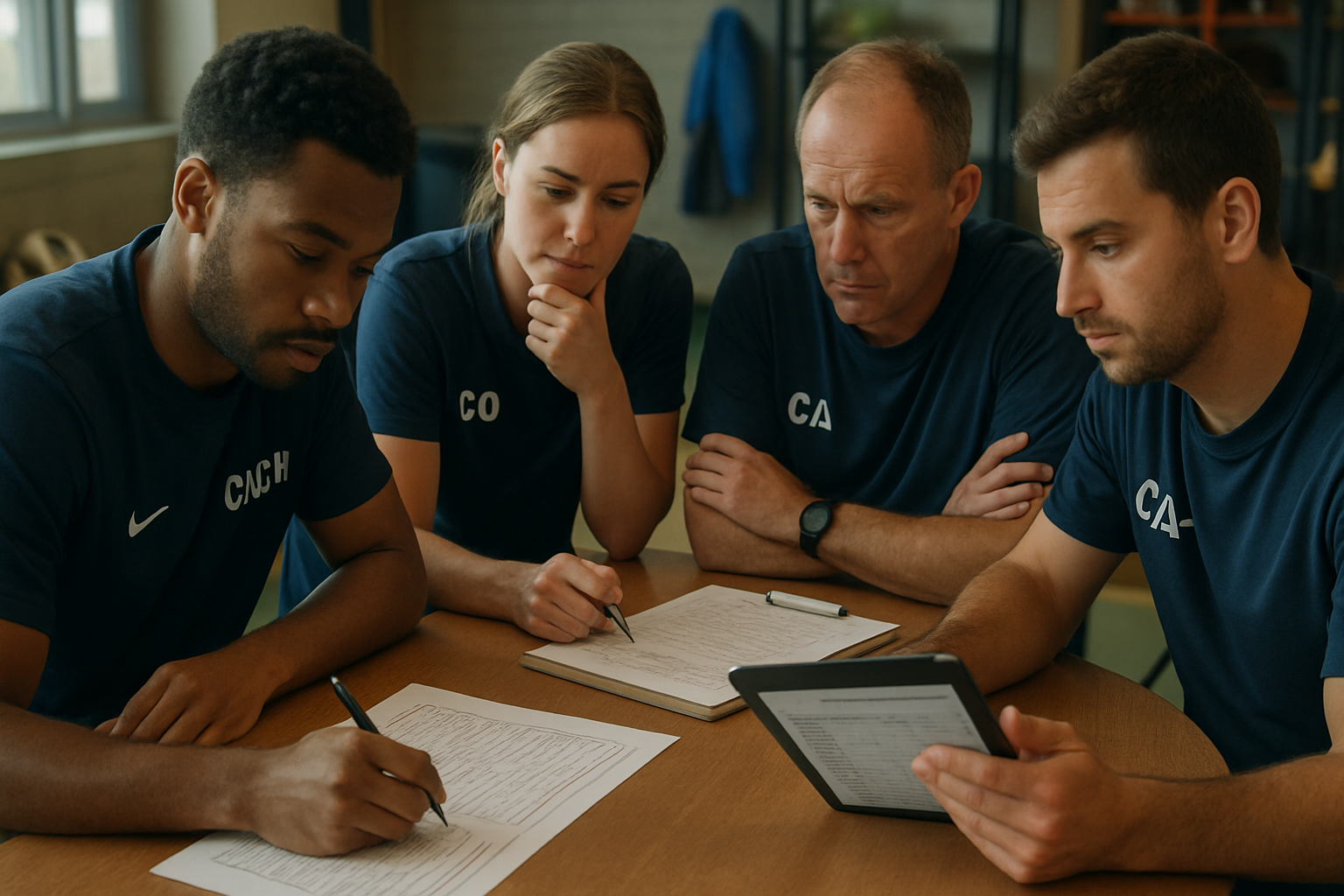
Practical Checklist for Running Fair and Transparent Sports Trials
- Have you defined and documented specific evaluation criteria before trial day?
- Is trial information including date, location, and process shared with parents and players well in advance?
- Are multiple coaches or selectors involved in independent assessments?
- Are assessment tools like score sheets or digital apps standardized and easy to use?
- Do coaches maintain written or digital notes on each player’s performance and attitude?
- Is there a set process for post-trial review meetings to confirm selections?
- Are players and parents given clear feedback after the trial, regardless of selection?
- Do trials include a mix of skill drills, decision-making scenarios, and situational games?
- Is the trial structure age-appropriate, focusing on relevant skills for each stage?
- Are fairness and transparency regularly communicated as core academy values?
A Realistic Workflow Using Academy Systems for Sports Trials
Step 1: Enquiry & Trial Registration – Use an enquiry management system to collect player data and schedule trial batches.
Step 2: Session Planning – Organize trial sessions with clear timing, drill structure, and coach assignments.
Step 3: Attendance Management – Track player attendance rigorously to avoid confusion during evaluation.
Step 4: Player Assessments – Use standardized forms or digital input to record coach observations in real time.
Step 5: Coach Review & Notes – Consolidate assessment data, allow coaches to discuss and finalize decisions.
Step 6: Parent Communication – Send structured feedback reports to parents to support player understanding and next steps.
Step 7: Admissions & Follow-Up – Manage selected player admissions and inquiries for those not selected to maintain goodwill.
This workflow minimizes manual errors, ensures audit trails, and enhances trust across stakeholders.
Grassroots Examples Highlighting Fair Trial Practices
A football academy introduced an AI-powered assessment during trials to objectively measure player speed and decision-making under pressure, reducing subjective bias among coaches.
A youth cricket club faced complaints about unfair trials until they started sharing clear trial guidelines and post-trial reports with parents, which improved trust and calm around selections.
A grassroots basketball program organized multi-day trial sessions to evaluate players across different drills and scrimmages, ensuring those with one-off poor performances were not unfairly excluded.
Conclusion
Running fair sports trials for youth athletes is essential but challenging without clear structures. Academies must commit to transparent criteria, consistent assessments, and open communication to create an environment where trust thrives and players develop healthily. Fairness is not just a trial-day ideal—it is a long-term commitment that requires documenting evaluations, managing attendance, collecting coach feedback, and sharing progress with parents. Integrating practical workflows ensures that decisions are traceable and replicable, reducing disputes and enhancing academy credibility. Every stakeholder—players, coaches, parents, and owners—has a role in sustaining this fairness. By investing effort into thoughtful planning and transparent operations, grassroots academies lay a foundation for genuine player growth instead of momentary selections, ensuring the process supports both immediate trial success and long-term athlete development.
What is a fair sports trial for youth athletes?
A fair sports trial involves setting clear, objective criteria and evaluation processes that allow each young athlete an equal and unbiased opportunity to showcase their skills and potential.
How can coaches ensure fairness during athlete trials?
Coaches can ensure fairness by using standardized assessment tools, involving multiple observers, documenting observations accurately, and applying consistent criteria tailored to players’ age and skill levels.
What are some tips for organizing transparent grassroots sports trials?
To organize transparent trials, academies should clearly communicate trial details in advance, share evaluation metrics openly, provide timely feedback after trials, and hold review meetings to validate selection choices.
Why is it important to involve multiple coaches in sports trials?
Multiple coaches provide diverse perspectives, reduce individual biases, promote balanced decision-making, and help create a more reliable and credible selection process.
How should academies manage trial sessions for different age groups?
Younger groups (U8–U10) should be assessed on basic skills and attitude with simple criteria, while older groups (U15+) require comprehensive evaluation including tactical awareness, fitness, and mental resilience.
Why do some academies struggle with trust in their trial processes?
Lack of clear criteria, poor communication, single coach decision-making, and absence of documented assessment often lead to perceived unfairness, causing trust issues with players and parents.
How long should a youth sports trial process take for best results?
Effective trials may span multiple sessions or days to allow players to demonstrate consistent potential, rather than relying on a single trial day performance, supporting fairer evaluations.

Related Articles
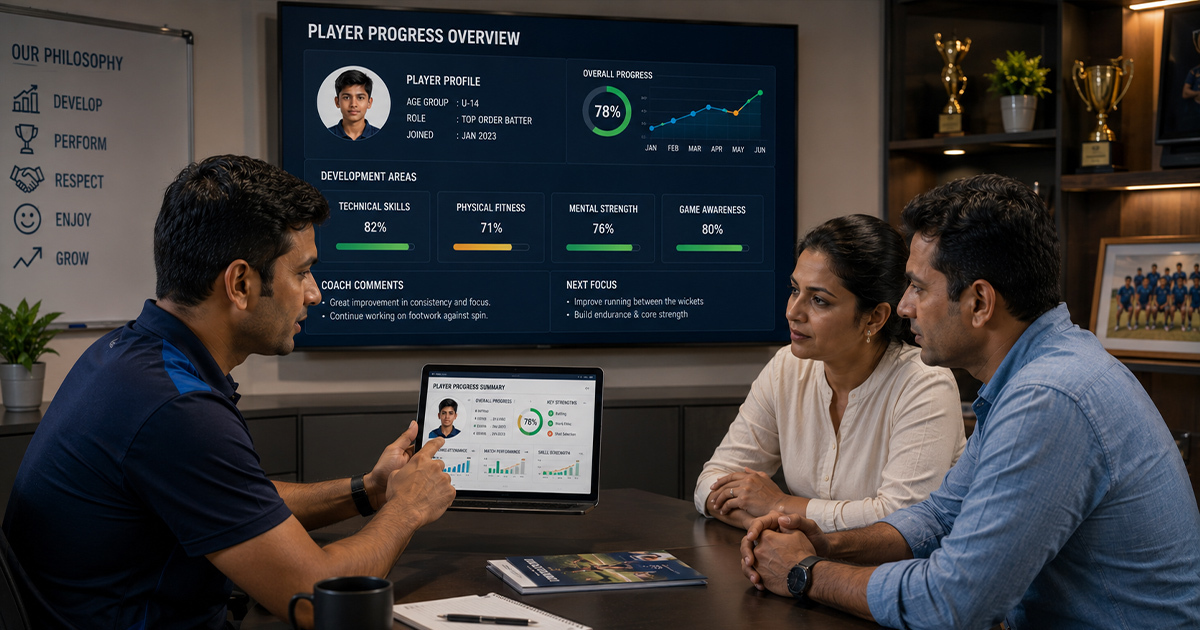 Read More about How Academies Can Communicate Player Progress Better to Parents
How Academies Can Communicate Player Progress Better to Parents
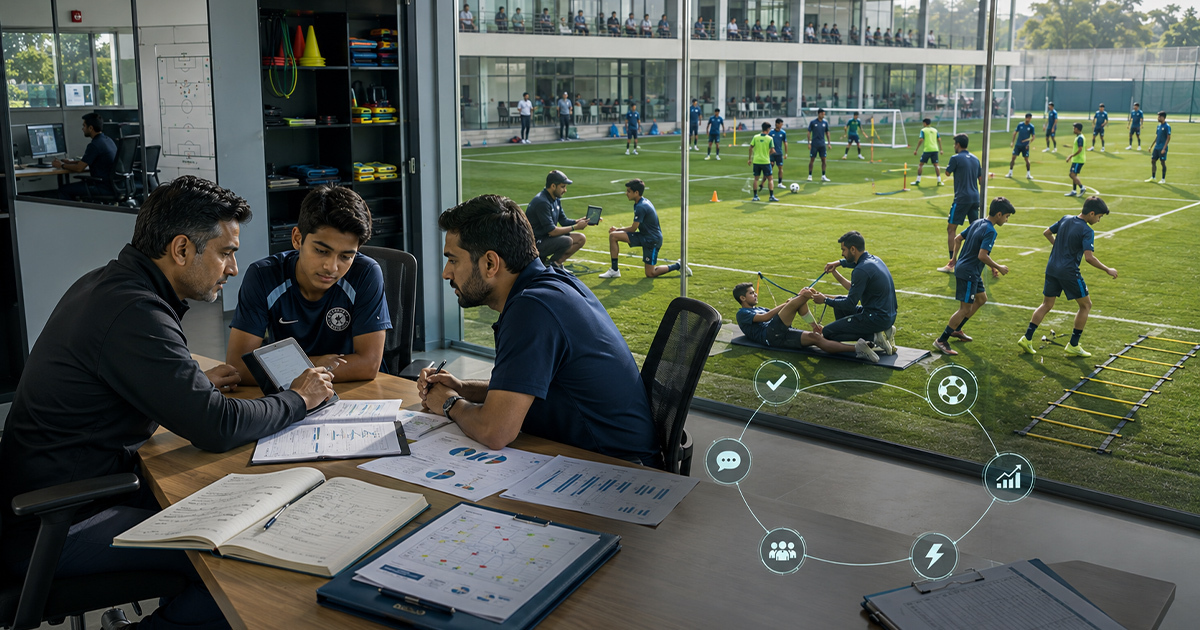 Read More about Why Football Academy Player Tracking Systems Must Go Beyond Attendance
Why Football Academy Player Tracking Systems Must Go Beyond Attendance
 Read More about How Sports Academies Can Use Technology to Manage Players, Coaches and Parents
How Sports Academies Can Use Technology to Manage Players, Coaches and Parents
Latest Articles
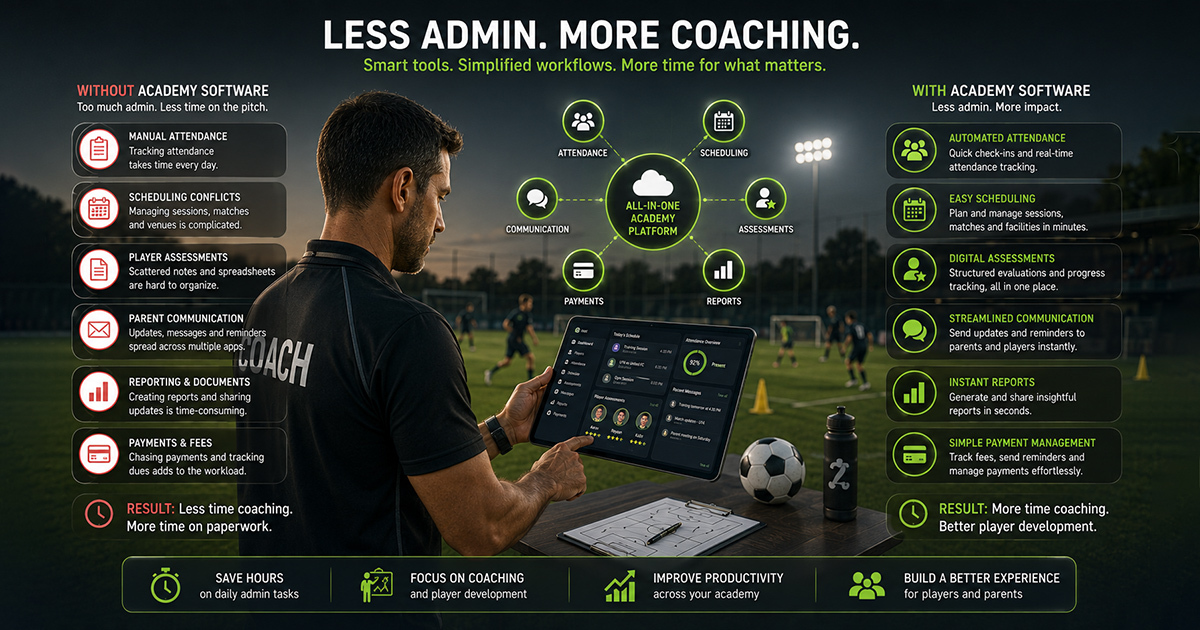 Read More about How Sports Academies Can Reduce Admin Work for Coaches
How Sports Academies Can Reduce Admin Work for Coaches
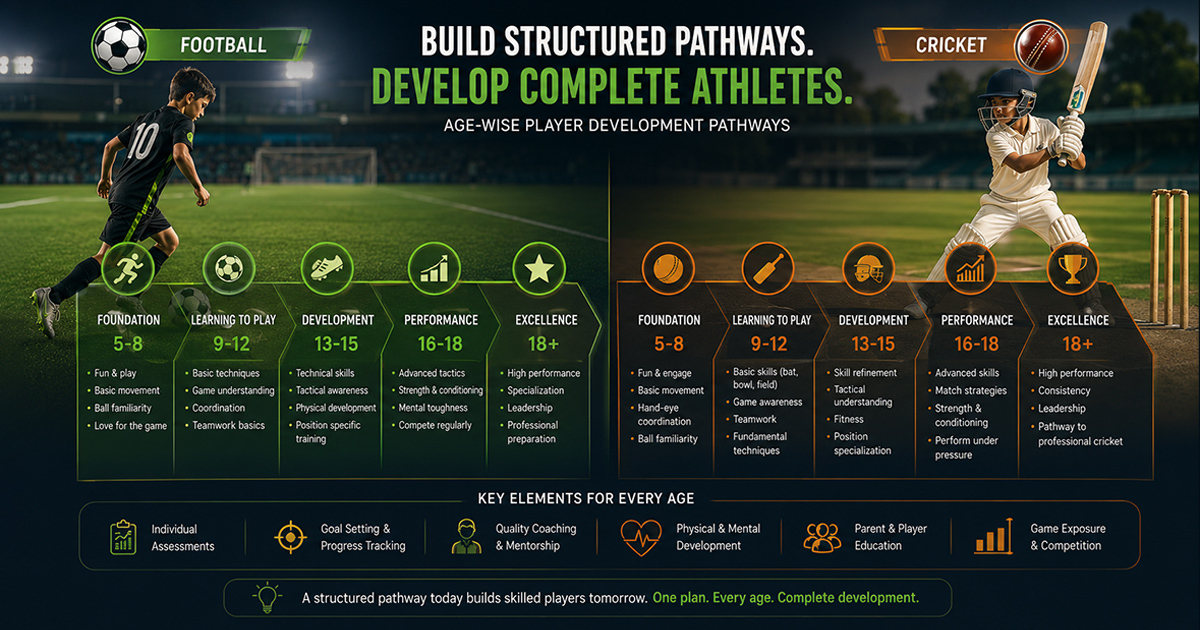 Read More about How to Build Age-Wise Player Development Pathways in Football and Cricket
How to Build Age-Wise Player Development Pathways in Football and Cricket
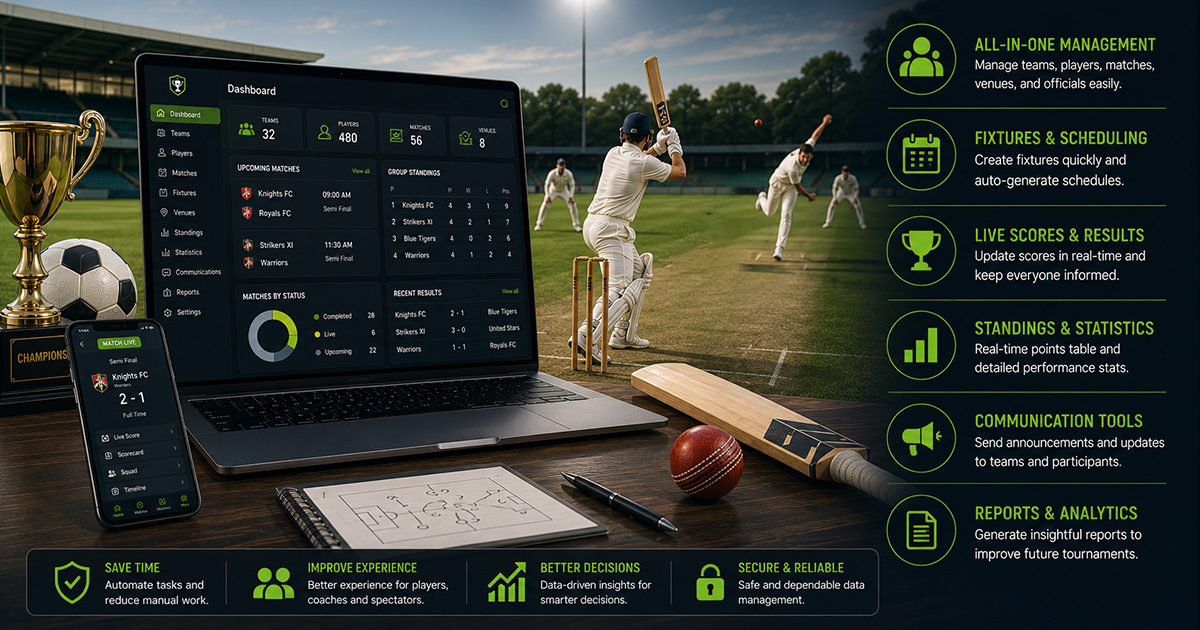 Read More about Tournament Management Software for Football and Cricket Organizers: A Practical Guide
Tournament Management Software for Football and Cricket Organizers: A Practical Guide
Ready to Bring Structure to Your Academy?
Let’s walk through your current setup and show you how 8lete can improve it.


