




Attracting Students to Sports Academies: Effective Strategies Without Heavy Advertising
Attracting students to sports academies is a challenge many grassroots programs face, especially when budgets for heavy advertising are limited. This topic matters because student recruitment is not just about numbers; it’s about finding committed players, building a trustworthy reputation, and fostering long-term growth. This article explores practical strategies academies can implement to attract more students without relying on costly ads, focusing on community engagement, reputation building, digital tools, and word-of-mouth promotion.
What Does Attracting Students to Sports Academies Mean?
Attracting students to sports academies involves creating a structured, credible, and visible environment that encourages young athletes and their parents to choose your academy for development. It hinges on trust, clear communication, proven coaching methods, and effective community outreach rather than just paid advertisements.
Academies that attract students sustainably focus on building relationships, providing consistent player development, and using smart, low-cost promotional techniques that enhance their visibility and reputation over time.
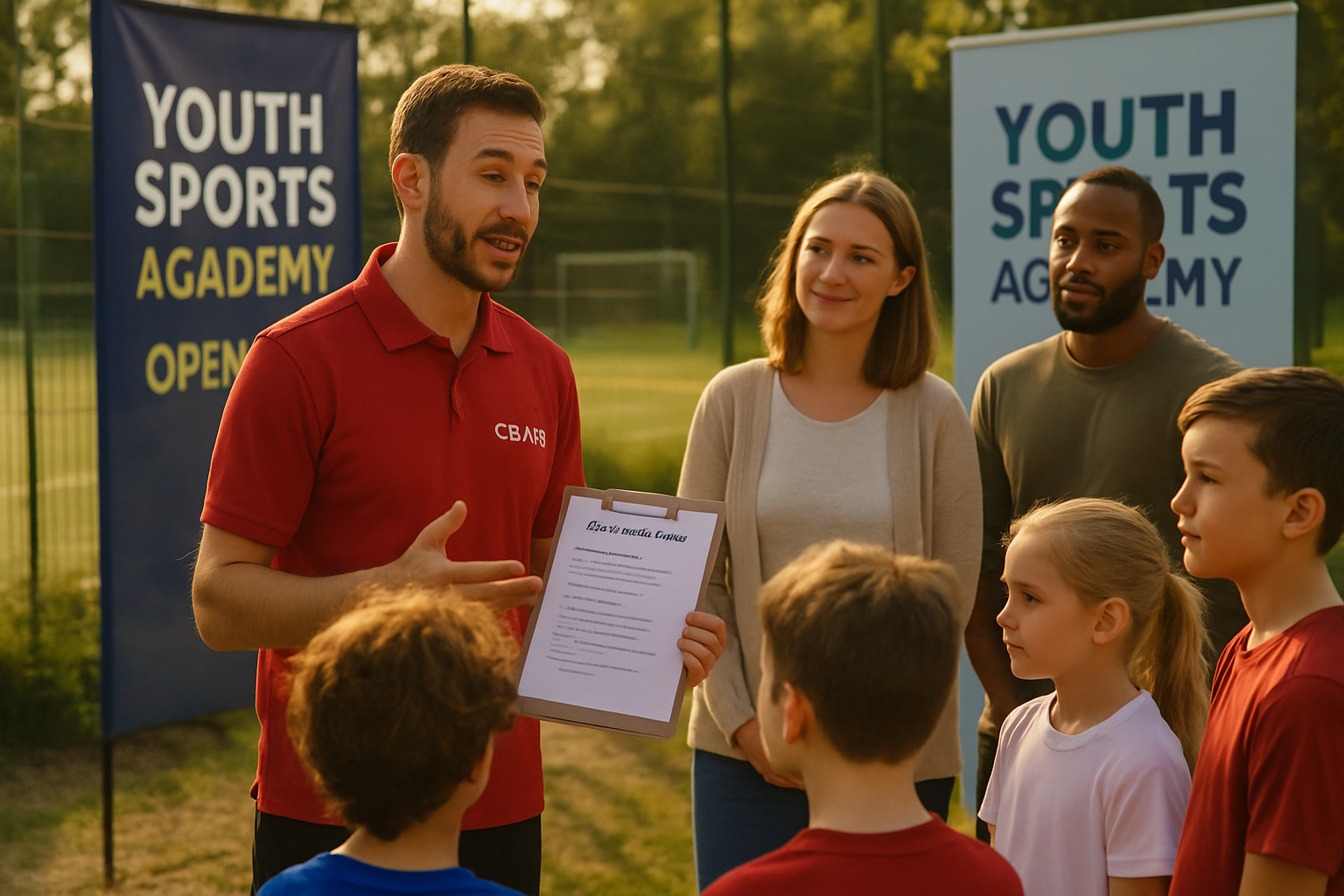
A Practical Framework for Attracting Students to Sports Academies
Applying this 6-point framework can help academies create a strong foundation for student recruitment without spending heavily on ads.
- Community Engagement: Build ties with local schools, clubs, and community centers to create awareness and interest.
- Reputation Building: Deliver quality coaching, track player progress, and share success stories with parents and local networks.
- Word-of-Mouth Strategies: Encourage current players and parents to refer others by demonstrating value and consistent communication.
- Digital Presence: Use low-cost digital channels like social media, local forums, and WhatsApp groups with targeted content showcasing training methods and player growth.
- Structured Player Development: Implement clear training plans, regular assessments, and progress reports to show tangible development.
- Parent Communication: Maintain transparent and frequent communication with parents through reports and updates to build trust and long-term relationships.
This framework integrates operational discipline, community outreach, and digital engagement to drive meaningful student recruitment, rooted in real grassroots sports environments.
Why Grassroots Sports Academy Marketing Needs Focus Beyond Ads
Many grassroots academies depend too heavily on paid ads expecting quick student sign-ups. However, this approach often overlooks long-term trust and community bonds essential for sustainable growth.
For example, a local academy that hosted weekend training sessions in partnership with a nearby school saw new enrolments through direct parent interactions rather than paid online ads. This demonstrates how community presence and engagement outperform isolated advertising.
Role-Wise Responsibilities in Attracting Students
Players: Focus on attendance discipline, skill improvement, and sharing positive experiences with peers, becoming natural ambassadors.
Coaches: Provide consistent technical feedback, document player progress, and actively communicate with parents, creating visible proof of growth.
Parents: Engage actively by requesting progress reports, attending academy events, and sharing feedback and recommendations within their circles.
Academy Owners: Develop systems for attendance management, fee tracking, enquiry follow-up, and player assessments to streamline operations and build a reliable image.
Age-Wise Implementation: Tailoring Recruitment Efforts
U8–U10: Focus on fun events and beginner-friendly sessions inviting parents and kids through school collaborations and free trial days.
U11–U14: Highlight structured coaching and skill-building via demonstration sessions and peer group referrals.
U15 and above: Emphasize long-term development plans, exposure opportunities, and regular assessment reports to attract serious young players.
Structured communication and community trust turn inquiries into committed academy students.
Practical Checklist
Use the following checklist to evaluate and improve your academy’s student recruitment efforts without relying on paid ads:
- Have you established regular partnerships with local schools or clubs?
- Are player progress reports shared consistently with parents?
- Do you have a system to track and follow up on enquiries efficiently?
- Is your coaching visible and credible through photos, videos, or parent testimonials?
- Are parents regularly updated about training schedules and player development?
- Do you organize community events like open days or mini-tournaments?
- Is your digital presence updated with relevant, engaging content?
- Are you capturing and utilizing referrals or word-of-mouth leads?
- Do you use attendance management to monitor player commitment?
- Are your fees and trial terms clear and communicated upfront?
Common Mistakes and How to Fix Them
Mistake 1: Overreliance on Paid Advertising
Heavy ads drain budgets without building trust. Fix: Shift focus to organic, relationship-driven marketing through community and parent networks.
Mistake 2: Inconsistent Parent Communication
If parents feel uninformed, they won't recommend your academy. Fix: Use regular progress reports and updates via email or messaging apps.
Mistake 3: Ignoring Local Community Opportunities
Not partnering with schools or local clubs limits visibility. Fix: Proactively create tie-ups and offer free introductory sessions.
Mistake 4: Poor Operation Systems
Manual enquiry and attendance tracking causes missed opportunities. Fix: Implement structured workflows for enquiries, attendance, and fee management.
Mistake 5: Lack of Visible Player Development
Without documented progress, parents doubt training quality. Fix: Use assessments and share development reports regularly to show measurable growth.

Grassroots Examples of Effective Non-Advertising Growth
1. A cricket academy partnered with three local schools to run coaching camps, filling batches through school newsletters and parent word-of-mouth, avoiding expensive ads.
2. A football academy used a WhatsApp group to share weekly player assessments and photos with parents, increasing trust and referrals significantly in a low-cost way.
3. An academy implemented a clear enquiry and follow-up system managed digitally, enabling prompt response to parent queries and higher conversion during trial phases.
An 8lete-Aligned Workflow for Sustainable Student Recruitment
A practical workflow integrating operational discipline and parent communication helps attract and retain students:
- Enquiry Management: Capture all parent or player enquiries through a centralized system.
- Trial Session Scheduling: Assign coaches, prepare batches, and schedule trial sessions with clear communication.
- Attendance Tracking: Mark attendance during every trial and training session to monitor interest and commitment.
- Player Assessment: Coaches assess players during trials and early training to identify potential and improvement areas.
- Coach Feedback and Reports: Provide structured feedback and development reports to parents to build trust.
- Parent Communication: Share progress, upcoming batch details, and fee structure transparently to facilitate enrolment decisions.
- Next Enrollment Goals: Set clear goals for player retention and batch growth based on feedback and attendance data.
This disciplined approach increases academy credibility and converts enquiries naturally, without aggressive advertising spend.
FAQ
Q1: What is the best way to attract students to a sports academy without ads?
Focus on community outreach, parent engagement, clear player development plans, and leveraging word-of-mouth. Building a strong reputation through consistent coaching and transparent communication is more effective than paid ads.
Q2: How can coaches help with student recruitment?
Coaches can provide detailed feedback and progress reports to parents, engage players actively, and participate in community events. Their role in showcasing quality training builds parent and player confidence in the academy.
Q3: Why do some academies struggle with student recruitment despite good coaching?
Often, academies lack structured communication with parents and community presence. Without consistent updates, assessment visibility, and active enquiry follow-up, potential students may opt for more visible alternatives.
Q4: How can academies build a strong reputation locally?
Deliver visible training results, share success stories, maintain positive parent relations, and run community programs like free trials or school coaching camps to embed the academy into local sports culture.
Q5: What digital tools can help with non-advertising promotion?
Use social media platforms to share training highlights, utilize WhatsApp groups for parent communication, maintain an updated website or blog for visibility, and implement enquiry and attendance management systems to track engagement.
Q6: How long does it take for non-advertising strategies to yield results?
Non-advertising growth is gradual but sustainable; expect gradual enrolment increase over 3–6 months as community trust and word-of-mouth build activation among parents and players.
Conclusion
Attracting students to sports academies without heavy advertising requires a structured approach rooted in community engagement, reputation building, and consistent parent communication. By focusing on transparent operations like enquiry management, attendance tracking, and player assessments, academies create trust that encourages natural student growth. This long-term, relationship-driven strategy is more sustainable and cost-effective than relying solely on paid ads. Coaches, parents, and academy owners all play critical roles in fostering a visible and credible development environment. Implementing systematic workflows and nurturing word-of-mouth referrals empower academies to grow steadily while emphasizing quality development and player visibility. This practical, structured pathway ensures academy success through meaningful connections rather than quick fixes.
What is the best way to attract students to a sports academy without ads?
Focus on community outreach, parent engagement, clear player development plans, and leveraging word-of-mouth. Building a strong reputation through consistent coaching and transparent communication is more effective than paid ads.
How can coaches help with student recruitment?
Coaches can provide detailed feedback and progress reports to parents, engage players actively, and participate in community events. Their role in showcasing quality training builds parent and player confidence in the academy.
Why do some academies struggle with student recruitment despite good coaching?
Often, academies lack structured communication with parents and community presence. Without consistent updates, assessment visibility, and active enquiry follow-up, potential students may opt for more visible alternatives.
How can academies build a strong reputation locally?
Deliver visible training results, share success stories, maintain positive parent relations, and run community programs like free trials or school coaching camps to embed the academy into local sports culture.
What digital tools can help with non-advertising promotion?
Use social media platforms to share training highlights, utilize WhatsApp groups for parent communication, maintain an updated website or blog for visibility, and implement enquiry and attendance management systems to track engagement.
How long does it take for non-advertising strategies to yield results?
Non-advertising growth is gradual but sustainable; expect gradual enrolment increase over 3–6 months as community trust and word-of-mouth build activation among parents and players.

Related Articles
 Read More about How to Run Fair and Transparent Sports Trials for Young Athletes: A Guide for Grassroots Academies
How to Run Fair and Transparent Sports Trials for Young Athletes: A Guide for Grassroots Academies
 Read More about How Academies Can Communicate Player Progress Better to Parents
How Academies Can Communicate Player Progress Better to Parents
 Read More about Why Football Academy Player Tracking Systems Must Go Beyond Attendance
Why Football Academy Player Tracking Systems Must Go Beyond Attendance
Latest Articles
 Read More about How Sports Academies Can Reduce Admin Work for Coaches
How Sports Academies Can Reduce Admin Work for Coaches
 Read More about How to Build Age-Wise Player Development Pathways in Football and Cricket
How to Build Age-Wise Player Development Pathways in Football and Cricket
 Read More about Tournament Management Software for Football and Cricket Organizers: A Practical Guide
Tournament Management Software for Football and Cricket Organizers: A Practical Guide
Ready to Bring Structure to Your Academy?
Let’s walk through your current setup and show you how 8lete can improve it.


