



How to Convert Trial Players to Academy Students: A Practical Guide for Grassroots Academies
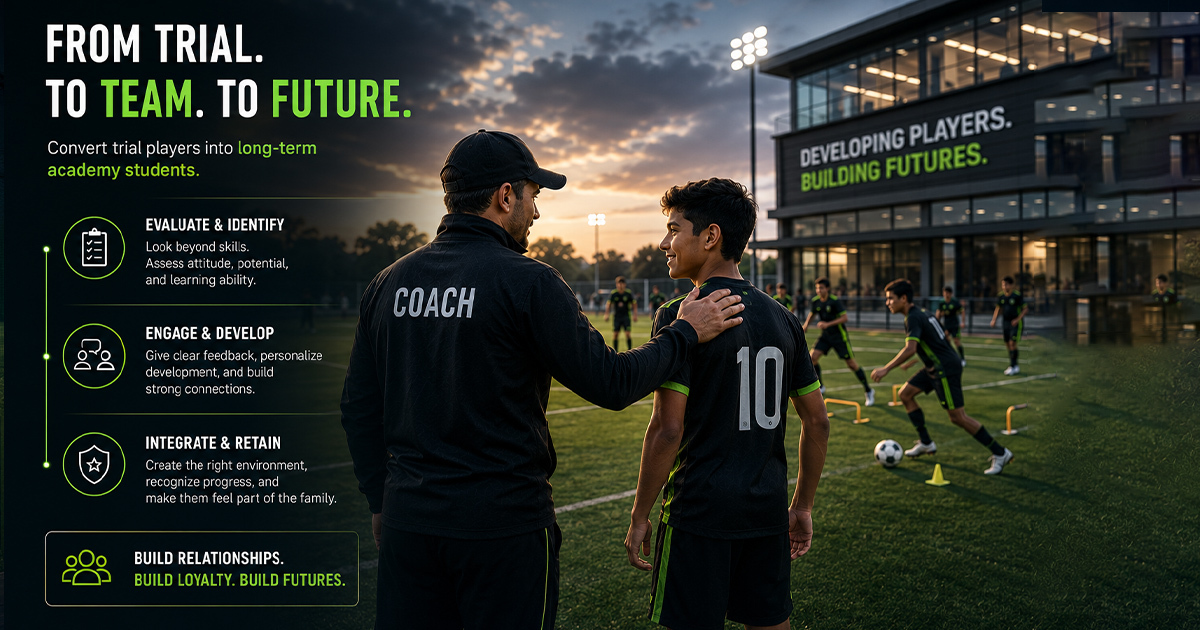
Converting trial players to academy students requires more than just spotting talent during a trial. It demands a structured approach including clear assessment techniques, effective parent communication, and retention strategies that set young athletes up for long-term development. Academies often face challenges retaining new players, which can hinder sustainable growth. This article unpacks practical steps and workflows academies can implement to ensure more trial players transition smoothly into committed, long-term students, supporting the academy’s overall health and player careers.
What It Means to Convert Trial Players to Academy Students
Converting trial players to academy students means successfully enrolling and engaging players who initially join on a trial basis into the academy's full-time training program. This transition hinges on structured assessments, clear communication with parents and players, initial impressions from the trial, and a retention plan to nurture player commitment and development.
Without a well-organized process, academies risk losing promising players who may feel uncertain, unsupported, or unclear about the benefits of joining. Ensuring every trial player experiences a professional, goal-driven trial and a welcoming transition increases enrollment and fosters long-term growth.
A Practical 6-Step Framework to Convert Trial Players
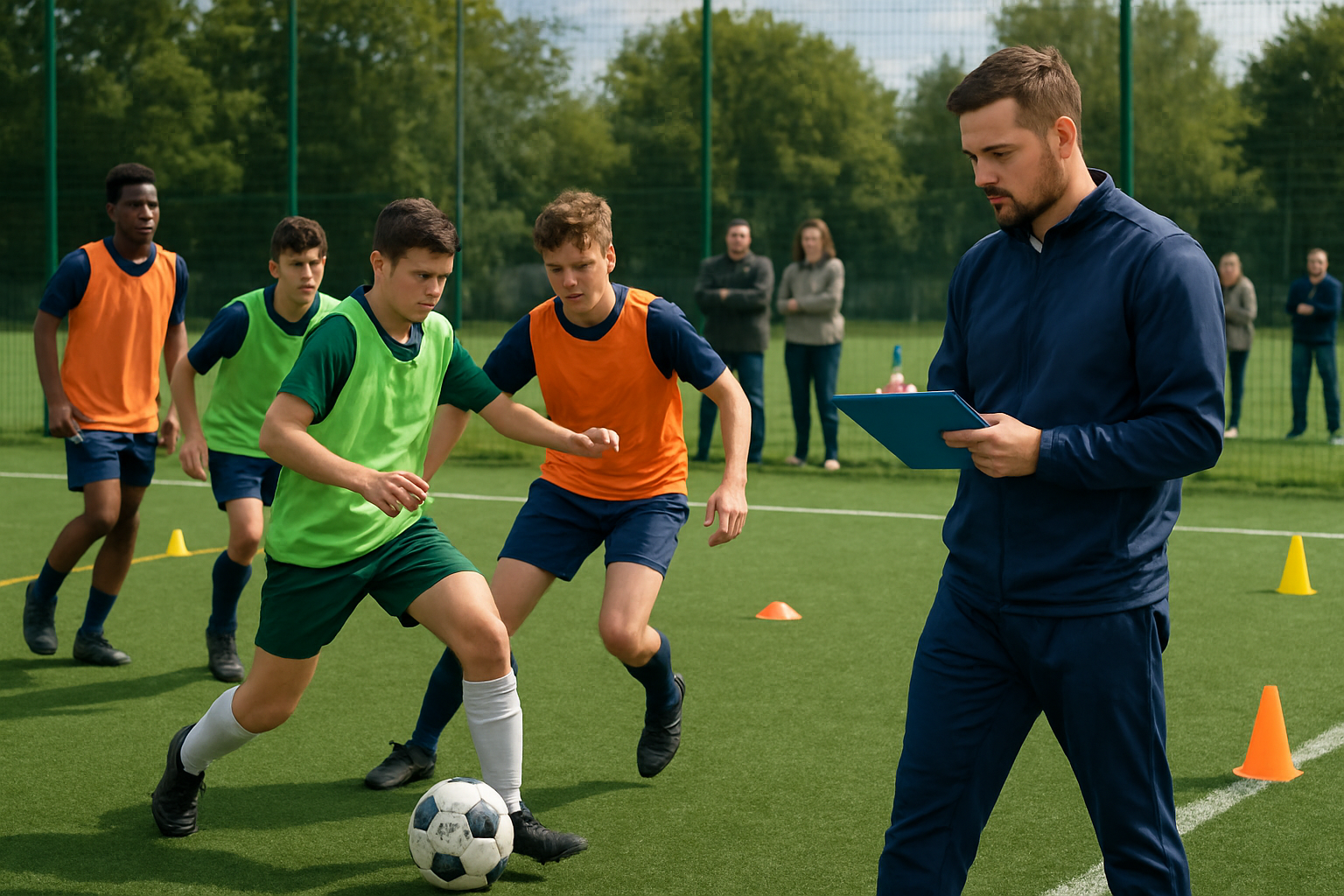
1. Structured Trial Player Assessment: Use clear criteria focusing on skill, attitude, fitness, and coachability to evaluate players objectively during trials.
2. Clear Goal Setting: Communicate immediate and long-term expectations to the player and parent so they understand the academy’s development philosophy.
3. Personalized Feedback: Provide players and parents with honest, actionable feedback right after the trial to build trust.
4. Seamless Enrolment Process: Simplify paperwork, fees, and scheduling so joining is not a hurdle.
5. Early Engagement and Onboarding: Assign coaches to welcome and integrate new players into batches while monitoring attendance and adaptation.
6. Continuous Development and Retention: Maintain regular assessments, parent communication, progress reports, and goal reviews to keep players motivated and enrolled.
Role-Wise Actions for Conversion Success
For Players: Focus on giving your best during trials, be open to feedback, and engage actively in initial sessions to show commitment.
For Coaches: Conduct fair and transparent assessments using standardized criteria; provide clear, constructive feedback immediately post-trial; follow up with players during their onboarding phase.
For Parents: Ask about development goals, training structure, attendance requirements, and communication channels; observe how the academy supports your child beyond the trial.
For Academy Owners: Build workflows that integrate trial evaluations seamlessly with enrolment, automate follow-ups with parents, track attendance and progress, and use player reports to identify retention risks early.
Stage-Wise Implementation of Trial to Student Conversion
Stage 1 – Trial Session: Schedule skill and attitude assessments across drills and match situations; coaches document observations.
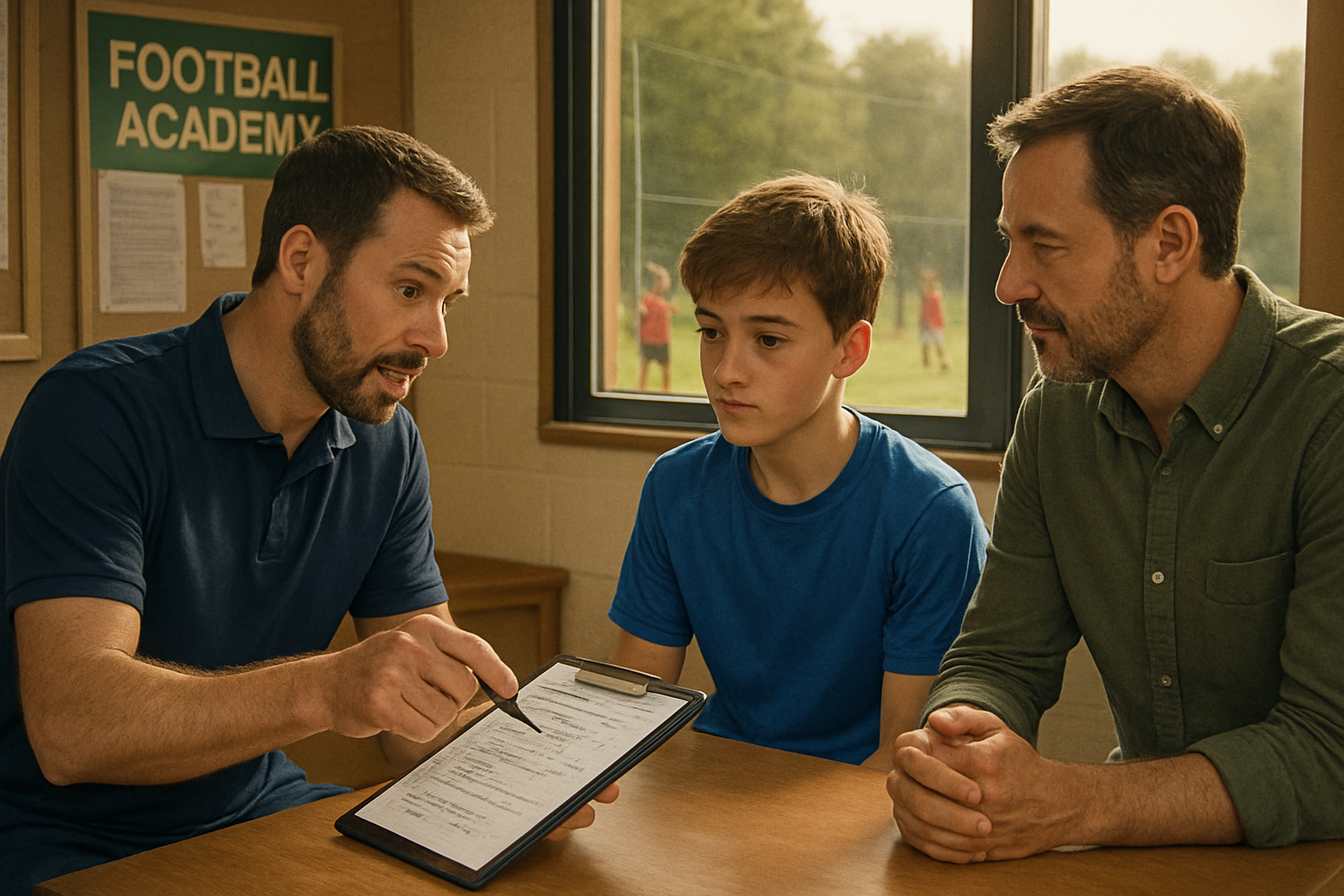
Stage 2 – Immediate Feedback: Within 24 hours, coaches meet players and parents to share clear results and invite questions, setting expectations.
Stage 3 – Enrolment Formalities: Efficiently complete registration, collect fees, and assign players to appropriate training batches based on age and skill.
Stage 4 – Onboarding and Integration: Assign a mentor coach to new players; monitor initial attendance and engagement closely for signs of drop-off or satisfaction.
Stage 5 – Continuous Support: Schedule monthly assessments, send player progress reports to parents, and hold feedback sessions to maintain transparency and motivate development.
Structure and clear communication turn a one-time trial into a lasting player commitment.
Practical Checklist to Convert Trial Players Effectively
• Is your trial assessment criteria clearly documented and shared with coaches?
• Are players receiving timely, personalized feedback after their trial?
• Do enrolment procedures minimize paperwork and delays?
• Are trial players assigned a mentor coach to ease transition?
• Is attendance tracked from the very first session post-trial?
• Are parents included in regular progress updates and invited to feedback discussions?
• Do you use player reports and assessments to identify potential dropout risks early?
• Is your communication consistent and two-way between coaches, players, and parents?
• Are trials scheduled regularly with clear advertisement and pre-trial information?
Common Mistakes and How to Fix Them
Mistake 1: Treating trials as one-off events rather than part of a structured process. This leads to lost players due to lack of follow-up. Fix: Develop a workflow connecting trial → assessment → enrollment → onboarding and use tools to automate follow-ups.
Mistake 2: Vague or late feedback to players and parents. Unclear communication creates confusion. Fix: Provide clear, specific feedback within 24 hours using written and verbal channels.
Mistake 3: Lengthy or complicated enrollment process. This frustrates families and reduces conversions. Fix: Streamline registration and fee collection; consider digital systems to speed this step.
Mistake 4: Ignoring early signs of player disengagement post-trial. Players dropping out early hurt retention. Fix: Monitor attendance and engagement closely, intervene with coaching or parent discussions to re-motivate.
Mistake 5: Poor parent communication about development priorities and academy philosophy. Parents unsure about benefits may hesitate to enroll. Fix: Maintain open channels, share progress reports, and educate parents on long-term player development.
Grassroots Examples of Successful Trial Player Conversion
Example 1: A grassroots academy uses a 3-round trial where coaches rate players on key skills and attitude, then immediately schedule follow-up meetings with parents explaining the next steps, increasing student conversion by 25%.
Example 2: Another academy assigns every trial player a mentor coach who calls the player weekly during the first month, ensuring high attendance and bond formation, cutting early dropout rates by half.
Example 3: An academy uses digital assessment and attendance tools to track every trial and new student’s participation, enabling parent reports and coach notes that flag any disengagement for prompt action.
An 8lete-Aligned Workflow for Trial Player Conversion
A typical workflow combines session planning, player attendance management, AI-powered assessments, coach notes, and parent communication:
Trial Session → Attendance Tracking → Player Assessment and Coach Notes → Parent Feedback Report → Enrollment Confirmation → Batch Assignment → Regular Player Progress Tracking → Follow-up and Retention Actions
This workflow removes guesswork, facilitates transparency, and ensures every trial player’s experience is connected and monitored for better retention.
What is the best way to assess trial players during trials?
The best way to assess trial players is to use clear, measurable criteria including skills, fitness, attitude, and coachability. Structured drills and small-sided games help observe these factors. Recording observations immediately and using standardized rating scales ensure objective evaluations that support fair selections.
How can academies improve player retention after trials?
Player retention improves with consistent follow-up, clear parent communication, and personalized coaching support. Early engagement through mentor coaches and regular progress reports help build trust and motivation. Monitoring attendance and addressing dropouts proactively ensures players stay committed beyond trials.
How to communicate effectively with parents during the trial to enrollment transition?
Effective communication means sharing timely, transparent feedback about player assessment results, explaining academy development goals, enrollment steps, and answering parent queries openly. Using scheduled calls or meetings and providing written reports builds confidence and reduces misunderstandings.
Why do academies struggle to convert trial players into full-time students?
Common reasons include unclear trial assessment processes, poor follow-up communication, complicated enrollment steps, and lack of early player engagement. Addressing these with structured workflows, simplified administration, and parent involvement can significantly increase conversion rates.
What is an effective age-wise approach for player onboarding post-trial?
Younger players (U8–U12) need gradual integration with fun activities and strong parent involvement. Middle age groups (U13–U16) benefit from clear training goals and mentor coaches. Older players (U17+) require focused skill pathways and regular performance feedback. Tailoring onboarding by age improves comfort and commitment.
How long does it typically take for a trial player to fully integrate into an academy’s system?
Integration usually takes 4–8 weeks, including initial sessions, adaptation to training routines, and consistent attendance. Regular coach check-ins and parent communication during this phase help identify and resolve any issues early, promoting smooth transition into full-time training.

Related Articles
 Read More about How Sports Academies Can Build Effective Sponsorship Profiles for Sustainable Funding
How Sports Academies Can Build Effective Sponsorship Profiles for Sustainable Funding
 Read More about Youth Sports Development Platform 2026: What Academies Need to Thrive
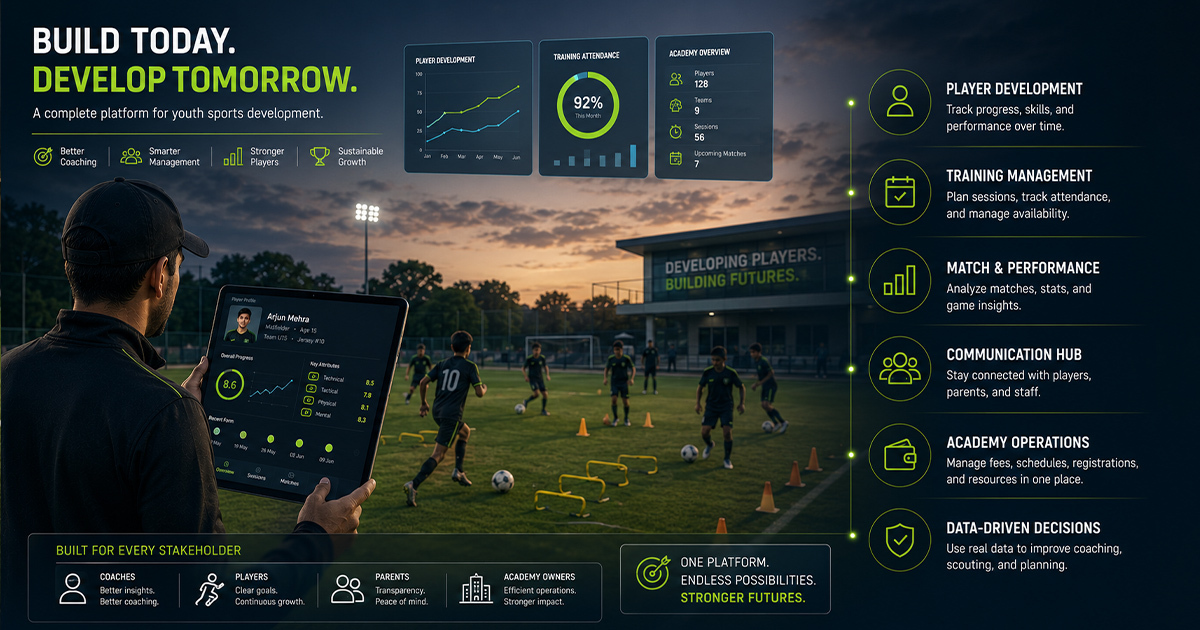
Youth Sports Development Platform 2026: What Academies Need to Thrive
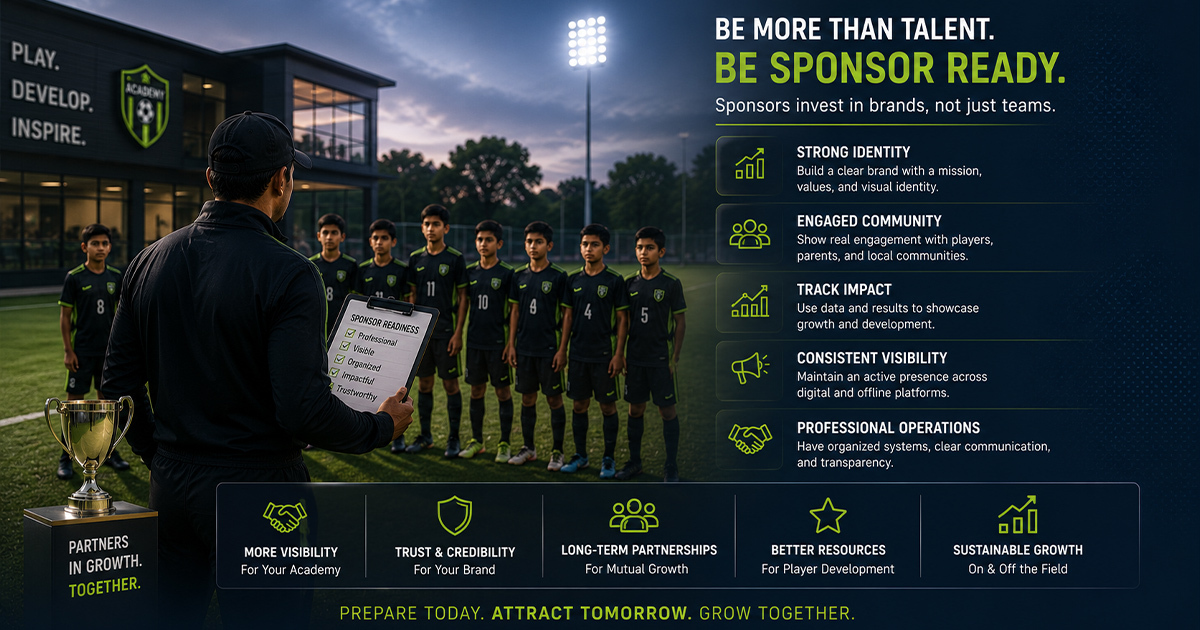 Read More about Sports Sponsorship for Academies: How to Become Sponsor-Friendly and Secure Funding
Sports Sponsorship for Academies: How to Become Sponsor-Friendly and Secure Funding
Latest Articles
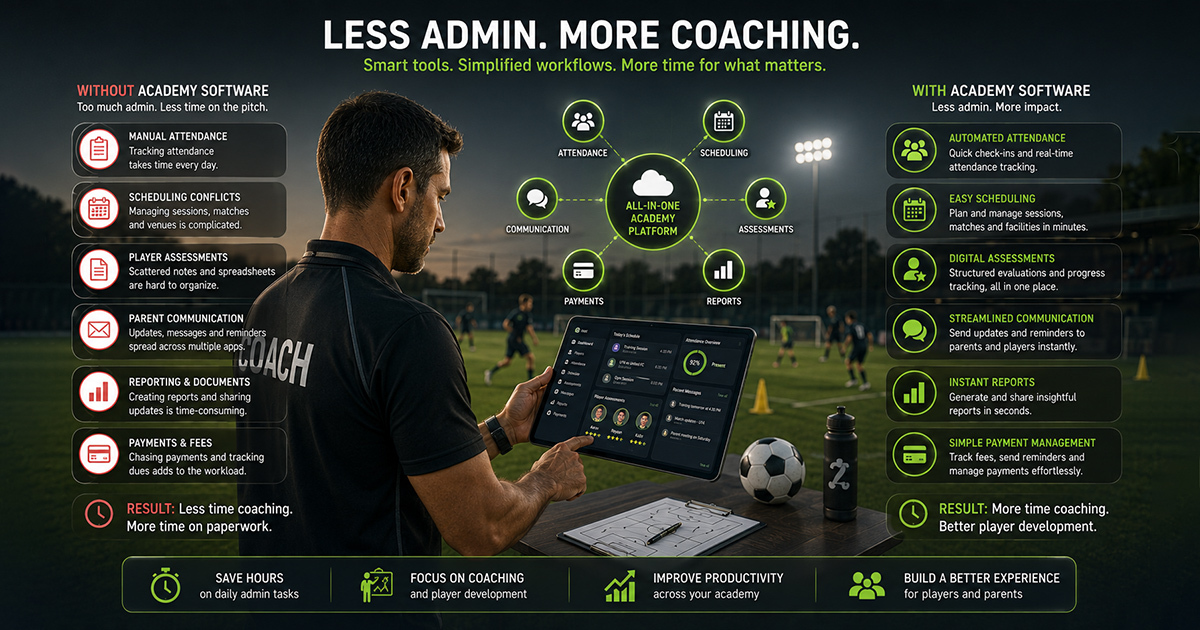 Read More about How Sports Academies Can Reduce Admin Work for Coaches
How Sports Academies Can Reduce Admin Work for Coaches
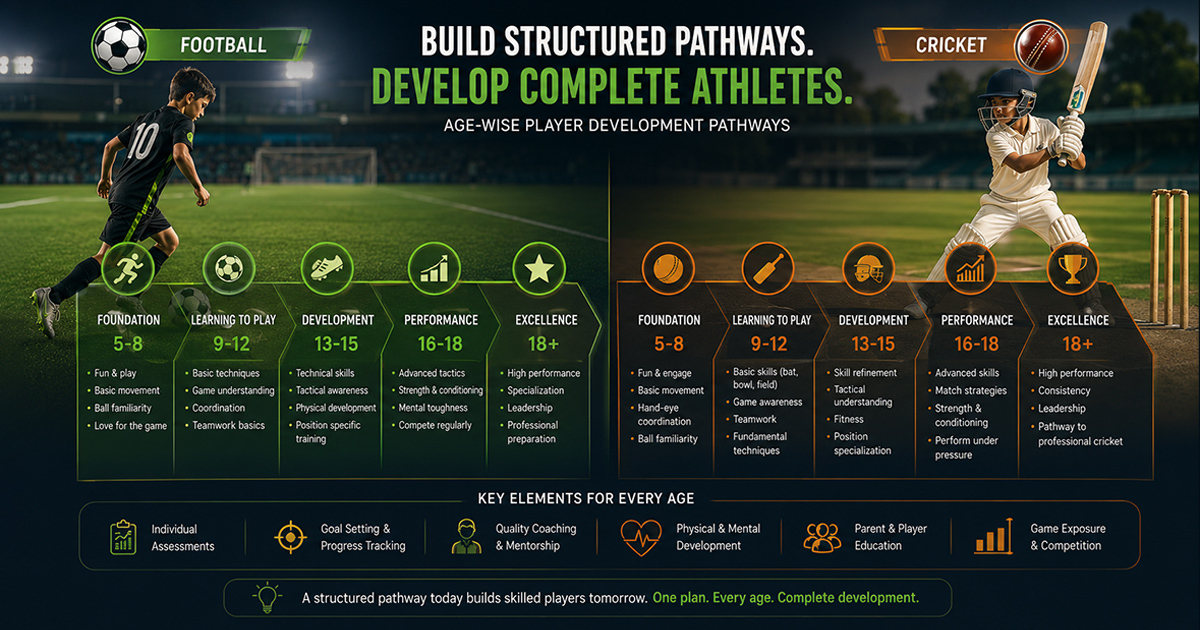 Read More about How to Build Age-Wise Player Development Pathways in Football and Cricket
How to Build Age-Wise Player Development Pathways in Football and Cricket
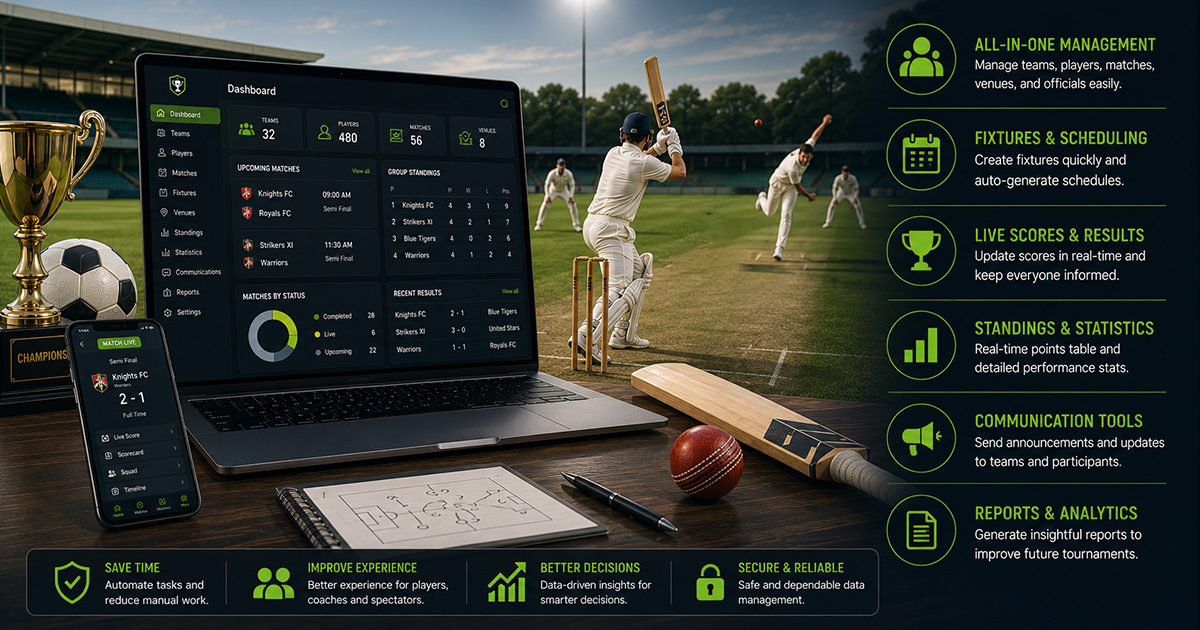 Read More about Tournament Management Software for Football and Cricket Organizers: A Practical Guide
Tournament Management Software for Football and Cricket Organizers: A Practical Guide
Ready to Bring Structure to Your Academy?
Let’s walk through your current setup and show you how 8lete can improve it.


