



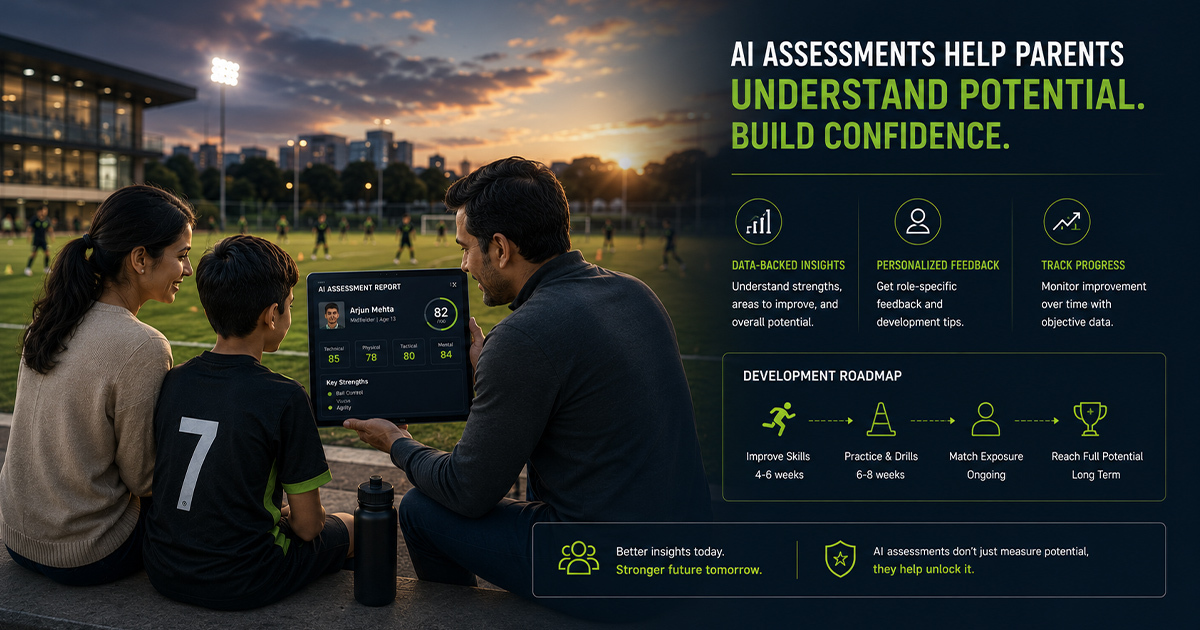
How AI Sports Assessments for Children Help Parents Understand Their Child’s Potential
AI sports assessments for children are advanced tools that analyze a young athlete’s skills, physical attributes, and progress using technology to provide objective insights. Many parents struggle to understand their child’s true sports potential amid subjective opinions and inconsistent feedback. Having clear, data-backed assessments helps parents make informed decisions about training, development, and support, which is essential for long-term growth. This article explains practical ways AI sports assessments empower parents by clarifying their child’s strengths, weaknesses, and development needs within grassroots sports.
What Are AI Sports Assessments for Children?
AI sports assessments use machine learning and data analysis to objectively measure various components of a child’s sports performance, such as skill execution, fitness, decision-making, and progress trends. These assessments combine video analysis, sensor data, and performance statistics to generate detailed reports on each player’s abilities and growth areas.
For parents, understanding their child’s sports potential through AI means moving beyond guesswork and emotions to relying on consistent metrics and structured feedback, enabling better support and communication with coaches and academies.
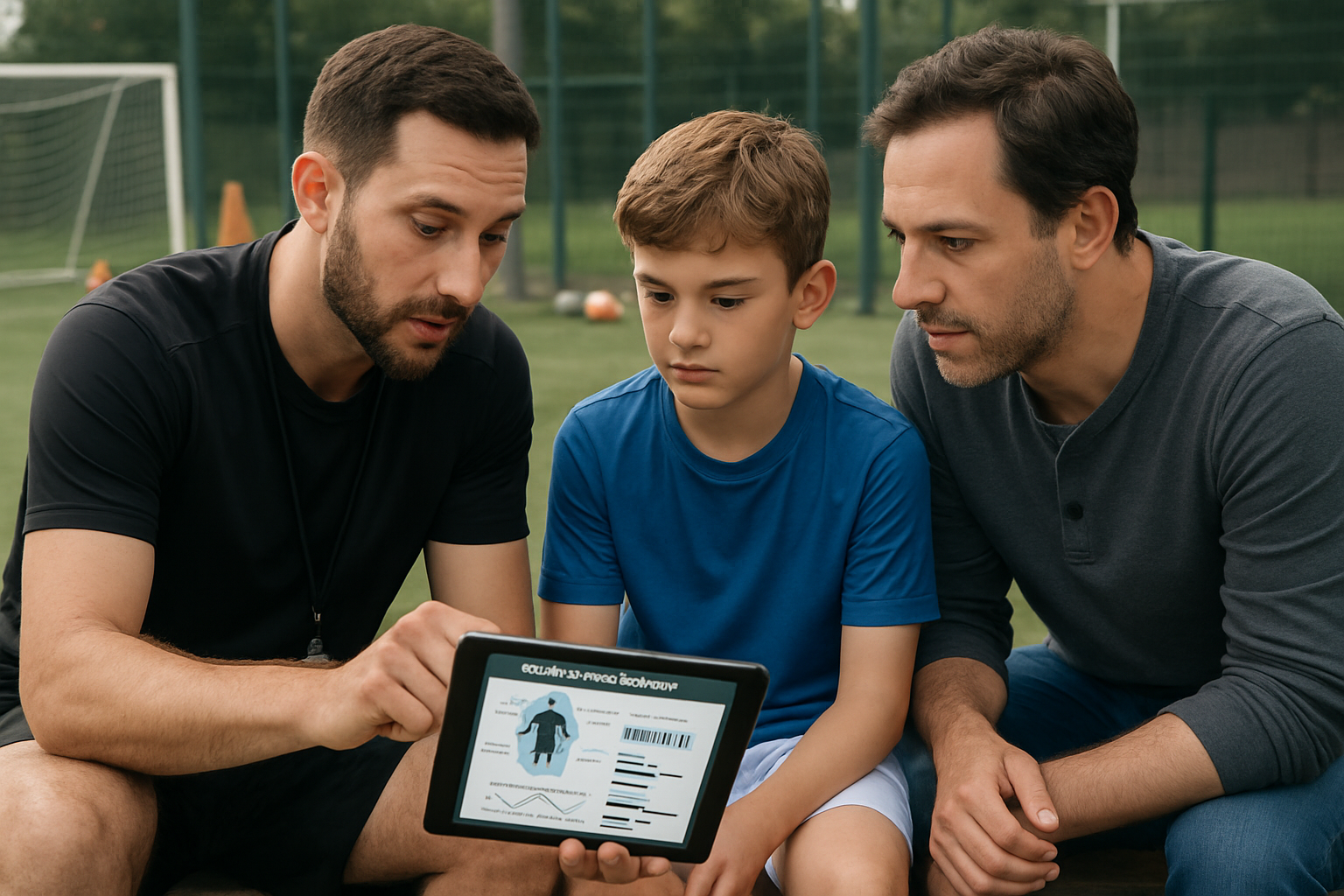
A Practical Framework: How AI Sports Assessments Benefit Parent Understanding
To use AI assessments effectively, parents should focus on these interconnected elements that clarify and support their child's development:
1. Objective Skill Measurement: AI evaluates fundamental skills (e.g., passing accuracy, running speed, shot selection) without bias, showing clear strengths and areas needing work.
2. Progress Tracking Over Time: Parents see trends and improvements, avoiding fixation on single performances. This helps maintain realistic expectations.
3. Clear, Visual Reports: Simplified charts and heatmaps make it easier for non-experts to understand technical feedback from coaches.
4. Enhanced Parent-Coach Communication: AI-facilitated data supports constructive discussions about the player’s development plan and training adjustments.
5. Informed Decision Making: Parents can better decide on training intensity, academy choices, and balancing school with sports based on clear performance data.
6. Reduced Subjective Bias: AI minimizes emotional bias that can cloud judgment, helping parents focus on long-term player potential instead of short-term results.
7. Preparation for Future Scouting and Opportunities: Structured AI reports gradually build a profile that scouts and clubs can trust, enhancing the child’s visibility.
Role-Wise Insights: What Parents, Players, Coaches, and Academies Should Focus On
Parents: Understand AI reports without overwhelming technical detail; ask coaches for explanations and focus on consistent progress rather than immediate selection.
Players: Use AI feedback to identify specific habits to improve, such as quicker decision-making or more precise technique, and track improvement weekly.
Coaches: Integrate AI data into session plans, provide personalized feedback, and communicate assessment outcomes to parents clearly and regularly.
Academy Owners: Implement AI-powered assessment systems that connect attendance, training, and performance data into comprehensive player development reports for parents and coaches.
A Stage-Wise Breakdown: When and How Parents Can Use AI Assessments Effectively
U8–U10 (Introductory Stage): Focus on basic motor skills and enjoyment. AI assessments help identify natural coordination and stamina, guiding parents on appropriate training balance.
U11–U13 (Foundation Stage): AI tracks technical skill acquisition and physical development, helping parents ask coaches about consistency and effort, not just match outcomes.
U14–U16 (Specialization Stage): Detailed AI data highlights tactical understanding and mental aspects like pressure reaction. Parents can use this for informed conversations on training intensity and match selection.
U17+ (Performance and Exposure Stage): AI supports strategic planning for scouting readiness and long-term goals. Parents can view comprehensive reports that combine physical, skill, and psychological data for holistic guidance.
Structured feedback and data tracking help parents support steady, informed development without unrealistic pressure.
Common Mistakes Parents Make with AI Sports Assessments—and How to Fix Them
1. Misinterpreting Data Without Coach Guidance: Parents may misread technical metrics. Fix: Always review AI reports with coaches who can contextualize findings for realistic understanding.
2. Focusing Only on Numbers, Ignoring Soft Skills: AI can’t capture passion or teamwork fully. Fix: Combine AI data with observations of attitude and coach feedback for balanced evaluation.
3. Expecting Immediate Results: Using AI data to demand quick leaps in performance causes pressure. Fix: Look for steady progress trends and celebrate small improvements.
4. Neglecting Communication Channels: Avoid assuming AI data replaces dialogue. Fix: Use AI reports as conversation starters with coaches and your child to maintain trust.
5. Overloading Children with Data: Sharing raw AI feedback directly with young players can overwhelm them. Fix: Coaches should translate data into simple, actionable advice personalized by age and stage.
Practical Checklist: Ensuring Effective Parent Use of AI Sports Assessments
Parents can apply this checklist to maximize the benefits of AI sports assessments:
- ✅ Do you receive AI assessment reports regularly from your child’s academy or coach?
- ✅ Are the reports explained in clear language beyond just raw data?
- ✅ Do you discuss the reports with coaches to set realistic development goals?
- ✅ Are you paying attention to long-term progress trends, not just single tests or matches?
- ✅ Do you encourage your child by focusing on improvement areas suggested by AI, such as fitness or technical drills?
- ✅ Have you ensured the assessments match your child’s age and development stage?
- ✅ Are you supporting disciplined training habits and consistent attendance alongside AI data?
- ✅ Do you resist pressuring your child based on numbers and instead value effort, learning, and coach feedback?
- ✅ Is the academy using a connected system for attendance, training, assessments, and parent communication?
A Practical 8lete-Aligned Workflow Using AI for Parent Understanding
In grassroots sports environments, an effective workflow connecting AI assessments to parent communication looks like this:
Session Planning & Training → Attendance Logging → AI-Powered Player Assessment → Coach Review and Notes → Parent Progress Report → Joint Goal-Setting Meeting.
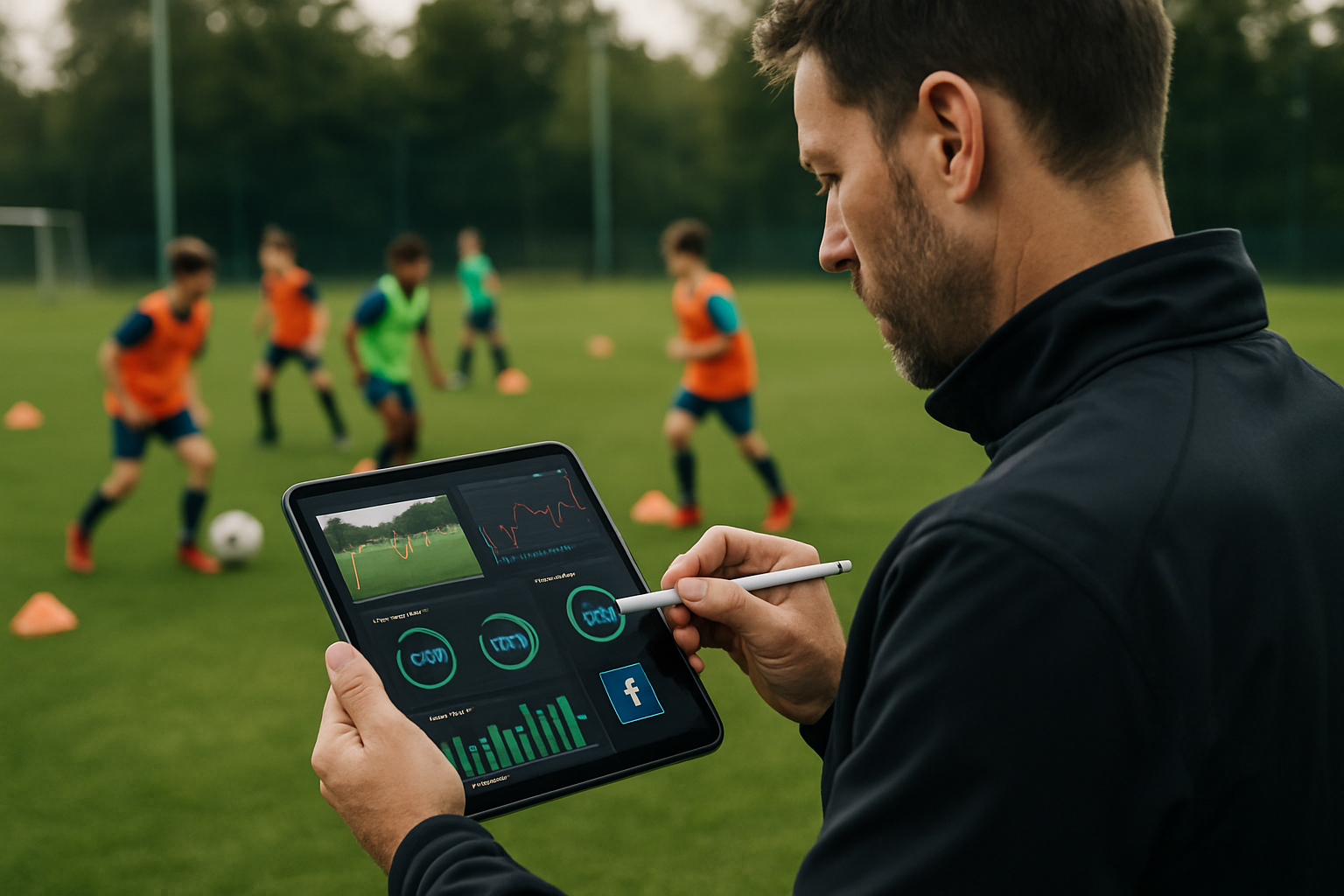
For example, during football training sessions, coaches use AI tools to assess passing accuracy and decision-making in small-sided games. Attendance data ensures training consistency. Coaches add personalized notes to AI reports. Parents receive easy-to-understand progress updates monthly and participate in goal-setting discussions focusing on balanced development.
Concrete Grassroots Examples of AI Assessments Enhancing Parent Understanding
Example 1: A U12 player’s AI report showed below-average stamina affecting late-game involvement. Parents adjusted the training schedule to include targeted endurance drills, informed by coach feedback.
Example 2: A parent initially focused only on match goals but AI data revealed their child’s passing under pressure needed work. Conversations with coaches shifted focus to skill-building sessions, reducing selection-related anxiety.
Example 3: An academy owner integrated AI assessment tools with attendance and fees management software, streamlining monthly parent reports. This transparency improved trust, resulting in higher retention and clearer communication about development targets.
FAQ
What is AI sports assessment for children?
AI sports assessment uses technology and data analysis to measure a child’s sports skills, fitness, and progress objectively, helping parents and coaches understand development needs clearly.
How can parents use AI sports assessments to support their child's training?
Parents should review AI reports with coaches to understand strengths and weaknesses, support consistent training, focus on long-term progress, and encourage effort based on data-driven feedback.
Why am I not seeing quick improvements despite AI assessments?
AI highlights trends over time; improvements in sports are gradual. Focus on steady progress and consistent effort rather than immediate results to support sustained growth.
How often should a child's skills be assessed using AI tools?
Regular assessments every 4–6 weeks align well with training cycles, allowing time for measurable progress while maintaining motivation without overwhelming the player.
How do AI sports assessments reduce bias in evaluating my child's potential?
AI relies on objective data from multiple training and match sessions, minimizing subjective opinions and emotional bias, which helps parents get a fair understanding of true performance.
What is the best age to start using AI sports assessments for children?
Starting around ages 8–10 is ideal, as children at this stage develop fundamental skills and can benefit from structured feedback without pressure from complex data.
Related Articles
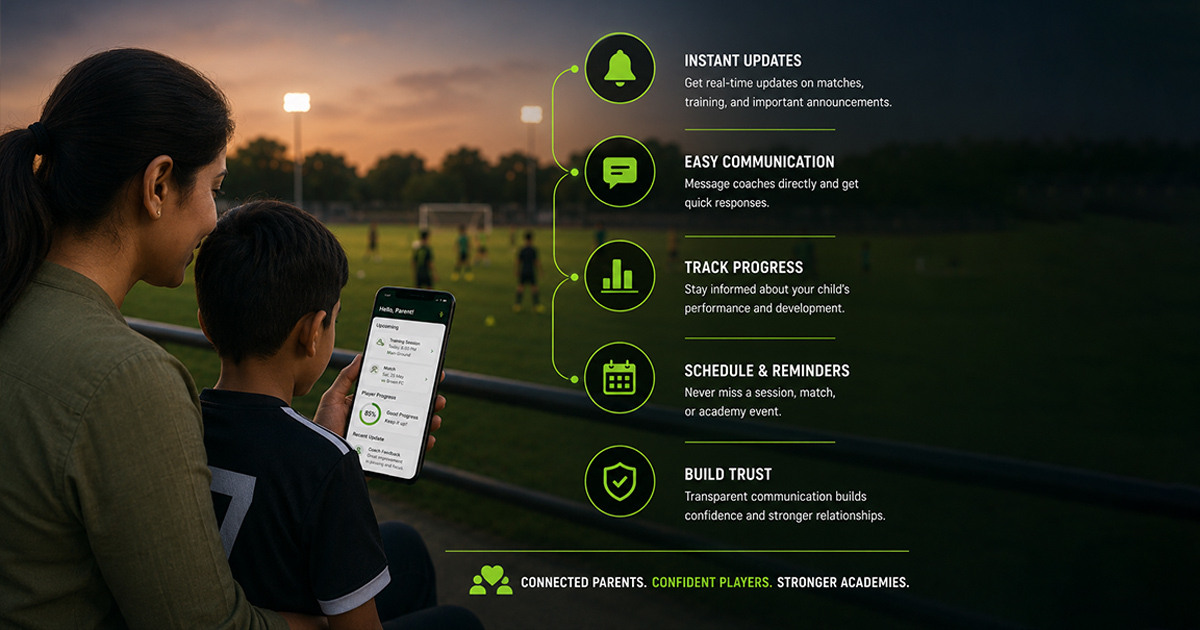 Read More about Sports Academy Parent Communication App: How to Improve Trust and Communication
Sports Academy Parent Communication App: How to Improve Trust and Communication
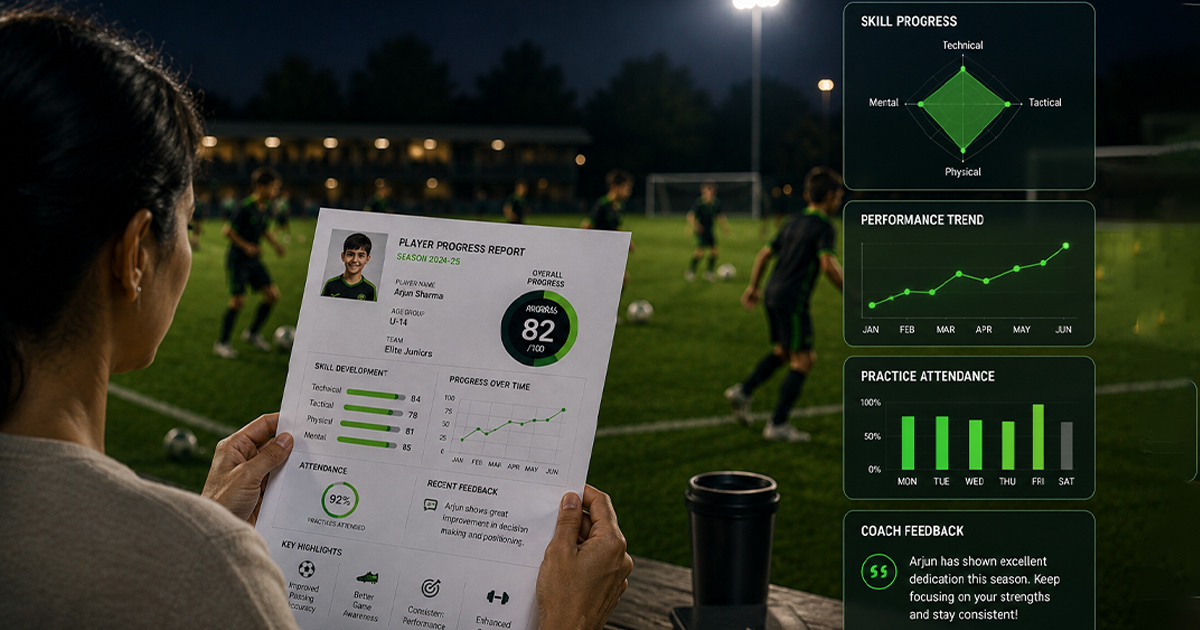 Read More about Why Parents Want Data-Backed Player Progress Reports from Academies
Why Parents Want Data-Backed Player Progress Reports from Academies
 Read More about How to Choose the Best Sports Academy in India for Your Child’s Long-Term Growth
How to Choose the Best Sports Academy in India for Your Child’s Long-Term Growth
Latest Articles
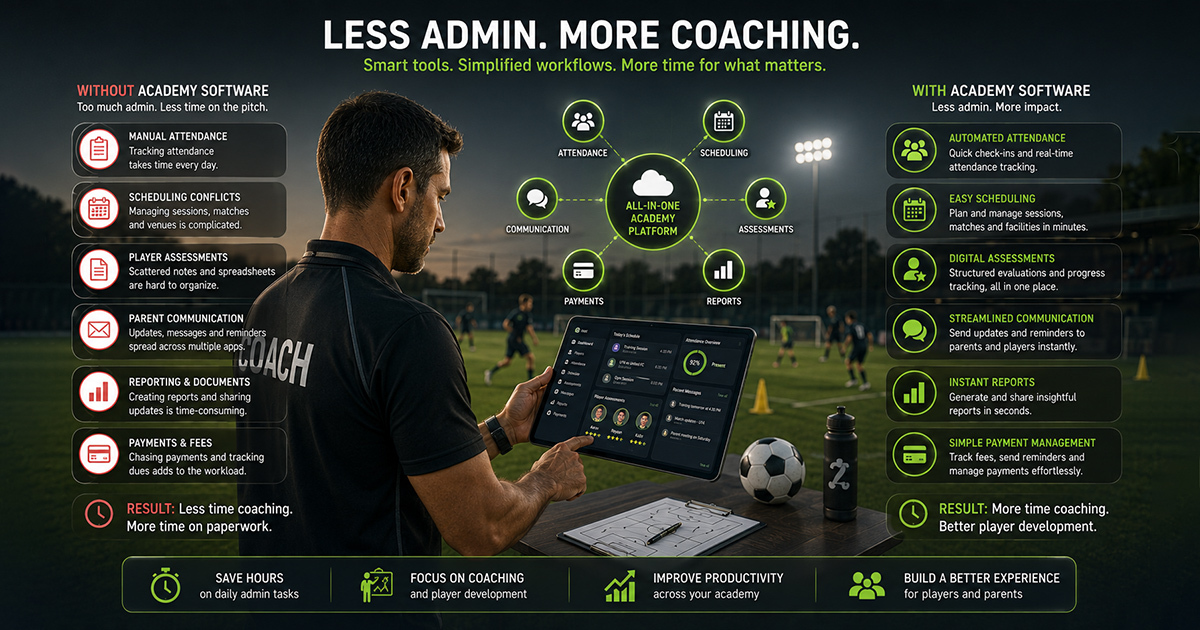 Read More about How Sports Academies Can Reduce Admin Work for Coaches
How Sports Academies Can Reduce Admin Work for Coaches
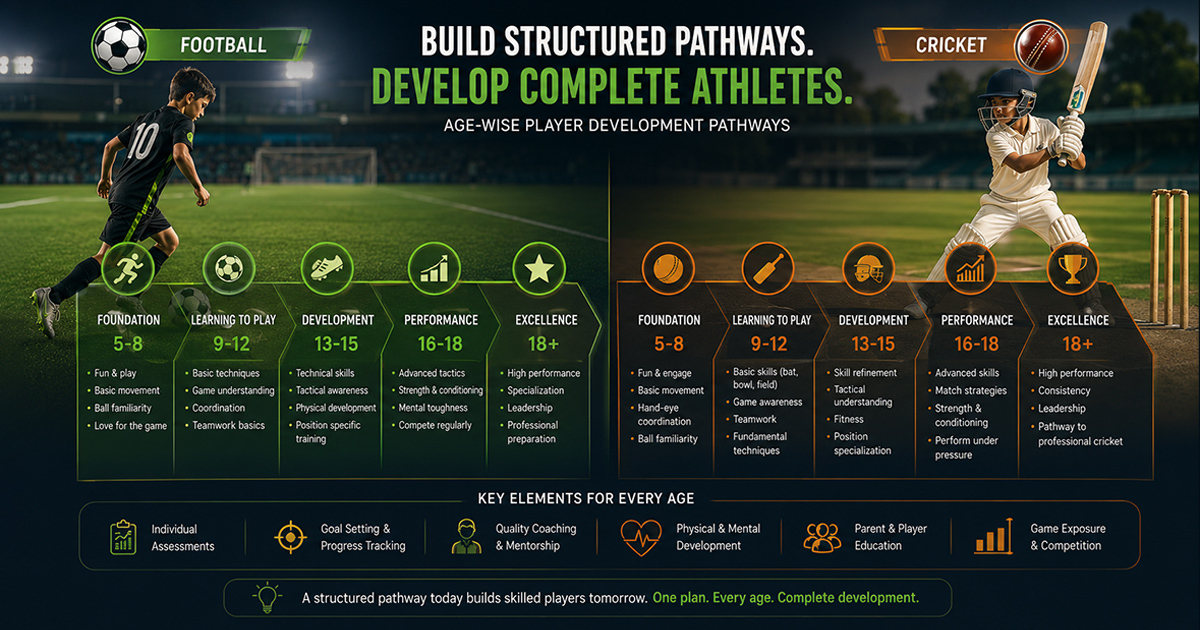 Read More about How to Build Age-Wise Player Development Pathways in Football and Cricket
How to Build Age-Wise Player Development Pathways in Football and Cricket
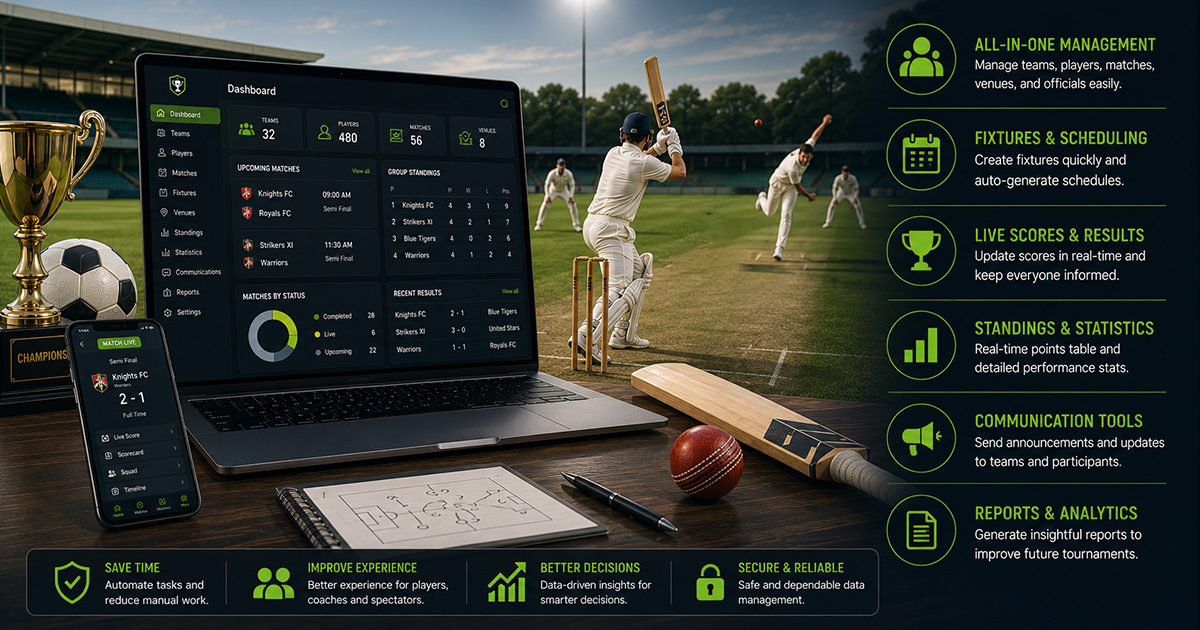 Read More about Tournament Management Software for Football and Cricket Organizers: A Practical Guide
Tournament Management Software for Football and Cricket Organizers: A Practical Guide
Ready to Bring Structure to Your Academy?
Let’s walk through your current setup and show you how 8lete can improve it.


