




How to Contact Football Scouts in India Without Being Ignored
Contacting football scouts in India can feel overwhelming for many young players and their parents. Without clear guidance, it’s common to worry that messages go unanswered or efforts to join club trials are ignored. This article explains practical steps and realistic expectations for players and parents who want to build genuine connections with scouts and clubs in India’s grassroots football environment. Understanding the football scouting process in India can unlock better chances to be noticed and develop steadily within structured pathways.
What Is Contacting Football Scouts in India?
Contacting football scouts means reaching out to club scouts, academies, or club officials to present yourself as a player interested in trials or recruitment. It is the first step in making your football talent and attitude visible beyond local matches. In India, scouts often look for players who show consistent development, discipline, and the right mindset as much as technical skill.
This process includes sending messages, attending open trials, or participating in scouting events and combines. Success comes from being genuine, prepared, and informed about how scouting works locally, rather than expecting overnight breakthroughs.
How to Improve Your Chances and Reach Football Scouts
The key to getting noticed is combining solid football development with smart outreach. Players should consistently work on their skills, physical fitness, and game intelligence, showing readiness for higher challenges. Meanwhile, parents and coaches can guide players on approaching scouts effectively without overwhelming them.
Start by identifying the right scouts and clubs for your age group and level—many major clubs in India conduct regular open trials or talent hunts. Attending these with preparation demonstrates seriousness. Use respectful and succinct communication such as emails or social media messages that highlight your recent performances, position, and club history.

Tips for Football Players Contacting Scouts and Approaching Clubs for Trials
When you contact football scouts in India, remember to:
- 1. Be clear and professional – Introduce yourself with basic details and what you aim for.
- 2. Share recent game footage or highlights – This is your on-field resume and should be concise and relevant.
- 3. Respect their time – Avoid repetitive messages or unrealistic demands like immediate trials.
- 4. Prepare well for trials – Demonstrate good habits, attitude, and ability to follow instructions during club trials.
- 5. Follow up politely – If you don’t hear back in 2–3 weeks, a gentle follow-up is acceptable.
Understanding this respectful approach reflects maturity and readiness, important qualities scouts value equally with skill.
Why Players Often Struggle to Get Noticed by Football Clubs
One common challenge is the misconception that simple contact equals immediate recruitment. Football scouting in India follows structured evaluation over time, and clubs look for players’ consistency, attitude, learning ability, and physical readiness, not just moments of brilliance.
Another issue is lack of exposure to the right platforms or trials. Players and parents sometimes rely solely on informal contacts rather than official channels like club-organized trials or regional scouting combines. Patience and persistence combined with continuous development are essential to overcome these roadblocks.
Respectful and clear communication increases a player’s chances of getting noticed by football scouts.
Practical Implementation for Grassroots Clubs
Grassroots clubs can play a key role by creating clear pathways for players to interact with scouts. This means organizing regular internal assessments, inviting guest scouts for talent days, and helping players prepare professional communication. Supporting parents with guidance on realistic expectations also strengthens the player’s environment.
Integrating player development tracking systems linked to scouting feedback helps clubs maintain transparency and long-term vision. These small but structured steps empower players to approach football recruitment in India with confidence.
Common Development Mistakes
Many players focus too much on flashy skills or just scoring goals, overlooking foundational aspects like decision-making, stamina, teamwork, and coachability. Scouts often notice these long-term traits more than short-term highlights.
Another frequent mistake is neglecting off-pitch habits such as diet, rest, and mental preparation. Players who arrive tired or stressed for trials diminish their chances. Structured training systems and feedback loops in clubs help mitigate these errors and improve consistency for scouting assessments.
Structured Framework to Contact and Impress Scouts
Successful connection with scouts can be summarized in a clear framework:
- Training & Development: Build consistent skills and fitness through structured sessions.
- Exposure & Communication: Use trials, matches, and respectful messages to reach scouts.
- Feedback & Adjustment: Learn from trial outcomes and coaching advice.
- Tracking Progress: Maintain records of performances and improvements.
- Persistence & Growth: Keep developing and stay prepared for future opportunities.
This cyclical approach creates a professional mindset and positions players effectively within India’s competitive scouting environment.

Conclusion
Contacting football scouts in India takes more than just sending a message—it requires consistent development, strategic communication, and realistic expectations. Players, parents, and coaches must understand the importance of long-term growth and structured interaction with clubs and scouts. By focusing on reliable training, respectful outreach, and learning from feedback, young footballers can steadily build their visibility and increase their chances of selection. Grassroots environments that support these principles by integrating player development tracking and organized exposure will see better progress in football recruitment. Ultimately, patience, discipline, and professionalism become the foundation of successfully connecting with football scouts in India, making this a journey of sustained learning rather than quick fixes. For players eager to explore further, it’s worthwhile to explore opportunities for players in our ecosystem to complement personal efforts with structured visibility and feedback tools.
What is the football scouting process in India?
The football scouting process in India involves clubs and scouts evaluating players over time through trials, matches, and development camps to identify those with consistent skills, attitude, and potential.
How to reach football scouts without being ignored?
Reach football scouts respectfully by sending concise messages with your basic details, recent performance videos, and expressing genuine interest in trials or development opportunities.
How to improve football skills to get noticed by clubs?
Focus on consistent training that develops technique, fitness, decision-making, and game understanding, as scouts value overall growth beyond individual moments.
Why am I not getting selected in football trials?
Non-selection often happens due to gaps in fitness, attitude, consistency, or readiness for the competitive level. Feedback and continuous development are key to improvement.
How to train effectively for football club trials in India?
Train with a focus on fitness, tactical awareness, teamwork, and mental resilience. Structured practice sessions with coach guidance help prepare better for trials.
Best age to start contacting football scouts in India?
Players typically start connecting with scouts around ages 14–16 when they show developed foundational skills and understanding of the game, aligning with club youth programs.
.jpg)
Related Articles
 Read More about Football Highlights Video Tips: How to Build a Video That Gets You Noticed by Scouts
Football Highlights Video Tips: How to Build a Video That Gets You Noticed by Scouts
 Read More about Football Scholarships for Indian Players: How to Apply and Get Selected
Football Scholarships for Indian Players: How to Apply and Get Selected
 Read More about Why Your Child Loves Football But Is Not Improving (And What to Do)
Why Your Child Loves Football But Is Not Improving (And What to Do)
Latest Articles
 Read More about How Sports Academies Can Reduce Admin Work for Coaches
How Sports Academies Can Reduce Admin Work for Coaches
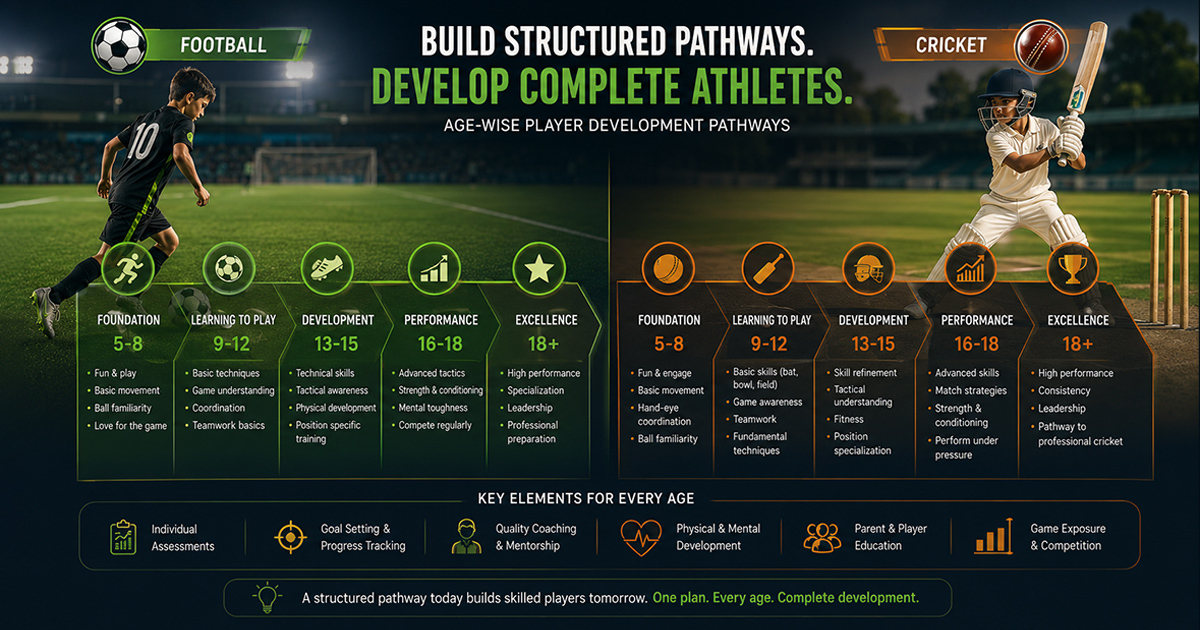 Read More about How to Build Age-Wise Player Development Pathways in Football and Cricket
How to Build Age-Wise Player Development Pathways in Football and Cricket
 Read More about Tournament Management Software for Football and Cricket Organizers: A Practical Guide
Tournament Management Software for Football and Cricket Organizers: A Practical Guide
Ready to Bring Structure to Your Academy?
Let’s walk through your current setup and show you how 8lete can improve it.


