




Effective Team Management Strategies and Skills
Are you struggling to keep your team focused, consistent, and motivated through the season?
Running a football club provides significant help in managing your team, but isn't as easy. You deal with player dropouts, patchy attendance, and unclear roles. Matches get cancelled, sessions go under-attended, and progress often stalls. Without a simple system, things slip.
But the good news? A few clear strategies and basic team management skills can bring structure and stability to your team. They help you keep players engaged, parents informed, and your team moving forward, week after week. Whether you coach young players or run a local club, smart team management builds trust, reduces tension, and helps your team perform better.
In this blog, you'll learn 10 practical team management strategies and 5 core skills every football team needs.
Why Team Management Matters at Every Level?
A well-managed team does more than show up on match day, it grows together. When your team runs with a clear structure, players know what's expected. That brings fewer dropouts, better attendance, and improved performance over time. Strong team management also boosts player development. Consistent training, clear roles, and honest feedback help young athletes gain confidence and build discipline.
Team management also shapes how your club is seen. Volunteers stay when their time is valued. Players talk about clubs that treat them well. That's how your club earns respect, attracts talent, and builds a name in the local circuit.
If done right, team management creates a solid foundation, one that carries your club forward season after season. But how do you bring that structure to life on the ground? Let's have a look at the best football team management strategies.
Top 10 Team Management Strategies Every Football Club Must Know
Good team management is not about doing more; it's about doing the right things consistently. Whether you're coaching teens or running a local academy, your team needs structure, clarity, and a sense of purpose. Small actions add up, and the way you manage day-to-day operations decides how your team performs over time.
Here are 10 practical strategies that can help your community football team and club stay organised, motivated, and moving forward:
1. Set Clear Roles and Responsibilities
Every player should know their role, on and off the pitch. Whether it's who leads warm-ups, who carries training gear, or who plays which position, clarity avoids confusion. For staff, define who handles scheduling, match prep, or parent communication.
It builds ownership and keeps your sessions focused. When everyone knows their part, your teams runs smoother, and players become more accountable.
2. Plan and Communicate Training in Advance
Last-minute changes frustrate players and parents. Plan training schedules weekly or monthly and share them in advance. Use simple tools like WhatsApp groups or Google Calendar. Consistency in scheduling leads to better turnout, fewer excuses, and better preparation. New teams benefit most from routine, and this small habit can make a big difference.
3. Track Player Performance and Attendance
When players see their progress, they stay motivated. Keep a simple record of attendance and basic stats like goals, assists, or drills completed. You can use a spreadsheet or an app to make this easier. Tracking also helps identify drop-off trends and coaching gaps early. It shows players you're paying attention, and that keeps them involved.
4. Encourage Discipline Through Routine
Routine builds habits. Start training at the same time, warm up the same way, and end with a cool-down. It builds discipline without the need for strict rules. For youth players especially, structure builds confidence and reduces anxiety. Discipline is less about punishment and more about habits that make your team reliable.
5. Create a Positive, Supportive Culture
Shouting kills motivation. Encouragement builds it. Use every session to build trust between coach and player and among teammates. Celebrate effort, not just results.
Address mistakes with support, not blame. Over time, this creates a team environment where players feel safe, motivated, and eager to return.
6. Reward Effort and Improvement
Not every player scores goals. But every player can improve. Reward consistency, attendance, and team spirit. Create a "Player of the Week" board or shout-outs during practice. Recognition doesn't need prizes, just a moment of attention. When players feel seen for their effort, they're more likely to stay committed.
7. Use Simple Tech to Reduce Admin Work
Managing a team on paper is time-consuming. Use basic tools to track attendance, share schedules, and store player data. Platforms like 8lete specialise in supporting grassroot level clubs or small-scale clubs by simplifying admin tasks. Less time on promotion means more time coaching and connecting with your players.
8. Balance Play Time and Competition
Winning matters, but so does participation. Give every player fair minutes, especially at the beginning level. Competitive matches are important, but not at the cost of confidence. Rotate positions during friendlies and set goals beyond just winning. It keeps players motivated and gives everyone a chance to grow.
9. Involve Parents (for youth clubs)
Parents are part of the team, too. Keep them informed with regular updates on training, matches, and player progress. Involve them in transport, match support, or basic volunteering. When parents feel included, they support the team's club better, and that support boosts retention and player morale.
10. Give Players a Voice in Team Decisions
Even small choices matter. Let players vote on jersey colours, pick warm-up songs, or suggest drills. When they feel heard, they stay loyal. It also teaches accountability and strengthens team bonds. A sense of belonging is one of the strongest ways to retain players over time. Good management isn't just about running drills; it's about running a team. But strategy works best when backed by skill.
Next, let's look at the 5 best team management skills every coach and club admin needs.
5 Essential Team Management Skills for Coaches and Admins
Strategies only work when the people behind them have the right skills. At the initial level, your coaching and management team must wear many hats: mentor, planner, motivator, and organiser. The skills you bring to each role shape how players respond and how the team grows.
Here are five must-have team management skills.
Communication: Good communication is clear, two-way, and regular. Share training plans, match updates, and individual feedback in a timely manner. But also listen; players and parents often have concerns that go unspoken. Keep your message simple, and make sure everyone feels heard. That's how you build trust and clarity.
Leadership: Strong leaders take ownership, stay calm under pressure, and lead by example. You don't need to shout to lead; you need to make fair decisions, set high standards, and bring the team together when it matters. Whether it's game tactics or handling challenges, your leadership sets the tone for the team.
Time Management: Between training, matches, and recovery, your calendar can get crowded. Managing your time helps you stay consistent and avoid burnout. Use planning tools or apps to schedule sessions, track attendance, and plan breaks. When you manage time well, your players get more quality attention, and your team works well.
Conflict Resolution: A player might feel sidelined, or a parent might raise concerns. Stay calm, listen to both sides and offer a fair solution. Avoid blame and focus on finding a way forward. How you handle conflict shapes your team's culture. Respect earns respect, especially when things go wrong.
Record Keeping: Simple records make a big difference. Keep track of attendance, match stats, and individual feedback. It helps with planning, supports fair play time, and shows players their growth. Whether it's a notebook, spreadsheet, or app, consistent record-keeping adds professionalism and builds long-term trust.
Strong teams start with skilled leaders. But managing it all manually isn't easy. That's where digital support can help. Let's look at how 8lete makes team management easier for you.
How 8lete Supports Better Team Management?
Running a grassroots football club comes with daily challenges, including confusion around schedules, missing player data, and too much paperwork. 8lete Club Ecosystem solves these problems with simple, affordable, and smart tools that reduce your workload and help your club run better every week.
Here's how 8lete supports stronger, clearer team management:
Player Roster Management: Easily maintain player records, attendance, and performance logs. Everything stays in one place, so you spend less time chasing updates and more time coaching.
Match Coordination: Plan matches, training, and team events from a single interface. Share schedules instantly with coaches and players; no more last-minute calls or miscommunication.
Analytics Tools: Track team and individual stats over time. Use real data to guide feedback, improve training, and recognise consistent effort.
Reputation Builder: Build your team's digital presence through their clubs with verified match history and performance records. It helps your team look professional and gives players pride in being part of something serious.
With 8lete, your team stays organised, informed, and connected. You can focus on coaching, players can focus on improving, and the team keeps moving forward, week after week.
Conclusion
Smart team management isn't just about keeping things organised; it's how strong teams are built. When your team has clear roles, open communication, and a consistent schedule, everything improves. Players show up more, train harder, and stay longer.
Better-managed teams also attract new talent, earn parent trust, and perform with confidence on match day. Strategies like setting clear roles, using simple tech, tracking performance, and involving players in decisions make all the difference.
Do you want to reduce admin stress and focus more on your players? Explore how 8lete can help your team and their club digitise operations and run a more focused, player-friendly team.
Related Articles
 Read More about How to Improve Football Club Member Retention
How to Improve Football Club Member Retention
 Read More about Football Club Discipline and Management Strategies
Football Club Discipline and Management Strategies
 Read More about 8 Ways to Grow and Develop a Football Club
8 Ways to Grow and Develop a Football Club
Latest Articles
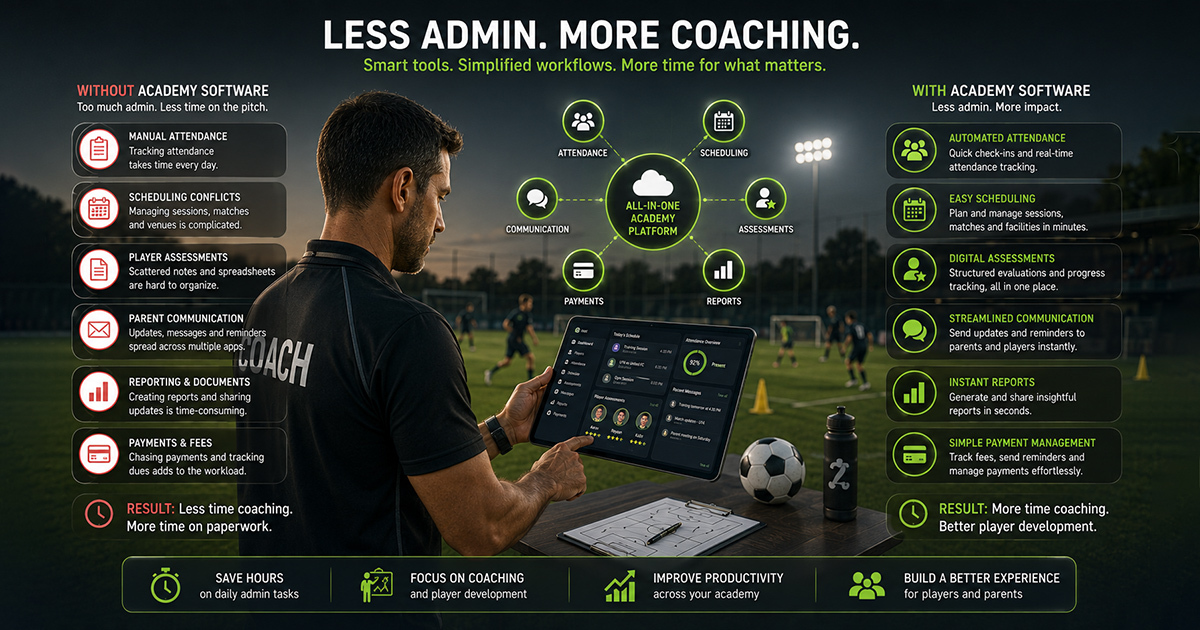 Read More about How Sports Academies Can Reduce Admin Work for Coaches
How Sports Academies Can Reduce Admin Work for Coaches
 Read More about How to Build Age-Wise Player Development Pathways in Football and Cricket
How to Build Age-Wise Player Development Pathways in Football and Cricket
 Read More about Tournament Management Software for Football and Cricket Organizers: A Practical Guide
Tournament Management Software for Football and Cricket Organizers: A Practical Guide
Ready to Bring Structure to Your Academy?
Let’s walk through your current setup and show you how 8lete can improve it.


