




Essential Football Club Health Guidelines for 2025
Have you ever had to cancel a match because half of your squad fell ill or injured?
For many small clubs, health issues are not just unlucky; they're avoidable. When players miss training or recover slowly, it affects results, planning, and morale. That's why football club health guidelines are more than rules; they're habits that protect your team.
From warm-ups and nutrition to mental health and rest, small steps keep your squad stronger across the season. These routines also help coaches, parents, and support staff stay aligned and informed.
In this guide, you'll learn how to apply football club health guidelines at your level. You'll get practical tips, basic checklists, and tools that make managing player health easier without adding more work.
Why Health Guidelines Matter for Football Clubs?
Running a youth or grassroots club comes with daily challenges, like thin squads, limited budgets, poor hygiene, and lack of physios. That's why having basic, clear football club health guidelines helps you stay prepared. When your players are healthy, your team becomes more consistent, respected, and ready for long-term success.
Here's why health guidelines matter:
Reduces injuries and promotes consistent squads: Fewer knocks and strains mean fewer missed matches. Even basic warm-up routines can lower injury risks.
Supports player development and club reputation: Healthy players grow faster. Clubs seen caring about player welfare build stronger word-of-mouth and trust.
Builds trust with parents and organisers: Parents want safety. Organisers prefer teams that show discipline and preparation.
By covering the right areas, the football club health guidelines can improve how your team plays, grows, and stays ready. So, what should you actually track? Let's learn about a few guidelines every coach or club manager must be aware of.
7 Core Areas Every Club Should Monitor

Health isn't just about avoiding injuries; it's about creating habits that protect your players and improve long-term performance. Although many small clubs skip the basics due to time or budget constraints, simple systems can have a significant positive impact.
Here are 7 football club health guidelines to help you focus on what truly matters:
Injury Prevention and Warm-Ups: Never start training cold. Always include dynamic warm-ups, light jogs, and mobility work. It reduces muscle pulls and joint injuries, especially in younger players.
Hydration and Nutrition: Players must drink water before, during, and after sessions. Remind them to eat simple, energy-rich foods like bananas or rice before matches. Avoid junk right after games.
Medical Check-ups and Fitness Tracking: Schedule basic check-ups twice a year. Maintain a simple file with health conditions or fitness notes for each player. You can use apps or basic forms.
Keep Equipment Clean and Kit Hygiene: Dirty bibs, mouldy boots, or shared bottles can spread infections. Encourage players to clean gear regularly and avoid sharing towels or bottles.
Safe Playing Conditions (Pitch and Weather): Check for glass, potholes, or wet patches on your pitch. Cancel or shorten sessions during extreme heat.
Concussion Protocols and Recovery Rules: If a player sustains a head injury, remove them from play immediately and ensure they do not return without adequate rest and medical clearance. Notify parents in writing to ensure proper follow-up.
Mental Health Awareness and Support: Not every issue is physical. Listen when players seem withdrawn or distracted. Encourage open chats with coaches or teammates. Small steps help build trust.
By focusing on these areas, your football club's health guidelines can do more than prevent problems; they'll help your team feel safe, respected, and ready. And when matchday comes, some habits matter more than others.
Matchday Health Checklist for Grassroots Clubs

Matchdays move fast, especially at the beginner level. With energy high and limited help around, things can slip. A simple health checklist keeps your players safe and focused. You don't need a medical team, just good habits. Matchday steps fit right into your football club health guidelines.
Here's what to cover:
Pre-match checks (hydration, injury check, kit prep): Make sure players drink water and aren't hiding small injuries. Double-check laces, shin pads, and clean kits. These small things reduce in-game delays or injury risks.
During-match (first aid kit, water breaks, substitution alerts): Keep a stocked first aid box pitch-side. Plan short water breaks in summer. Watch players who slow down, signals for cramps, fatigue, or mild impact injuries.
Post-match (cool-down, player feedback, injury notes): End with a light jog and stretching. Ask players about knocks or pain. Record any injury signs and update parents or coaches if needed.
Even without advanced facilities, following these basics keeps your football club health guidelines active on match days. Health culture doesn't start with a physio; it starts with you. But how do you make this a habit across the season?
How Coaches and Admins Can Build a Health-First Culture?

Health responsibility extends beyond physios and doctors; it begins with establishing consistent habits during training. Clubs can foster a health-first mindset by creating routines and engaging coaches, players, and staff alike.
A coach's effort here can shape how seriously players treat their well-being. These steps make your football club health guidelines part of everyday club life.
Lead by example: consistent routines, no shortcuts: Warm-ups, water breaks, and cool-downs should never be skipped. When coaches follow the same rules, players understand health is not optional.
Involve parents and volunteers in routines: Assign roles like hydration check or first aid kit prep. Many parents want to help; they just need direction.
Educate players through team talks and drills: Explain what a proper warm-up does. Talk about signs of injury. Show instead of just telling.
Make health updates part of team meetings: Add 2-minute check-ins for fitness or pain updates. It shows players their well-being matters.
Celebrate smart habits, not just performance: Praise players for reporting pain early or helping a teammate with stretching. Health-aware behaviour deserves as much attention as goals.
By setting these habits, your football club health guidelines become part of team culture, not just a checklist. But to keep that consistency, it helps to have a system that remembers and tracks everything.
How Does 8lete Support Football Club Health Management?
Grassroots clubs often struggle with tracking health data, managing schedules, or maintaining records. Without the right systems, even the best football club health guidelines can fall through the cracks. 8lete club ecosystem offers simple tools to keep your club healthy, consistent and well-organised.
Here is how 8lete helps keep club health guidelines intact:
Player Roster Management: Track player attendance, past injuries, and performance notes all in one place. You don't need a medical team to keep health records. 8lete helps you make smarter decisions during selection and training.
Match Coordination: Easily plan matches and training sessions while considering player workload. Avoid overtraining or back-to-back games with poor recovery. Healthier planning starts with smarter scheduling.
Analytics Tools: Spot patterns in performance, fatigue, or injuries using real data. Adjust routines or workloads before issues grow. It turns your football club health guidelines into trackable habits.
With 8lete, your health efforts don't stop at intention; they turn into action, tracking, and progress.
Conclusion
Running a football club isn't easy, especially when health is treated as an afterthought. But clear football club health guidelines can change that. They reduce injuries, boost player confidence, and make your club more trusted by parents and organisers.
From hydration and hygiene to mental health and safe matchdays, these aren't big changes. Just small, smart habits that protect your players and improve your team's consistency.
Yes, you may not have doctors or physios, but that's where structure helps. Set routines, involve parents, and make health a part of everyday training. The more care you show, the stronger your club becomes.
Is your club doing enough to protect its players on and off the pitch? Explore 8lete today to build a healthier, more organised football club without adding to your workload.
Related Articles
 Read More about Why Football Clubs Need Audits
Why Football Clubs Need Audits
 Read More about Benefits of Joining a Grassroots Football Club for Kids
Benefits of Joining a Grassroots Football Club for Kids
 Read More about Importance of Football Club Teamwork in Youth Teams
Importance of Football Club Teamwork in Youth Teams
Latest Articles
 Read More about How Sports Academies Can Reduce Admin Work for Coaches
How Sports Academies Can Reduce Admin Work for Coaches
 Read More about How to Build Age-Wise Player Development Pathways in Football and Cricket
How to Build Age-Wise Player Development Pathways in Football and Cricket
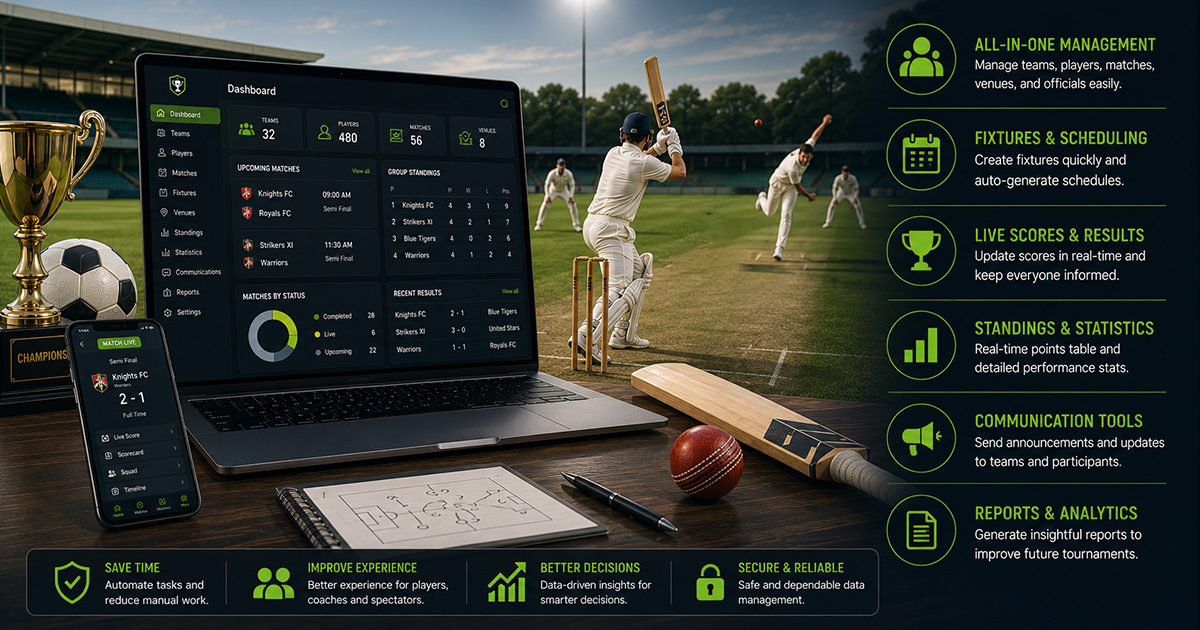 Read More about Tournament Management Software for Football and Cricket Organizers: A Practical Guide
Tournament Management Software for Football and Cricket Organizers: A Practical Guide
Ready to Bring Structure to Your Academy?
Let’s walk through your current setup and show you how 8lete can improve it.


