



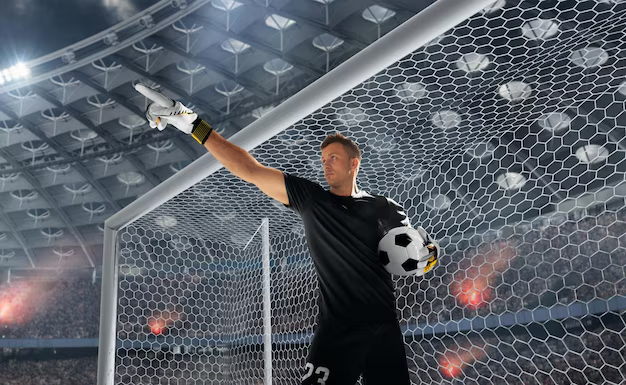
Understanding the Role of a Goalkeeper in Soccer
Remember that tense moment in a soccer match when the striker is running straight at the goal, and everyone watches the goalkeeper? It’s just the goalkeeper, the ball, and a split second to decide where to dive or jump. For many fans, these moments are what make soccer so exciting. Goalkeepers may not always get the same attention as goal scorers, but their role is just as important. So, what does a goalkeeper do in every game? Let's take a closer look and understand why this position is key to any team’s success
Understanding the Role of a Goalkeeper in Soccer
While watching a soccer match, every save by the goalkeeper feels like a big moment. Being a goalkeeper means standing alone, ready to stop the ball from going in. A good goalkeeper can really change how the game goes with their leadership and presence. Let’s take a closer look at what goalkeepers do on the field:
1. Keeping the Goal Safe
The striker races toward the goal, the ball speeding fast, and the goalkeeper has just a moment to react. That save doesn't happen by chance. A goalkeeper's main job is to keep the ball from going into the net. To do this, they need to:
1. Stop shots: Use lightning-fast reflexes and steady hands to block or catch shots coming from different angles and speeds.
2. Position themselves well: Watch the game closely, anticipate where the ball might go, and be ready in the right spot before the shot happens.
3. Catch or punch away crosses: Quickly move off their line to grab or clear balls coming from corners or crosses, stopping scoring chances.
4. Control rebounds: After a save, make sure to control or clear the ball so opponents don’t get a second shot.
At the 2024 Olympic Football Tournament (men's), goalkeepers saved 64% of all attempts on target from within the penalty area, showing just how crucial their skills are in real, high-level competition. These saves can change the whole game and boost the team’s confidence. For young players, keeping track of these moments helps them know what they are good at and what they can improve. That’s why tools like 8lete for Players help goalkeepers record their match stats and get noticed by coaches.
2. Organizing the Defense
When you watch a well-organized defense on the field, a big reason for that is the goalkeeper's voice. From their spot in goal, goalkeepers see the entire game unfolding in front of them. They don't just wait for the ball; they lead the team's defense and keep everyone in position. Their role includes:
1. Communicating clearly: Constantly talking to defenders, telling them where to be, and making sure everyone knows their job.
2. Calling out threats: Warning teammates about unmarked opponents or dangerous plays before they become a problem.
3. Coordinating set-pieces: Organizing how the team defends during corners, free kicks, and other set plays to reduce scoring chances.
4. Supporting teammates: Encouraging and motivating defenders to stay focused and work as a unit.
Physical and Mental Qualities That Make Great Goalkeepers
Have you ever watched a goalkeeper make a save and wondered how they do it? It’s a mix of physical skills and mental toughness. Being a goalkeeper means staying ready to jump into action at any moment, while also staying calm even when the pressure is high. Let’s break down what really helps goalkeepers perform at their best.
Physical Traits
To stop a fast shot, you need to be quick on your feet. You also need enough strength to stay focused and ready throughout the whole game. Here are the main physical qualities a goalkeeper needs:
1. Agility and quick reflexes: To react instantly to fast shots.
2. Strength and stamina: To endure a full match while maintaining focus.
3. Good hand-eye coordination: Essential for catching and parrying the ball safely.
Mental Traits
Goalkeepers are under a lot of pressure. A single mistake can feel like the whole game is on their shoulders. The best goalkeepers learn to recover quickly, keep their focus even when the action slows down, and stay calm during tense moments. Let's look at the key mental qualities that help goalkeepers handle these challenges:
1. Resilience: Bouncing back quickly from mistakes.
2. Focus: Staying alert even during quiet moments in the game.
3. Calm under pressure: Especially important during penalty situations.
This combination makes the position uniquely demanding. Being a great goalkeeper means having both the physical skills to make saves and the mental strength to stay calm under pressure.
Along with these qualities, goalkeepers must also understand and follow certain special rules and enjoy unique privileges that shape how they play and contribute to the game.
Special Rules and Privileges for Goalkeepers
Goalkeepers have a unique role on the soccer field, with special rules that set them apart from other players. These rules give them certain privileges but also come with clear responsibilities. Here are the key rules and privileges that goalkeepers follow:
1. Handling the ball: Only allowed inside their own penalty area. Outside, they must play like any other player.
2. No picking up back-passes: Cannot pick up the ball if a teammate deliberately kicks it back to them.
3. Distinctive jerseys: Worn for easy identification by referees, teammates, and opponents.
4. Playing with feet: Expected to be comfortable using feet to help maintain possession and start attacks.
5. Limited time handling the ball: Must release the ball within six seconds and can’t touch it again immediately.
6. Free kicks and penalties: Must stay on the goal line until the ball is kicked.
These rules shape how goalkeepers train and play. While they give certain advantages, they also impose responsibilities that keep the game fair.
Challenges That Come With the Position
The position of the goalkeeper comes with its own set of challenges that can test both the player’s skills and mindset. Understanding these challenges helps explain why goalkeepers need special support and training. Here are some of the main challenges goalkeepers face:
1. Loneliness on the field: Often separated from teammates and may feel isolated.
2. High pressure: A single mistake can cost a goal. Studies show 15.6% of players experience anxiety during the season.
3. Constant learning and adaptation: Goalkeepers must continually improve and adjust to new tactics.
4. Mental toughness: Crucial for bouncing back after a tough game or mistake.
5. Physical demands: Requires top fitness and concentration all match long.
Young goalkeepers benefit from mentoring and tools like 8lete that help track progress and connect with coaches and clubs.
How Goalkeepers Can Change the Game
Goalkeepers play a key part in how the team performs by controlling the flow of the game and helping teammates stay organized and confident. In tight matches, what a goalkeeper does can often decide who wins or loses. Here’s how they make an impact:
1. Making important saves: Can shift momentum and inspire teammates.
2. Starting attacks: Quick throws or kicks launch counterattacks.
3. Leading calmly: Their demeanor affects team confidence.
4. Organizing defense: Helps reduce errors with clear communication.
5. Reading the play: Anticipates threats before they develop.
These key moments often decide the outcome of the match and highlight just how important a goalkeeper is to the team’s success. Supporting goalkeepers in developing these skills and seizing opportunities is essential, and that’s exactly where 8lete steps in.
How 8lete Supports Goalkeepers at Every Step
8lete is designed to support goalkeepers throughout their journey. Key features include:
1. Performance Dashboard: Track saves, goals conceded, and more.
2. Opportunity Discovery: Find trials, tournaments, and scouting events.
3. Coach & Club Connect: Build a profile and reach out to clubs and mentors.
With 8lete’s tech and network, grassroots goalkeepers get access to resources that help shape their careers.
Conclusion
Goalkeepers are the team’s last line of defense, vocal leaders, and often the deciding factor in a match. It’s a role that requires skill, confidence, and resilience. If you’re a goalkeeper or soccer enthusiast, 8lete offers tools and community to support your journey. Join 8lete to connect with others and grow your game.
FAQs
1. What does a goalkeeper do in soccer?
A goalkeeper’s main job is to stop the ball from entering the goal. They also organize the defense, communicate with teammates, and start attacks.
2. What skills are important for a goalkeeper?
Key skills include quick reflexes, agility, good hand-eye coordination, strong communication, and mental toughness.
3. Can goalkeepers use their hands anywhere on the field?
No. Goalkeepers can only use their hands inside their own penalty area.
4. How do goalkeepers help organize the defense?
They direct defenders, call out unmarked opponents, and coordinate set-piece defense.
5. What makes goalkeeping a challenging position?
It’s high-pressure, requires total focus, and often feels isolating. The role demands both physical skill and mental strength.
Related Articles
 Read More about A Playbook for Parents: Supporting Your Child’s Athletic Dreams at the Grassroots Level
A Playbook for Parents: Supporting Your Child’s Athletic Dreams at the Grassroots Level
 Read More about Investing in Potential: Why Grassroots Athletes Are Worth Your Attention
Investing in Potential: Why Grassroots Athletes Are Worth Your Attention
 Read More about The Road Less Traveled: Overcoming Challenges Facing Grassroots Athletes
The Road Less Traveled: Overcoming Challenges Facing Grassroots Athletes
Latest Articles
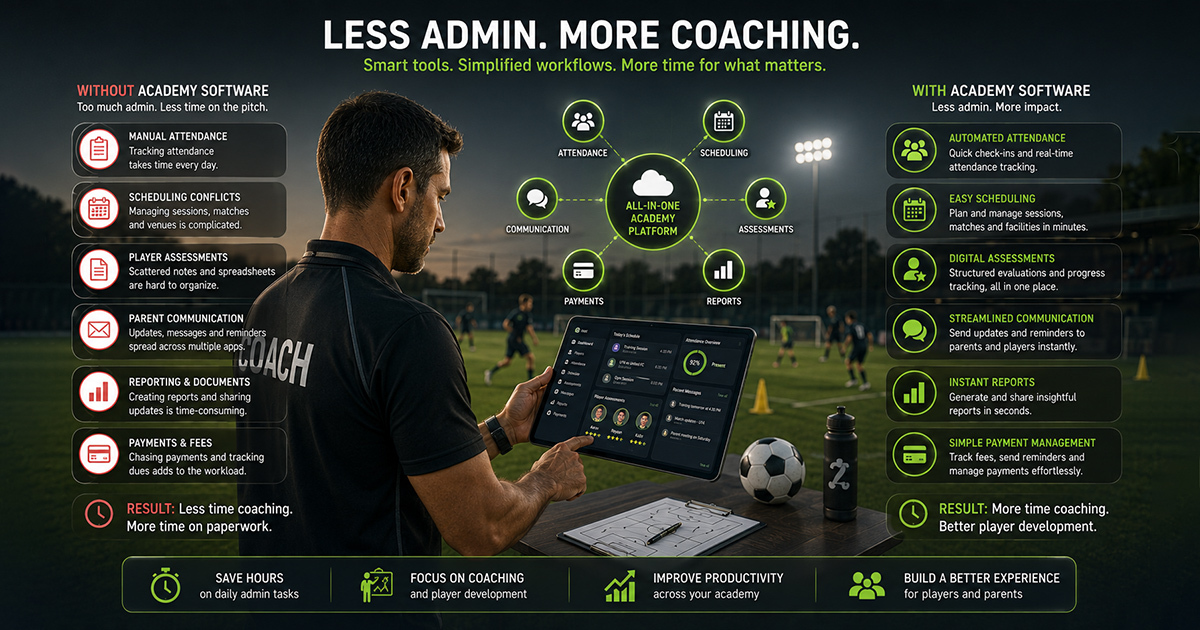 Read More about How Sports Academies Can Reduce Admin Work for Coaches
How Sports Academies Can Reduce Admin Work for Coaches
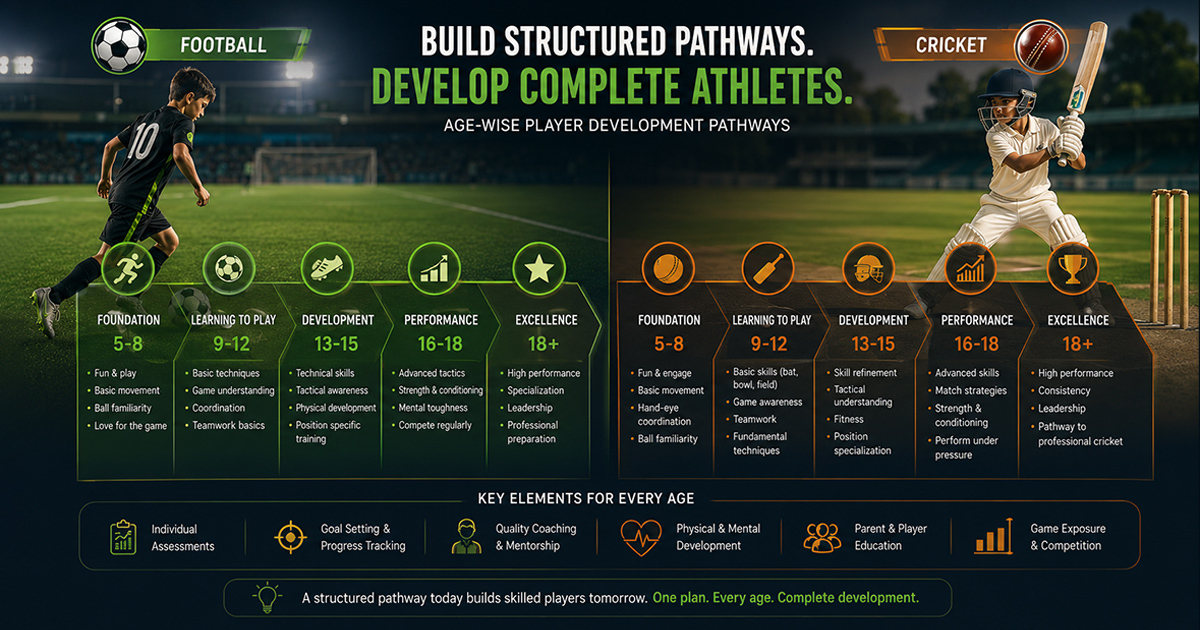 Read More about How to Build Age-Wise Player Development Pathways in Football and Cricket
How to Build Age-Wise Player Development Pathways in Football and Cricket
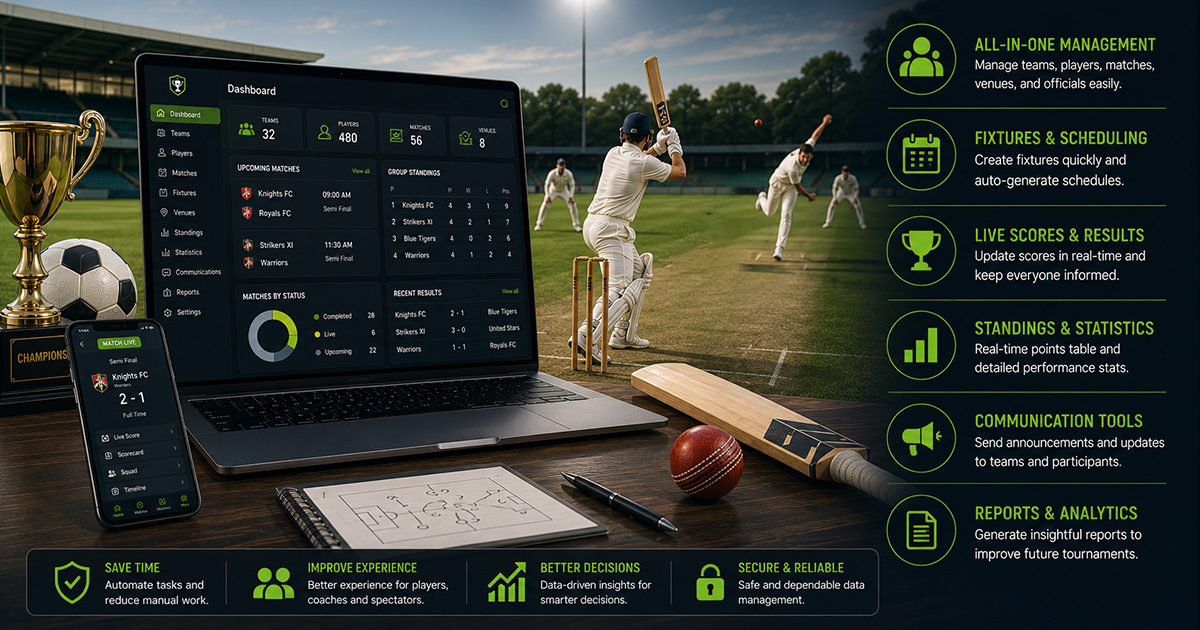 Read More about Tournament Management Software for Football and Cricket Organizers: A Practical Guide
Tournament Management Software for Football and Cricket Organizers: A Practical Guide
Ready to Bring Structure to Your Academy?
Let’s walk through your current setup and show you how 8lete can improve it.


