



Mastering the 5-3-2 Soccer Formation: Tips and Strategies
Are you trying to pick the right formation for your team but not sure what fits best?
In the 2002 World Cup, Brazil's head coach, Felipe Scolari used the famous 5-3-2 formation to win the cup. This shape gave them strong control in defence while still allowing creative movement going forward. It's a system many local clubs now use to stay compact without losing attacking options.
The 5-3-2 formation works well when you want to stay organised, hold your shape, and frustrate opponents. But like any system, it needs the right roles, skills, and understanding to get results.
In this guide, you'll learn how the 5-3-2 works, key player responsibilities, pros and cons, how to have your players play against it, and coaching tips to bring this formation to life.
What Is the 5-3-2 Formation in Football?
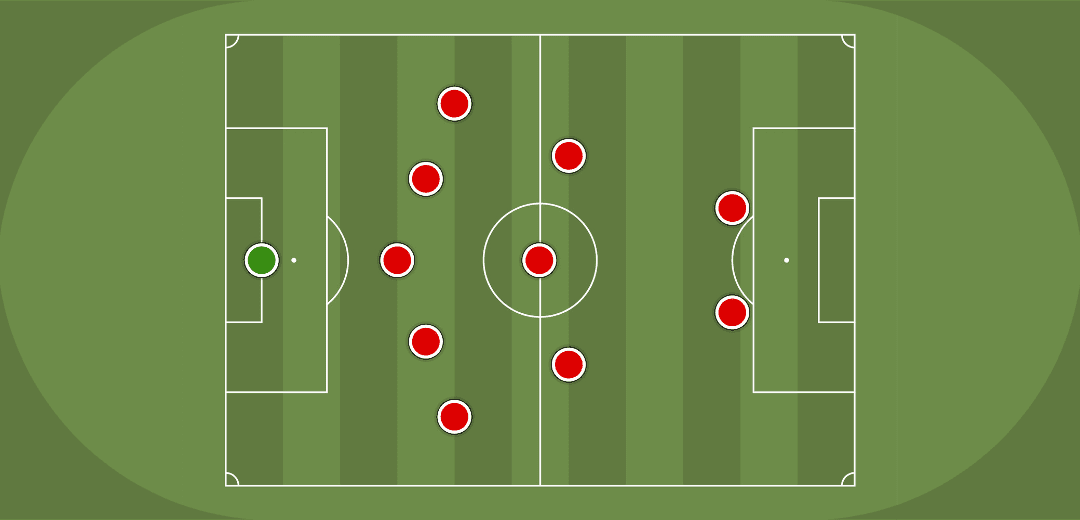
The 5-3-2 formation uses five defenders, three midfielders, and two forwards. The back five usually includes three central defenders and two wing-backs. These wing-backs give the formation its width, defending deep when needed but pushing up to support attacks.
In midfield, the trio often controls the tempo and offers support at both ends. The two forwards focus on pressing, holding the ball, and finishing moves. This setup is built for teams that want to stay compact, break quickly, and frustrate possession-heavy sides.
The 5-3-2 works well at the grassroots level, especially for teams in transition or still learning positional discipline. It helps young players understand spacing and teamwork while keeping matches competitive.
Now that you know the shape, let's break down the key roles each of your players must understand to make it work.
Key Roles and Responsibilities in the 5-3-2 Formation
The 5-3-2 formation only works well when each player understands their job on the ground. Since it relies on structure and balance, players must work as one unit. It's not just about individual skill; it's about trust, positioning, and teamwork.
Here's how each role functions in this setup:
Centre-backs (shape and cover): The three center-backs hold the shape at the back. The central one stays deepest, while the others support wide areas if wing-backs push forward. They must communicate well, stay compact, and mark tightly.
Wing-backs (width, recovery, overlaps): Wing-backs offer attacking width and defensive cover. They run up to join attacks and drop back to form a back five. Quick recovery and good stamina are key here.
The midfield trio (ball retention, defensive support): Midfielders must protect the backline, control possession, and link play. One might stay deep while the others press forward. Their movement shapes the team's rhythm.
Forwards (movement, pressing, finishing): The front two stay active, pressing defenders, holding the ball, and making runs. They must create space and take chances quickly when they come.
This structure relies on clear discipline. If one role breaks down, the entire shape suffers.
Now that roles are clear, let's look at why the 5-3-2 is such a smart choice for many teams.

What Are the Strengths of a 5-3-2 Formation?
If your club struggles to keep its shape or gets caught out of position, the 5-3-2 formation can help. It's ideal for building from the back, maintaining balance, and staying compact without losing width. It suits new teams still building their attacking fluency.
Here's how this setup can work in your favour:
1. Defensive Solidity: 3 Centre-Backs + Wing-Backs: The back five gives your team strong defensive cover. With three centre-backs and two wing-backs dropping deep, you're less exposed to quick counters or wide attacks. It builds confidence in younger defenders.
2. Flexible Transitions from Defence to Attack: The 5-3-2 can shift quickly into a 3-5-2 when your wing-backs push forward. It adds width in attack and numbers in midfield. The formation suits clubs that focus on structure over risky plays.
3. Control Through Central Midfield: With three midfielders in central roles, your team can keep possession, win second balls, and slow the tempo when needed. It helps prevent your team from being overrun in the middle of the pitch.
4. Better Structure for Clubs With Fewer Attackers: Not every new team has fast or tricky wingers. This formation removes that pressure. Your side can focus on movement and coordination instead of relying on one standout attacker.
5. Encourages Team Discipline and Role Clarity: The 5-3-2 relies on clear zones and responsibilities. Players know what's expected of them, which reduces confusion. It's helpful for developing football IQ and long-term team chemistry.
When a system brings this much structure, there are always trade-offs. Let's look at where the 5-3-2 formation might fall short.
What Are the Weaknesses of a 5-3-2 Formation?
No formation is perfect. While the 5-3-2 formation offers great structure and defensive balance, it also brings certain limitations. These can hurt your team if roles aren't clear or the system isn't coached well, especially at the beginning stage, where consistency is still growing.
Here are five common weaknesses to be aware of:
1. Risk of Isolation in Attack: With only two forwards, it's easy for them to get cut off from midfield. If your build-up is slow or inaccurate, the attackers may spend most of the match chasing long balls or pressing without support.
2. Heavy Load on Wing-Backs: Wing-backs need to defend deep and still overlap in attack. In new teams, this can exhaust players quickly. If they tire or lose focus, your team loses both width and cover.
3. Vulnerable to Wide Overloads: If your wing-backs push forward too often, opponents can counter quickly down the flanks. With only one wide player per side, any mistake or late recovery can lead to dangerous openings.
4. May Limit Creativity and Flair: This shape doesn't naturally support creative midfielders or flair players. Without proper coaching, your midfield may become flat, relying more on work rate than imagination.
5. Harder to Chase the Game When Behind: If your team goes a goal down, the defensive shape can work against you. Switching to a more attacking setup mid-match often takes time and can lead to disorganisation.
If you're planning your tactics, knowing the flaws of a formation is only half the job. Next, let's look at how your team can play against the 5-3-2 formation and take control of the match.
How Your Team can Play Against a 5-3-2 Formation?
Facing a 5-3-2 formation can be tricky, especially if your team lacks width or speed. The shape is designed to frustrate, defend deep, and strike on the break. But like any system, it has weak points that smart teams can exploit with the right strategy.
Here are five ways to break it down:
1. Use Wide Formations Like 4-3-3 or 4-2-3-1: These systems stretch the pitch and force the wing-backs to defend deep. That reduces their attacking threat and creates space on the flanks for your wide players to exploit.
2. Target Gaps Behind Wing-Backs: When wing-backs push forward, space opens up behind them. Quick passes into those zones can pull centre-backs out of position and expose the backline.
3. Stretch the Backline with Overlaps and Switches: By switching play quickly from side to side and overlapping full-backs, you can make the five-man defence move more than it wants to. That leads to mistakes and openings.
4. Press Midfield Trio Aggressively: The midfield three are key to the 5-3-2. Pressing them early cuts off the supply to forwards and wing-backs. It also forces rushed decisions that can lead to turnovers.
5. Overload One Side, Then Switch Quickly: By committing more players to one wing, you draw defenders out of shape. Then, a sharp switch to the opposite flank often finds your players in space with fewer defenders around.
These tactics may help you beat the system, but coaching the 5-3-2 well requires its own set of sharp decisions. Now, let’s understand the tips to run this formation with confidence and clarity.
5-3-2 Formation Tips for Coaches

Running the 5-3-2 formation effectively takes more than just putting players in shape. You need consistency, fitness management, and a clear understanding of how each unit connects.
Historically, Italy, coached by Roberto Mancini, won UEFA Euro 2020 with a flexible 5-3-2 formation, proving this system works with the right planning.
Here are five tips to help you coach this formation with confidence and control:
1. Train players for shape discipline and off-the-ball positioning: Players must know their zones, even when they don't have the ball. Centre-backs should hold the line, midfielders must drop when needed, and forwards should cut passing lanes. Drills that improve positioning awareness are a must in your weekly routine.
2. Rotate wing-backs to manage fatigue: Wing-backs cover more ground than most positions. Rotate them regularly or switch roles mid-game if needed. It keeps the width intact and the defensive line from collapsing during transitions.
3. Keep communication tight between the back three: The three centre-backs must work as one unit. Use training to build verbal cues, hand signals, and pre-agreed triggers for stepping up or dropping back. It ensures gaps don't open in the central defence.
4. Use data and match stats to tweak player roles: Basic stats like pass accuracy, tackles won, and distance covered help identify player fit. For example, a midfielder struggling to switch play could be moved to a narrower role or replaced by a more mobile player.
5. Adapt based on opposition systems: Your 5-3-2 formation should be flexible. Shift to a back four mid-match if you're chasing a goal or getting pinned wide. Study the opponent's setup and tweak your lines without compromising structure.
Even the best tactical setup needs the right tools to stay consistent. That's where technology can change how clubs manage formations. Let's understand how 8lete supports teams with the 5-3-2 strategy effectively.
How 8lete Supports Clubs Using the 5-3-2 Strategy?
Running a system like the 5-3-2 takes more than tactics; it needs structure, clarity, and reliable records. 8lete Club Ecosystem, built for football clubs, reduces day-to-day confusion, cuts down admin work, and keeps everyone aligned.
Here's how 8lete can help clubs strengthen their 5-3-2 formation:
Player Roster Management: With all player profiles, attendance, and match stats in one place, you can monitor fitness, consistency, and suitability for a role in the 5-3-2. For example, you'll know which wing-back has the stamina to start and who needs rest.
Match Coordination: Set up training sessions with a focus on formation shape, defensive drills, or wing-back overlaps. Schedule matches and manage logistics from one dashboard so you can focus on coaching.
Analytics Tools: Track player movement, ball recoveries, and pass maps to refine your setup. If your midfield trio is losing control, the data will show you. If your centre-backs are holding firm, it's there in the numbers.
Reputation Builder: A structured, well-managed team speaks volumes. Verified match records and player progress build your club's reputation. Parents, players, and future opportunities notice clubs that are organised and consistent.
The 5-3-2 formation demands clarity and discipline; 8lete helps you deliver both.
Conclusion
The 5-3-2 formation gives your team balance: strong at the back, tight in midfield, and quick to break. But to make it work, you need more than a lineup. You need clear roles, smart transitions, and consistent match planning. From understanding key player responsibilities to coaching with intent, every detail counts.
Strong communication, rotation of wing-backs, and smart use of data can help you get the best from this setup. To beat it, teams often use width, stretch the backline, or press the midfield hard. Knowing both sides helps you prepare your squad better.
With 8lete, your club can train with clarity, plan with confidence, and stay consistent. The platform takes care of records, schedules, and performance tracking so you can focus on football.
Try 8lete today to build better teams and manage your formation with confidence.
Related Articles
 Read More about How to Start a Football Career Professionally
How to Start a Football Career Professionally
 Read More about How to Improve Stamina and Endurance for Football
How to Improve Stamina and Endurance for Football
 Read More about Why Football is the Most Popular Sport in the World
Why Football is the Most Popular Sport in the World
Latest Articles
 Read More about How Sports Academies Can Reduce Admin Work for Coaches
How Sports Academies Can Reduce Admin Work for Coaches
 Read More about How to Build Age-Wise Player Development Pathways in Football and Cricket
How to Build Age-Wise Player Development Pathways in Football and Cricket
 Read More about Tournament Management Software for Football and Cricket Organizers: A Practical Guide
Tournament Management Software for Football and Cricket Organizers: A Practical Guide
Ready to Bring Structure to Your Academy?
Let’s walk through your current setup and show you how 8lete can improve it.


