




Common Mistakes Grassroots Football Clubs Make (And How to Fix Them)
At grassroots level, many clubs unknowingly fall into operational traps that slow player growth and destabilize the club environment. The reality is, these common mistakes in grassroots football clubs often stem from overlooked foundational issues rather than lack of effort or passion. Identifying and fixing these errors early is critical to building a structured, sustainable club that supports young players' long-term development.
Key Operational Errors Holding Clubs Back
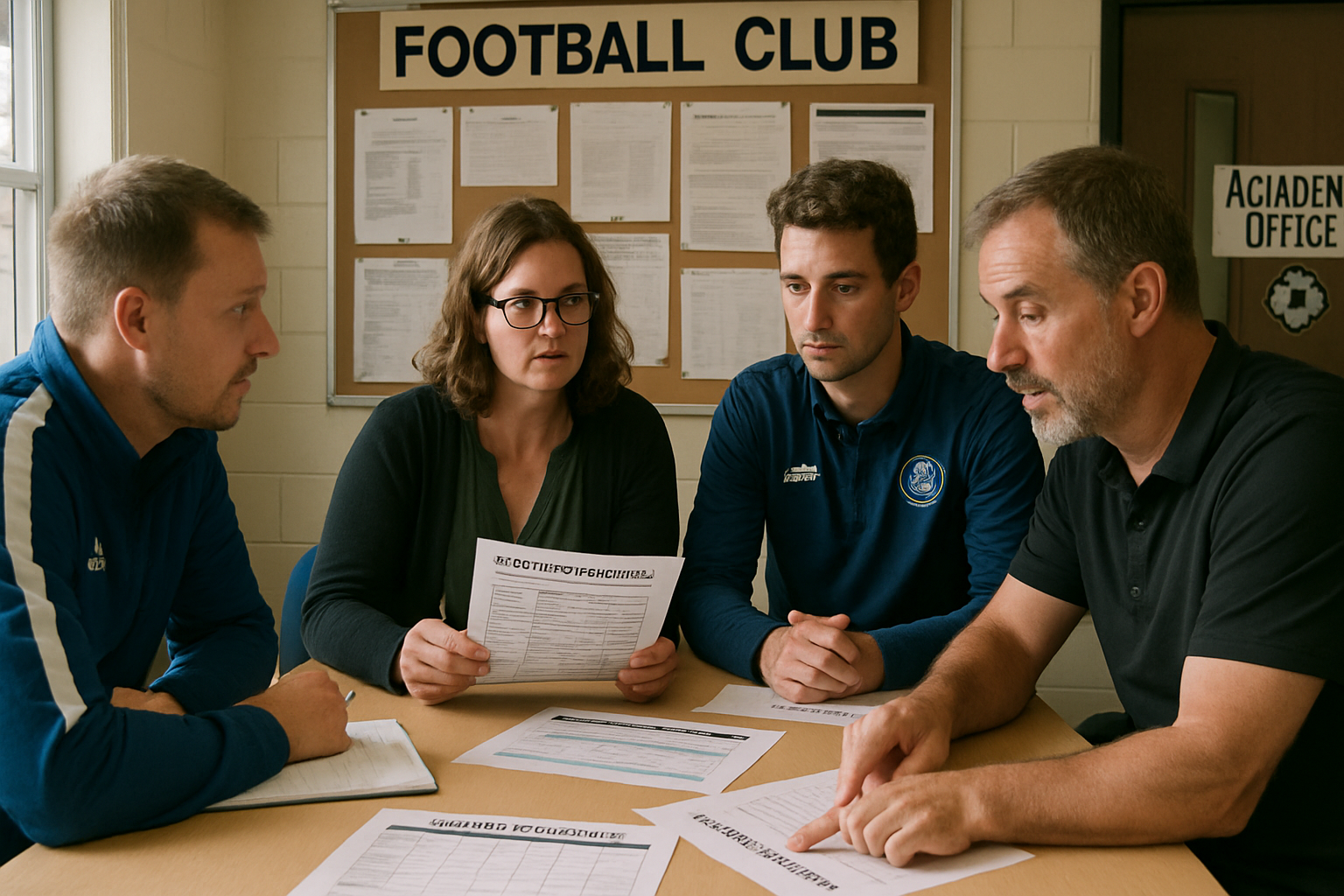
Grassroots football club management requires thoughtful organization beyond just coaching sessions. One frequent error is not clearly defining roles and responsibilities, especially for coaches, administrators, and volunteers. This lack of clarity can cause communication breakdowns and inconsistent training experiences.
Additionally, many clubs overlook implementing structured training systems that track player progress systematically. Without clear development pathways and regular performance analysis, it’s tough to spot players’ strengths or areas needing focus, limiting growth potential.
Common Development Mistakes
A widespread mistake is prioritizing winning results in youth matches over long-term skill and character development. This short-term focus can add pressure on young players and coaches, reducing opportunities for learning through trial and error. Emphasizing development-first allows for decision-making growth, discipline, and confidence-building.
Moreover, clubs sometimes fail to properly engage parents as part of the support system. Without clear guidance and education for parents on structured development priorities, misunderstandings can arise about training goals and progress expectations.
The Importance of Coach Roles and Consistent Training
Coaches are the cornerstone of grassroots football clubs, yet their roles occasionally blur or overlap without clear definition, leading to inconsistent training quality. Defining responsibilities and providing ongoing coach education ensures training is based on proven football principles and tailored to player stages.
Consistency in training content and methodology also helps players internalize skills with repeatable drills and feedback. This aligns with effective player development tracking and reinforces a strong learning environment.
“Clear roles and structured tracking turn common club challenges into manageable growth steps.
Clear roles and structured tracking turn common club challenges into manageable growth steps.
Practical Implementation for Grassroots Clubs
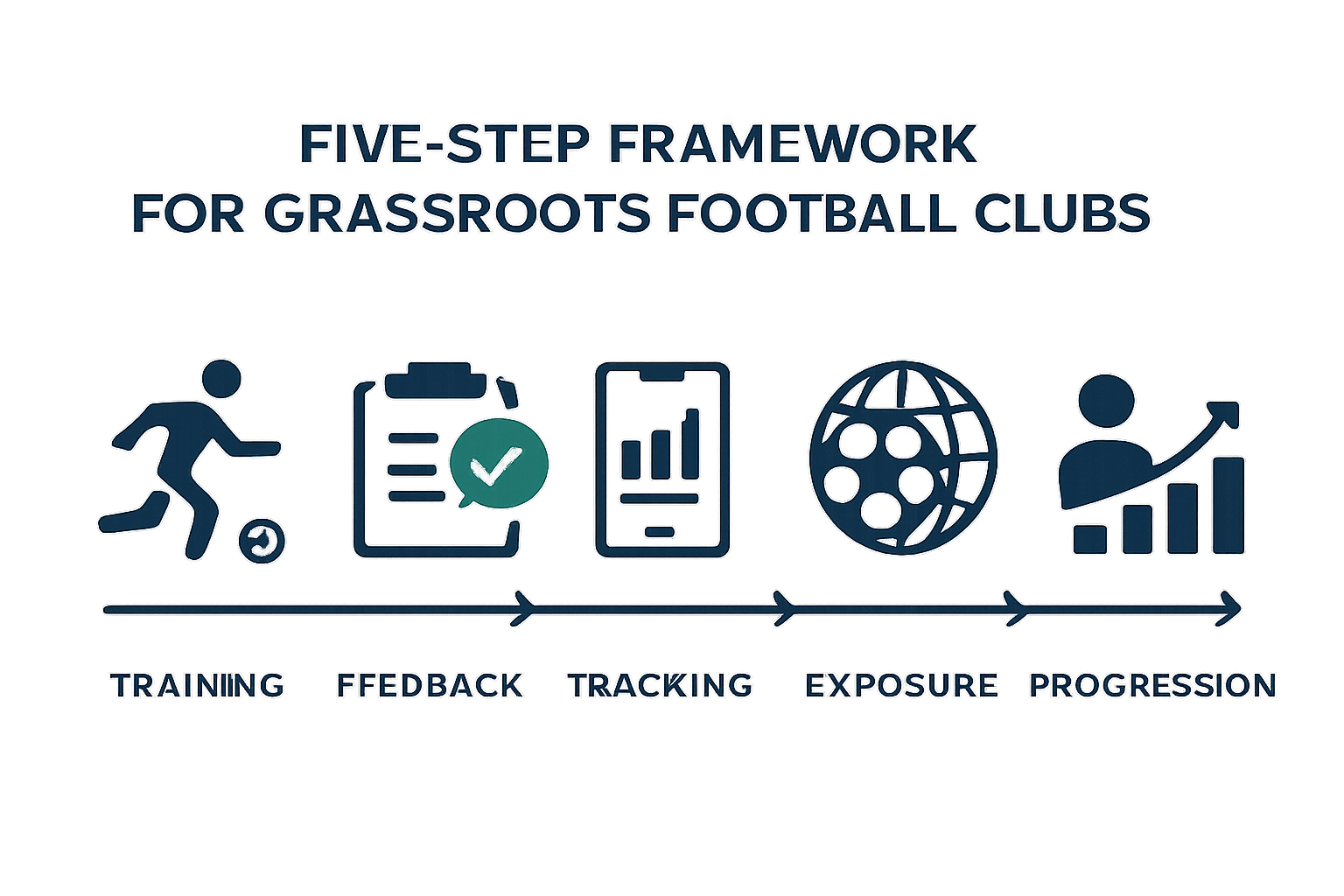
To overcome these challenges, clubs should adopt a simple operational framework: Training → Feedback → Tracking → Exposure → Progression. Start by structuring training sessions around core developmental topics. Provide consistent, constructive feedback, then use basic tools, perhaps digital, to track player progress across sessions.
Linking performance data with match exposure allows coaches to make informed decisions on individual progression and tailor development plans accordingly. This holistic approach fosters a stable club culture and a clear pathway for players to grow both technically and mentally.
Improving Football Club Organization
Practical football club management tips include establishing regular meetings to align club goals and creating straightforward workflows for attendance, drill planning, and player reporting. Utilizing available technology for football performance analysis helps reduce administrative load and ensures continuity even if personnel change.
Efficient operations support the development environment by freeing coaches and staff to focus on quality coaching and individual player needs.
Solutions for Grassroots Football Clubs
Successful grassroots football clubs prioritize education—of coaches, parents, and players alike. Structured training systems paired with transparent communication help tackle common pitfalls such as unclear expectations or inconsistent standards.
Developing an academy-wide plan that integrates elements like player development tracking and clear role definitions promotes accountability. This not only improves day-to-day function but also enhances the club’s reputation and attractiveness to committed players and families.
Common Development Mistakes
One usual misstep is neglecting the mental and physical recovery needs young players require. Overloading training or matches without planned rest affects learning and increases injury risk. Incorporating recovery routines within the club calendar supports sustainable development.
Another overlooked aspect is insufficient focus on mental growth—encouraging decision-making, resilience, and self-reflection. Embedding these in training culture provides players tools that transfer beyond football.
Conclusion
Fixing common mistakes in grassroots football clubs requires a clear focus on structured club management that prioritizes development over quick results. By defining clear roles, adopting consistent training and feedback processes, and embracing player development tracking, clubs create an environment where players thrive technically and mentally.
Equally important is engaging the broader club community—parents, coaches, and staff—in ongoing education and communication, ensuring everyone is aligned on long-term goals. A practical, systemized approach reduces errors and strengthens the club’s foundation. For academies serious about growth, embracing these principles supports sustainable success rooted in true football development principles, not shortcuts.
In the end, overcoming these operational errors means building a club culture focused on learning, stability, and thoughtful progression, helping every player reach their potential over time instead of chasing short-term outcomes.
What are the most common mistakes in grassroots football clubs?
Common mistakes include unclear coaching roles, lack of structured training systems, prioritizing winning over development, and poor communication with parents.
How can grassroots clubs improve organization and management?
Clubs should define clear roles, implement simple workflows for training and attendance, use performance tracking tools, and hold regular coordination meetings.
Why is long-term player development important in grassroots football?
Focusing on development ensures players build technical skills, decision-making, and resilience gradually, setting a solid foundation rather than aiming for short-term wins.
How can coaches support structured growth in grassroots clubs?
Coaches should follow consistent training methods, provide regular feedback, track player progress, and foster a supportive learning environment.


Latest Articles
 Read More about How Sports Academies Can Reduce Admin Work for Coaches
How Sports Academies Can Reduce Admin Work for Coaches
 Read More about How to Build Age-Wise Player Development Pathways in Football and Cricket
How to Build Age-Wise Player Development Pathways in Football and Cricket
 Read More about Tournament Management Software for Football and Cricket Organizers: A Practical Guide
Tournament Management Software for Football and Cricket Organizers: A Practical Guide
Ready to Bring Structure to Your Academy?
Let’s walk through your current setup and show you how 8lete can improve it.


