




Your Academy Might Be Training Players… But Is It Developing Them?
Many grassroots football academies focus heavily on training sessions, drills, and match play. But is this enough to truly develop players? Training can improve skills, but without a structured approach to football player development programs, real progress—especially long-term—can stall. The difference between training players and developing them lies in how clubs structure learning, measure growth, and build habits that support continuous improvement.
Understanding the Gap Between Training and Development
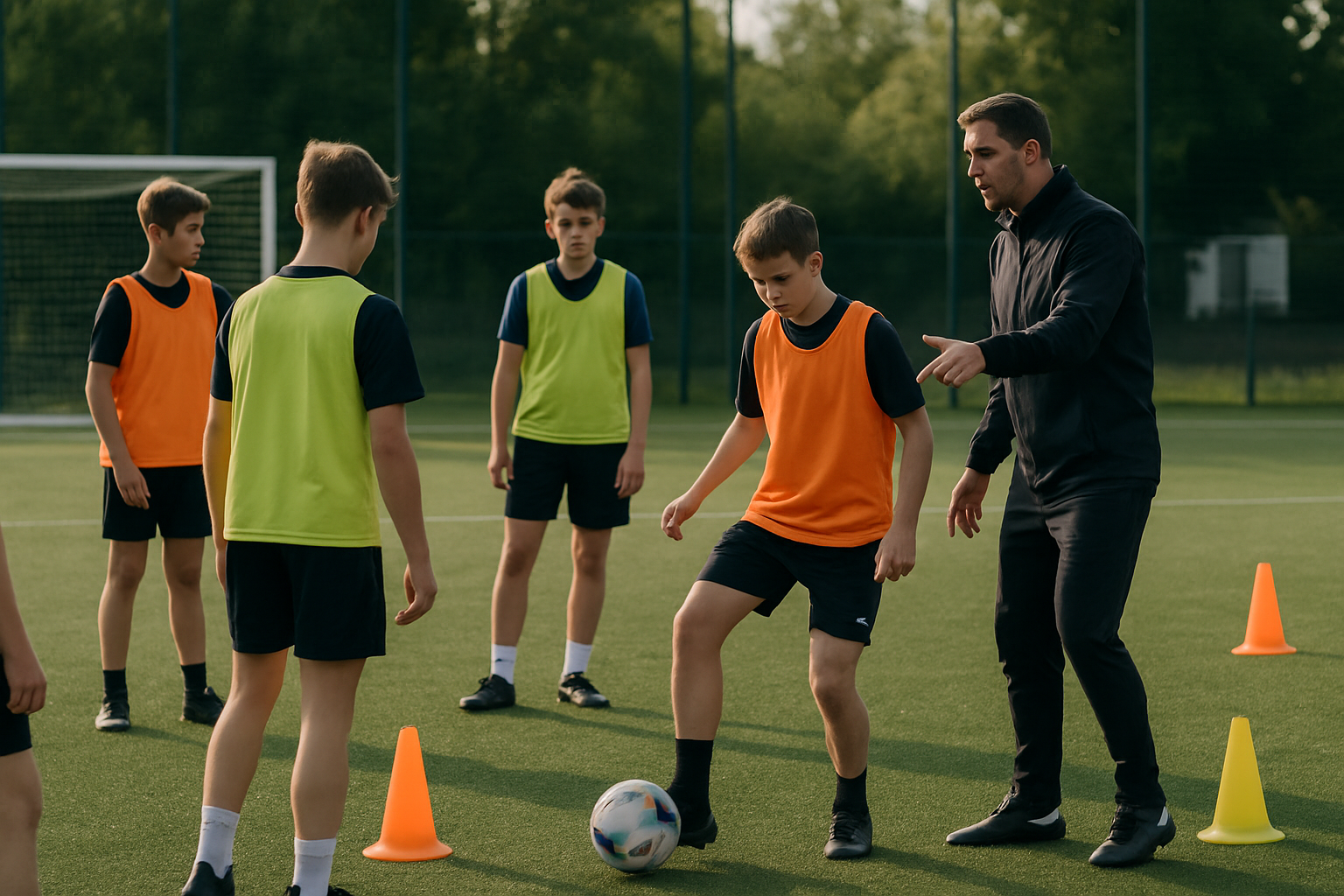
Training often focuses on immediate performance and repetition of skills, while development targets sustainable growth, including decision-making and mental strength. Training sessions might drill passing or shooting patterns, but development programs foster understanding on when and why to use these skills.
In grassroots football environments, this means moving beyond isolated drills toward football skill enhancement strategies that integrate technical, tactical, physical, and psychological aspects. Effective football coaching methods should emphasize learning environments where players reflect on performance and receive specific feedback.
Core Components of Football Player Development Programs
A well-rounded player development program includes structured training sessions, consistent player assessment, mental and physical preparation, and recovery strategies. For example, youth academies that track skill improvement and training load can plan progression realistically.
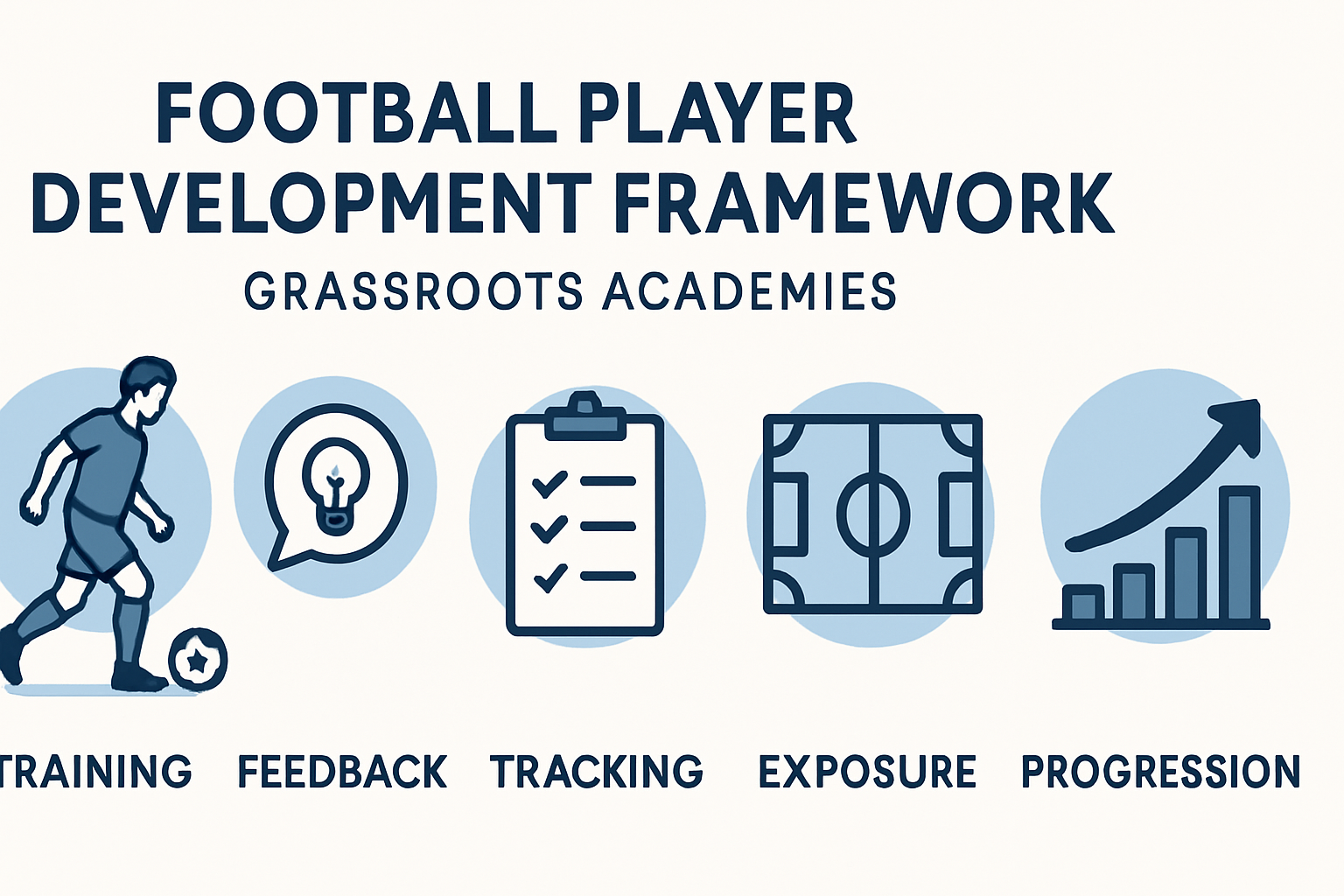
Incorporating feedback loops lets players understand their growth areas. Using frameworks like Training → Feedback → Tracking → Exposure → Progression creates a clear path for young talent and helps coaches adapt sessions individually.
Practical Implementation for Grassroots Clubs
Grassroots clubs can start by adopting clear football academy development plans that prioritize player growth over short-term results. This includes scheduling age-appropriate drills that develop technique and decision-making skills under varied conditions.
Additionally, coaches should integrate recovery practices and mental resilience training appropriate for youth players. Using tools for player development tracking can help maintain consistent, transparent progress and support communication with parents about each player’s journey.
Common Development Mistakes
One major mistake is prioritizing match results at the expense of development, which can lead to burnout or plateauing skills. Coaches who rely too heavily on repetitive drills without context may fail to improve players’ football IQ or adaptability.
Also, neglecting structured feedback and tracking progress limits a player’s ability to understand their strengths and weaknesses. Without this insight, players and parents can miss opportunities to focus on important areas like discipline, recovery, or decision-making refinement.
Development is about consistent growth, not quick fixes or instant results.
Encouraging Long-Term Player Development in Football
Long-term player development in football means nurturing habits and a mindset that supports continual learning and resilience. Academies should embed values of patience and persistence, emphasizing each training session as a step forward rather than a final goal.
This approach promotes sustained improvement and adaptation from U10 all the way through U21 levels. Players trained in this system will be better prepared for competitive pressures and technical challenges ahead.
Integrating Technology and Structured Workflows
Modern grassroots academies benefit from football performance analysis and player development tracking tools that organize data from training and matches. These help coaches tailor sessions and monitor individual workloads effectively.
Academy workflows that include clear schedules, training objectives, and communication with players and parents create a transparent environment. This supports players in understanding their development stages and next steps.
Conclusion
Effective football player development programs require clubs and coaches to go beyond rote training to embrace structured growth pathways. This means focusing not just on skills but on the player’s overall progress—physically, mentally, and tactically—through consistent feedback and thoughtful planning. With this holistic approach, academies empower players to reach their full potential, increasing their long-term chances of success and enjoyment in football. A development-first mindset, combined with modern tracking and coaching methods, forms the backbone of lasting player improvement that respects individual needs and context. This thoughtful model is what separates true football development from mere training.
What are the key elements of a football player development program?
Key elements include structured training, player assessment, mental and physical preparation, recovery, and consistent feedback.
How can grassroots academies track player progress effectively?
By using tools that monitor skill growth, training loads, and match performance, combined with regular feedback sessions.
Why is long-term player development important in youth football?
It builds sustainable skills, decision-making, and resilience, preparing players for higher-level challenges over time.
How should coaches balance training and development in youth football?
Coaches should focus on integrating skill practice with understanding game context, mental growth, and physical readiness.


Related Articles
 Read More about From Grassroots to Professional: Understanding the Football Player Development Pathway
From Grassroots to Professional: Understanding the Football Player Development Pathway
Latest Articles
 Read More about How Sports Academies Can Reduce Admin Work for Coaches
How Sports Academies Can Reduce Admin Work for Coaches
 Read More about How to Build Age-Wise Player Development Pathways in Football and Cricket
How to Build Age-Wise Player Development Pathways in Football and Cricket
 Read More about Tournament Management Software for Football and Cricket Organizers: A Practical Guide
Tournament Management Software for Football and Cricket Organizers: A Practical Guide
Ready to Bring Structure to Your Academy?
Let’s walk through your current setup and show you how 8lete can improve it.


