



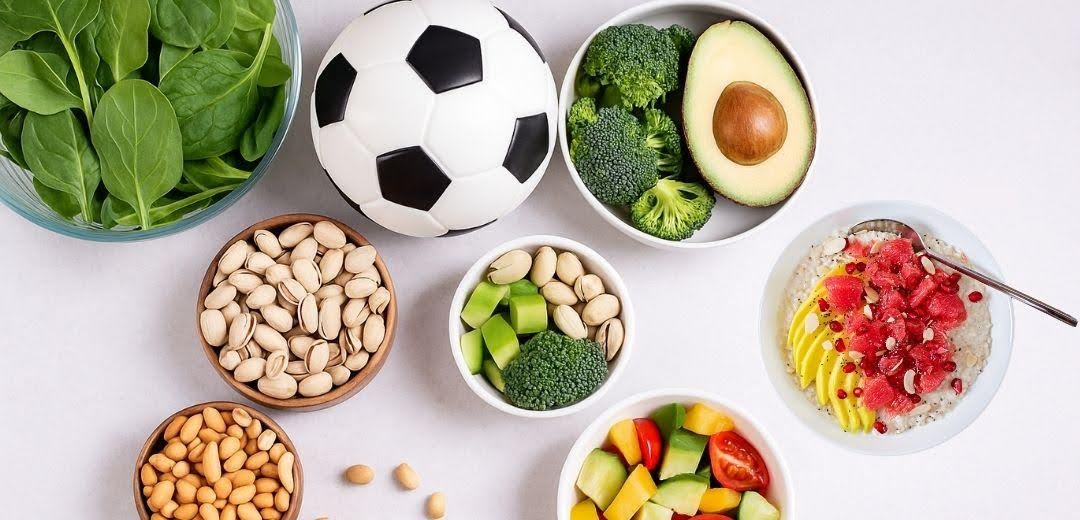
Best Football Club Nutrition Plans for 2025
Do your players feel tired towards the end of training or matches?
Many clubs face this. Meal planning often gets ignored when budgets or time are tight. But it makes a huge difference. Football nutrition trends are changing in India and worldwide. Clubs now must focus more on balanced meals than quick fixes.
A study showed that 69.9% of North Indian athletes aged 18-45 years had vitamin D deficiency, which lowers stamina, delays recovery, and reduces focus.For your club, structured football club nutrition plans can build fitter, sharper, and more confident squads.
In this guide, you will learn simple meal ideas, hydration tips, pre and post-match meals, and how clubs can build healthier routines for every age group.
TL;DR
Let’s quickly go over the key points covered in this blog.
Balanced Macronutrients & Hydration: Ensure meals include carbs, protein, and healthy fats while maintaining proper hydration, especially before and after training or matches.
Tailored Plans for Age Groups: Nutrition varies for under-10s, under-16s, and adults, with a focus on growth, performance, and recovery for each group.
Common Mistakes to Avoid: Skipping breakfast, poor hydration routines, and reliance on packaged snacks can derail nutrition efforts, affecting performance and recovery.
Simple Implementation Tips: Educate players and parents, use digital reminders, and celebrate healthy habits to integrate nutrition plans into everyday routines.
8lete’s Role: 8lete’s tools help manage player profiles, track performance, and provide a structured system to improve nutrition and health management in your club.
Why do Football Club Nutrition Plans Matter?
Football Club Nutrition Plans are not just for elite teams. They shape player performance, recovery, and long-term health at every level. A good diet builds stronger muscles, sharper focus, and faster recovery. It also prevents common issues like fatigue, cramps, and injuries.
Many grassroots clubs miss this focus. Players often skip meals, eat junk food before training, or lack hydration. It lowers energy and affects confidence during matches. For youth, amateur, and semi-professional players, structured nutrition can be the difference between giving up early or progressing confidently.
Football Club Nutrition Plans support better growth, fewer injuries, and smarter training gains. They help clubs maintain consistency in match readiness.
If you want your club to build healthier, more confident squads, start by knowing the key components of effective nutrition plans that make a real difference.
Key Components of Effective Football Club Nutrition Plans

Good Football Club Nutrition Plans include more than calorie counts. They build habits that support energy, focus, and recovery. Small clubs often skip detailed planning, but structured diets improve performance and health.
Here are the main components your club should include:
Balanced macronutrients: Every plan must balance carbs for energy, protein for muscle repair, and healthy fats for stamina. For example, rice or roti with dal and vegetables offers carbs and protein, while nuts or seeds add healthy fats.
Hydration planning: Players need water before, during, and after matches. Dehydration reduces focus and power. Encourage kids to carry personal bottles. Add electrolytes during summer training.
Vitamins and minerals: These keep immunity strong and support faster recovery. Local vegetables, seasonal fruits, and dairy provide calcium, iron, and vitamins needed for growth.
Pre-training and post-training meals: Before training, light meals like banana and peanut butter toast help. Post-training meals should include protein, such as paneer rolls or eggs with roti, to aid recovery.
Example weekly plan snippet: After discussion with a reputed dietician, you can plan the weekly schedule.
For instance, Monday: Rice, dal, salad lunch; evening training snack – banana + milk.
Tuesday: Roti, sabzi, curd lunch; pre-training – boiled egg + fruit. Such plans ensure variety and balance.
Football Club Nutrition Plans like these keep your squads healthy, sharp, and ready. Now, let's understand how nutrition differs across age groups and training levels to plan smarter.
Nutrition Plans for Different Age Groups

Football Club Nutrition Plans must suit each age group's needs. Kids, teens, and adults have different growth, training, and recovery demands. Female players also need personalised support for energy balance and bone health. Planning with age in mind keeps every player safe, strong, and focused.
Here is what you must consider:
Under-10s: building healthy food habits: Young kids need simple, home-cooked meals with carbs, protein, and healthy fats.
Example: Roti with ghee and dal, curd rice with vegetables, or boiled eggs with toast. Encourage fruit snacks over chips to build natural food choices early.
Under-16s: supporting growth and training load: Teens train harder while their bodies grow fast. They need higher protein and calcium.
Example: Paneer paratha with curd for breakfast, rice and chicken curry for lunch, milk or peanut chikki as snacks. Hydration is also key to managing longer sessions.
Adults: peak performance and body composition: Adult players aim for strength, agility, and endurance. Meals should balance energy intake with training.
Example: Oats with nuts in the morning, rice or quinoa bowls with dal and sabzi for lunch, eggs or grilled fish for dinner. Avoid fried foods and excess sugar.
Notes on personalising for female teams: Girls and women need iron-rich foods to support menstruation and prevent fatigue.
Examples include spinach, rajma, chickpeas, and ragi. Adding vitamin C sources like lemon or amla helps iron absorption. Dairy ensures strong bones to reduce injury risks.
Note: Always consult with your dietician before recommending meal plans to athletes.
Football Club Nutrition Plans built for each age group help clubs maintain strong, confident squads. Now, let's learn about common nutrition mistakes that can derail your planning efforts.
Common Nutrition Mistakes in Grassroots Football
Even the best Football Club Nutrition Plans fail when small mistakes become routine. Many grassroots clubs focus on drills and tactics but ignore basic nutrition practises. It affects player energy, focus, and injury recovery.
Avoiding these following mistakes helps every club build stronger, healthier squads.
Skipping breakfast before matches: Many kids arrive without eating due to early kick-offs. It drains energy by half-time. Suggest light meals like bananas, boiled eggs, or peanut butter toast eaten at home or carried to the ground.
Poor hydration routines: Players often drink only when thirsty, leading to fatigue or cramps. Clubs should ensure regular water breaks and teach kids to drink small amounts every 15-20 minutes during training or matches.
Overreliance on packaged snacks: Chips, biscuits, and energy drinks are common quick fixes but lack nutrients. Swap with fruit, dry fruits, or homemade chikki to provide natural energy and minerals without unhealthy fats or sugars.
Ignoring recovery meals: Post-training meals help rebuild muscles. Kids rushing home without food delay recovery. Encourage easy snacks like milk, paneer sandwiches, or sprouts within 30 minutes of sessions.
No planning for matchdays: Many clubs lack simple matchday food plans. Players end up eating street food after matches. Clubs should advise parents on safe, clean, and energising food to carry for away games.
Football Club Nutrition Plans only work when clubs implement them daily with simple steps. Now, let's discuss how managers and coaches can integrate these plans to support player health and performance.
Tips to Implement Football Club Nutrition Plans

The best Football Club Nutrition Plans remain words on paper if not used well. Clubs often face barriers like busy schedules, limited funds, and lack of guidance. Yet small, regular actions can build strong habits across your teams and age groups.
Here are a few tips for coaches and managers to implement the plans:
Educate players and parents with short sessions: Hold monthly 15-minute talks before training. Explain why hydration, fruit, and balanced meals matter. Invite parents, too. It creates shared responsibility at home and ensures your nutrition plans are practised daily, not just on match days.
Simple meal prep ideas for match days: Provide easy meal suggestions that parents can pack. For example, add roti rolls with paneer or egg, banana with peanuts, or curd rice. These are cheap, quick, and energy-rich options to keep kids fuelled before and after games.
Partnering with local nutritionists or dietitians: Many professionals offer affordable talks for schools and clubs. Invite one to discuss football club nutrition plans suited to your teams. It builds credibility, clears doubts, and creates community trust around your club's training programmes.
Using digital reminders for hydration and meals: Send WhatsApp reminders before training and matches about what to eat or drink.
For example: "Bring your water bottle today + eat a light fruit snack 30 mins before training." Consistent cues build automatic habits in kids.
Track progress and celebrate efforts: Use your club records to note attendance and energy levels. Celebrate kids who follow good routines.
For example, announce a "Nutrition Star of the Week." Positive attention builds peer learning and consistency across the squad.
Strong Football Club Nutrition Plans require simple, structured execution to see real impact. Next, let's understand how 8lete helps your club track, plan, and improve nutrition routines easily.
How 8lete Supports Football Club Nutrition and Health Management?
Football Club Nutrition Plans only work when clubs track, plan, and adjust regularly. Many grassroots teams struggle to maintain records or monitor player health consistently. The 8lete club ecosystem helps simplify this process so you can focus on coaching and development with confidence.
Here's how 8lete supports your Football Club Nutrition Plans and overall health management:
Player Roster Management: Keep detailed player profiles with attendance, diet preferences, or supplement needs. It helps coaches customise football club nutrition plans to suit each player's growth and training goals.
Match Coordination: Schedule matches, training sessions, and logistics from one interface. Clubs can inform parents about pre-match snacks or post-match meals, ensuring energy levels remain high for better performance.
Analytics Tools: Track player performance data and connect training data with diet changes to see what works best. It builds informed football club nutrition plans for each squad and age group.
Reputation Builder: Showcase your club's focus on digital presence and structured player management. Verified data builds credibility with parents and organisers, making your club a trusted choice for developing well-rounded, healthy athletes.
Strong systems support better planning, safer routines, and healthier players.
Conclusion
Good football needs more than just tactics and talent. Behind every consistent performance is a well-fed, well-prepared player. That's why football club nutrition plans matter, not just for match day but for training, recovery, and long-term development.
If your club wants fitter players, fewer injuries, and better focus, it starts with reviewing what goes on their plate. From weekly food habits to hydration routines, small changes can lead to stronger results on the pitch.
Explore 8lete today for health and performance tools designed to help your club manage nutrition better because strong teams are built with strong habits.
Related Articles
 Read More about Top 10 Football Club Team Building Strategies for Success
Top 10 Football Club Team Building Strategies for Success
 Read More about Grassroots Football Clubs and Their Role
Grassroots Football Clubs and Their Role
 Read More about Top 10 Football Club Advertising Strategies for 2025
Top 10 Football Club Advertising Strategies for 2025
Latest Articles
 Read More about How Sports Academies Can Reduce Admin Work for Coaches
How Sports Academies Can Reduce Admin Work for Coaches
 Read More about How to Build Age-Wise Player Development Pathways in Football and Cricket
How to Build Age-Wise Player Development Pathways in Football and Cricket
 Read More about Tournament Management Software for Football and Cricket Organizers: A Practical Guide
Tournament Management Software for Football and Cricket Organizers: A Practical Guide
Ready to Bring Structure to Your Academy?
Let’s walk through your current setup and show you how 8lete can improve it.


