



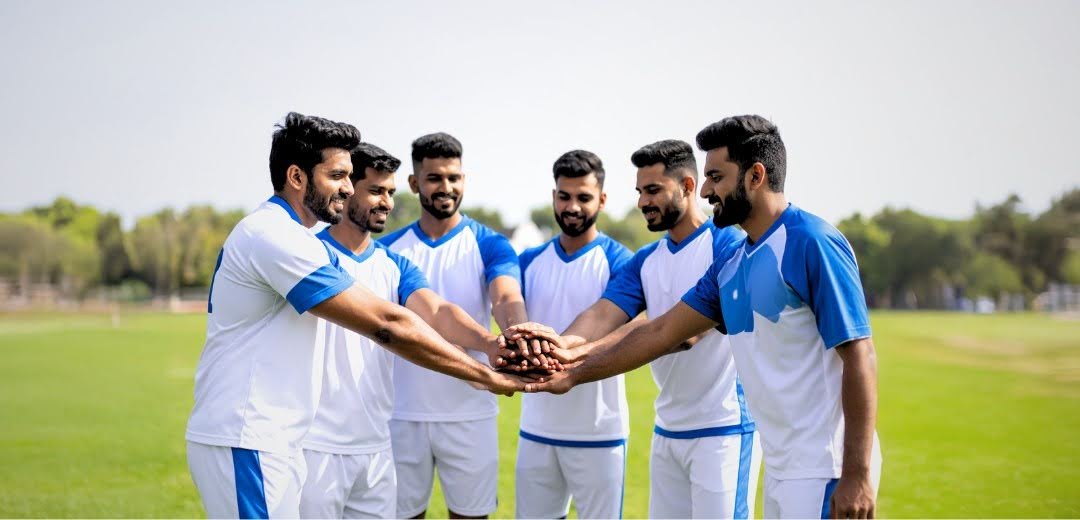
Must-Try Team-Building Drills for Your Football Club
Building a successful football team is about how well your players work together. Many grassroots clubs struggle with communication, trust, and teamwork, which can hinder performance on the field. A study on youth soccer found that intrateam communication is a significant predictor of both task and social cohesion, accounting for up to 40% of the variance in task cohesion and 27% in social cohesion.
As a club manager, you likely know how challenging it can be to bring players together, especially when they're still learning to trust each other and communicate effectively. It can be tough, but fostering that connection is key to helping your team grow and succeed.
Here’s a guide to team-building drills that will enhance communication, trust, and teamwork, giving your players the foundation they need to perform better as a united group. Let's get into these effective drills that can strengthen your team.
TL;DR
This article presents essential team-building drills to improve communication, trust, and teamwork in your football club.
Pass and Move Drill: Boosts communication and team chemistry through continuous movement.
Rondo: Enhances quick decision-making and possession skills under pressure.
Crossing and Finishing Drill: Strengthens attacking play with coordinated timing between midfielders and strikers.
Defensive Pairing Drill: Improves defensive coordination and communication.
Trust-building Drills: Exercises like the Blindfolded Obstacle Course and Tug of War strengthen team unity and collaboration.
Pass and Move Drill: Enhancing Team Chemistry

Every successful team knows the power of fluid, continuous movement. The Pass and Move drill is designed to sharpen communication, spatial awareness, and team synchronisation. In this drill, players practise passing while maintaining movement, ensuring they're always in a position to support one another.
Key Elements: Players pass the ball to a teammate and immediately move to an open space. It's all about anticipating where the next pass will go and positioning yourself to receive it.
Benefits: This drill builds chemistry, as players learn to anticipate their teammates' actions. Over time, it fosters a sense of trust and unity that translates directly to match-day success.
How to Do It
Focus on improving communication and movement by having players pass the ball while continuously moving to new positions.
Organise the players into pairs or small groups. Each player should be positioned in a way that they are always within passing range of one another.
Start by having players pass the ball back and forth while moving to a new position after each pass.
Gradually increase the speed as players become more comfortable with the movement and passing.
How Much to Do:
Begin with 10-15 minutes of passing and moving in a controlled environment.
Gradually increase the duration as players become more proficient, aiming for at least 20-30 minutes in total.
This drill can be part of your team's warm-up or included in the middle of a session as a focus on teamwork
Rondo: Quick Decision Making Under Pressure
Rondo is a classic possession game that's a fan favourite for good reason. It improves quick decision-making and forces players to think on their feet, particularly under pressure. The drill is simple: players form a circle, and the defenders in the middle try to win the ball while those on the outside pass it around.
Key Elements: The outer players must maintain possession while avoiding being caught by the defenders in the middle. It's a game of speed, awareness, and communication.
Benefits: Rondo helps players become more comfortable with the ball under pressure. It also sharpens their communication skills as they need to continuously talk to one another to maintain possession.
How to Do It
To run the Rondo drill, focus on quick ball movement and decision-making as players pass the ball while avoiding defenders in the middle.
Divide the players into three teams: two teams form a circle, and the third team defends in the middle.
The outer players pass the ball to each other while trying to avoid the defenders.
The defenders aim to intercept the ball and pass it to their teammates.
How Much to Do:
Start with short rounds, about 2-3 minutes per turn for each group of defenders.
Allow the defenders to rotate frequently to keep the game engaging.
This drill works well as part of a possession-focused session or as a quick intensity builder in between exercises.
Crossing and Finishing Drill: Perfecting Teamwork in Attack

Good attacking play requires more than just individual skill; it demands coordinated movement and perfect timing. In this drill, players focus on creating and converting crossing opportunities with seamless teamwork between midfielders and strikers.
Key Elements: Players work together to deliver crosses and finish them off with clinical strikes. This drill requires precise timing and coordination between players in different positions.
Benefits: This exercise builds trust and on-field synergy between strikers and midfielders. The more often these drills are practised, the more instinctively players will work together in a match.
How to Do It
To improve attacking play, focus on creating crossing and finishing opportunities with well-coordinated teamwork between wingers and strikers.
Set up a crossing zone with wingers positioned at the edge of the penalty area, and strikers at different locations within the box.
The wingers will cross the ball to the strikers, who will then attempt to score with various finishing techniques (headers, volleys, etc.).
Rotate positions to ensure that all players get a chance to cross and finish.
How Much to Do:
Start with 10-15 minutes of crossing and finishing, with about 5 minutes of recovery in between.
Aim for at least 20-30 minutes of focused practise once players are comfortable.
This is an excellent drill for the middle of your session, where players can focus on attacking and connecting passes.
Defensive Pairing Drill: Strengthening Defensive Partnerships
A solid defence is built on communication and trust. The Defensive Pairing Drill allows defenders to build a better understanding and coordination. In pairs, defenders work through various challenges, focusing on clearances, interceptions, and overall defensive positioning.
Key Elements: Defenders pair up and face off against attackers. The challenge is to work as a unit, maintaining tight marking and communication, to prevent goals.
Benefits: This drill improves defensive technique and builds a solid partnership between players, allowing them to cover for each other during match situations.
How to Do It
Focus on building defensive coordination and communication by having defenders work together to stop an attacker.
Pair defenders together and set up an attacking player in front of them.
The defensive pair must communicate and work together to prevent the attacking player from scoring.
Rotate roles so defenders experience both defending and attacking positions.
How Much to Do:
Focus on 5-10 minutes of paired defensive work, followed by a brief rest.
Increase the difficulty by adding more attackers or reducing space.
This is perfect to include in your defensive training sessions or at the end of a practise to reinforce concepts.
Blindfolded Obstacle Course & Minefield: Trust-Building Drills
In football, success is about trust and communication between teammates. Both the Blindfolded Obstacle Course and Minefield drills are designed to enhance these qualities, fostering better teamwork and connection. In these exercises, one player is blindfolded while their partner guides them through an obstacle course or minefield using only verbal instructions.
Key Elements: One player is blindfolded and relies on their partner’s clear, concise instructions to navigate obstacles and complete the course.
Benefits: Builds trust and emphasizes the importance of effective communication, helping players gain confidence in each other’s instructions during high-pressure situations on the field.
How to Do It
To improve communication and trust, guide players through obstacle courses or minefields while relying on verbal instructions.
Blindfolded Obstacle Course: Set up a simple obstacle course using cones or other obstacles. One player is blindfolded, and their partner gives verbal instructions to guide them through the course.
Minefield: Set up a "minefield" with cones, balls, or other obstacles. The blindfolded player navigates the minefield with the help of their partner’s instructions.
How Much to Do:
Begin with 5-10 minutes of guided navigation per pair for each drill.
Rotate roles to give everyone a chance to lead and follow.
Increase the complexity of the course as players become more confident in their communication skills.
Both drills are perfect for icebreakers or team-building exercises at the start of a session, helping build stronger connections and communication within your team.
Want to strengthen your team both on and off the field? Build a stronger team with 8lete's tools to track player progress and simplify team management. Learn more about 8lete for clubs.
Tug of War: Strengthening Team Unity

Sometimes, it's not just about skill, but collective strength. The Tug of War drill reinforces the importance of teamwork and coordination. Players engage in a game requiring strategy, unity, and collective effort to pull the opposing team over a designated line.
Key Elements: Teams pull in unison, working together to out-muscle the opposition.
Benefits: This activity builds team morale, reinforces trust, and strengthens the bonds between players, reminding them that success is always a team effort.
How to Do It
Build team unity and strength by having players work together to pull the opposing team across a set line.
Split the players into two teams. Each team grabs one end of the rope, pulling in the opposite direction.
Set a line or marker, and the goal is to pull the opposing team past the line.
Keep the activity fun and engaging with 3-5 rounds, ensuring each player participates.
How Much to Do:
Focus on 3-5 rounds of Tug of War, allowing each player to take part and contribute to the team effort.
Keep the rounds short to maintain energy levels and make it competitive.
Tug of War is a great end-of-session drill to energise the team and bring out a competitive spirit. It's perfect for rounding off a session or building morale after a challenging workout.
Back-to-Back Drawing: Fostering Clear Communication
Communication is the key to successful teamwork. The Back-to-Back Drawing drill challenges players to describe an image to their teammate, who must draw it without looking. This helps develop clearer communication and strengthens their ability to give precise, understandable instructions.
Key Elements: One player describes an image while their partner, sitting back-to-back, draws it.
Benefits: This drill builds patience, clarity in communication, and teamwork. The more players practise, the more efficient their instructions will become during actual matches.
How to Do It
Improve communication and clarity by having players describe and draw an image without seeing each other’s work.
Choose an image or a simple shape for the players to describe and draw.
Players must communicate the image without looking at each other, providing clear instructions.
How Much to Do:
Limit the drawing time to 2-3 minutes per round.
Rotate pairs so all players get the chance to both describe and draw.
This is a fun exercise for lightening the mood, so incorporate it after a serious drill or as part of a team-building session.
Human Knot: Problem-Solving Through Teamwork
The Human Knot drill requires players to work together to untangle themselves from a circle of intertwined hands. It’s a fun and creative way to build unity and teamwork through problem-solving.
Key Elements: Players form a circle and grab hands with two different people across the circle. The challenge is to untangle themselves without letting go of each other’s hands.
Benefits: This activity enhances patience, trust, and communication, all vital components for successful teamwork.
How to Do It
Enhance teamwork and problem-solving by having players work together to untangle themselves without letting go of hands.
Have players form a circle and grab hands with two other players across from them.
The team must work together to untangle themselves without letting go of hands.
How Much to Do:
Spend 5-10 minutes per round, depending on how quickly your players can untangle themselves.
Repeat the exercise 2-3 times, allowing players to refine their communication and coordination.
This drill works well as a fun icebreaker or as part of a team-building session to foster collaboration and unity among players.
Sports Relay Races: Encouraging Friendly Competition

Finally, Sports Relay Races bring some healthy competition into the mix. Teams race against each other while incorporating football-specific skills such as dribbling, passing, and shooting.
Key Elements: Teams compete in a relay-style race with football-related tasks to complete before passing the baton.
Benefits: This drill encourages teamwork, competitive spirit, and skill development in a fun, fast-paced environment.
How to Do It
Promote teamwork and skill development by having players compete in a relay-style race, focusing on football-specific tasks.
Organise teams and set up a relay course with different football skills required at each station.
Teams take turns completing each section of the course before passing the baton to the next player.
How Much to Do:
Limit each relay to 5-10 minutes for a fun, competitive boost.
Repeat 2-3 rounds to keep players engaged.
This is a great activity for the end of a session, allowing players to blow off steam and reinforce the importance of teamwork in a competitive context.
As your team improves with these drills, effective club management becomes key to long-term success. 8lete’s platform provides everything you need to assess players, track progress, and connect your club with top-tier football networks.
Overcoming Challenges in Team-Building Drills
While team-building drills offer great benefits, there are some common challenges that may arise. Understanding these obstacles and knowing how to address them can help ensure the drills are effective and enjoyable for everyone.
1. Building Trust Among Players
It’s crucial to establish trust for these drills to work, but sometimes it takes time for players to feel comfortable.
Challenge: Some players may struggle to trust their teammates, especially in drills that require close collaboration and guidance.
Solution: Begin with simpler drills to gradually build trust. Encourage open communication and remind players that these exercises are about growing together as a team. Gradually introduce more complex drills once players feel more comfortable.
2. Clear Communication
Effective communication is the foundation of these drills, and it’s important that players know how to convey their instructions clearly.
Challenge: In trust-building drills, unclear or vague instructions can hinder progress and create frustration.
Solution: Coach players on the importance of using specific, direct language. Practice effective communication in a relaxed setting before moving into more challenging drills. Reinforce clarity and precision in all instructions.
3. Adjusting to the Drill
New exercises can feel overwhelming, so it's essential to make the process comfortable for all players.
Challenge: Players who are new to these types of exercises may feel overwhelmed, particularly when navigating blindfolded or relying on their partner’s directions.
Solution: Keep the atmosphere light and supportive, allowing players time to adjust to the drills without pressure.
8lete club's Player Assessment service helps coaches track progress and provide tailored support, ensuring players receive the guidance they need to grow and succeed at their own pace.
4. Unequal Participation
To ensure the drill's effectiveness, everyone needs to be equally involved and engaged.
Challenge: If one player takes control or some players don't fully engage, it can affect the balance and learning outcomes of the drill.
Solution: Rotate roles regularly to ensure everyone is both guiding and following. Keep the pace dynamic to ensure each player feels involved and valued.
8lete club’s Player Attendance Reports track participation, helping you spot and address any engagement issues.
By acknowledging these challenges and proactively addressing them, you'll help create an environment where all players can thrive and benefit from the team-building experience.
8lete's club management tools can help your club streamline operations, track player progress, and foster better communication, making it easier to handle team-building exercises and more.
Conclusion
These drills are just the start of what can be a rewarding journey for your football club. By focusing on teamwork, communication, and trust, you'll build a team that's ready to tackle any challenge on the field. Every drill not only improves individual skills but also strengthens team chemistry, which can be the difference between a win and a loss.
For football clubs, 8lete helps streamline your operations and improve team management. From coordinating with coaches and organising tournaments to tracking player progress, 8lete provides the tools you need to keep everything running smoothly. With the right tools, your club can focus on developing players and achieving success as a team.
Looking to improve your club’s performance? See how 8lete can simplify your operations and help your athletes reach their full potential. Contact us today.
FAQs
1. What are some effective football drills to improve team communication?
Drills like Pass and Move and Rondo are great for improving communication on the field. These drills emphasise passing, decision-making under pressure, and maintaining spatial awareness, all of which are crucial for successful team play.
2. How can we improve quick decision-making during training sessions?
The Rondo drill is particularly effective for this. It forces players to make quick decisions under pressure while maintaining possession and teamwork. The rapid pace helps players think fast and react quicker during actual matches.
3. How often should we practise attacking drills, like crossing and finishing?
Attacking drills such as Crossing and Finishing should be practised regularly, ideally 1-2 times per week, depending on the team's focus. Consistency is key to improving timing, movement, and synergy between strikers and midfielders.
4. What are the benefits of incorporating trust-building drills like the Blindfolded Obstacle Course?
Trust-building drills enhance communication and confidence among players. They improve teamwork and help players build mutual trust, which is essential for success during high-pressure moments in a match.
5. How can we effectively track our players’ progress in these drills?
Regular feedback and observation are crucial. Coaches should note individual performance during drills, and using tools like video analysis or performance metrics can help track improvement.
.jpg)
Related Articles
 Read More about Best Football Club Nutrition Plans for 2025
Best Football Club Nutrition Plans for 2025
 Read More about Top 10 Football Club Team Building Strategies for Success
Top 10 Football Club Team Building Strategies for Success
 Read More about Grassroots Football Clubs and Their Role
Grassroots Football Clubs and Their Role
Latest Articles
 Read More about How Sports Academies Can Reduce Admin Work for Coaches
How Sports Academies Can Reduce Admin Work for Coaches
 Read More about How to Build Age-Wise Player Development Pathways in Football and Cricket
How to Build Age-Wise Player Development Pathways in Football and Cricket
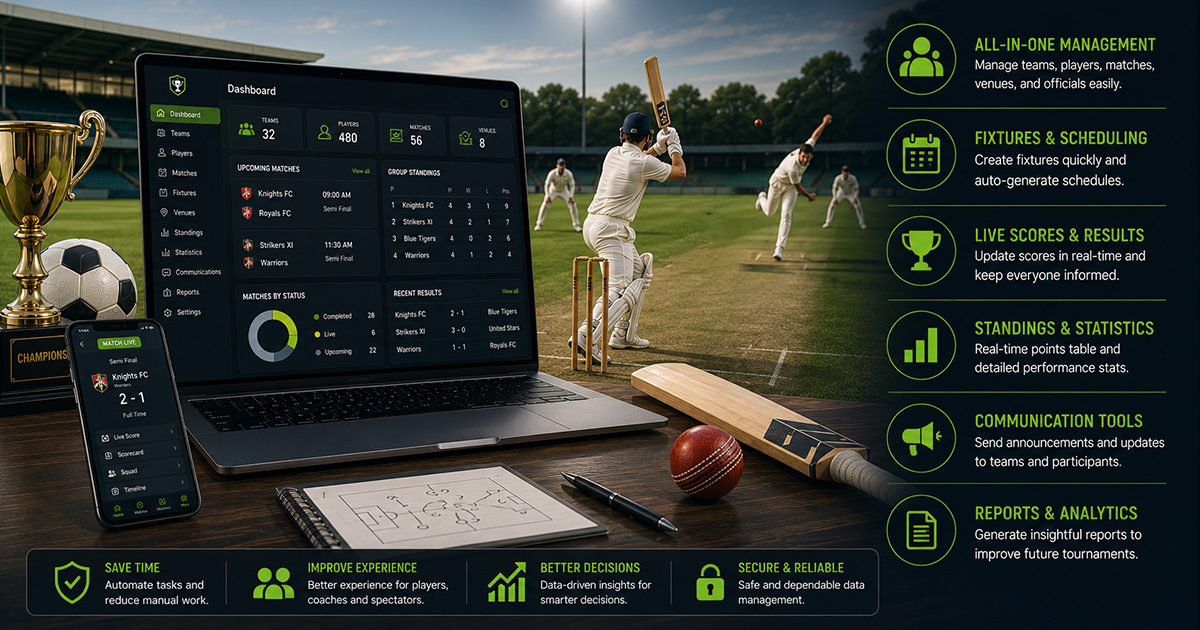 Read More about Tournament Management Software for Football and Cricket Organizers: A Practical Guide
Tournament Management Software for Football and Cricket Organizers: A Practical Guide
Ready to Bring Structure to Your Academy?
Let’s walk through your current setup and show you how 8lete can improve it.


