




Football Training Periodization for Youth Players: A Simple Framework
Youth football development often struggles with unstructured training schedules that fail to account for physical, psychological, and tactical growth phases, leading to burnout or stagnation.
Understanding training periodization
Training periodization is a methodical approach to organizing training loads over time, emphasizing planned variability and gradual progression to optimize performance and development.
For youth players, this means structuring sessions to balance intensity, recovery, and skill acquisition while avoiding overload, which can hinder both physical and mental growth in a systematic manner that respects age-specific needs.
The importance of age-specific design
Effective periodization recognizes distinct developmental stages: from early skill exposure in U10s to tactical and physical complexity in U21s, aligning training focus with the biologically appropriate capacities of young athletes.
Implementing a periodized plan requires coaches to adapt workloads and learning objectives as players mature, maintaining a development-first mindset rather than prematurely prioritizing competition results.
Balancing physical and mental load
A core principle of periodization for youth football is managing both physical fatigue and mental stress, as excessive or poorly timed training can impair skill retention and motivation.
This requires strategic rest phases and lighter sessions integrated with focused technical and tactical training to ensure players sustain engagement without risking burnout or injury.
Structuring macro, meso, and microcycles
Periodization frameworks operate on three main cycles: macrocycles (annual), mesocycles (monthly), and microcycles (weekly), each with defined targets aligned to long-term development.
Coaches can plan gradual skill complexity and conditioning loads in mesocycles, while microcycles fine-tune weekly session content, balancing challenge and recovery to promote continuous, measurable progress.
Integrating technical and tactical development
Periodization extends beyond physical training to include planned technical and tactical progressions, ensuring players develop game intelligence alongside physical capacity.
By aligning training themes with the season’s competitive phases, coaches support structured learning that fosters decision-making under varying game conditions, a critical skill as players advance.
Monitoring and adjusting load and recovery
Regular assessment of player response to training using simple metrics and observation is essential to fine-tune workloads and ensure adequate recovery, which are crucial to sustainable development.
This includes tracking players' physical signs like fatigue and psychological states, enabling coaches to make evidence-informed decisions to adjust the plan and maintain an optimal development environment.
Practical implementation for grassroots clubs
Grassroots clubs can start with simple periodization by defining seasonal goals and mapping training themes aligned with player age groups, incorporating structured recovery and focused skill sessions.
Utilizing tools such as session plans, workload trackers, and regular feedback loops help coaches create a more consistent player development pathway, building foundations for long-term success.
Common development mistakes
One frequent error is neglecting recovery and imposing constant high loads, which results in overtraining and reduced learning capacity, undermining long-term player growth.
Another is overemphasis on competition outcomes at young ages, distracting from skill mastery and fostering a short-term mindset, rather than prioritizing steady, holistic development.
Leveraging technology and feedback
Modern tools provide grassroots coaches access to simple technology like GPS trackers and wellness questionnaires that support load monitoring and personalized training adjustments.
Incorporating consistent feedback from players, parents, and coaches fosters a transparent development culture essential for effective periodization and sustainable engagement.
Conclusion
A well-structured training periodization framework is not a luxury but a necessity for youth football development. By adopting a clear, systematic approach that respects biological and psychological growth phases, coaches and clubs can foster sustainable player progress and reduce injury risk. The integration of physical, technical, and tactical elements within planned macro, meso, and microcycles builds a foundation for lifelong football engagement. Equally important is the ability to monitor and adapt based on ongoing feedback, ensuring the training remains appropriate and effective. For grassroots programs aiming to produce well-rounded players, the key is consistent application of these principles coupled with a development-first mindset focused on long-term pathway clarity.

Related Articles
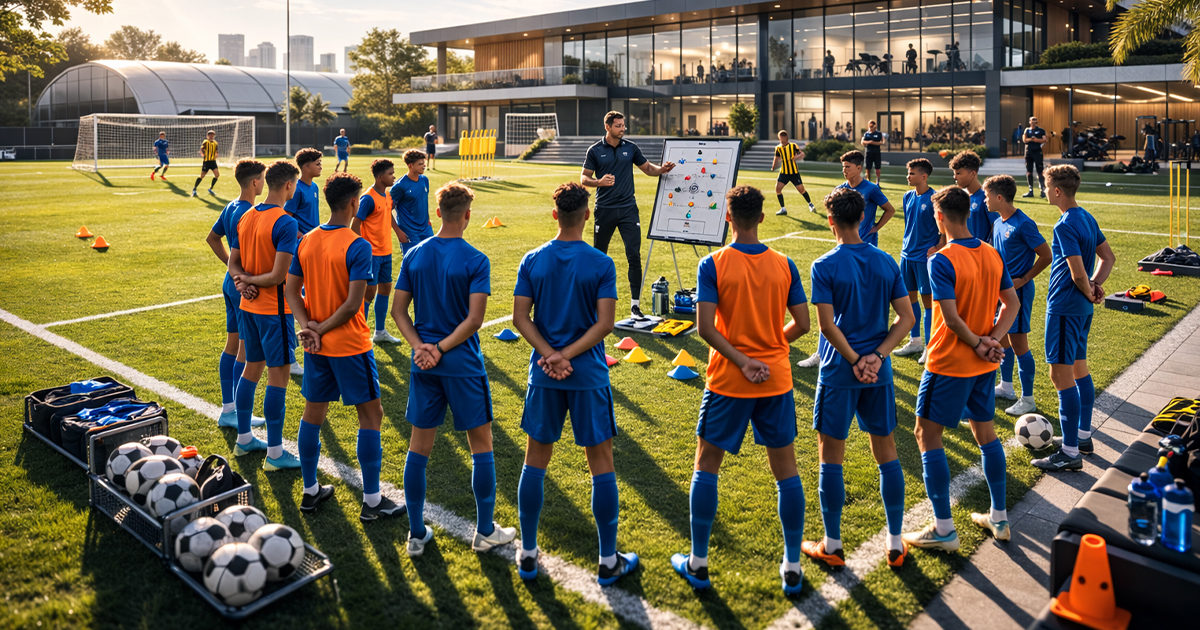 Read More about Grassroots Football Academy Structure: How to Build a Professional Environment
Grassroots Football Academy Structure: How to Build a Professional Environment
 Read More about What Football Scouts Really Look For in Young Players
What Football Scouts Really Look For in Young Players
.jpg) Read More about Football Trials: How Players Can Prepare Physically, Mentally and Tactically
Read More about Football Trials: How Players Can Prepare Physically, Mentally and TacticallyFootball Trials: How Players Can Prepare Physically, Mentally and Tactically
Latest Articles
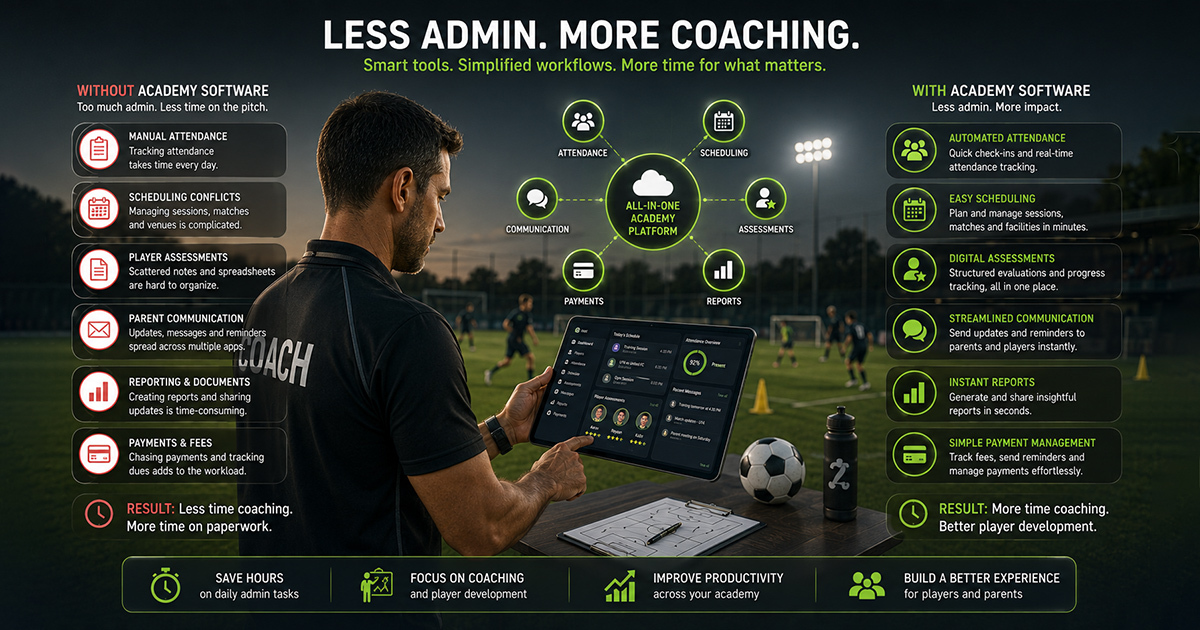 Read More about How Sports Academies Can Reduce Admin Work for Coaches
How Sports Academies Can Reduce Admin Work for Coaches
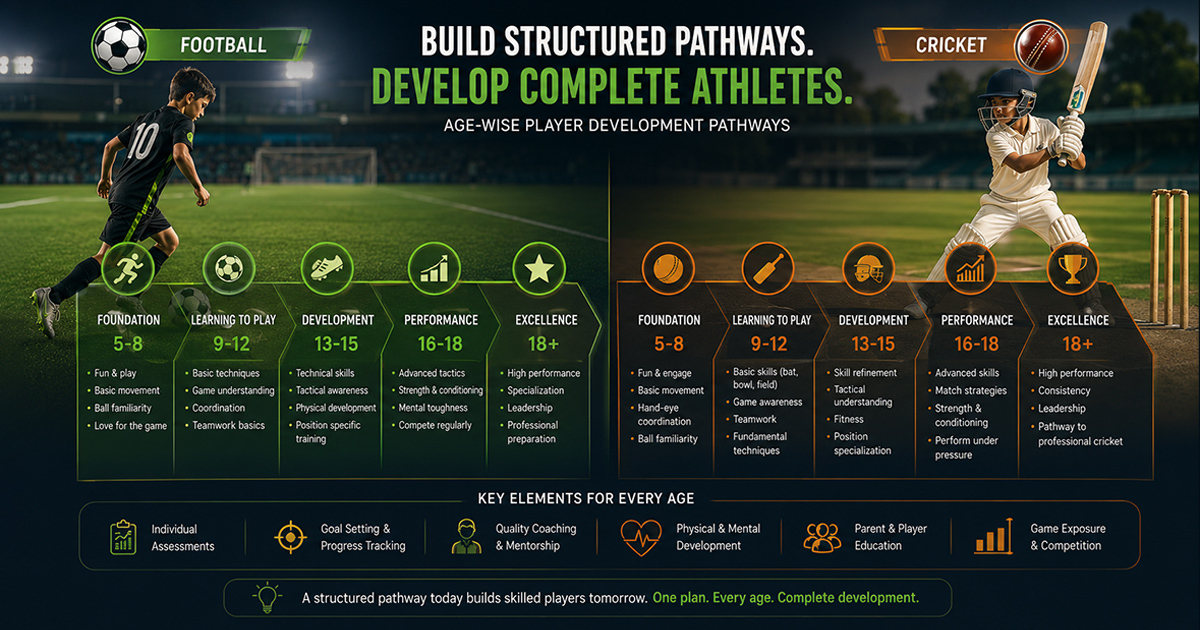 Read More about How to Build Age-Wise Player Development Pathways in Football and Cricket
How to Build Age-Wise Player Development Pathways in Football and Cricket
 Read More about Tournament Management Software for Football and Cricket Organizers: A Practical Guide
Tournament Management Software for Football and Cricket Organizers: A Practical Guide
Ready to Bring Structure to Your Academy?
Let’s walk through your current setup and show you how 8lete can improve it.


