



.jpg)
Football Trials: How Players Can Prepare Physically, Mentally and Tactically
Football trials represent a critical opportunity for young players to showcase their abilities, but without structured preparation, many miss the chance to perform at their best across physical, mental, and tactical dimensions.
The importance of holistic preparation
Trials test not just physical skill but also a player’s mental resilience and tactical awareness. Understanding this triad is essential for any player looking to advance through the grassroots ranks.
Athleticism supports performance, but equally important are the mindset and game intelligence that influence decision-making under pressure. Emphasizing a balanced approach ensures players develop sustainably.
Physical conditioning tailored for trials
Preparing physically means more than raw fitness; it requires position-specific conditioning and injury prevention. Strength, agility, endurance, and recovery routines must be integrated carefully.
Players should engage in periodized training that replicates match intensity and duration while incorporating rest phases. Targeted exercises that align with a player’s role enhance relevant physical capacities.
Building mental toughness for trial environments
Trials often create high-pressure situations demanding focus and emotional control. Developing mental toughness helps players stay composed and perform consistently.
Techniques such as visualization, goal-setting, and controlled breathing support concentration. Coaches and parents should foster a supportive atmosphere that cultivates confidence and resilience.
Understanding tactical requirements
Trial panels assess football IQ including positional awareness and game reading skills. Demonstrating these facets shows readiness beyond technical ability.
Players need to study common formations and team strategies used at their club or academy. Practicing situational drills enhances decision-making and encourages intelligent movement with and without the ball.
Nutrition and recovery strategies
Optimizing nutrition and rest are often overlooked but critical components of trial preparation. Proper fuel provides sustained energy and aids recovery, while sleep hygiene supports cognitive function and physical repair.
Grassroots players should adopt balanced diets rich in carbohydrates, proteins, and hydration practices before trials. Additionally, relaxation techniques contribute to readiness.
Practical implementation for grassroots clubs
Grassroots clubs must build structures that integrate physical, mental, and tactical preparation into their regular training cycles, providing consistent assessment and progress tracking.
By scheduling trial simulation days and mental skills workshops, clubs can equip players with tools essential for trials. Engaging parents helps reinforce preparation habits outside training.
Common development mistakes
A frequent pitfall is focusing solely on technical skills while neglecting physical sufficiency and mental readiness. Overtraining or ignoring tactical concepts can also hinder trial performance.
Players and coaches must avoid last-minute preparation spikes and instead prioritize steady, balanced development that aligns with trial expectations. This avoids burnout and inconsistent displays.
Using feedback to improve
Receiving and applying feedback post-trials is a fundamental part of growth. Constructive criticism targets areas for improvement and encourages a growth mindset.
Players should collaborate with coaches to create tailored development plans that address weaknesses while reinforcing strengths. Video analysis can be a particularly effective tool.
Long-term perspective over short-term results
Focusing on sustainable progress rather than immediate trial success fosters resilience and continuous learning. Not securing a spot on a first trial does not define a player’s potential.
Encouraging players to set incremental goals and stay committed to daily improvement strategies helps build robust foundations for future opportunities and overall career growth.
Conclusion
In preparing for football trials, adopting a holistic, development-first approach is vital to long-term player success. Integrating physical fitness, mental resilience, and tactical intelligence creates well-rounded players equipped not only to impress at trials but to thrive throughout their football journey. Grassroots players should view trials as learning opportunities framed by disciplined preparation routines, realistic goal-setting, and continuous feedback application. Emphasizing these dimensions builds a foundation for sustainable growth rather than fleeting trial outcomes. Remember, the pathway to football advancement is a marathon, not a sprint, and incorporating structured mental and physical preparation alongside tactical awareness uniquely positions players for both immediate trials and enduring development. For further resources on youth development and training best practices, consult organizations such as FIFA, The FA, and UEFA.

Related Articles
.jpg) Read More about Long-Term Player Development in Football: A Practical Guide for Grassroots Clubs
Read More about Long-Term Player Development in Football: A Practical Guide for Grassroots ClubsLong-Term Player Development in Football: A Practical Guide for Grassroots Clubs
 Read More about Must-Try Team-Building Drills for Your Football Club
Must-Try Team-Building Drills for Your Football Club
 Read More about Best Football Club Nutrition Plans for 2025
Best Football Club Nutrition Plans for 2025
Latest Articles
 Read More about How Sports Academies Can Reduce Admin Work for Coaches
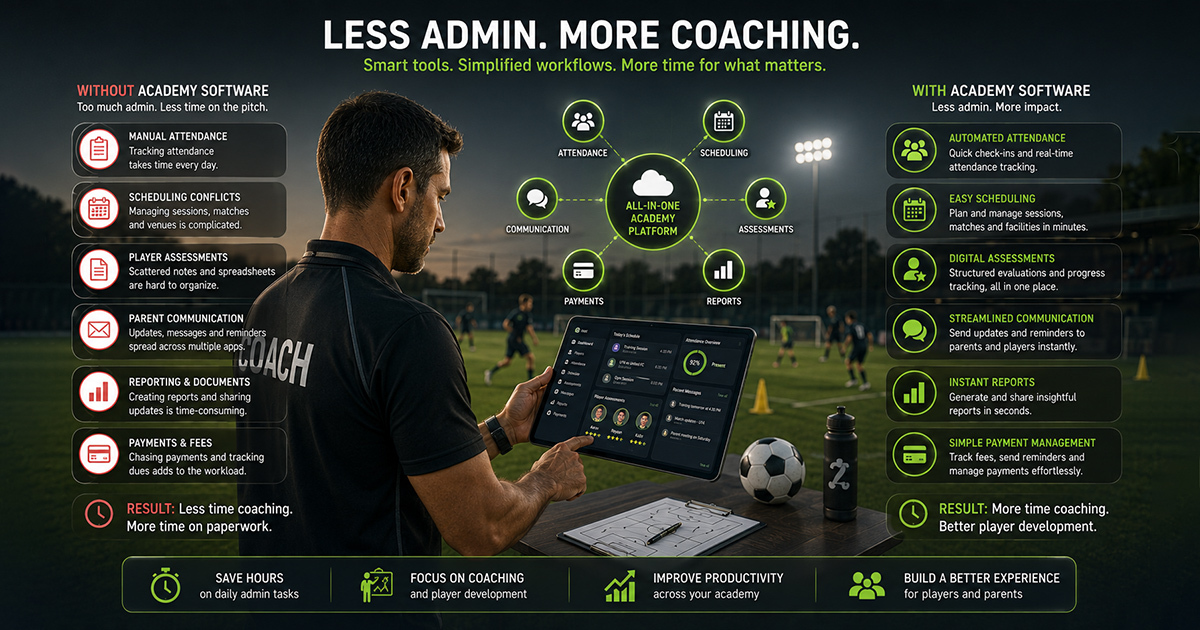
How Sports Academies Can Reduce Admin Work for Coaches
 Read More about How to Build Age-Wise Player Development Pathways in Football and Cricket
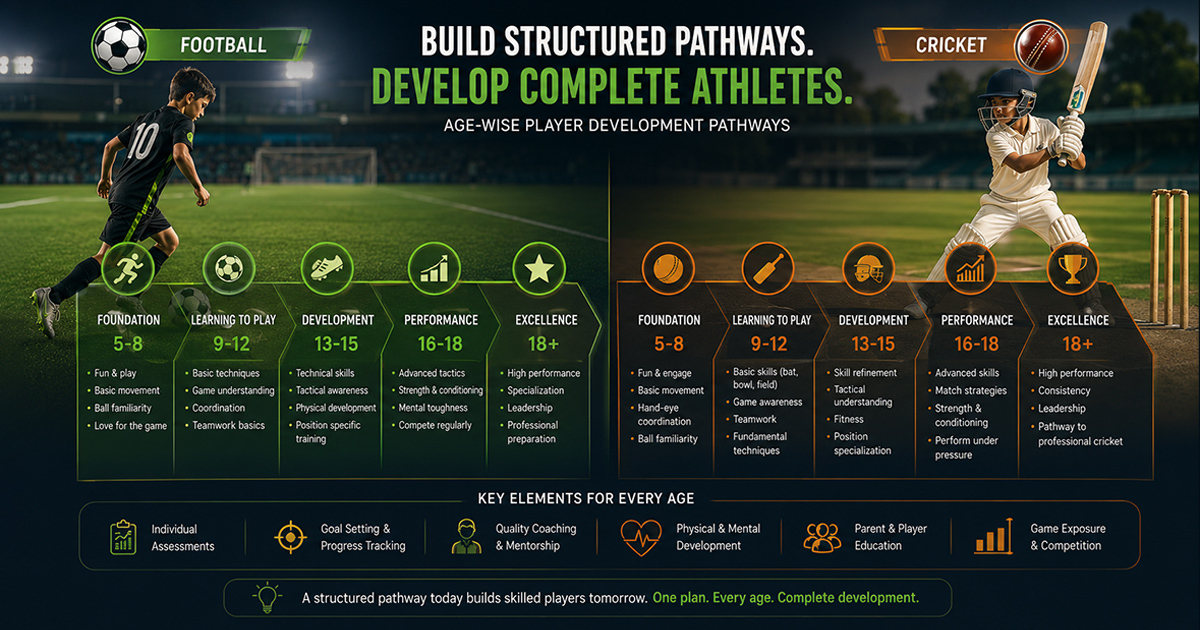
How to Build Age-Wise Player Development Pathways in Football and Cricket
 Read More about Tournament Management Software for Football and Cricket Organizers: A Practical Guide
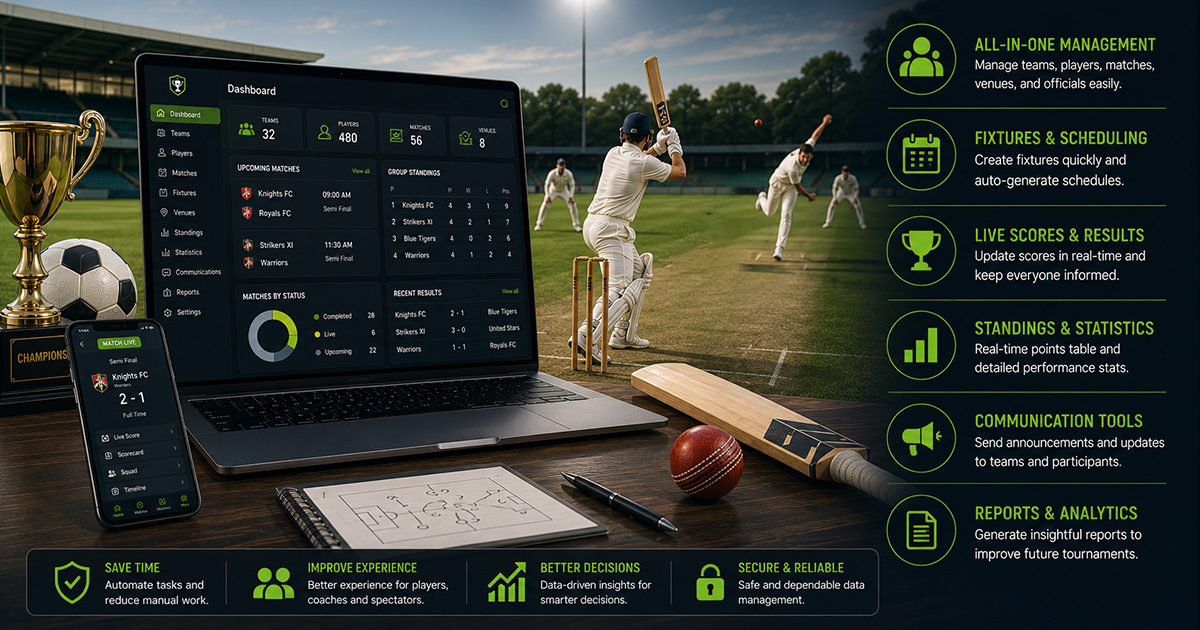
Tournament Management Software for Football and Cricket Organizers: A Practical Guide
Ready to Bring Structure to Your Academy?
Let’s walk through your current setup and show you how 8lete can improve it.


