



Cricket Trials Preparation: How Young Players Can Prepare for Selection
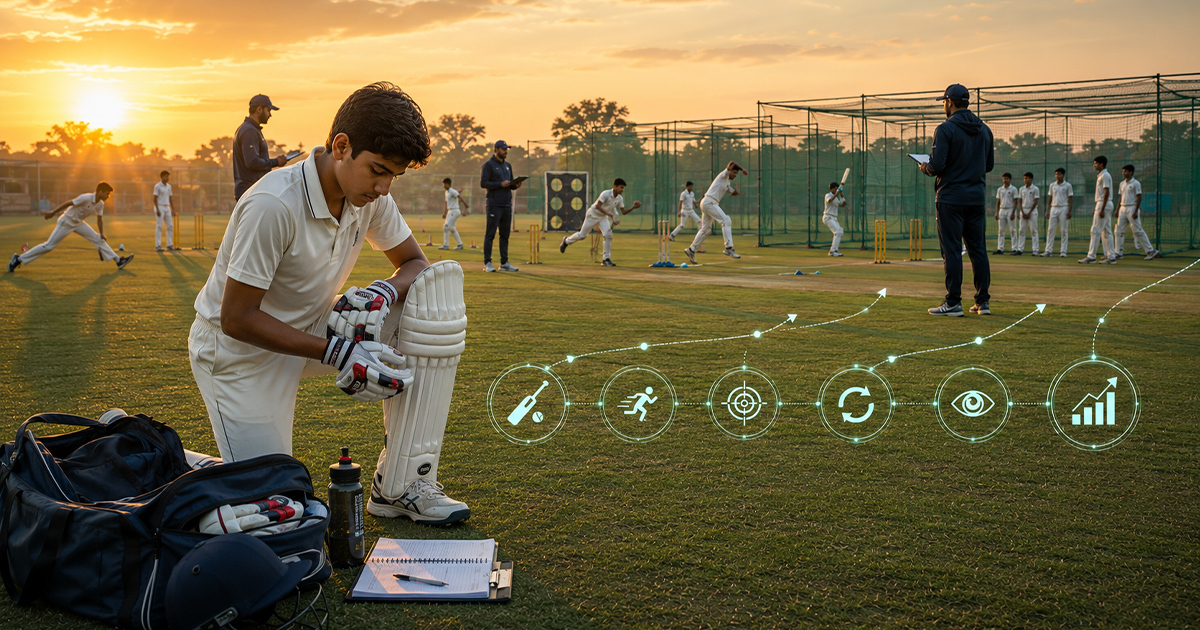
Preparing for cricket trials can be a stressful time for young players and their parents. Understanding what is expected during these trials and knowing how to prepare can make the difference between a successful selection and a missed opportunity. This article focuses on cricket trials preparation, offering practical advice for players and parents to approach trials with confidence and readiness by combining physical, technical, and mental preparation.
What is Cricket Trials Preparation?
Cricket trials preparation involves systematic training and mindset work that a young player undertakes before attending selection assessments. It focuses on building the core skills, fitness, and mental strength needed to meet the benchmarks set by coaches and selectors.
This preparation helps players present themselves consistently during trials rather than relying on occasional flashes of talent. Understanding the selection process, the skills required, and what coaches observe during trials provides players and parents with a foundation to build from.
Why Players Struggle with Cricket Trials Preparation
Many young players focus only on match play and neglect the targeted training that trials demand. This often leads to underpreparedness in key areas such as physical fitness, specific skill sets, or mental readiness. Some players also experience performance anxiety due to unfamiliar environments or unclear expectations.
Without a clear plan for how to prepare for cricket trials, players risk leaving their selection to chance rather than preparation. Parents and coaches can help by establishing structured training habits and clarifying the cricket selection process.
How to Improve Your Physical and Technical Skills Before Trials
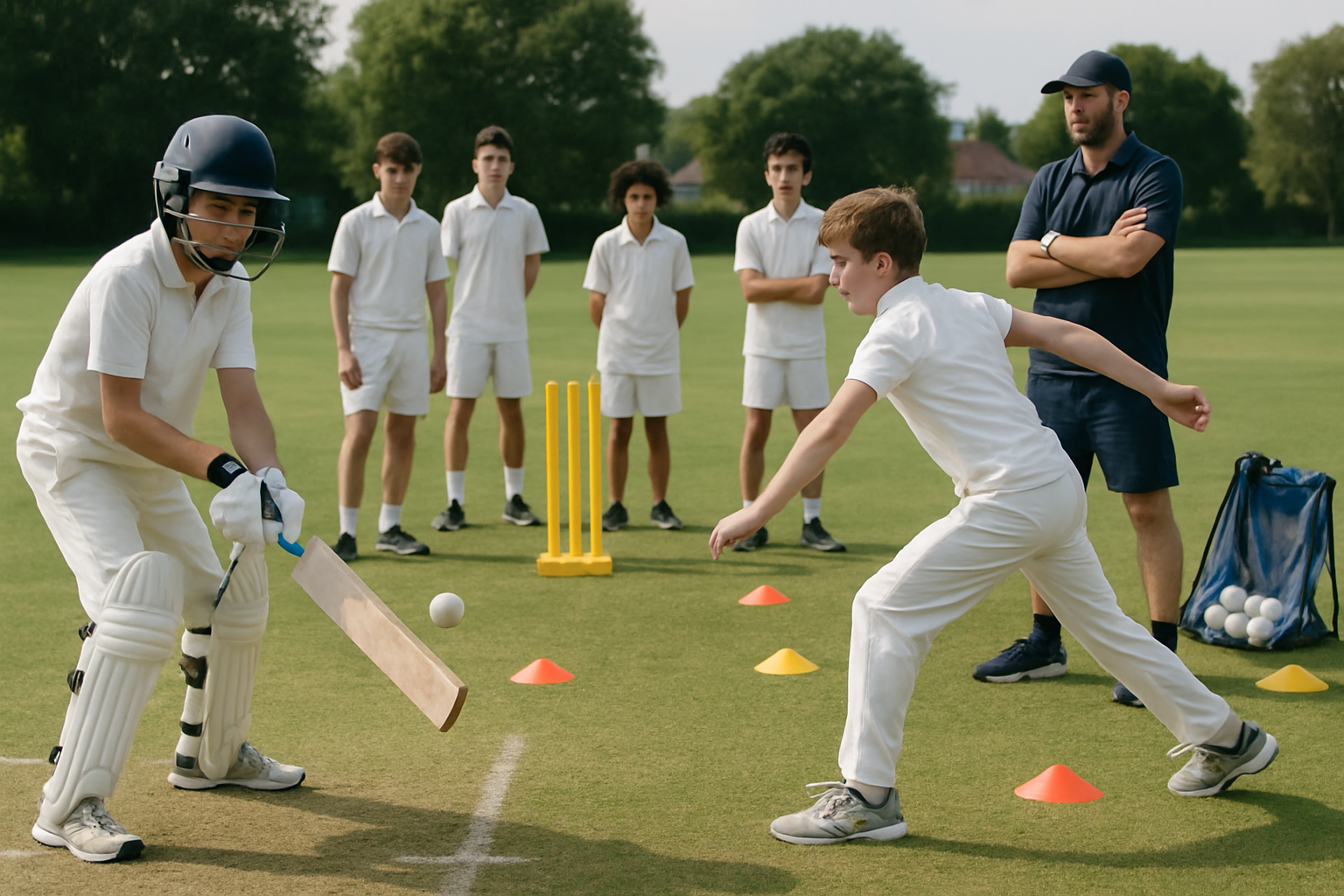
Physical fitness is a foundation for effective performance in cricket trials. Players should engage in conditioning drills that improve endurance, agility, and strength. Basic exercises like running drills, bodyweight strength training, and flexibility work support overall fitness and injury prevention.
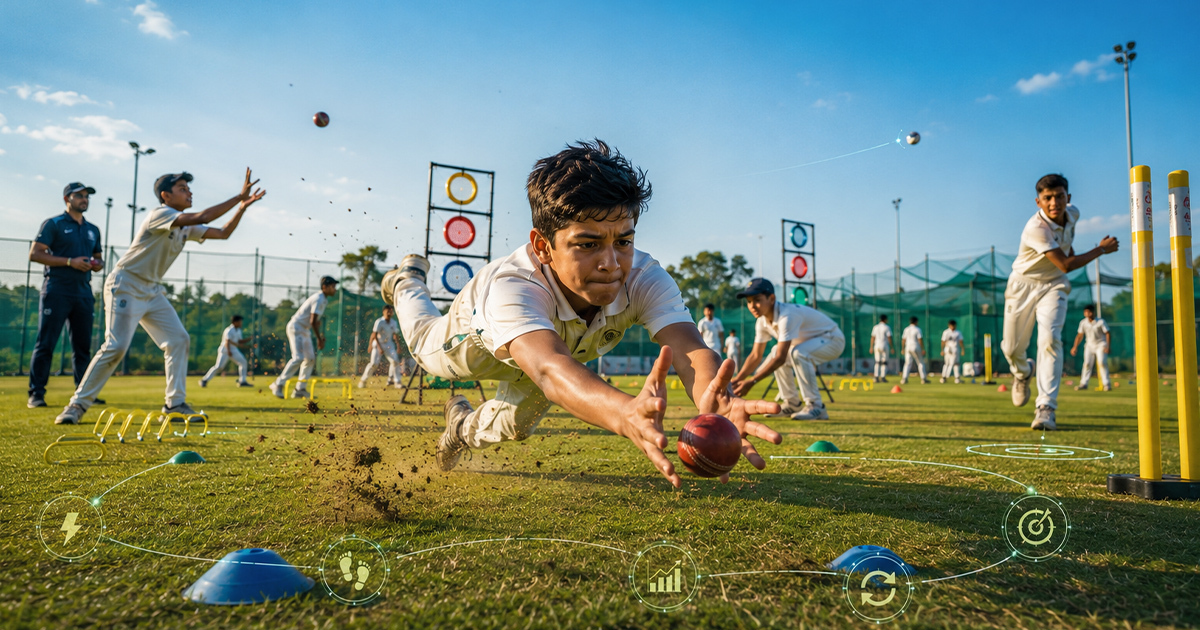
Alongside fitness, practicing specific cricket skills regularly is crucial. Focus areas include batting technique, bowling accuracy, fielding agility, and catching consistency. Youth cricket training drills designed to mimic trial conditions help players gain confidence through repetition and familiarity. Incorporating feedback loops where coaches observe and correct technique supports continuous improvement.
Consistent practice and mental focus outweigh raw talent in cricket trials preparation.
Mental Preparation for Sports Trials
Mental readiness is equally important as physical skills in trials. Young players benefit from mindfulness practices such as visualization and controlled breathing to manage nerves. Preparing mentally for different scenarios during trials builds resilience and focus.
Parents and coaches play a supportive role by maintaining realistic expectations and encouraging a learning mindset rather than fixating solely on selection outcomes. This approach reduces performance pressure and allows players to showcase their true abilities under trial conditions.
Practical Implementation for Grassroots Clubs
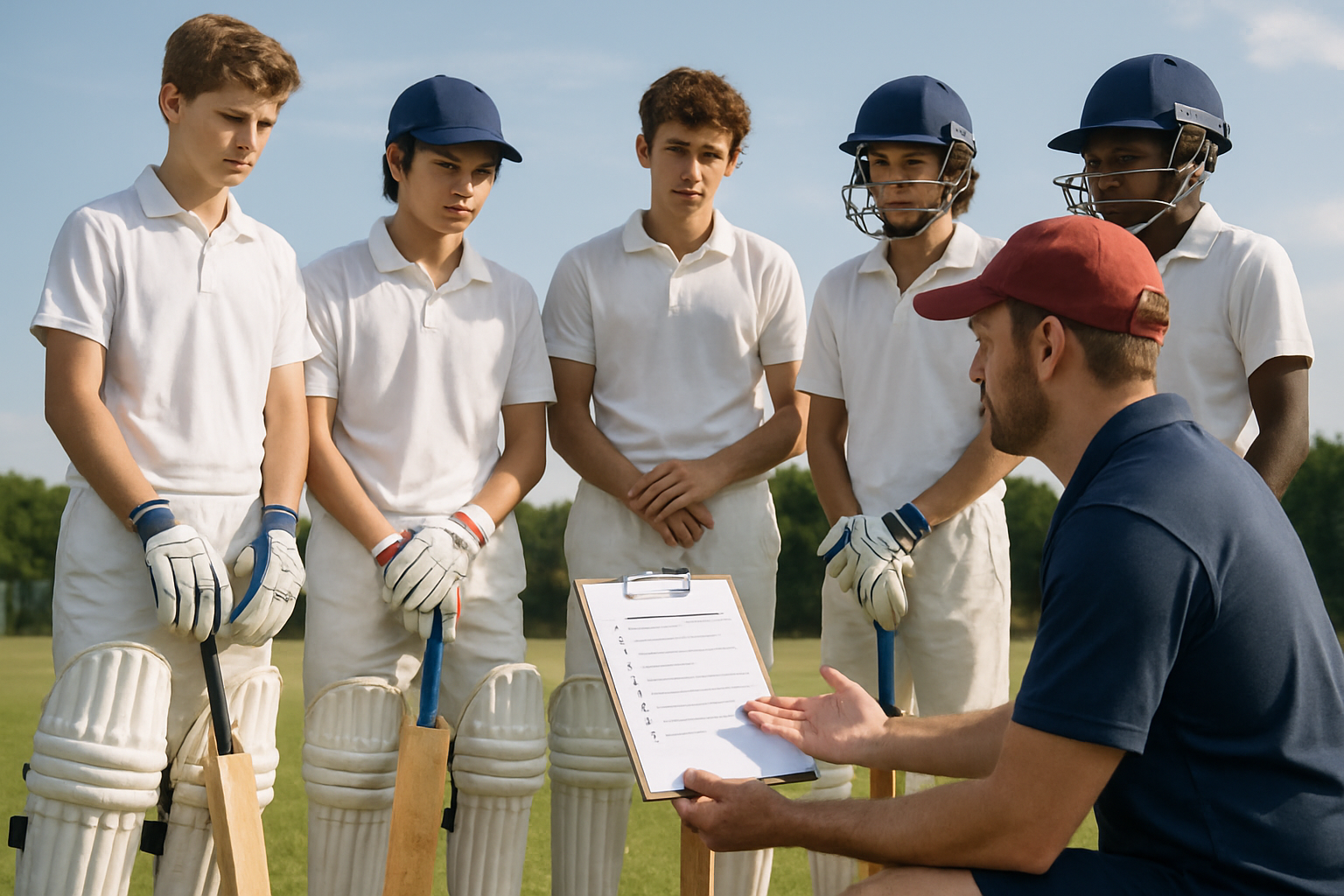
Grassroots clubs and academies can support players’ cricket trials preparation by establishing clear trial guidelines early in the season. This includes providing a cricket trial checklist covering physical readiness, skill benchmarks, and mental strategies.
Structured training systems that integrate regular assessments and feedback enable players to track progress and identify development areas before trials. Coaches can design training sessions simulating trial environments, such as timed skill circuits and decision-making drills, to build player confidence and adaptability.
Common Development Mistakes
A common mistake is overemphasizing match performance without focusing on controlled skill practice. Match play is important but should be balanced with drills emphasizing consistency and technical correctness.
Another frequent error is neglecting recovery and rest. Proper recovery routines, including hydration, sleep, and light activity, contribute significantly to performance during trials. Lastly, players who do not prepare mentally may face anxiety that undermines their physical preparation.
Cricket Trial Preparation Checklist for Young Players
Use this checklist as a guide to prepare holistically for your cricket trials:
- Maintain a regular fitness routine focusing on endurance, agility, and strength
- Practice key cricket skills daily—batting, bowling, fielding, and catching
- Engage in sport-specific training drills that replicate trial pressure situations
- Develop mental strategies such as visualization and controlled breathing
- Ensure adequate rest and recovery during the preparation phase
- Understand coach expectations and the selection process beforehand
- Seek feedback regularly and adjust training accordingly
Conclusion
Effective cricket trials preparation requires more than just natural talent—it demands a structured approach combining physical conditioning, focused skill development, and mental resilience. For players, adopting consistent training habits and trusting the process helps build long-term competence rather than short-term flashes. Coaches and parents play an essential supporting role by fostering clear communication about expectations and maintaining development-focused mindsets. By embedding preparation within a structured training environment and tracking progress systematically, young players can confidently navigate the cricket selection journey. For further guidance, players and parents can explore our player development resources to enhance their understanding and readiness for trials and beyond.
What is cricket trials preparation?
Cricket trials preparation involves training and mental readiness aimed at performing well during selection assessments.
How to improve skills for cricket trials?
Practice targeted drills focusing on batting, bowling, and fielding regularly, and seek constructive feedback from coaches.
Why am I not improving despite training for cricket trials?
Improvement may stall due to inconsistent training, lack of feedback, or neglecting physical fitness and mental preparation.
How to prepare for cricket trials physically and mentally?
Combine fitness exercises like running and strength training with mental methods such as visualization and focused breathing.
Why do players struggle with cricket trials preparation?
Players often lack a structured plan, focus only on matches, and face pressure without mental readiness.
Best age to start serious cricket trials preparation?
Serious preparation can begin around 10 to 12 years old, allowing gradual development of skills and fitness.

Related Articles
 Read More about Football Trials Preparation for Youth Players: What Young Players Must Understand
Football Trials Preparation for Youth Players: What Young Players Must Understand
 Read More about How Cricket Academies Can Track Player Progress Beyond Runs and Wickets
How Cricket Academies Can Track Player Progress Beyond Runs and Wickets
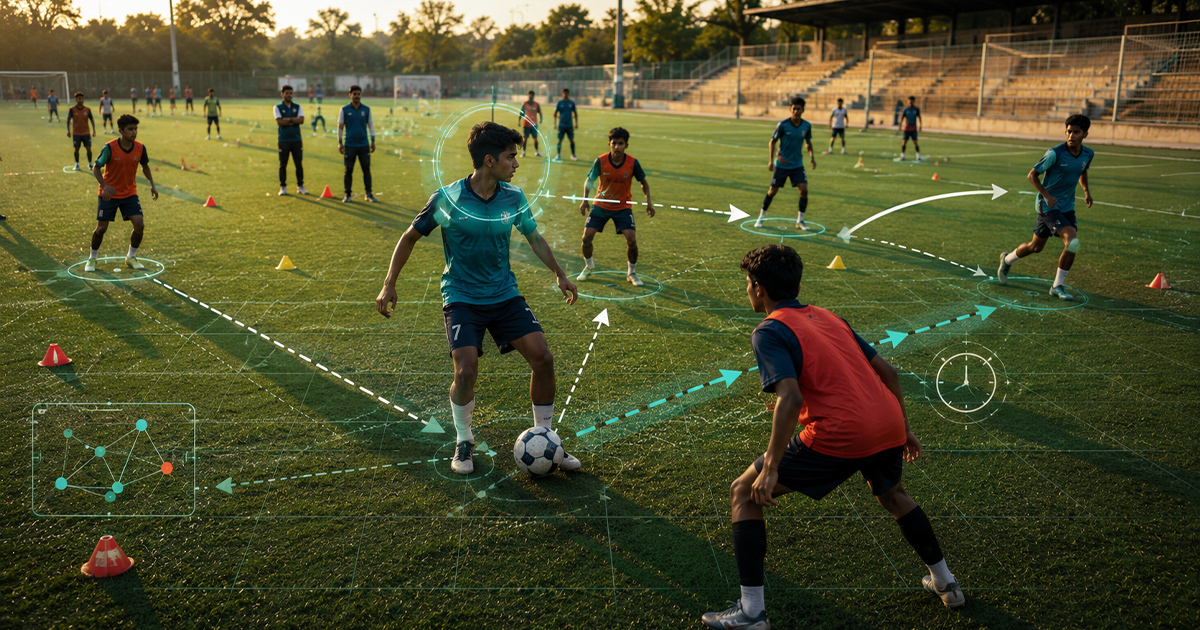 Read More about How to Improve Decision-Making in Youth Football: Practical Steps for Players and Parents
How to Improve Decision-Making in Youth Football: Practical Steps for Players and Parents
Latest Articles
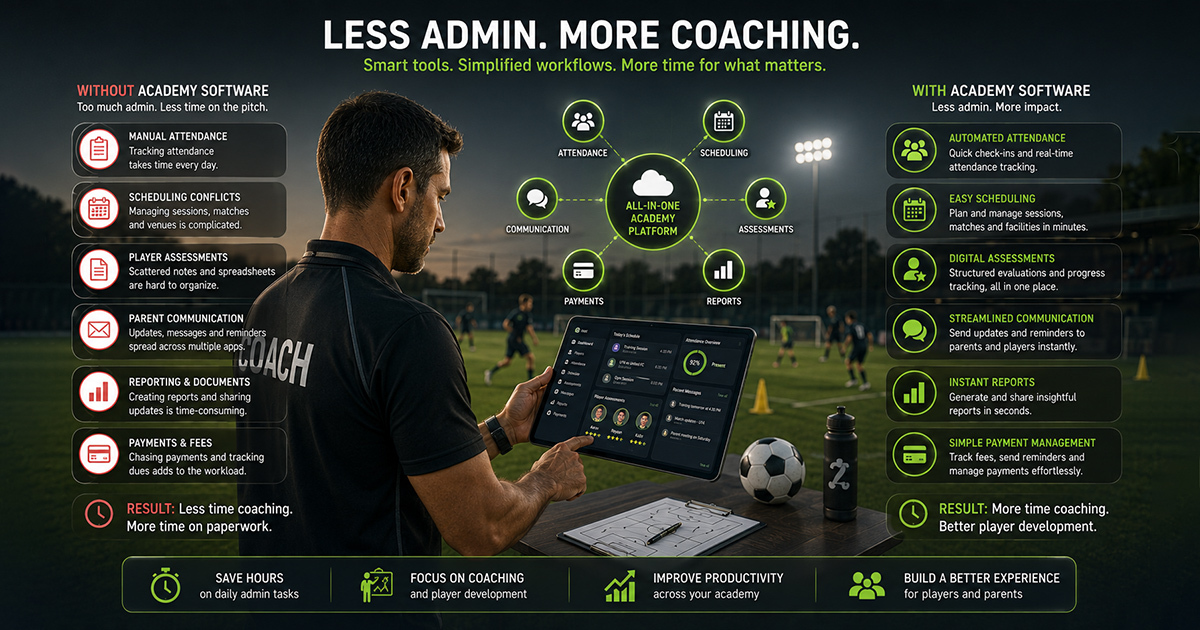 Read More about How Sports Academies Can Reduce Admin Work for Coaches
How Sports Academies Can Reduce Admin Work for Coaches
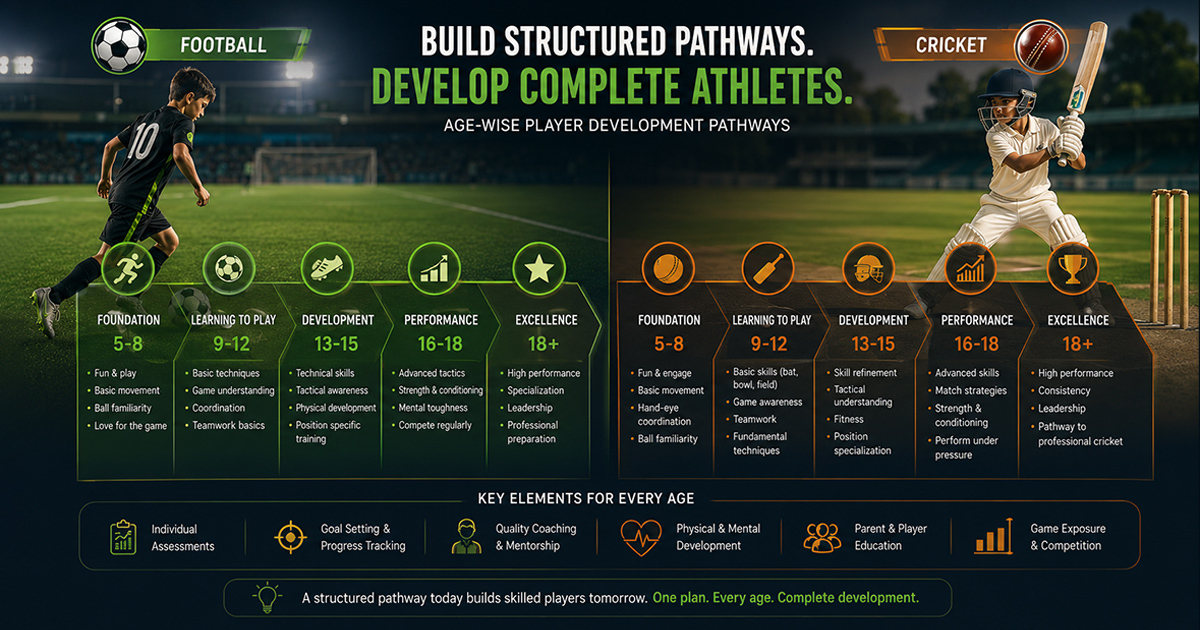 Read More about How to Build Age-Wise Player Development Pathways in Football and Cricket
How to Build Age-Wise Player Development Pathways in Football and Cricket
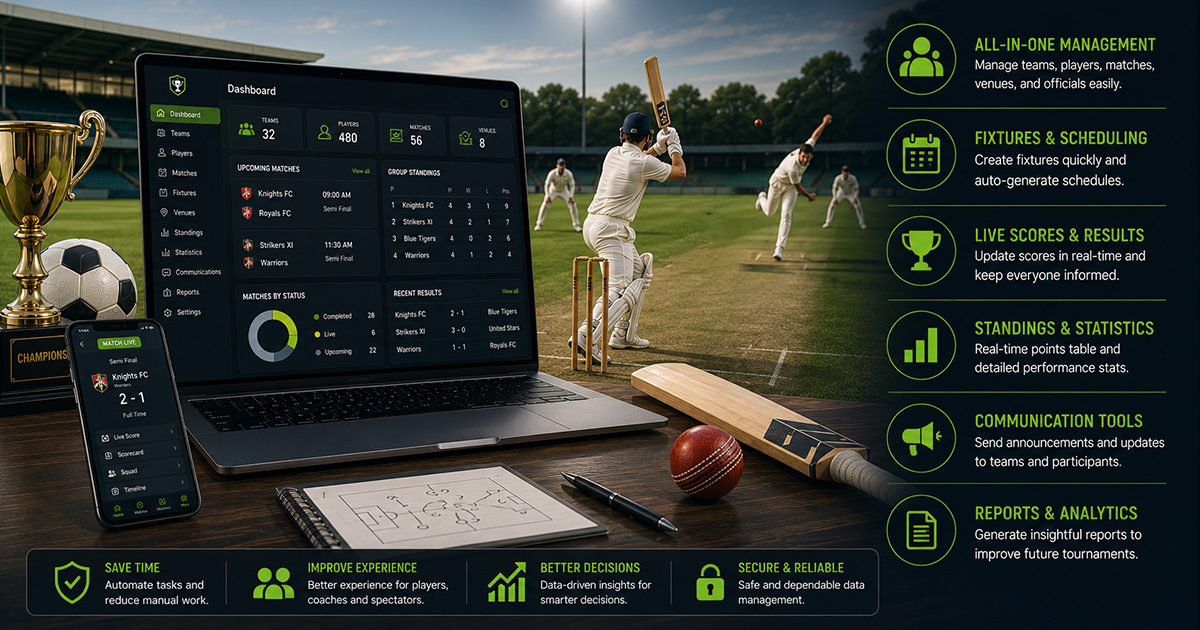 Read More about Tournament Management Software for Football and Cricket Organizers: A Practical Guide
Tournament Management Software for Football and Cricket Organizers: A Practical Guide
Ready to Bring Structure to Your Academy?
Let’s walk through your current setup and show you how 8lete can improve it.


