



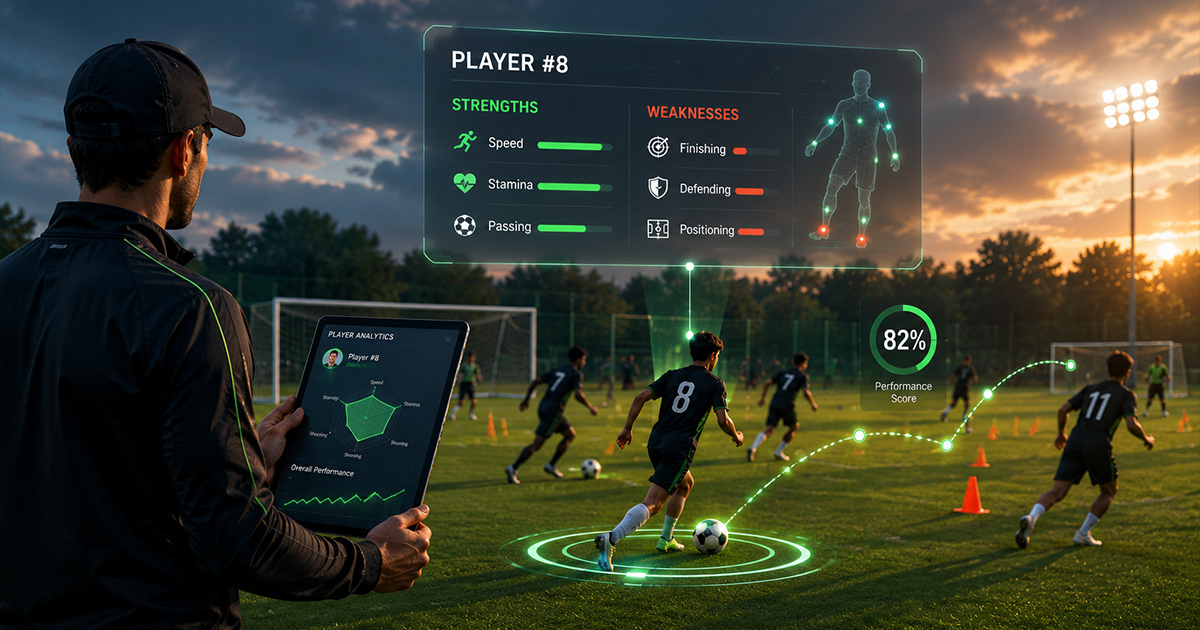
How AI for Coaching Player Strengths and Weaknesses Transforms Grassroots Development
AI for coaching player strengths and weaknesses means using artificial intelligence tools to objectively analyze player performance data, enabling coaches to identify specific skills, habits, and improvement areas efficiently. For grassroots coaches and parents, this is crucial because it addresses the common challenge of subjective observation and inconsistent feedback, which often hides a player’s true developmental needs. By leveraging AI, coaches can design more focused training plans based on real player insights, fostering better long-term growth supported by objective evidence. This article explores practical ways AI can assist grassroots coaches in unlocking player potential through structured analysis and systematic feedback.
What Is AI for Coaching Player Strengths and Weaknesses?
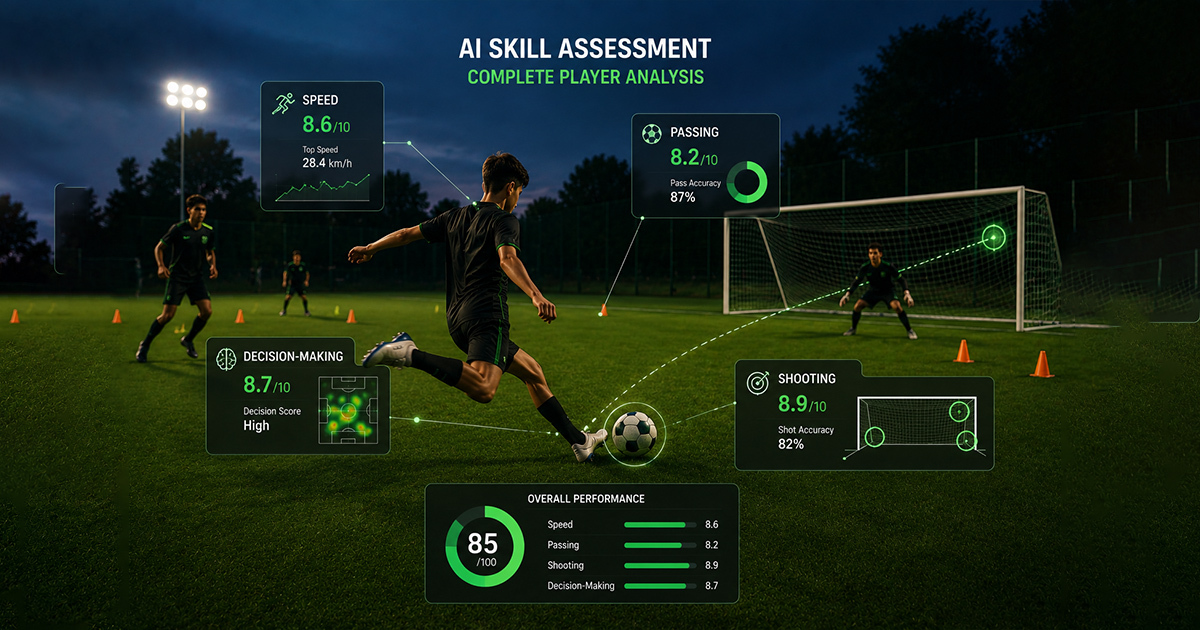
AI for coaching player strengths and weaknesses refers to technology solutions that collect, process, and analyze player performance data—such as skill execution, movement patterns, and match actions—to provide accurate insights into what a player does well and what needs improvement. It reduces guesswork by offering quantifiable feedback rather than relying solely on visual judgment.
This is especially valuable in grassroots sports, where coaches handle many players and need an objective way to prioritize individual training and report progress to parents and club owners, building trust and clear communication around development.
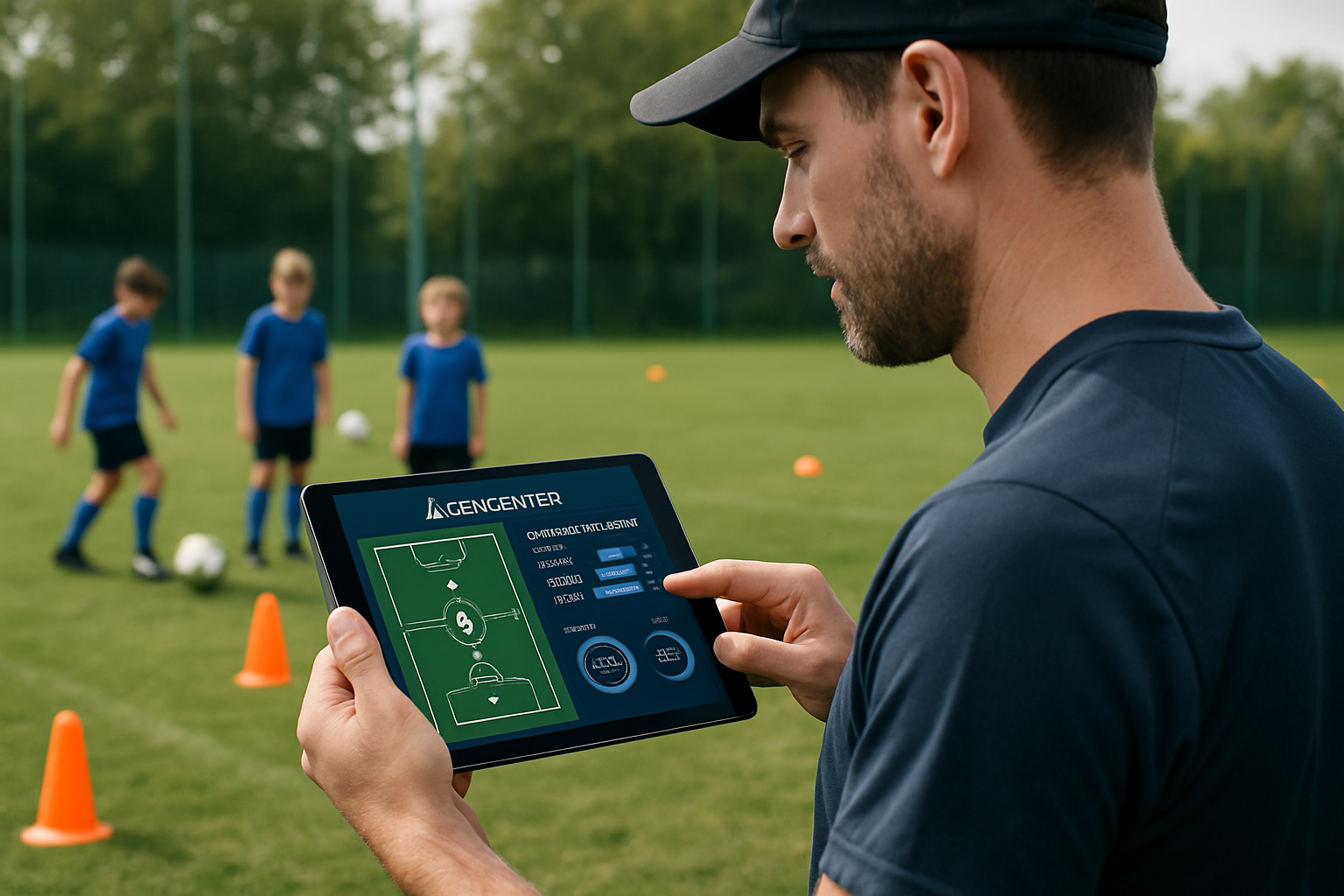
A Practical Framework for Using AI to Identify Player Strengths and Weaknesses
Effective AI integration for coaching player strengths and weaknesses follows a clear five-point framework that helps coaches translate data into actionable training:
1. Data Collection: Capture relevant performance metrics from training sessions and matches using video, sensors, or AI-powered apps. For example, measuring passing accuracy or shot selection across multiple games.
2. Automated Analysis: Apply AI algorithms to the data to identify patterns such as consistent skill strengths, recurring errors, physical workloads, or tactical tendencies.
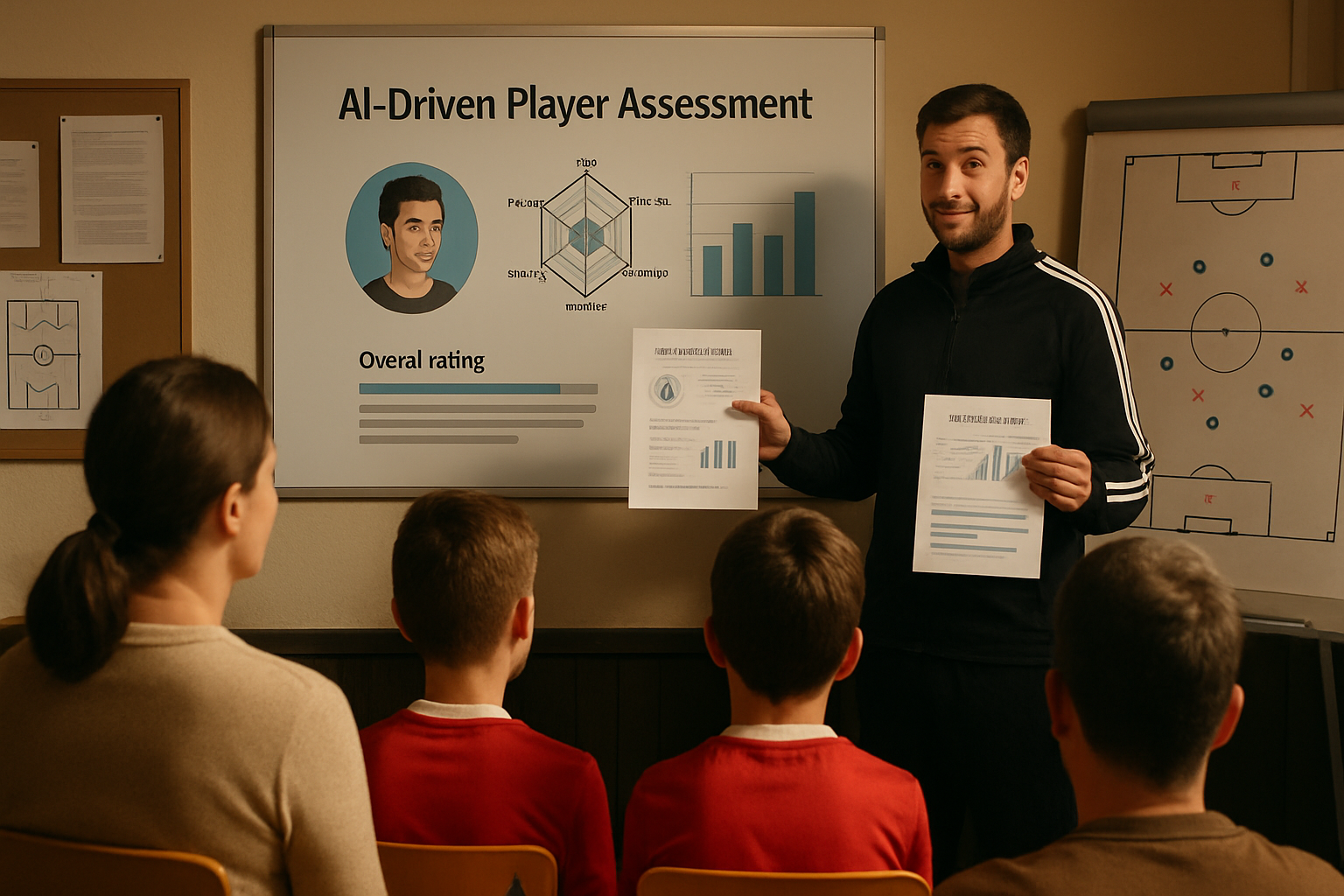
3. Personalized Reporting: Translate AI insights into clear reports showing players’ top skills and pinpointed weaknesses. This makes feedback understandable to players and parents alike.
4. Coaching Intervention: Use the findings to design specific drills or sessions focused on weaknesses, while further enhancing strengths. For example, a player identified as having weak positioning may get targeted spatial awareness drills.
5. Progress Tracking: Continuously monitor performance changes with AI tools to adjust coaching plans, keeping development on track over weeks or months.
Role-Wise Insights: Players, Coaches, Parents, and Academy Owners
Players should engage with AI feedback by focusing on specific, data-backed areas for improvement rather than vague advice. For example, a player could track how their dribbling success changes week to week using AI video analysis.
Coaches benefit from AI by gaining detailed observation beyond what can be seen in real time. For instance, a coach noticed a midfielder’s passing efficiency drops in the second half; AI highlights such declines to direct stamina or decision-making training.
Parents gain clarity on what their child is working on and progressing in, reducing uncertainty. Parents can ask informed questions about AI reports shared by coaches instead of guessing based on game results alone.
Academy Owners can systematize development by integrating AI tools with existing workflows like attendance and session planning, ensuring every player’s progress is tracked consistently and transparently. This prevents reliance on memory or ad-hoc feedback, improving academy credibility.
Age-Wise Implementation: Adapting AI Use Across Player Development Stages
U10–U12: Focus on basic skill tracking such as passing and ball control. Use simple AI tools that highlight strong fundamentals and emerging weaknesses in coordination or technique.
U13–U16: Introduce tactical analysis like positioning and decision-making using AI video review feedback. Coaches can detect if a player consistently opts for risky passes under pressure.
U17+: Use complex metrics including physical loads, recovery times, and cognitive decision analysis integrated into individual performance dashboards, enabling personalized training plans.
Data-driven feedback helps coaches move beyond guesswork to focused, consistent player development.
Concrete Grassroots Examples of AI in Action
In one grassroots academy, a coach used AI-powered video analysis to identify a winger’s tendency to drift towards the middle rather than maintaining width. This helped adjust drills focused on spatial awareness leading to measurable improvement in match positioning.
Another coach noticed inconsistent defensive clearances during matches but no mistake in training. AI tracking revealed reduced alertness in the last 20 minutes. The coach then introduced endurance-focused sessions and re-monitored performance, confirming recovery.
Parents of a U12 player were unsure why their child was not progressing beyond basic skills. AI-based reports showed strong dribbling but weak passing accuracy. This insight helped parents support targeted practice time and discuss results with coaches constructively.
Practical checklist
To effectively use AI for coaching player strengths and weaknesses, coaches and academies can apply this checklist:
- 1. Have access to consistent, quality data sources such as video or sensor inputs.
- 2. Use AI tools tailored to the skills and age group of your players.
- 3. Ensure AI-generated reports highlight both strengths and weaknesses clearly.
- 4. Incorporate AI insights into regular coach feedback sessions.
- 5. Share understandable progress reports with players and parents.
- 6. Schedule follow-up assessments to measure improvements over time.
- 7. Train coaches to interpret AI data correctly, blending technology with human judgment.
- 8. Maintain detailed records linking training interventions to AI findings.
- 9. Manage player workload data to prevent overtraining and injury.
- 10. Involve players in understanding their AI feedback to promote self-driven improvement.
Common mistakes
Despite AI’s power, coaches often fall into these pitfalls:
Mistake 1: Relying solely on AI data without coach context. Fix: Use AI as a tool to augment—not replace—coach judgment and on-field observation.
Mistake 2: Overwhelming players with technical reports. Fix: Simplify feedback for players focusing on actionable points rather than raw data.
Mistake 3: Collecting inconsistent or incomplete data sets. Fix: Standardize data collection methods, such as using the same camera angles or sensor placements.
Mistake 4: Ignoring parent communication when using AI assessments. Fix: Schedule regular parent meetings to explain AI reports and progress, building trust and clarity.
Mistake 5: Forgetting to update coaching plans based on AI tracking over time. Fix: Make AI review part of monthly or quarterly planning cycles.
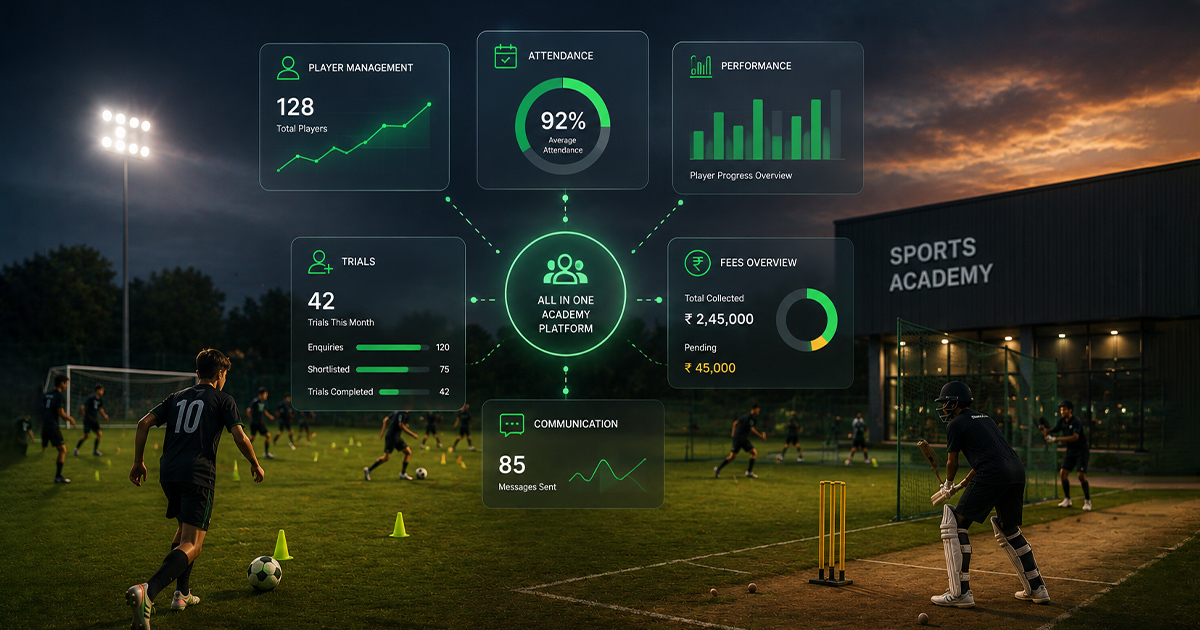
An 8lete-Aligned Workflow for AI-Driven Player Strengths and Weaknesses Assessment
A practical workflow helps embed AI into grassroots coaching operations:
Session Data Capture → Attendance Marking → Automated AI Analysis → Coach Review and Notes → Player and Parent Report Generation → Goal Setting for Next Training
For example, after each training session, coaches mark attendance while AI processes video clips or sensor data from drills. The coach reviews AI findings on player strengths and weaknesses, adds contextual notes about observations or player mindset, then shares structured reports with parents and players. Next session plans then target identified areas, creating a continuous improvement cycle. This system fosters transparency and momentum within academy operations.
Frequently Asked Questions
Below are common questions from grassroots coaches, parents, and academy operators about AI in player analysis.
What is the best way to use AI in player performance analysis at grassroots level?
Start by collecting consistent data from training via video or wearable sensors. Use AI tools that provide clear breakdowns of skill execution and decision patterns. Combine AI with coach observations and share understandable reports with players and parents for focused development.
How can coaches identify player strengths with AI effectively?
Coaches can use AI to analyze key performance metrics like passing accuracy, positioning, and stamina. The AI highlights consistent patterns where players excel. Coaches then validate these insights on-field to tailor training, ensuring strengths are reinforced alongside addressing weaknesses.
How to train players based on AI-identified weaknesses?
Once AI points out specific weaknesses like poor finishing or low endurance, coaches design targeted drills focusing on those areas. For example, if AI shows inconsistent dribbling under pressure, practice sessions include pressure drills with progressive difficulty to build confidence and skill.
Why do some grassroots coaches struggle to use AI tools correctly?
Struggles arise from lack of training in AI interpretation, overwhelming raw data, or failing to integrate AI feedback with practical coaching. Coaches must balance AI insights with their own knowledge, seek user-friendly platforms, and connect AI feedback to clear training plans.
When should academies start integrating AI-driven player development strategies?
Integration works best once basic data collection infrastructure is set up, often from U12 age onwards, when players’ skills and match involvement increase. Early adoption allows more informed decisions, but choosing scalable tools and ensuring coach readiness is crucial.
How long does it take to see results from AI-guided coaching interventions?
Results depend on consistent application; typically, measurable improvement appears after 4 to 8 weeks of targeted training informed by AI insights. Regular reassessment ensures plans remain dynamic and maximize development impact.
Related Articles
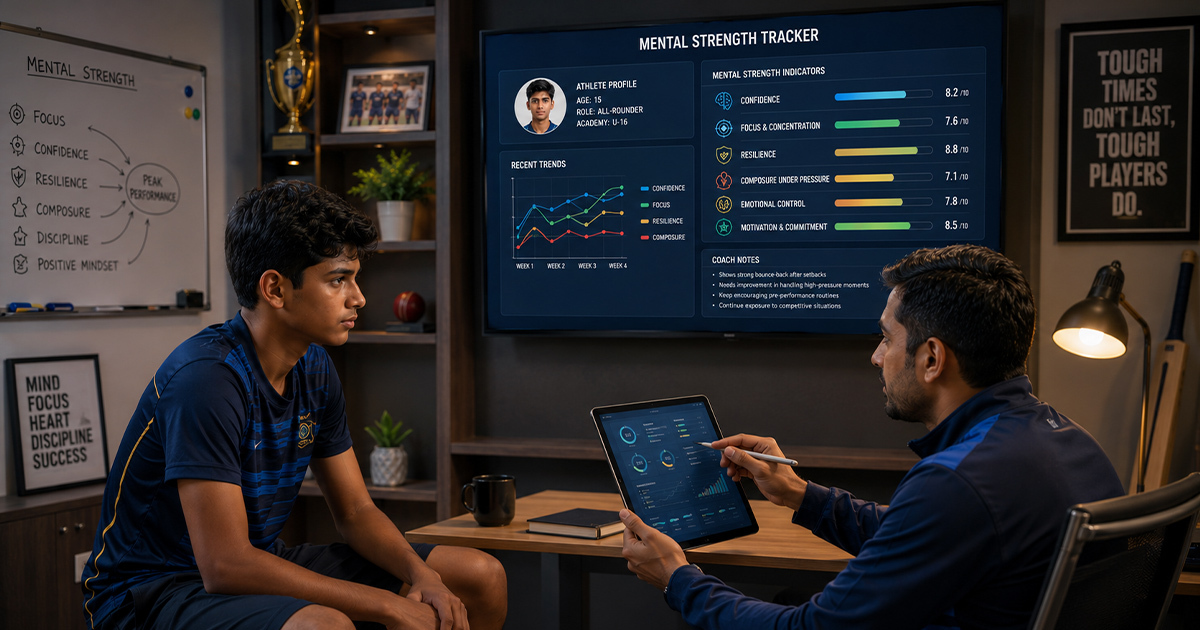 Read More about How Coaches Can Track Mental Strength in Young Athletes
How Coaches Can Track Mental Strength in Young Athletes
 Read More about Weekly Cricket Training Session Plan for Grassroots Academies: A Practical Guide
Weekly Cricket Training Session Plan for Grassroots Academies: A Practical Guide
 Read More about How Coaches Can Help Football Players Handle Match Pressure
How Coaches Can Help Football Players Handle Match Pressure
Latest Articles
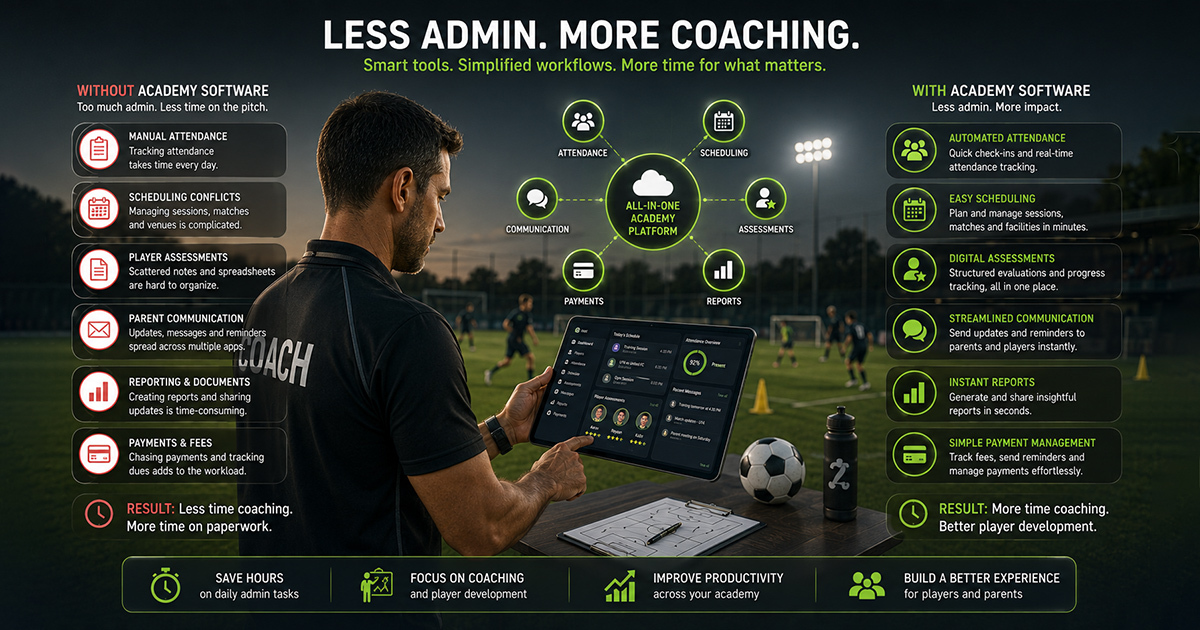 Read More about How Sports Academies Can Reduce Admin Work for Coaches
How Sports Academies Can Reduce Admin Work for Coaches
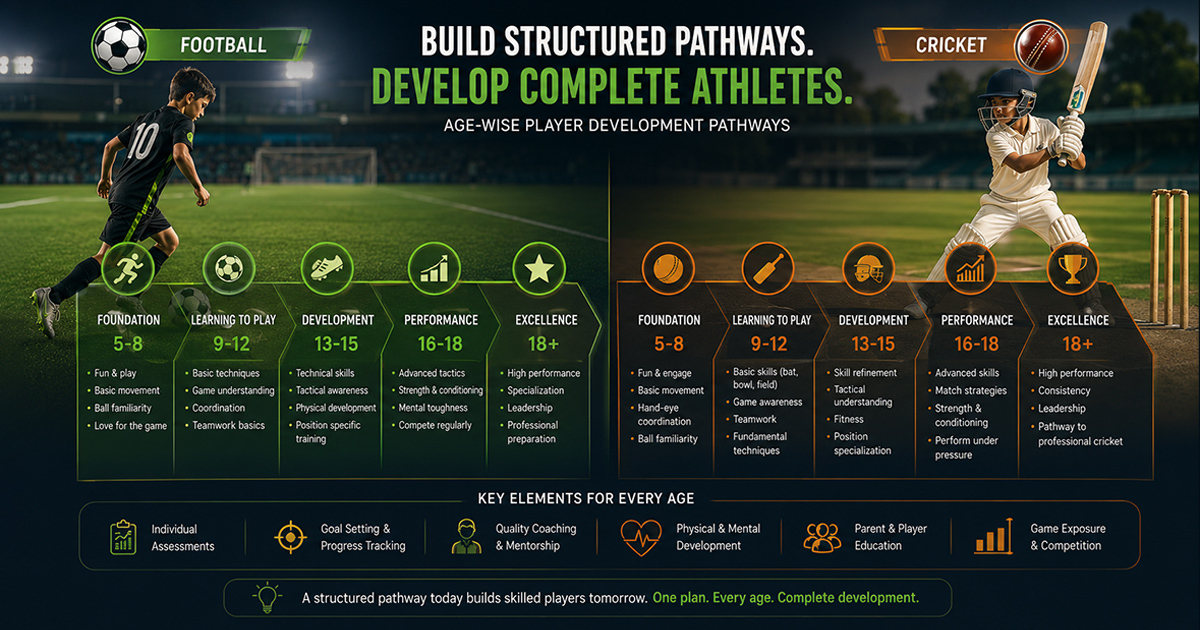 Read More about How to Build Age-Wise Player Development Pathways in Football and Cricket
How to Build Age-Wise Player Development Pathways in Football and Cricket
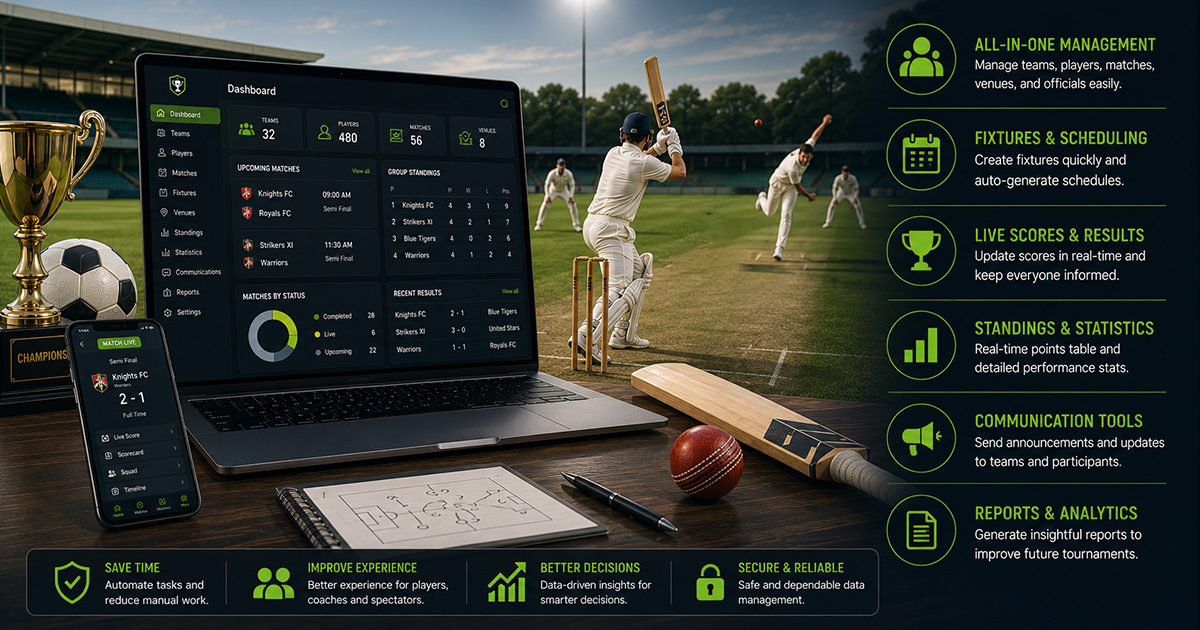 Read More about Tournament Management Software for Football and Cricket Organizers: A Practical Guide
Tournament Management Software for Football and Cricket Organizers: A Practical Guide
Ready to Bring Structure to Your Academy?
Let’s walk through your current setup and show you how 8lete can improve it.


